
When it comes to road safety, speed isn’t just a number—it’s a responsibility. That’s where speed limiters step in. Whether you’re managing a fleet of trucks, driving a school bus, or simply trying to keep your family car safe, choosing the right speed limiter can make all the difference.
Let’s break down how to choose the perfect speed limiter for your vehicle type.
Why Speed Limiters Matter More Than Ever
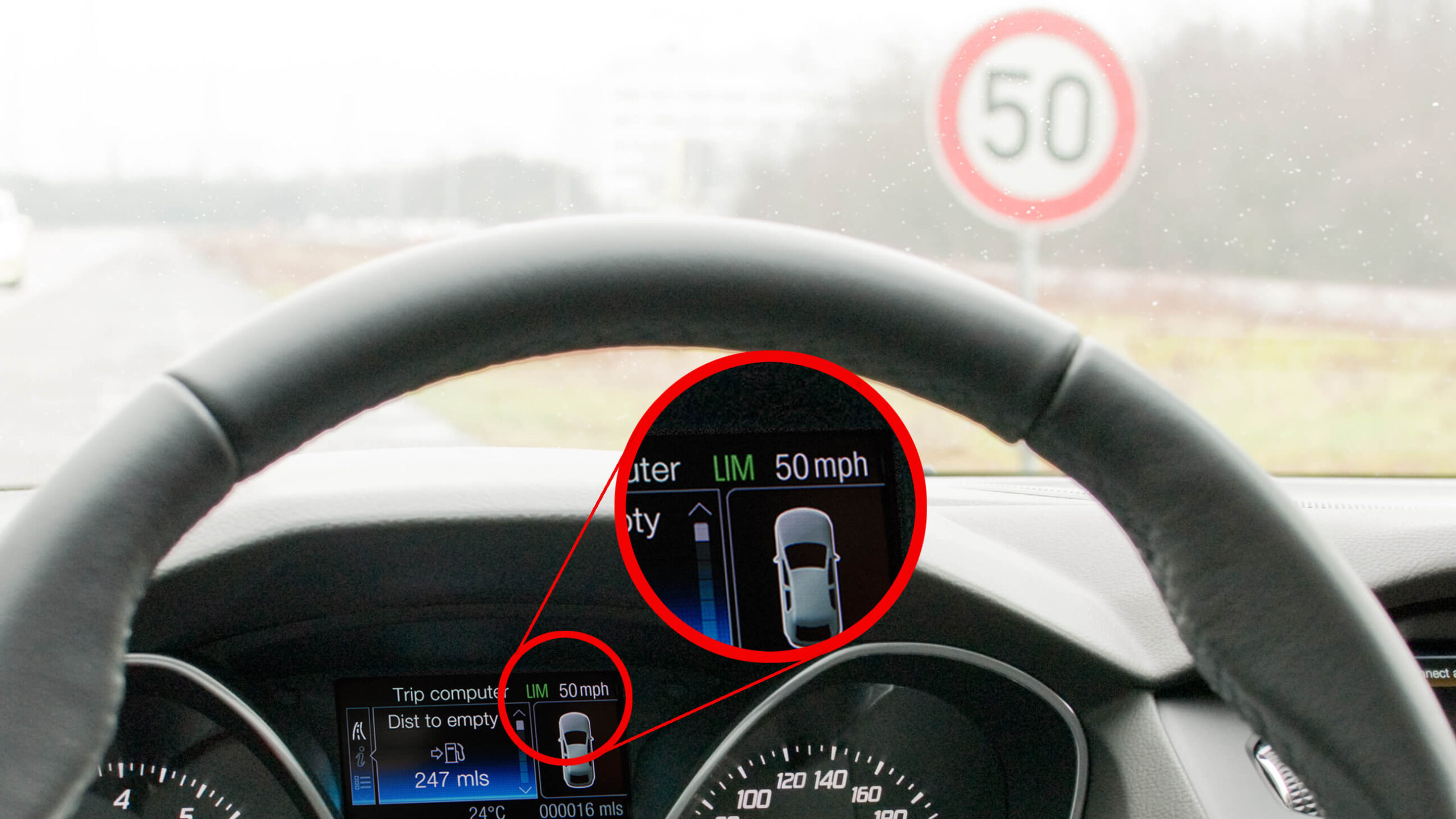
Every vehicle has a power limit—but drivers don’t always respect it. A speed limiter (also called a speed governor) controls how fast a vehicle can go, no matter how hard someone presses the gas pedal. This keeps drivers from going beyond safe speeds and helps reduce road accidents, fuel waste, and engine strain.
In many countries, speed limiters are now legally required in commercial and public vehicles. But beyond the law, they also improve safety, save money, and protect passengers.
What Exactly Is a Speed Limiter?
A speed limiter is a small electronic device that caps the maximum speed a vehicle can reach. It’s not the same as cruise control. Cruise control keeps a car going at a set speed. A speed limiter stops it from going over a certain speed—even when the road is empty and the engine is roaring.
Some speed limiters are built right into the engine control unit (ECU), while others are added later (aftermarket devices). Newer types even work with GPS and terrain data.
Different Types of Speed Limiters and What They Do
Not all speed limiters are created equal. The type you need depends on how, where, and why your vehicle operates. Each version offers different features and control methods—some basic, others deeply intelligent. Below, we explore the four most common types of speed limiters, how they work, and what kind of vehicles they suit best.
1. Standard Speed Limiter (Fixed Setpoint Limiter)
A standard speed limiter is the most widely used and straightforward version. It works by setting a fixed maximum speed—say, 100 km/h—and no matter how much the driver accelerates, the vehicle won’t exceed that point.
How it works:
-
Installed through the Engine Control Unit (ECU) or via an add-on module.
-
Often uses throttle control to limit acceleration beyond the set speed.
-
Speed can be programmed during setup and changed by authorized personnel only.
Best For:
-
Private vehicles to promote responsible driving.
-
Taxi services to reduce overspeeding in urban environments.
-
Light-duty commercial vans that stay within city or regional limits.
Benefits:
-
Simple and cost-effective.
-
Helps reduce fuel consumption and wear on the engine.
-
Complies with basic road safety regulations in many countries.
2. Dual or Multi-Speed Limiter (Terrain-Based or Conditional Limiter)
The dual-speed or multi-speed limiter is an advanced system that allows different speed settings depending on road conditions or operational zones.
How it works:
-
Has two or more pre-programmed speed thresholds.
-
Switches automatically or manually between settings based on:
-
Urban vs. highway roads
-
Vehicle load
-
Driver input or time of day
-
-
Some versions use canbus data and terrain detection sensors to adjust.
Best For:
-
Commercial trucks that shift between highways and local streets.
-
Logistics vans operating in mixed zones.
-
Construction or mining vehicles that transition between on-road and off-road terrain.
Benefits:
-
Enhances fuel efficiency in different environments.
-
Reduces risk in zones with lower speed laws (e.g., school zones or urban traffic).
-
Supports driver behavior control in fleet operations.
3. Adaptive Speed Limiter (GPS-Integrated / Intelligent Limiter)
This is where technology meets safety. An adaptive speed limiter uses real-time GPS data and digital maps to match the vehicle’s speed with posted speed limits automatically.
How it works:
-
Taps into satellite navigation systems to read speed zones.
-
Adjusts the vehicle’s top speed based on:
-
Live road data
-
Traffic regulations
-
Geofencing rules
-
-
Some systems issue a warning first, then automatically reduce throttle if ignored.
Best For:
-
Long-haul trucks crossing borders or regions with changing speed rules.
-
Public transport systems looking to maintain schedule without violating laws.
-
Fleet operators that need full compliance with road authorities.
Benefits:
-
Complies with Intelligent Speed Assistance (ISA) standards in the EU and other regions.
-
Automatically prevents speeding violations.
-
Improves insurance ratings and fleet compliance scores.
4. School Bus Speed Limiter (Safety-Focused Limiter for Passenger Protection)
When children are involved, the stakes are higher. School bus speed limiters are legally mandated in many regions to ensure that these vehicles maintain a strict speed cap, especially in populated and pedestrian-heavy areas.
How it works:
-
Set at a conservative speed (e.g., 60 km/h or lower).
-
Cannot be modified without government certification tools.
-
Integrated with GPS tracking and monitoring systems for compliance.
Best For:
-
School transportation providers
-
Municipal fleets
-
Government-licensed operators
Benefits:
-
Keeps children and pedestrians safe.
-
Meets strict transport department regulations (e.g., UAE RTA, Indian MoRTH).
-
Sends a strong message of corporate responsibility.
How to Match the Right Speed Limiter to Your Vehicle Type
Not every vehicle runs the same roads, hauls the same weight, or serves the same purpose. That’s why one speed limiter doesn’t fit all. Choosing the right limiter isn’t just about picking a device—it’s about matching it with vehicle function, legal requirements, and driver behavior.
Let’s break down the best limiter types for common vehicle categories, and why each one fits like a glove.
Private Cars: Use a Standard Speed Limiter
Why:
Private vehicles, especially those driven by young or inexperienced drivers, benefit greatly from a fixed-speed limiter. It acts as a silent guardian, making sure the driver doesn’t accidentally push the car beyond a safe speed—whether out of excitement or distraction.
Typical Use Cases:
-
Family vehicles with teen drivers
-
Company-provided executive cars
-
Long-distance personal commuters
Benefits:
-
Promotes safer driving habits
-
Reduces fuel waste from unnecessary high speeds
-
Adds a layer of passive control without interfering with normal driving
Taxi or Ride-share Cars: Use a Standard Limiter with Urban Calibration
Why:
Taxis and ride-share vehicles spend most of their time in city traffic, where speeding can lead to:
-
Traffic fines
-
Passenger complaints
-
Insurance issues
A standard limiter, when calibrated for urban speed zones, ensures drivers stay within legal limits, especially in speed-controlled areas like downtown, residential neighborhoods, and school zones.
Benefits:
-
Maintains professional driving standards
-
Prevents frequent braking and harsh acceleration
-
Complies with city transport regulations
School Buses: Use a Dedicated School Bus Speed Limiter
Why:
Children’s safety is non-negotiable. School buses are often legally required to have a hard-wired speed limiter, usually set at a lower threshold (like 60–70 km/h), regardless of the road.
Some systems also include real-time GPS monitoring, driver behavior tracking, and tamper alerts—perfect for school administrations and transport managers.
Benefits:
-
Prevents overspeeding in school zones
-
Boosts parent and public confidence
-
Passes mandatory inspections by transport authorities
Fleet Delivery Vans: Use Multi-Speed or Adaptive Limiters
Why:
Fleet vans operate across diverse routes—from slow-moving city roads to high-speed highways. A multi-speed limiter allows switching between speed modes based on:
-
Delivery location
-
Road type
-
Time of day
Advanced adaptive limiters go one step further: they use GPS mapping to adjust speeds automatically based on the local road’s legal limit.
Use Cases:
-
Courier and parcel companies
-
E-commerce logistics fleets
-
Last-mile delivery vehicles
Benefits:
-
Saves fuel on highways
-
Prevents speeding tickets in cities
-
Enables central control through telematics systems
Trucks or Trailers: Use Dual-Speed or Terrain-Based Limiters
Why:
Heavy-duty trucks travel across steep inclines, open highways, and narrow loading zones. A dual-speed limiter helps regulate speed based on terrain, payload, or gear selection. For instance:
-
Lower speed on steep descents
-
Higher speed allowed on flat highways
This improves braking control, engine efficiency, and reduces wear on tires and drivetrain components.
Benefits:
-
Prevents rollovers and jackknifing
-
Complies with freight transport laws
-
Protects cargo and reduces accident risk
Workshop/Test Vehicles: Use an Adjustable Limiter
Why:
When a vehicle is undergoing service or diagnostics, mechanics often need to test components without allowing full acceleration. An adjustable limiter is a programmable device that can temporarily cap the speed during testing.
It’s also useful for:
-
Automotive R&D teams
-
Driver training programs
-
Safety checks during vehicle delivery
Benefits:
-
Protects test drivers and workshop personnel
-
Prevents engine over-revving during diagnostics
-
Ensures manufacturer safety compliance
Things to Consider Before You Buy
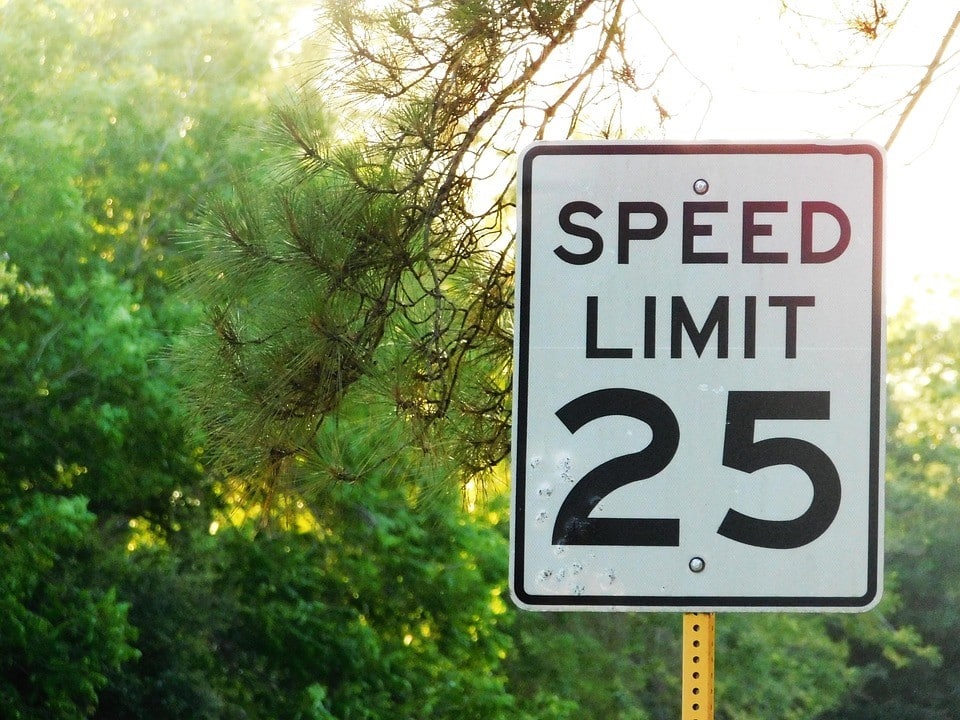
Choosing the right speed limiter depends on more than just your vehicle type. Here are some key points to think about:
-
How You Use the Vehicle: City driving, long-distance routes, or mountain roads all call for different limiter features.
-
Local Laws: In countries like the UAE, India, and several African nations, speed limiters are mandatory for certain vehicle classes.
-
Payload and Terrain: Heavy or off-road vehicles need smart limiters that adjust based on slope or load.
-
Technology Level: Some limiters connect to GPS, while others are manually set.
-
Budget: More advanced systems cost more but offer better fuel efficiency and safety.
The Installation Process & Certification
Installing a speed limiter isn’t just about plugging in a device. It’s a precision task that directly affects the safety, compliance, and legal status of your vehicle—especially for commercial and public transport. Whether you’re outfitting a single car or an entire fleet, it’s essential to understand how the installation process works, what certifications are required, and why professional installation matters.
Step-by-Step: How Speed Limiters Are Installed
While different types of speed limiters (standard, dual, GPS-based) may vary in design, the core installation process usually follows a structured sequence:
1. Pre-Installation Inspection
-
A certified technician begins with a vehicle diagnosis, checking:
-
Make and model
-
Engine type (petrol, diesel, EV)
-
Transmission system
-
ECU compatibility
-
-
This ensures the limiter is technically compatible with the vehicle’s electronics.
2. Device Selection and Configuration
-
The correct limiter is chosen based on:
-
Required speed threshold (e.g. 100 km/h or 80 km/h)
-
Limiter type (standard, dual, GPS-integrated)
-
Operational zone or regulatory demands (e.g. school bus or commercial freight)
-
-
The device is pre-configured using specialized software tools or manual dip switch settings (depending on model).
3. Physical Installation
-
The technician installs the device by connecting it to:
-
The engine control unit (ECU) via the CAN bus system
-
The throttle system (electronic throttle control)
-
Or via OBD-II port in modern vehicles
-
-
Wiring harnesses and connectors are mounted securely. A non-invasive approach is preferred to avoid warranty issues.
-
In the case of GPS-enabled adaptive limiters, an antenna is mounted on the dashboard or windshield for strong satellite signal reception.
4. Calibration and Testing
-
Once installed, the limiter undergoes calibration to set the exact speed limit.
-
The vehicle is tested on a closed track or dyno (dynamometer) to ensure:
-
The limiter activates at the correct threshold.
-
There is no interference with regular vehicle operations.
-
No warning lights or diagnostic trouble codes (DTCs) are triggered.
-
-
Data logs may be collected to provide proof of functionality.
5. Certification and Documentation
After successful installation, the technician issues a Speed Limiter Certificate, which includes:
-
Vehicle registration number
-
VIN (Vehicle Identification Number)
-
Limiter serial number and configuration data
-
Technician credentials and certification authority
-
Calibration date and settings
This document is critical for:
-
Passing road safety inspections
-
Fleet audits
-
Government transport approvals
-
Insurance requirements
Why Certification Matters
In many countries, it’s illegal to operate certain vehicles (like school buses or freight trucks) without a certified speed limiter. Certification proves:
-
The limiter was installed by a licensed provider.
-
It meets regulatory speed thresholds.
-
It has been tested for performance and tamper resistance.
Examples of certification authorities:
-
RTA (Roads and Transport Authority) – UAE
-
MoRTH (Ministry of Road Transport & Highways) – India
-
DVSA (Driver and Vehicle Standards Agency) – UK
-
FMCSA (Federal Motor Carrier Safety Administration) – USA
Why Professional Installation is Non-Negotiable
While there are aftermarket limiters sold online, DIY installation is not recommended and may:
-
Cause electronic conflicts with your ECU
-
Void the vehicle warranty
-
Result in illegal configurations
-
Fail during government roadworthiness inspections
Companies like Resolute Dynamics offer:
-
End-to-end certified installation services
-
On-site or fleet-wide deployment
-
Post-installation support and re-certification
-
Seamless integration with GPS tracking and driver behavior monitoring systems
Their expert technicians are trained in vehicle diagnostics, regulatory compliance, and OEM-safe installation practices.
How Long Does It Take?
-
Single vehicle: 1–2 hours
-
Fleet installation: 5–10 vehicles/day depending on vehicle type and limiter complexity
-
Re-certification or reprogramming: 30–60 minutes per vehicle
Pro Tip: Go Beyond Installation
Make sure your limiter setup includes:
-
Tamper-proof seals or digital locks
-
Driver override protection
-
Periodic performance reports for compliance tracking
What Happens Without Certification?
If your vehicle is found operating without a properly installed and certified speed limiter:
-
You may face fines, road bans, or impoundment
-
Your insurance may become invalid
-
Your fleet license could be suspended or revoked
-
In case of an accident, the lack of certification could lead to legal liability
Do Speed Limiters Affect Vehicle Performance?
Not really. A speed limiter doesn’t hurt your engine or take away power—it just keeps speed under control. In fact, many owners report better fuel efficiency, lower maintenance costs, and longer engine life after installing a limiter.
Why Speed Limiters Are a Smart Business Move
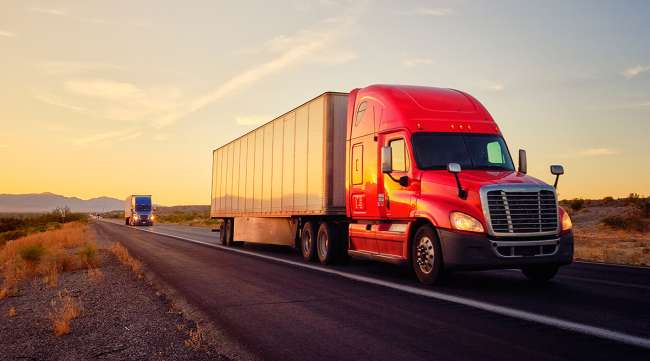
For fleet operators, speed limiters help reduce fuel costs, cut down accidents, and improve driver discipline. Insurance companies also look favorably on vehicles with speed-limiting tech.
Fleet owners can also track driver behavior, prevent speeding tickets, and stay compliant with government regulations.
Trusted Solutions from Resolute Dynamics
Resolute Dynamics is one of the top innovators in vehicle safety electronics. Their products include:
-
Standard and Adaptive Speed Limiters
-
School Bus Safety Limiters
-
Dual-Speed Terrain-Based Limiters
-
GPS Tracking Devices
-
Smart Workshop Monitoring Tools
Their systems are already trusted across the UAE, Africa, Asia, and North America.
Frequently Asked Questions (FAQs)
Q: Can I remove or disable a speed limiter?
A: In most places, disabling a limiter is illegal and could lead to fines or failed inspections.
Q: How much does a speed limiter cost?
A: It depends on the type and vehicle. Basic models cost less, but adaptive systems offer more value long-term.
Q: Can I install it myself?
A: It’s best to get it done by a professional to ensure safety and certification.
Conclusion: Safer Roads Start With Smarter Limits
Choosing the right speed limiter isn’t just about ticking a box—it’s about making roads safer for everyone. Whether you drive a school bus or a fleet truck, the right limiter brings peace of mind, lower costs, and full compliance with local laws.
It’s a smart step toward safer, more responsible driving.