
Buying a speed limiter sounds simple—until it isn’t. I’ve seen so many drivers, fleet owners, and even school administrators rush into a purchase and regret it later. Whether you’re trying to improve road safety, follow regulations, or manage your fleet better, a speed limiter can make a huge difference. But only if you choose the right one.
Let me walk you through the most common mistakes people make when buying a speed limiter, and how to avoid them.
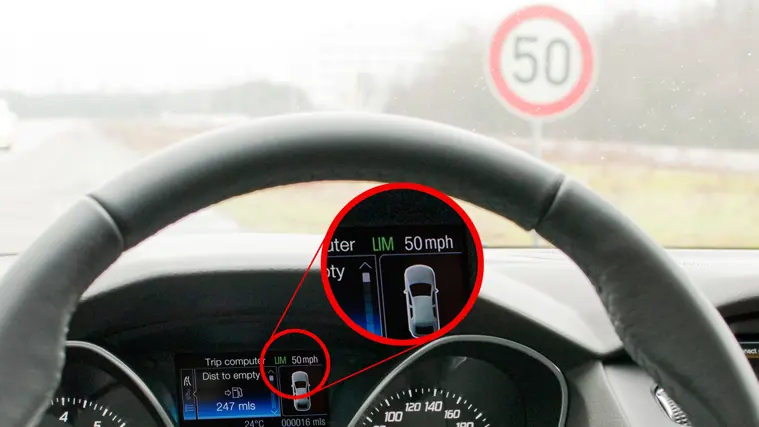
1. Not Understanding Local Legal Requirements
Every country—and sometimes even different regions—have their own rules about speed limiters. If you’re buying one just because it seems like a good idea, but haven’t looked into what the law says in your area, you’re setting yourself up for trouble.
Some places require a speed limiter certificate to show that the device meets government standards. Others only allow certain types of limiters, like those that can’t be tampered with. For example, school buses in many countries are legally required to have a certified speed limiter installed.
Tip: Before you buy anything, check your local traffic authority’s rules. If you’re a fleet operator, this isn’t optional—it’s mandatory.
2. Choosing the Wrong Type of Speed Limiter
One of the biggest mistakes I see people make is assuming that all speed limiters do the same job. They don’t. Picking the wrong type for your vehicle or driving environment can lead to poor performance, frustrated drivers, and even safety risks.
There are several types of speed limiters, and each is designed for a specific kind of vehicle, terrain, or driving condition. Let’s break them down and explore when and why each one matters.
Single-Speed Limiters: Simple and Reliable
A single-speed limiter, sometimes called a fixed speed limiter, is the most basic type. It sets a hard maximum speed — for example, 80 km/h — and doesn’t allow the driver to go beyond that limit, no matter what.
These are widely used in:
-
Dedicated speed limiter solution for school buses
-
City delivery vans
-
Older commercial vehicles
-
Government fleets with strict speed rules
They’re easy to install and cost-effective. But the trade-off is flexibility. If your vehicle goes from city to highway or through varying elevations, this fixed limiter could cause performance issues, especially on inclines.
Best for: Vehicles that operate in low-speed zones or predictable routes.
Dual-Speed or Multi-Speed Limiters: Smarter for Varying Routes
Now, if your vehicles travel across different terrain types or switch between urban and highway environments, a dual-speed limiter is a much better option. This type allows two preset speed limits — say, 50 km/h in city zones and 100 km/h on highways — and can switch automatically based on driver input or GPS location.
Some systems even go a step further and offer multi-speed presets that the fleet manager can program based on route or vehicle type. For example:
-
Urban deliveries can be capped at 60 km/h
-
Inter-city logistics can allow 100–120 km/h
-
Restricted industrial zones can be capped at 30 km/h
A dual-speed limiter with terrain-based dual speed limiter (like the one Resolute Dynamics offers) takes this even further by adjusting the limiter dynamically based on road gradient or terrain data. This is extremely helpful in places with hilly terrain, steep descents, or mountain routes, where maintaining safe and fuel-efficient speeds is critical.
Best for: Fleets that cross cities, highways, and varying elevation levels — like logistics companies, inter-city buses, or emergency vehicles.
Adaptive Speed Limiters: Intelligent, Real-Time Control
Then there’s the top-of-the-line option — the adaptive speed limiter. These systems use GPS, real-time traffic data, and speed zone recognition to control the vehicle’s speed based on where it is and what the local rules are.
Some adaptive systems can:
-
Recognize and obey real-time posted speed limits
-
Adjust speeds in school zones, construction areas, or weather-affected zones
-
Integrate with ADAS (Advanced Driver Assistance Systems) for even better safety
Adaptive limiters are growing in popularity due to advancements in smart cities, IoT integration, and vehicle telematics. They also help companies meet compliance requirements for safety and emissions regulations in countries that demand higher standards for fleet management.
Best for: High-tech fleets, public transport systems, and companies investing in future-proof vehicle safety.
Choosing the Right Type: Think Application, Not Just Price
The mistake many buyers make is choosing based on price instead of purpose. A school administrator might try to save money by installing a single-speed limiter in a fleet that runs between cities. Or a fleet manager may go for a cheap fixed limiter when their vehicles run across mixed terrains.
Here’s what you should consider:
-
Driving environment – Urban, highway, hilly, mixed?
-
Vehicle type – Heavy-duty truck, school bus, light van?
-
Compliance level – Is regulatory approval or certification needed?
-
Technology readiness – Does your vehicle support GPS integration?
Buying the cheapest limiter might save money today, but it could cost more tomorrow in fuel inefficiency, legal non-compliance, or even mechanical stress on the engine.
Key takeaway: Match the limiter to your vehicle usage, not your budget.
3. Ignoring Terrain-Based or Adaptive Features
A lot of people still think a speed limiter is just a device that puts a hard stop on how fast a vehicle can go. While that’s partly true, modern speed limiters have gotten a lot smarter in the last few years. Today’s systems don’t just limit speed—they help manage it in real time, based on where you are, how the road looks, and even what the traffic is doing.
If you’re still using old-school fixed speed limiters or skipping advanced options to save money, you’re likely missing out on fuel efficiency, engine protection, better route safety, and even regulatory compliance.
Let’s explore how terrain-based and adaptive speed limiters work, and why they’re worth considering.
What Is a Terrain-Based Speed Limiter?
A GPS-linked speed limiter with terrain adaptation uses GPS and digital mapping data to adjust the vehicle’s maximum speed depending on the surrounding landscape.
For example:
-
On flat highways, the limiter might allow up to 100 km/h
-
On a steep downhill, it might restrict the speed to 60 km/h to prevent over-speeding
-
In mountainous areas, the system may lower speed for safety and engine load management
These systems are often integrated with inclinometers, ECU sensors, or terrain mapping databases to calculate road grade in real time.
How it works:
-
The system detects a change in road incline or terrain using GPS or accelerometer data
-
It then automatically adjusts the speed cap based on pre-configured safety thresholds
-
The driver does not need to manually intervene — the limiter takes care of it on the fly
Who needs it?
-
Logistics companies operating in hilly or mountainous regions
-
Long-haul truckers facing terrain-based wear and tear
-
Fleets carrying heavy cargo, where braking distance and gravity affect control
Skipping this feature can cause engine strain, overheating, and higher brake wear.
What Is an Adaptive Speed Limiter?
An adaptive speed limiter (ASL) goes a step beyond terrain-based systems. It doesn’t just respond to slope or terrain—it reacts to:
-
Speed limits on road signs
-
Urban zones, like school areas or construction sites
-
Weather conditions (in advanced systems)
-
Live traffic and congestion data
-
Geofencing (where limits change by location)
These systems are powered by a mix of GPS, camera sensors, map data, and cloud-based updates. Some also integrate with ADAS (Advanced Driver Assistance Systems) to combine speed control with other safety features like lane keeping and emergency braking.
Features of adaptive limiters:
-
Dynamic response to changing speed zones
-
Automatic slowdown in restricted areas
-
Driver override alerts if the vehicle nears the maximum safe speed
-
Integration with fleet management systems for reporting
Use Cases:
-
School transportation vehicles that operate across different safety zones
-
Public buses and ride-share fleets in urban areas
-
Smart cities requiring real-time compliance with changing speed regulations
-
Companies aiming for green driving practices and sustainability metrics
Why Ignoring These Features Is a Costly Mistake
Most people ignore terrain-based or adaptive features because they think they’re “extras” or too advanced. But here’s what you’re actually giving up when you skip them:
1. Wasted Fuel
Constant speeding up and slowing down on slopes wastes fuel. Adaptive and terrain-based systems help optimize engine performance, keeping RPMs steady and fuel usage low.
2. More Wear and Tear
Your engine, brakes, and transmission suffer more when the vehicle isn’t matched to the driving environment. Speed limiters that adjust to terrain reduce stress on key components.
3. Unsafe Driving Behavior
If drivers have too much control, especially in risky zones or downhill areas, the chances of speeding violations and accidents go up. Smart limiters help enforce consistent, safe speeds.
4. Missed Compliance Opportunities
In many regions, speed adaptation is becoming a requirement for fleet certification. Vehicles without GPS-based or adaptive limiters may soon be considered non-compliant.
5. Poor Fleet Management Data
Without adaptive limiters, fleet managers can’t easily track speed compliance by zone, terrain, or driver behavior. That means lost opportunities for data-driven improvements.
Key Features to Look For in Smart Speed Limiter Systems
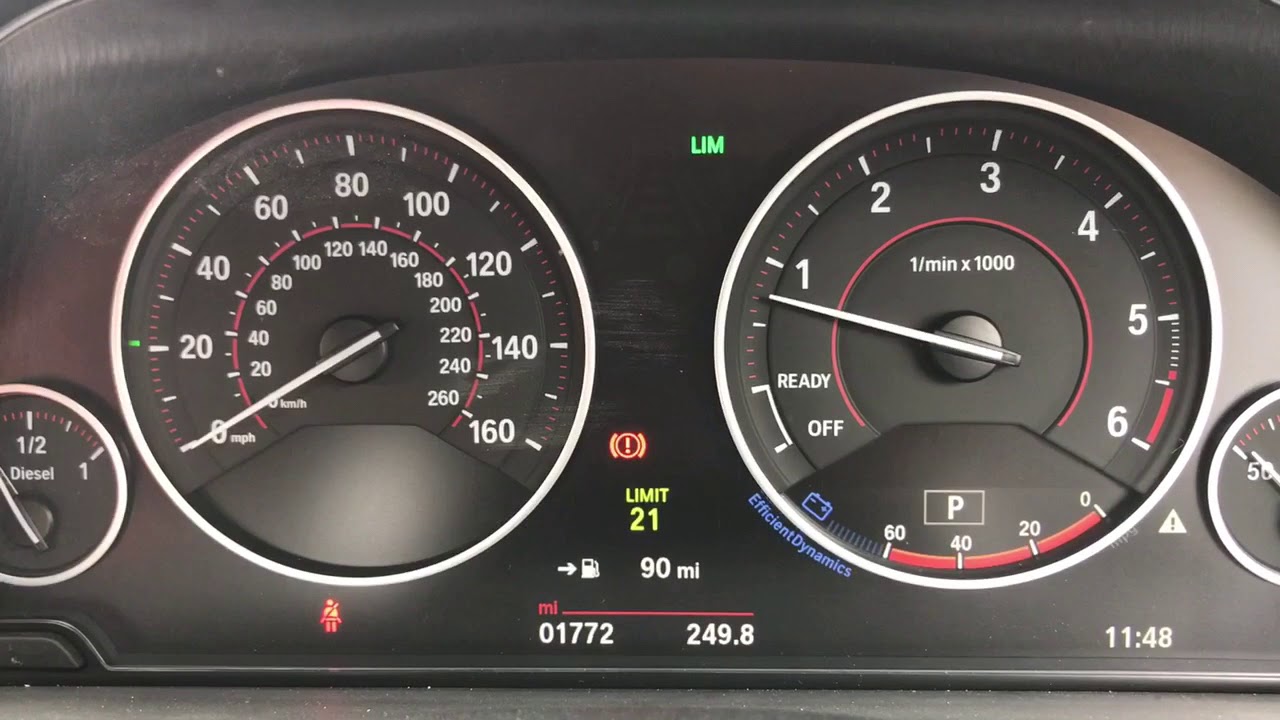
If you’re shopping for a limiter with advanced features, look out for:
-
GPS-based speed calibration
-
Dual-zone or geo-fencing capabilities
-
Terrain sensitivity (slope detection)
-
Integration with telematics and fleet dashboards
-
Cloud update compatibility
-
Tamper protection and override alerts
Brands like Resolute Dynamics offer such advanced terrain-based and adaptive speed limiter systems tailored for school buses, heavy trucks, and smart fleets.
4. Buying From an Unverified or Non-Certified Supplier
There’s no shortage of shady suppliers selling cheap, low-quality speed limiters online. They might look fine on the outside, but without proper certification or testing, they can be:
-
Unreliable
-
Easy to tamper with
-
Non-compliant with government standards
You get what you pay for. And in this case, a bad decision could lead to legal trouble or accidents.
Stick with trusted manufacturers like Resolute Dynamics, who provide quality assurance and have a strong global presence.
5. Overlooking GPS Integration and Fleet Tracking
A standalone speed limiter does its job—but pairing it with a GPS tracking system opens up a whole new world of control.
With GPS integration, you can:
-
Track driver speed in real-time
-
Set geo-fenced speed rules
-
Monitor fleet behavior and generate reports
If you run a transport company or even manage a school fleet, this feature is invaluable.
Don’t miss the chance to make your system smarter.
6. Not Considering Installation and After-Sales Support
Many people make a big mistake when buying a speed limiter: they only focus on the product, not what comes after. You can spend top dollar on the best limiter in the market, but if it’s not installed properly or if you don’t get help when things go wrong, it could all go to waste.
The installation process and after-sales support are just as important as the speed limiter itself.
Why Proper Installation Is Non-Negotiable
Speed limiters are not like plug-and-play gadgets. They interact directly with your vehicle’s electronic control unit (ECU), throttle system, and in some cases, the GPS module or CAN bus network. Even a small installation mistake can throw off how the whole system works.
Risks of Improper Installation:
-
Signal interference – Speed limiter signals can clash with existing vehicle sensors if not wired correctly.
-
ECU malfunction – A wrong input into the ECU may cause engine faults or limp mode.
-
Speed override loopholes – A poor setup might leave backdoors that allow drivers to bypass the limiter, especially in commercial fleets.
-
Inconsistent limiter response – Speed might not be cut off at the correct limit, defeating the whole purpose.
-
Dashboard warning lights – Improper calibration can trigger error codes or constant check engine warnings.
And let’s not forget warranty issues. A DIY installation or one done by an unqualified mechanic may void the manufacturer’s warranty—not just for the limiter, but for the vehicle itself.
What a Professional Installation Should Include
If you’re serious about safety, compliance, and long-term reliability, always go for a provider who offers factory-trained installation services.
Here’s what a professional installation typically includes:
-
Full vehicle compatibility check (especially for complex ECUs)
-
Secure wiring and shielding to avoid signal loss or shorts
-
Integration with OBD-II ports, throttle actuators, or digital speed sensors
-
Proper mounting of GPS antenna (for GPS-enabled systems)
-
Software calibration to match speed limits per regulations
-
Post-installation testing and diagnostics
-
Delivery of installation reports or certification of compliance
Trusted companies like Resolute Dynamics provide professional setup tailored to your vehicle make and use case—whether it’s a school bus, heavy truck, or light commercial vehicle.
After-Sales Support: What You Should Expect
Speed limiters aren’t just install-and-forget devices. Over time, you may face:
-
Firmware issues
-
System updates
-
Performance tuning needs
-
Tampering attempts
-
Inspection failures due to calibration drift
If your supplier doesn’t offer proper after-sales support, you’ll be left searching for help when something goes wrong. That means downtime, failed inspections, and frustrated drivers.
Good after-sales support should offer:
-
Remote diagnostics and firmware updates
-
On-call technical help
-
Replacement parts or hardware swap programs
-
Annual calibration checks
-
Documentation assistance (e.g., for inspections or insurance)
-
Training for your in-house fleet or maintenance teams
And for fleet owners, support should extend to multi-vehicle coordination, where one provider manages the setup and servicing of multiple units across regions.
Why Some Buyers Skip Support (and Regret It Later)
Usually, people avoid professional installation and support because:
-
They want to save money
-
They assume it’s easy to install
-
They think they won’t need future assistance
But the hidden costs of poor installation or lack of support can be huge. One misstep in wiring or a missed software update can cause:
-
A vehicle breakdown
-
A compliance violation
-
A fine from road authorities
-
Or even a safety incident
What’s worse is that many roadside inspections now require not just the limiter, but proof of professional calibration and certification. If your system wasn’t installed or maintained correctly, you may not pass.
How to Choose the Right Provider (Checklist)
Before you buy, ask your supplier:
-
Do you offer certified installation?
-
Will I receive a compliance certificate after setup?
-
Do you provide calibration reports?
-
What kind of technical support do you offer?
-
How do you handle updates and firmware?
-
Can I call for on-site servicing if something goes wrong?
-
Are your installers trained for my vehicle model or ECU system?
If the answer is “no” to most of these, it’s best to keep looking.
7. Focusing Only on Price, Not Total Cost of Ownership
Cheap speed limiters often come with hidden costs: poor durability, frequent breakdowns, no support, or limited features.
Think beyond the price tag:
-
How long will it last?
-
Is it covered by warranty?
-
Can you easily replace parts?
-
What’s the cost of repairs?
A high-quality limiter might be more affordable in the long run.
8. Forgetting to Check Vehicle Compatibility
Not all speed limiters work with all vehicles. Some older vehicles don’t support electronic ECUs, and some modern limiters don’t work well with analog systems.
Before buying, make sure the speed limiter is fully compatible with your vehicle model, make, and year.
Ask the supplier about customization options if you run a mixed fleet.
9. Not Requesting Compliance or Calibration Certificates
After installation, you should receive a compliance certificate and, in some cases, a calibration report.
These documents are important for:
-
Roadside inspections
-
Fleet audits
-
Insurance claims
-
School bus or public transport verification
Without them, it’s your word against the inspector’s.
10. Not Planning for Fleet Growth or Scalability
If you manage a fleet, think ahead. Will you be adding more vehicles in six months? Will they be different models?
Choose a speed limiter system that’s:
-
Modular
-
Scalable
-
Easy to replicate across multiple vehicles
Invest once. Expand easily.
Quick Checklist to Help You Choose the Right Speed Limiter
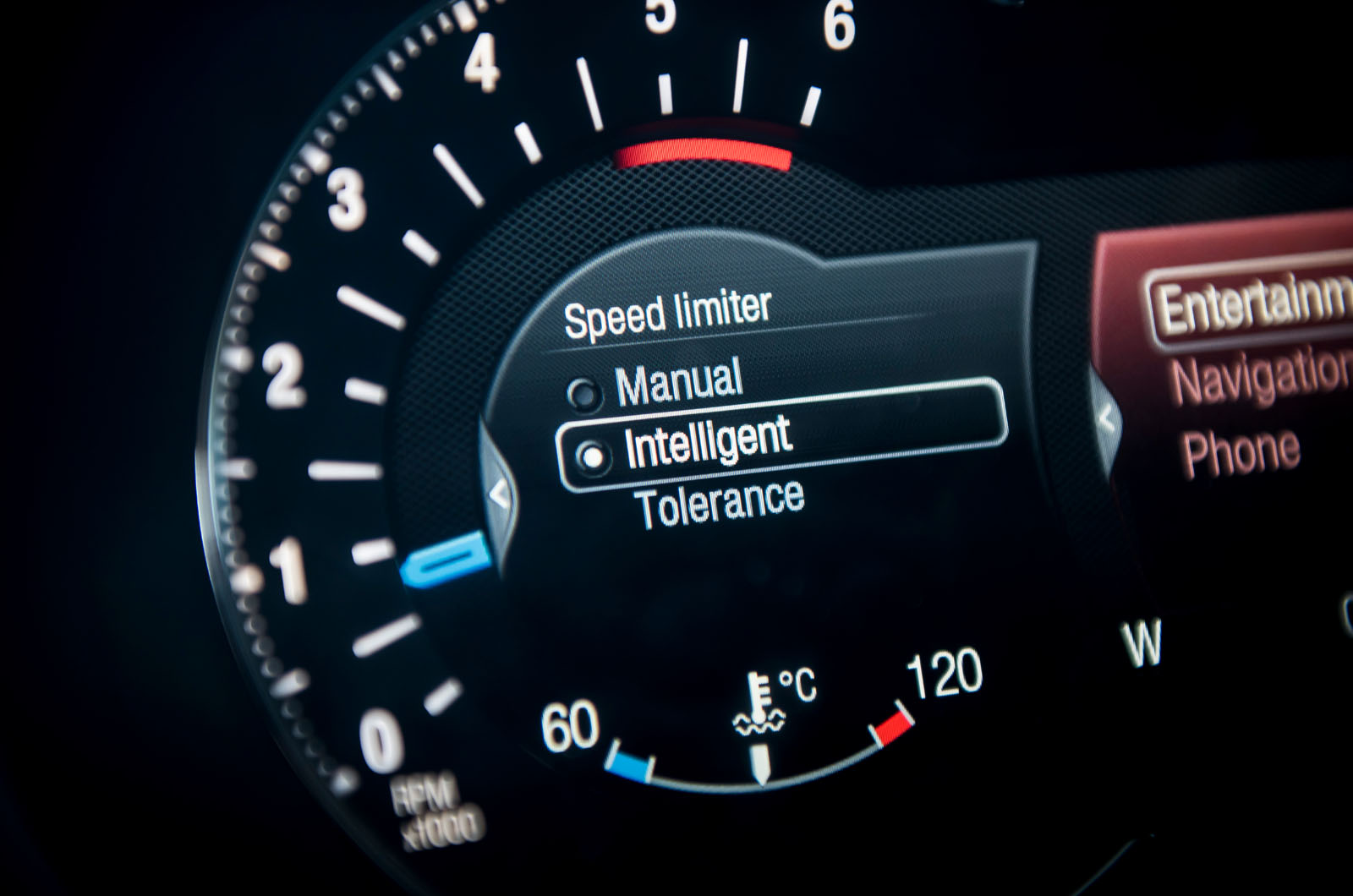
Here’s a simple checklist before you make a purchase:
-
Does it meet local legal standards?
-
Is it the right type for your vehicle and use case?
-
Does it offer smart features like GPS or terrain adaptation?
-
Is the supplier verified and certified?
-
Can it be integrated into a fleet management system?
-
Will it be installed by professionals?
-
Is the total cost (including support) within your budget?
-
Is it compatible with your vehicle’s system?
-
Will you receive a compliance certificate?
-
Can it scale with your fleet?
Final Thoughts
Buying the right speed limiter isn’t just about compliance. It’s about safety, control, and peace of mind. Whether you’re a parent responsible for a school bus fleet or a logistics manager handling dozens of trucks, avoiding these mistakes will save you time, money, and a lot of stress.
When in doubt, ask questions. Talk to professionals. And always go with a solution that’s built for the road ahead.