
When you’re responsible for a vehicle—or an entire fleet—safety isn’t just a priority; it’s a necessity. Speed governors, also known as speed limiters, are essential tools that help prevent accidents, protect lives, and keep vehicles operating within legal speed limits. But not all speed governors are created equal. Some are basic, while others come packed with smart features designed for today’s complex driving environments.
Let’s walk through what truly matters when you’re choosing a speed governor, whether it’s for a school bus, delivery truck, or a fleet of passenger vehicles.
Why Choosing the Right Speed Governor Matters
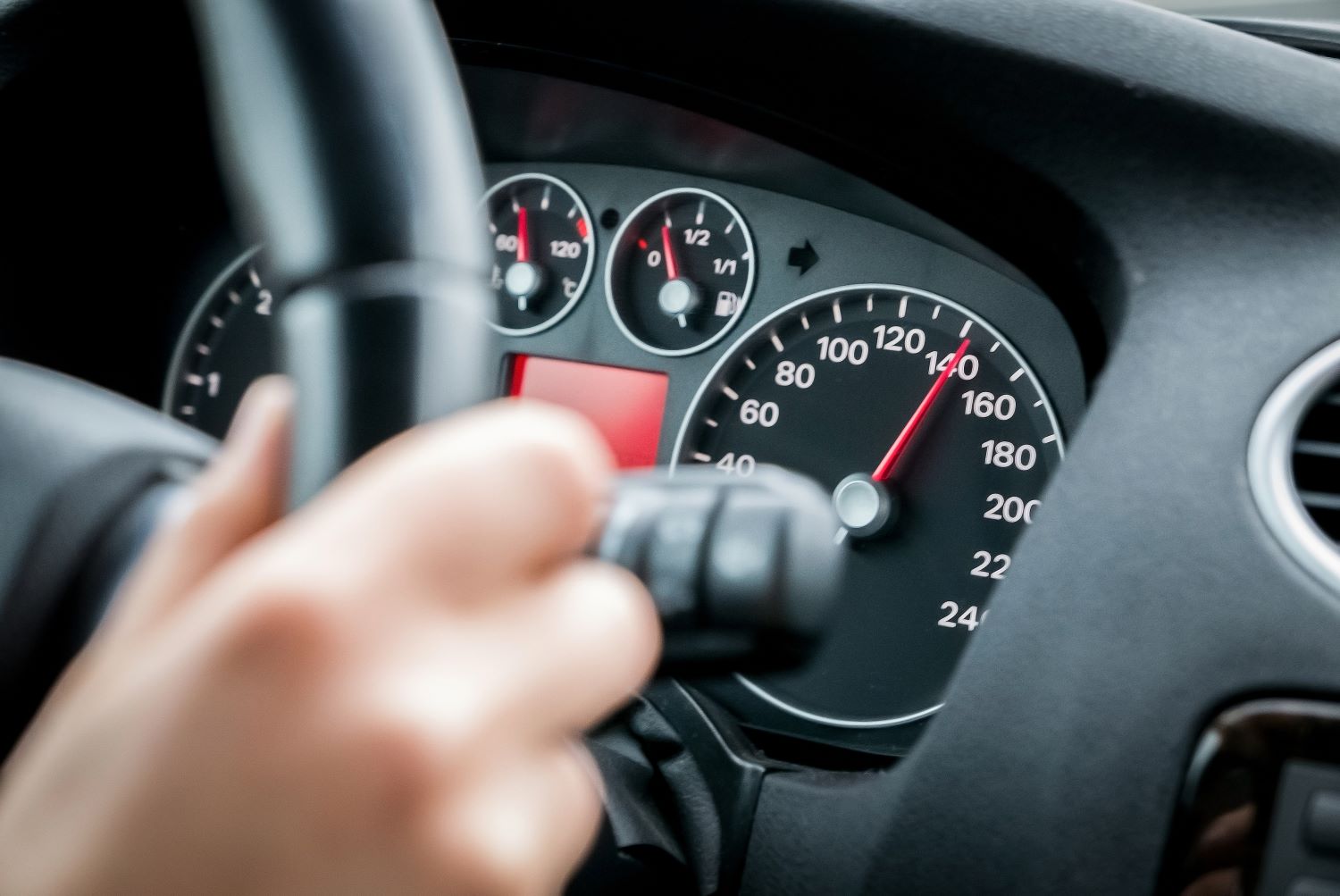
Speed is one of the leading causes of road accidents worldwide. A speed governor doesn’t just stop your vehicle from going too fast—it protects people. In many countries, especially in commercial transport and school buses, installing a speed limiter is a legal requirement.
But beyond regulations, it’s also about driver accountability, vehicle efficiency, and long-term cost savings. The right speed governor helps reduce wear and tear on engines, lowers fuel consumption, and can even lower insurance premiums.
What Is a Speed Governor and How Does It Work?
A speed governor, also called a speed limiter, is a vehicle safety device that controls how fast a vehicle can go. Its main purpose is to prevent overspeeding, which is a leading cause of road accidents worldwide. Whether it’s a school bus, delivery van, or heavy-duty truck, an advanced vehicle speed governor helps ensure the vehicle stays within a safe, pre-set speed—no matter how hard the driver presses the accelerator.
Top Features to Look for in a Speed Governor
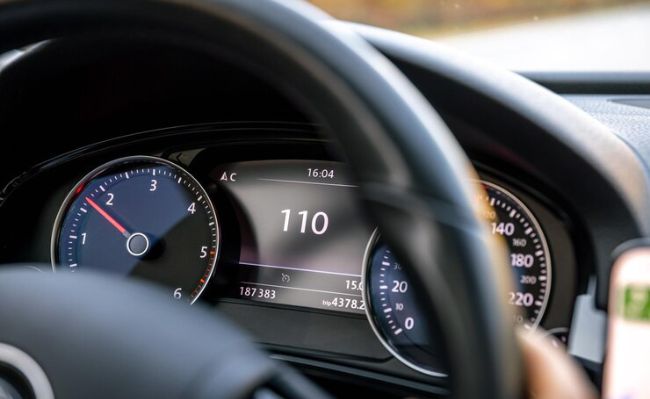
When it comes to choosing a speed governor, you’re not just picking a device—you’re investing in road safety, compliance, vehicle performance, and operational control. Here’s a breakdown of the top 10 features every buyer should understand in detail before making a decision.
1. Precision Speed Limiting
Not all speed governors are created equal. A basic limiter might cut speed at an approximate level, but a high-precision system offers exact control—often down to ±1 km/h accuracy.
This matters because real-world driving is dynamic. Heavy loads, steep inclines, or aggressive acceleration can cause older systems to fluctuate or fail to hold speed consistently. A quality governor uses high-frequency sensors and real-time throttle control to maintain a consistent speed, even when conditions change.
Look for features like:
-
Digital speed calibration
-
Automatic correction for slope or load
-
Stable performance at high RPMs
Precision helps ensure you meet legal limits without sacrificing performance, especially important in commercial fleets or long-haul transport.
2. Dual or Terrain-Based Speed Limiting
A one-size-fits-all approach doesn’t work on today’s roads.
A dual speed limiter system, also called a multi-speed limiter, uses GPS and route logic to apply different speed limits based on location, road type, or region. For instance:
-
60 km/h in city zones
-
80–100 km/h on highways
-
40 km/h in school or industrial zones
These systems rely on geofencing, allowing them to adjust speeds automatically. They’re perfect for:
-
School buses entering residential areas
-
Cargo trucks switching between urban delivery and expressways
-
Utility fleets navigating mixed terrains
Benefits:
-
Zero driver input required
-
Better fuel optimization
-
Higher legal compliance in variable-speed jurisdictions
3. Tamper-Proof Design
Unfortunately, tampering is still common—especially when drivers try to bypass speed controls. That’s why tamper resistance is a critical feature.
Modern speed governors are built with fail-safe mechanisms and event logging systems. If the unit is unplugged, rewired, or reprogrammed, it will:
-
Log the tamper attempt with a time and date stamp
-
Alert the fleet manager via mobile or dashboard
-
Trigger a safety response (e.g., limit speed to 30 km/h or disable ignition)
You should insist on a system that has:
-
Encrypted firmware
-
Tamper-proof sealing or epoxy-enclosed modules
-
Over-the-air diagnostics
In many countries, tamper detection is now a legal requirement under road safety regulations like AIS-018 or ECE-R89.
4. GPS Integration
Today’s top-tier speed governors come with built-in GPS or external GPS connectivity. Why? Because location-aware devices offer vastly more control and oversight.
GPS-enabled systems allow you to:
-
Monitor vehicle speed and location in real-time
-
Apply zone-based speed limits using map overlays
-
Set geofencing alerts (e.g., alert when the vehicle leaves a designated area)
-
View route history and behavioral data in the fleet dashboard
For fleet managers, this is gold. You get driver accountability, route optimization, and better control over unauthorized usage.
Some systems even integrate with AVL (Automatic Vehicle Location) platforms or government-mandated tracking systems.
5. Data Logging & Reporting
Every fleet needs data. A good speed governor should store and export data such as:
-
Over-speeding events
-
Distance traveled at max speed
-
Tamper logs
-
Acceleration patterns
-
Zone-specific violations
This data is essential for:
-
Driver training and coaching
-
Insurance compliance
-
Safety audits
-
Regulatory reporting
Look for a governor with onboard memory, cloud sync, or API integration with your fleet management system. Some also offer monthly PDF reports or CSV data export.
6. Ease of Installation & Compatibility
Time is money—especially in commercial operations. Your speed governor should be:
-
Compatible with a wide range of vehicle makes and models
-
Non-invasive (no deep ECU modifications)
-
Quick to install (ideally under 1 hour)
Some modern systems use plug-and-play harnesses that connect to OBD-II or CAN bus ports. This avoids the need for wire cuts or soldering.
Fleet operators should ask for:
-
Universal compatibility
-
Vehicle-specific kits
-
Step-by-step installation manuals
-
Local technician support
7. Durability and Environmental Resistance
If your vehicles operate in harsh environments—like desert heat, monsoon conditions, or off-road terrain—your speed governor needs to be rugged.
Key durability features to look for:
-
IP65 or IP67-rated casing (dust and water resistance)
-
Vibration-proof mounts
-
UV-resistant outer housing
-
Wide voltage range support for different vehicle batteries (12V/24V)
Durability ensures the device won’t fail in extreme temperature swings or rough driving conditions. This is especially important in regions like the Middle East, Africa, or Southeast Asia.
8. Customizable Speed Profiles
Not every route—or driver—requires the same settings. Advanced speed governors allow for custom speed profiles based on:
-
Driver ID
-
Vehicle type or cargo type
-
Time of day
-
Route history
These profiles can be switched automatically (through GPS) or manually (through driver interface). For example:
-
School buses = 40 km/h urban / 60 km/h highway
-
Cargo trucks = 60 km/h city / 80 km/h expressway
Benefits:
-
Tailored performance
-
Better safety by context
-
Reduced human error
Some systems also allow remote profile updates through the cloud or mobile app.
9. Compliance with Local/International Standards
A compliant speed governor isn’t just smart—it’s legal.
Check for:
-
AIS 018 (India)
-
ECE R89 (Europe)
-
GCC Regulations (UAE, Saudi Arabia, Oman)
-
FMVSS (USA)
These standards certify that the governor:
-
Delivers accurate speed control
-
Is tamper-resistant
-
Logs necessary data for audits
Ensure the manufacturer provides:
-
A Speed Limiter Certificate
-
A conformity report
-
Proper vehicle installation documentation (useful during inspections)
Lack of certification could result in fines, fleet suspension, or rejection from government tenders.
10. After-Sales Support & Warranty
Finally, no product is perfect—and when things go wrong, you need a reliable support team. Before buying, ask:
-
Is there local or regional service support?
-
What is the warranty period (typically 1–3 years)?
-
Are firmware updates included?
-
Is remote diagnosis or troubleshooting available?
Strong after-sales support includes:
-
Phone or email helpdesks
-
Mobile technicians for onsite service
-
Firmware patches for regulatory changes
-
Training for your drivers or in-house mechanics
Good support isn’t a luxury—it’s critical, especially for fleets with dozens or hundreds of vehicles.
Special Considerations for School Buses & Public Vehicles
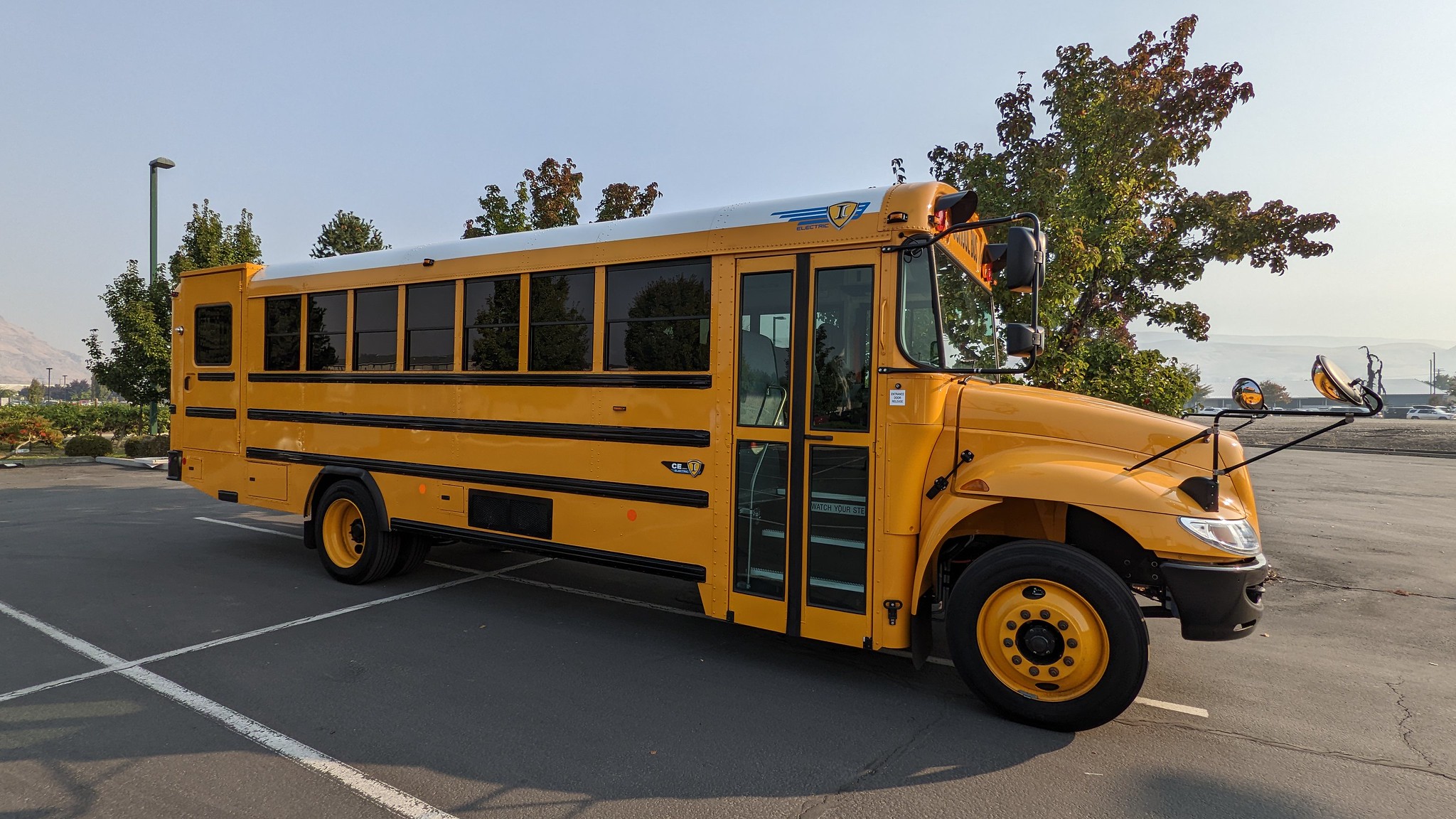
If you’re buying a speed governor for a school bus, consider a dedicated school bus safety solution where safety is non-negotiable.. Look for features like:
-
Speed alarms for sudden acceleration
-
Low-speed override for slow zones
-
Real-time alerts sent to parents or school administrators
-
Geo-fencing to make sure buses stay within assigned routes
Public transport vehicles also require detailed logging and tamper evidence, especially if they’re part of government contracts or regulated routes.
Comparison Table: Standard vs. Dual vs. Adaptive Speed Governors
| Feature | Standard Governor | Dual Speed Governor | Adaptive (Smart) Governor |
|---|---|---|---|
| Fixed Speed Limiting | yes | yes | yes |
| Terrain-Based Speed Control | no | yes | yes |
| GPS Integration | no | yes | yes |
| Data Logging | no | yes | yes |
| Custom Profiles | no | yes | yes |
| Best Use Case | Single Vehicle | Fleets/School Buses | Advanced Fleets/Smart Cities |
Frequently Asked Questions (FAQs)
Is a speed limiter mandatory in all countries?
No, but many regions require it for public transport, school buses, and commercial trucks. Always check your local regulations.
Can one device handle multiple vehicles?
Some high-end models allow cloning of profiles or remote control across multiple units. But each vehicle still needs its own installed device.
How do I know if the device is tampered with?
Good devices have tamper logs and alarms. Look for one with a dashboard or mobile app for real-time updates.
Do I need a certificate for my speed limiter?
Yes. Most transport authorities require a certified installation document for road compliance.
Conclusion: Make a Smarter, Safer Choice
Buying a speed governor isn’t just about ticking a legal box. It’s about protecting lives, cutting long-term costs, and building a responsible fleet. Whether you’re a fleet manager, school administrator, or an individual car owner, the right speed governor can make all the difference.
Always look for reliable features, proven performance, and strong after-sales support. And remember, a speed governor isn’t just a device—it’s your silent guardian on the road.