
Short Answer:
RPM regulators help vehicles in Malaysia save fuel by limiting engine revolutions per minute (RPM) during stop-and-go traffic. This keeps the engine from overworking, reduces fuel wastage, and improves efficiency—especially in urban areas like Kuala Lumpur and Johor Bahru, where traffic congestion is common.
The Fuel Economy Challenge in Malaysia
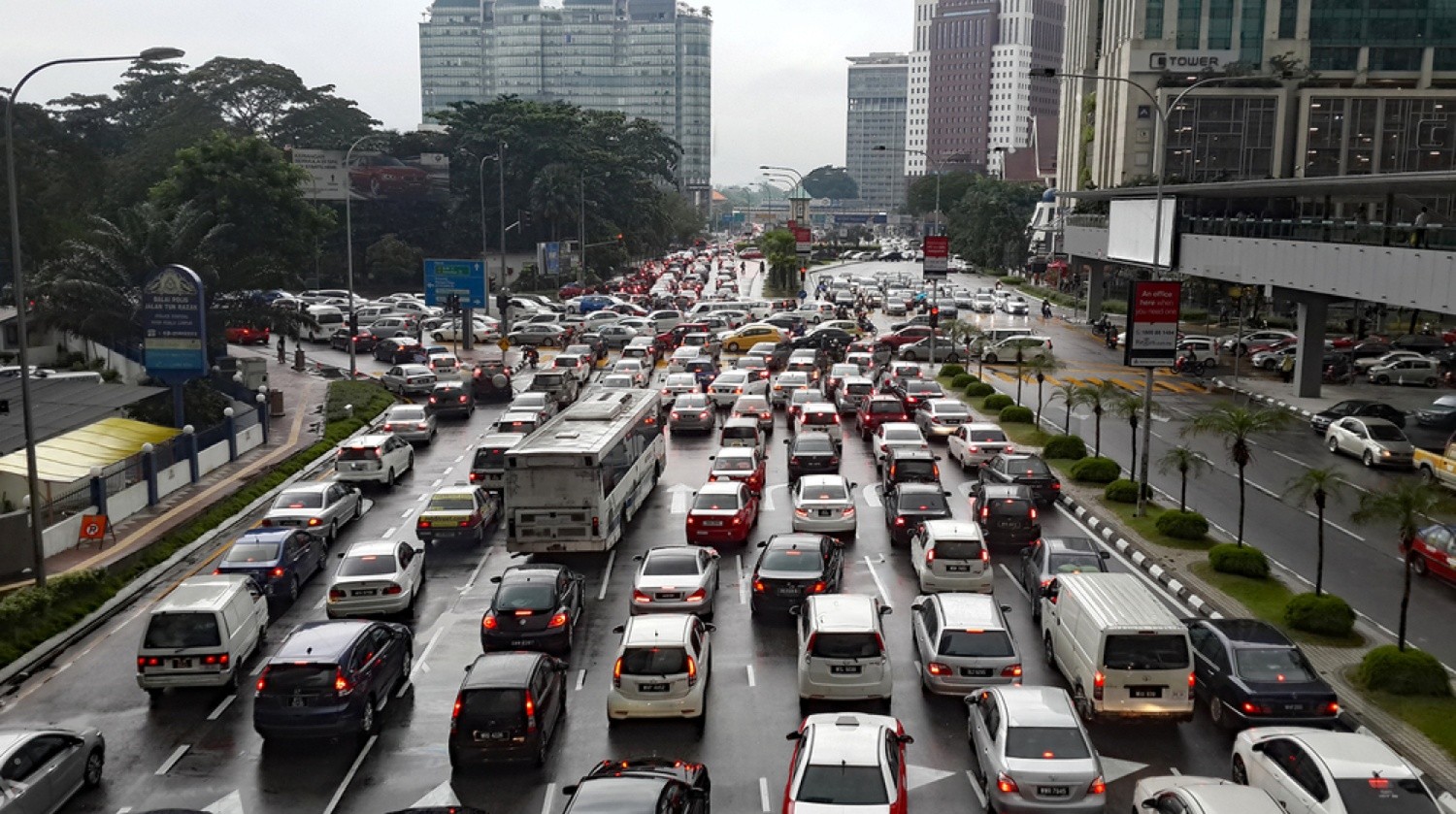
Fuel prices in Malaysia are rising, and traffic in cities like Kuala Lumpur, Penang, and Johor Bahru continues to slow drivers down. Every day, thousands of vehicles are stuck in stop-and-go traffic. In these conditions, engines burn more fuel than needed. Constant braking, accelerating, and idling lead to unnecessary fuel consumption.
For drivers and fleet managers, this is a real problem. Wasting fuel means wasting money. That’s where RPM regulators come in. These small but powerful devices can help reduce fuel use, cut emissions, and extend engine life—all by controlling the engine’s revolutions.
What is an RPM Regulator and How Does It Work?
An RPM regulator, also known as an engine RPM limiter or revolution control module, is a smart electronic system designed to manage how fast a vehicle’s engine spins — measured in Revolutions Per Minute (RPM). By keeping the engine within a specific RPM range, it prevents unnecessary fuel burn, reduces emissions, and prolongs engine life — especially in high-traffic environments like Kuala Lumpur, Penang, or Johor Bahru where vehicles constantly start and stop.
Understanding Engine RPM
Every internal combustion engine operates by converting fuel into motion through a series of controlled explosions inside the engine cylinders. The speed at which this happens is measured as RPM — revolutions per minute. Higher RPM typically means the engine is working harder, consuming more fuel, and generating more heat.
However, in many driving situations, especially in urban stop-and-go traffic, high RPM doesn’t always mean better performance. In fact, over-revving — when the engine spins faster than necessary — leads to:
-
Excessive fuel consumption
-
Increased carbon emissions
-
Faster wear and tear on engine components
-
Reduced mileage efficiency
How an RPM Regulator Works (Behind the Scenes)
An RPM regulator is installed as a middleware between the Electronic Control Unit (ECU) — the brain of the vehicle — and the throttle position sensor, which detects how much acceleration the driver is requesting.
Here’s how the system works:
-
Driver presses the accelerator pedal
-
Normally, this sends a signal to the throttle to open up, increasing engine RPM.
-
-
RPM regulator intercepts the signal
-
It checks the current engine RPM via inputs from the crankshaft position sensor.
-
-
If RPM exceeds the preset threshold, the regulator:
-
Limits the throttle opening electronically
-
Sends modified input to the ECU to reduce fuel injection or delay spark timing
-
Keeps the engine in its optimal powerband (usually between 1500–2500 RPM for fuel efficiency)
-
This smart control ensures that even if a driver presses hard on the gas pedal during traffic, the engine doesn’t overwork itself unnecessarily.
Key Functions of RPM Regulators
| Function | Description |
|---|---|
| RPM Threshold Setting | Allows fixed or programmable RPM limits (e.g. 2200 RPM) |
| Real-time Monitoring | Continuously monitors RPM signals from the engine |
| Throttle Control | Adjusts or limits throttle signal based on RPM feedback |
| Failsafe Mechanism | Prevents engine damage by cutting off fuel/spark at extreme RPMs |
| Integration Ready | Works with other vehicle systems like GPS tracking or speed governors |
RPM Regulator vs Speed Limiter: What’s the Difference?
It’s important not to confuse an RPM regulator with a speed limiter:
| Feature | RPM Regulator | Speed Limiter |
|---|---|---|
| Controls | Engine revolutions | Vehicle top speed |
| Focus Area | Engine performance | Road speed (km/h) |
| Use Case | Fuel efficiency, emission control | Safety, legal compliance |
| Traffic Usefulness | Excellent for stop-and-go traffic | Limited use in low-speed traffic |
In Malaysia, where traffic congestion is a daily reality, an RPM regulator makes more sense for urban fleets, public buses, taxis, and even private cars. By focusing on engine behavior rather than just vehicle speed, it addresses the root cause of fuel inefficiency in heavy traffic.
Why This Matters in Malaysia
Malaysia’s urban roads are known for congested highways, long traffic light cycles, and frequent idling. From the Federal Highway to the streets of downtown Georgetown, vehicles often stay stuck in first or second gear for long periods.
This is where an RPM regulator shines. It ensures:
-
No unnecessary revving while inching forward
-
Smoother throttle response for drivers
-
Less fuel wasted in low-gear driving
-
Lower CO₂ emissions in city centers
In short, an RPM regulator creates smarter driving behavior, even if the driver doesn’t change a thing.
Why Stop-and-Go Traffic Wastes Fuel
Stop-and-go driving is one of the least fuel-efficient conditions for any vehicle. Here’s why:
-
Frequent acceleration burns more fuel than steady driving.
-
Hard braking wastes the energy just used to move forward.
-
Idling keeps the engine running even when the car isn’t moving.
-
Revving while stuck in traffic causes unnecessary engine wear and high fuel usage.
In major Malaysian cities, this happens every day. School runs, delivery routes, office commutes—all involve lots of stops and starts. Without a system to manage engine behavior, fuel efficiency drops fast.
How RPM Regulators Improve Fuel Efficiency
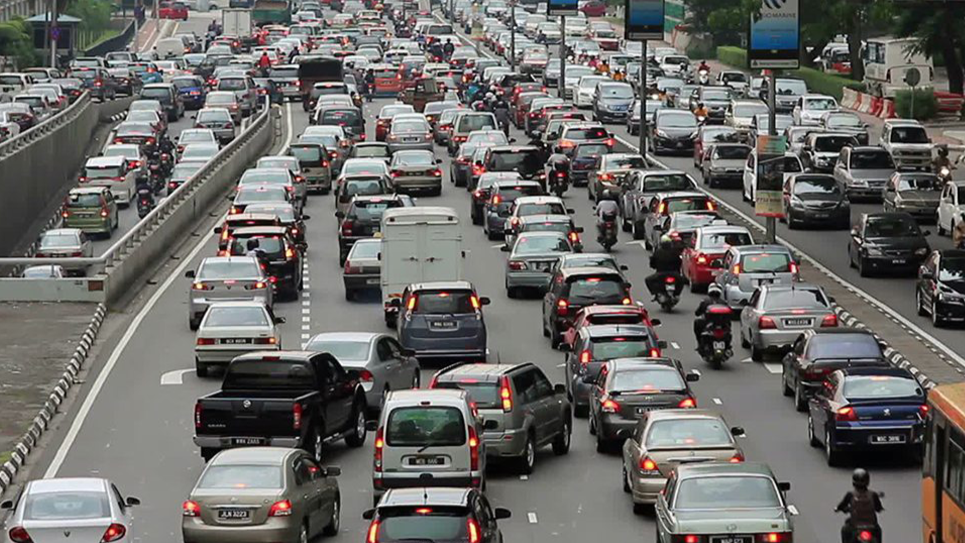
Fuel efficiency in a vehicle depends on how efficiently the engine burns fuel to produce motion. But in real-world driving — especially in Malaysia’s urban traffic — efficiency often takes a backseat. Start-stop movement, aggressive acceleration, and unnecessary engine revving all lead to one outcome: wasted fuel.
This is where RPM regulators play a crucial role. By keeping the engine’s revolutions per minute (RPM) within an optimal range, they make the combustion process more efficient, reduce mechanical strain, and cut down on fuel wastage.
Let’s break down exactly how RPM regulators improve fuel efficiency, especially in stop-and-go environments like Kuala Lumpur, Shah Alam, Penang, and Johor Bahru.
1. Prevents Over-Revving in Traffic
Over-revving occurs when a driver presses the accelerator aggressively, causing the engine to spin faster than necessary. In traffic jams, this does not improve speed — it simply burns more fuel, produces more emissions, and wears down the engine.
RPM regulators eliminate this behavior automatically. They cap the maximum RPM the engine can reach, usually around 2,200 to 2,500 RPM for urban driving. This ensures:
-
The engine doesn’t go beyond the peak torque band, where fuel consumption spikes.
-
Less fuel is injected per combustion cycle.
-
The driver experiences a smoother, more controlled acceleration pattern.
Example: A delivery van in KL revving up to 3,500 RPM during every traffic light jump will consume up to 20% more fuel than one capped at 2,200 RPM.
2. Controls Idle RPM to Minimize Wasted Fuel
Idling may seem harmless, but an idling engine still consumes fuel — without moving the vehicle an inch. In congested urban areas with frequent stops, idling can account for 10–25% of total engine run-time.
Most modern RPM regulators also control idle RPM by working with the idle air control valve or through the ECU to keep it at the lower end — often around 600–800 RPM, compared to 1,000+ RPM in unregulated engines.
Lower idle RPM means:
-
Less fuel burned while stationary
-
Reduced heat generation (lower cooling load)
-
Quieter engine behavior
-
Lower emissions, especially CO₂ and NOx
Fact: Reducing idle RPM by 200 can save 1 liter of fuel every 3–4 hours of idle time — which adds up quickly for fleet vehicles and buses.
3. Promotes Smoother, More Predictable Driving Behavior
Aggressive throttle inputs waste fuel. Sudden acceleration causes:
-
Rich fuel-air mixtures (more fuel per explosion)
-
Transmission stress
-
High RPM shifts that push the engine out of its efficiency range
RPM regulators help correct this automatically. By soft-capping engine RPM, they create a gentler throttle response. Drivers naturally begin to:
-
Accelerate more steadily
-
Maintain cruising RPM
-
Avoid unnecessary downshifts
This smoother driving:
-
Reduces fuel usage per kilometer
-
Improves driver comfort
-
Keeps engine RPM aligned with optimal fuel economy zones
This is especially beneficial in ride-hailing vehicles (e.g., Grab, Maxim, AirAsia Ride) that operate daily in unpredictable traffic conditions.
4. Reduces Power Surges and Fuel Spikes
In real-time driving, power surges occur when the engine suddenly demands more fuel due to unnecessary revving, even at low speeds. These spikes:
-
Burn more fuel per second
-
Stress the engine and transmission
-
Increase emissions unpredictably
RPM regulators prevent these surges by acting as a buffer layer between driver input and engine output. Instead of sharp bursts of power, the vehicle accelerates in a more measured, efficient curve.
This not only improves kilometers-per-liter (km/l), but also protects components like:
-
Fuel injectors
-
Spark plugs
-
Catalytic converters
Over time, this reduces maintenance costs, engine repair needs, and downtime for commercial fleets.
Real-World Fuel Savings with RPM Regulation
Several studies and field tests have shown the measurable impact of RPM control on fuel economy:
| Driving Condition | RPM Regulator Effect | Estimated Fuel Savings |
|---|---|---|
| Urban stop-and-go | Caps RPM & idle control | 10–15% improvement |
| Highway cruising | Stable RPM control | 5–8% improvement |
| Fleet vehicles | Multi-driver regulation | Up to 20% savings |
| Delivery vans | Prevents over-revving | 8–12% savings |
Malaysia Example: A fleet of 20 school buses in Selangor running with Resolute Dynamics’ RPM regulators reported up to RM 15,000/year in collective fuel savings by cutting high RPM driving during city routes.
Key Benefits of RPM Regulators in Malaysia
Let’s look at the practical benefits for Malaysian roads:
Fuel Savings
-
Less fuel used per kilometer, especially in urban areas
-
Reduced costs for fleet operators and long-distance drivers
Lower Emissions
-
Less fuel burnt means fewer carbon emissions
-
Helps meet Malaysia’s environmental targets for greener cities
Longer Engine Life
-
Prevents engine strain from over-revving
-
Reduces need for frequent maintenance and repairs
Cost-Effective Investment
-
Affordable installation
-
Quick return on investment (ROI) through fuel savings
-
Works well with other solutions like speed limiters and GPS tracking
Use Cases in Malaysia
Malaysia’s road conditions are uniquely challenging. From long traffic jams in Kuala Lumpur to slow-moving vehicles on Penang Bridge, drivers across the country deal with frequent braking, idling, and stop-start traffic flow — all of which reduce fuel efficiency and increase wear on vehicle engines.
RPM regulators are particularly valuable in these conditions. Here’s how they provide real-world benefits across different vehicle categories in Malaysia:
Public Transport (City Buses, School Buses, Shuttle Vans)
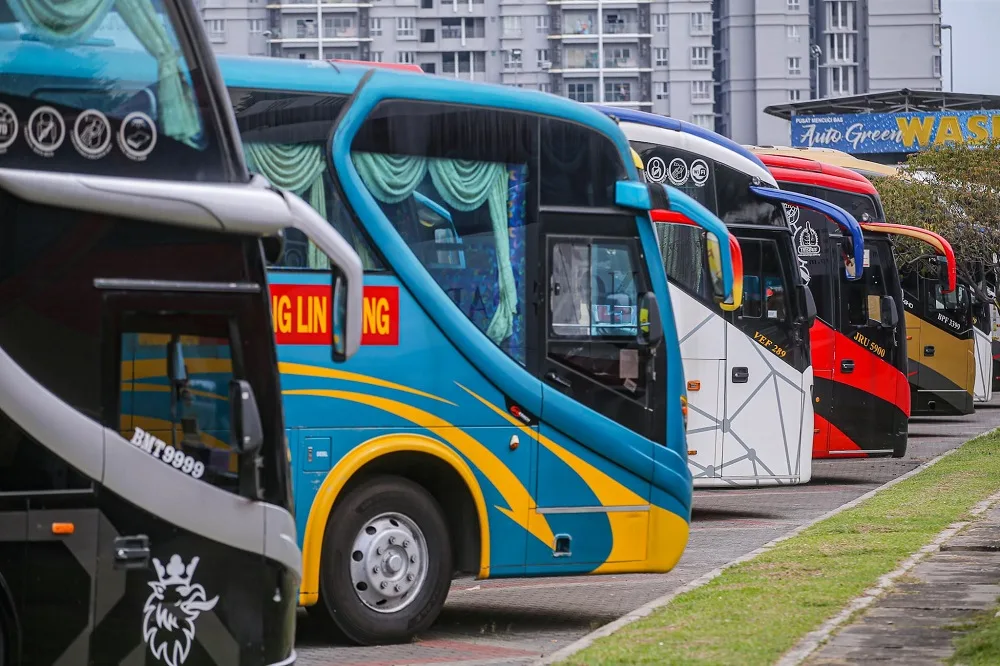
Use case: Long hours of low-speed travel, heavy idling, multiple stops per route.
Urban buses in cities like Kuala Lumpur, Petaling Jaya, and George Town typically operate in low-speed, high-density traffic corridors. They frequently stop at traffic lights, passenger pickups, and interchanges. These driving patterns lead to:
-
High idle time
-
Constant low-gear operation
-
Frequent engine revving due to heavy foot traffic and quick departures
How RPM Regulators Help:
-
Limit engine revs during idling and gear changes
-
Prevent over-revving when leaving bus stops or terminals
-
Reduce diesel fuel consumption significantly (especially important as diesel prices rise)
Benefit to operators:
-
Lower fuel bills for city bus fleets (e.g., RapidKL, city council buses)
-
Reduced emissions → better compliance with JPJ environmental guidelines
-
Smoother engine operation → less maintenance and fewer breakdowns
Example: A school bus operator in Subang Jaya fitted RPM regulators in 10 buses and reported a 13% decrease in monthly fuel costs and fewer visits to the workshop due to engine overheating.
Logistics and Delivery Fleets
Use case: Stop-heavy delivery routes, time-sensitive drop-offs, urban and suburban coverage.
Malaysia’s booming e-commerce sector has increased demand for delivery fleets, especially in high-traffic zones like Shah Alam, Klang, and Bangsar South. Courier vans and trucks from companies like J&T Express, DHL, and Ninja Van often face:
-
Tight delivery windows
-
Driver pressure to speed between stops
-
Fuel waste due to frequent acceleration and deceleration
How RPM Regulators Help:
-
Enforce consistent RPM behavior across multiple drivers
-
Keep engine operation within fuel-efficient bands, even under load
-
Lower chances of engine strain from over-revving in congested lanes
Benefits to fleet managers:
-
Better fuel economy across all vehicles (a big win when managing 20+ units)
-
Safer, more uniform driving behavior regardless of driver skill
-
Increased engine life — vital for high-mileage delivery vehicles
Example: A Klang Valley logistics firm reduced diesel usage by RM 8,200/month across a 25-vehicle fleet after installing RPM regulators, according to internal telematics reports.
Ride-Hailing and Taxi Operators
Use case: High engine usage, long idle times, variable traffic conditions.
Taxi drivers and e-hailing operators (e.g., Grab, Maxim, InDrive) spend 8 to 12 hours a day behind the wheel. Whether they’re waiting for passengers in KLCC, circling airports like KLIA, or navigating Bukit Bintang’s heavy foot traffic, their vehicles constantly switch between idle, crawl, and quick acceleration.
How RPM Regulators Help:
-
Cap RPM during long idle periods while waiting for passengers
-
Smooth out gear shifts for better driving comfort and fuel control
-
Reduce high-RPM sprints between fares (common in peak hours)
Benefits for drivers:
-
More earnings by saving fuel and reducing daily operational costs
-
Less frequent engine overheating or spark plug wear
-
Easier to meet Grab/Maxim eco-driving performance metrics
Example: A Grab driver in Johor Bahru shared that he reduced his weekly petrol costs by RM 40–RM 60 after installing a programmable RPM regulator that limited his RPM to 2,200 in traffic.
Private Commuters
Use case: Daily commutes, school runs, errands — often in rush hour traffic.
The average Malaysian commuter spends over 1.5 hours a day in traffic, especially during morning and evening rush hours. With traffic bottlenecks on roads like Federal Highway, Sprint Expressway, and LDP, private drivers often experience:
-
Repeated stop-and-go patterns
-
Long idle times in traffic jams
-
Unintentional revving while creeping forward
How RPM Regulators Help:
-
Maintain optimal fuel usage during slow traffic
-
Reduce carbon emissions for eco-conscious drivers
-
Encourage smooth, efficient driving habits
Benefits for commuters:
-
Improved fuel mileage — especially in petrol vehicles
-
Longer engine and transmission life
-
Lower long-term ownership cost for daily drivers
Scenario: A working professional commuting from Puchong to Mid Valley installed an RPM limiter and saw an increase in fuel mileage from 10.8 km/l to 12.4 km/l in 3 months, thanks to reduced traffic-revving.
Resolute Dynamics RPM Regulator Technology
Resolute Dynamics offers advanced RPM regulators engineered with precision electronics and built for Malaysia’s traffic conditions. Features include:
-
Custom RPM settings
-
Seamless integration with ECU
-
Compatibility with dual-speed limiters
-
Smart alerts for performance tuning
-
Designed to comply with JPJ and automotive safety standards
Whether for fleets or individuals, these systems offer a modern solution for fuel-saving without sacrificing performance.
FAQs
Q: How much fuel can I save with an RPM regulator in Malaysian traffic?
Most users report 5%–15% savings, depending on traffic conditions and driving behavior.
Q: Will it affect my car’s performance?
No. It only limits unnecessary high RPMs. You’ll still get smooth, responsive driving.
Q: Is it expensive or hard to install?
Installation is quick and affordable, especially when installed by certified technicians.
Q: Can it be used with speed limiters or GPS tracking?
Yes. In fact, using it with Resolute Dynamics’ integrated systems boosts overall efficiency.
Conclusion & Call to Action
Malaysia’s roads aren’t getting less crowded anytime soon. But vehicle owners and fleet managers can fight rising fuel costs with smart, proven tech like RPM regulators. By limiting over-revving, these devices help engines work smarter, not harder—saving fuel, reducing emissions, and cutting costs.
Want to start saving fuel in your vehicles today?
Reach out to Resolute Dynamics and ask about their RPM regulator solutions tailored for Malaysian traffic.