
Keeping your vehicles safe and compliant on Singapore roads is not just smart—it’s the law. Whether you manage a school bus fleet, logistics trucks, or commercial vans, choosing the right Singapore speed limiter can make a big difference in safety, fuel savings, and meeting LTA regulations.
Let’s break down everything you need to know before you buy one.
Why Speed Limiters Matter in Singapore
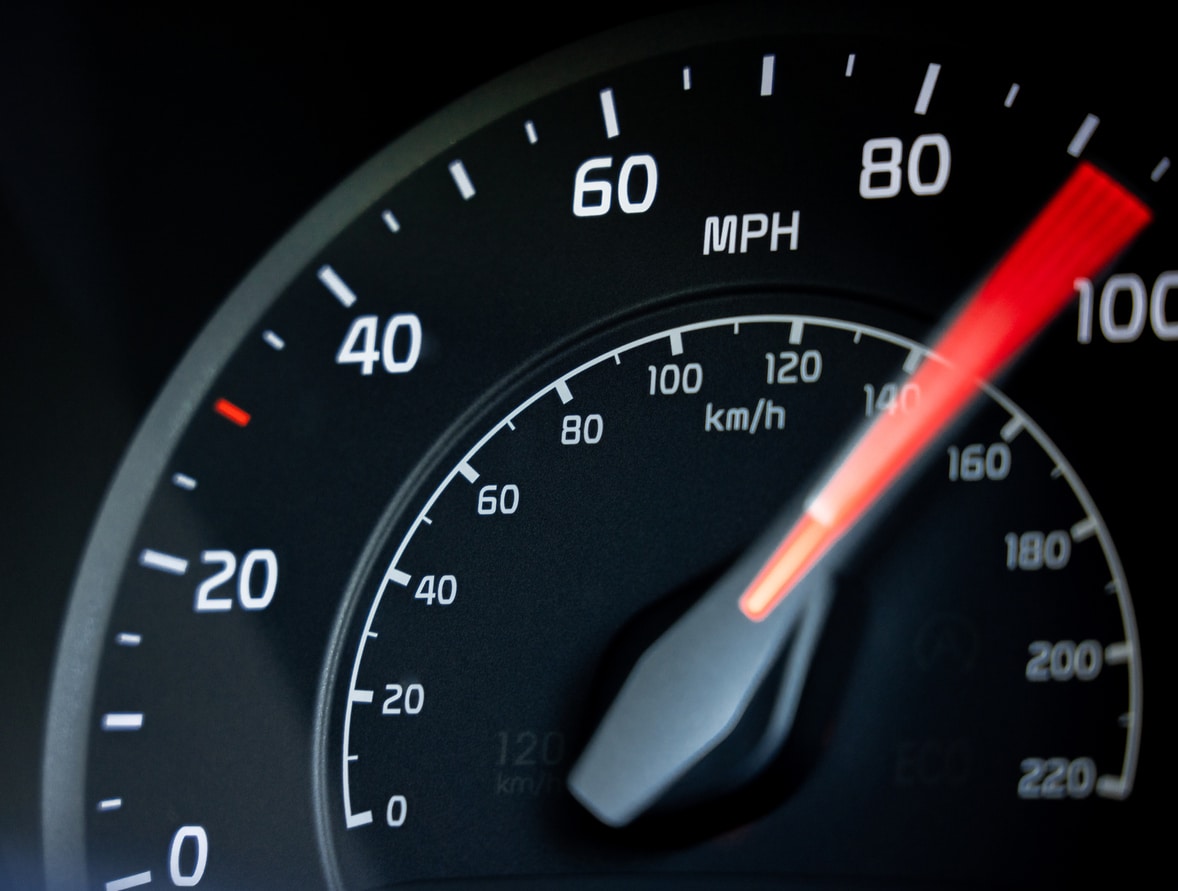
If you’re operating commercial vehicles in Singapore, speed limiter regulations aren’t just guidelines — they’re enforceable legal requirements. The Land Transport Authority (LTA) has clear rules in place for which vehicles must be equipped with approved speed limiting devices, how these devices must perform, and the legal consequences of non-compliance.
This section breaks it all down so you stay road-legal, operational, and fine-free.
Why Are Speed Limiters Regulated in Singapore?
Singapore is known for its strict traffic enforcement and zero-tolerance policies when it comes to road safety. In a city with dense traffic, heavy commercial movement, and vulnerable road users, speed limiters play a critical role in:
-
Reducing road accidents
-
Preventing over-speeding of heavy vehicles
-
Ensuring safe transport of school children
-
Supporting the Vision Zero initiative (a national goal to eliminate traffic fatalities)
To enforce this, the LTA requires certain vehicle types to be fitted with speed limiters that meet specific technical and safety standards.
Which Vehicles Must Have Speed Limiters?
Under current LTA rules, the following categories of vehicles must be equipped with an approved speed limiter:
-
School Buses
-
Must comply with both MOE (Ministry of Education) and LTA regulations
-
Typically restricted to 50–60 km/h
-
Must have gradual braking behavior and tamper-proofing
-
-
Heavy Goods Vehicles (HGVs)
-
Including lorries, trailers, and long-haul trucks
-
Must adhere to expressway and urban speed limits
-
Required to have dual-speed or GPS-based limiter systems for variable routes
-
-
Fleet and Logistics Trucks
-
Including vans and box trucks used for cargo or delivery
-
Must limit maximum speed to LTA-prescribed thresholds (typically 70–80 km/h)
-
Devices should be programmable and tamper-resistant
-
Note: Even if your vehicle is not explicitly mandated, LTA may still recommend a limiter if the vehicle falls into certain operational categories, such as cross-border transport, school shuttle services, or passenger vans.
Mandatory Requirements for Legal Compliance
For a speed limiter to be recognized by Singapore’s LTA, it must meet the following conditions:
LTA Certification
The device must be officially approved by LTA. This includes passing lab tests and field validation. An uncertified limiter, no matter how advanced, will be rejected during inspection.
Tamper-Proof Design
The system must be sealed, with no external access points that allow for manipulation of the speed settings. Many approved models feature:
-
Encrypted control units
-
Alarm-triggered access panels
-
Loggers that record tamper attempts
Speed Limiter Certificate
After installation, the authorized workshop or supplier must issue a Speed Limiter Installation Certificate. This document:
-
Confirms the limiter was installed to LTA standards
-
Is required for vehicle inspection, registration, or renewal
-
Must be presented during roadside checks or enforcement audits
Penalties for Non-Compliance
If your vehicle is required to have a speed limiter and does not meet the rules, the LTA has several enforcement options — all of which can disrupt your operations.
Common consequences include:
-
Fines ranging from $500 to $5,000, depending on the severity and repeat offenses
-
Vehicle deregistration or impoundment until proper installation is verified
-
COE (Certificate of Entitlement) violations, which could impact your ability to operate legally
-
Business disruption, especially if fleet-wide inspections result in multiple vehicles being taken off the road
Tip: LTA may also impose additional penalties on fleet owners if tampering is discovered, including blacklisting of vehicle plates or suspension of business permits.
Important Legal Terms You Should Know
| Term | What It Means |
|---|---|
| Speed Limiter Certificate | Official proof of LTA-compliant installation |
| Tamper-Proofing | Protection against unauthorized changes to speed limits |
| Approved Installer | A workshop certified by LTA to install safety devices |
| COE Suspension | Temporary ban on operating your vehicle due to compliance failure |
How to Stay Compliant
To avoid legal trouble and ensure smooth operations, follow these steps:
-
Check if your vehicle class is required to have a limiter
Consult with LTA or your compliance officer. -
Choose a certified speed limiter brand
Resolute Dynamics, for example, offers LTA-compliant, tamper-proof devices. -
Get installation done by an authorized installer
Ensure the shop provides documentation and certification. -
Keep your Speed Limiter Certificate safe and accessible
You may be asked to produce it during audits or road stops.
What is a Speed Limiter?
A speed limiter is a device installed in a vehicle to cap its maximum speed. Once the set speed is reached, the system prevents the vehicle from going faster—even if the driver pushes the pedal.
Modern limiters aren’t just mechanical—they use electronic control units (ECUs), GPS, or even terrain-based adjustments to adapt based on where the vehicle is.
For example, a Dual Speed Limiter can set different speed limits for city driving and expressways. Smart, right?
Understanding Singapore’s Regulations
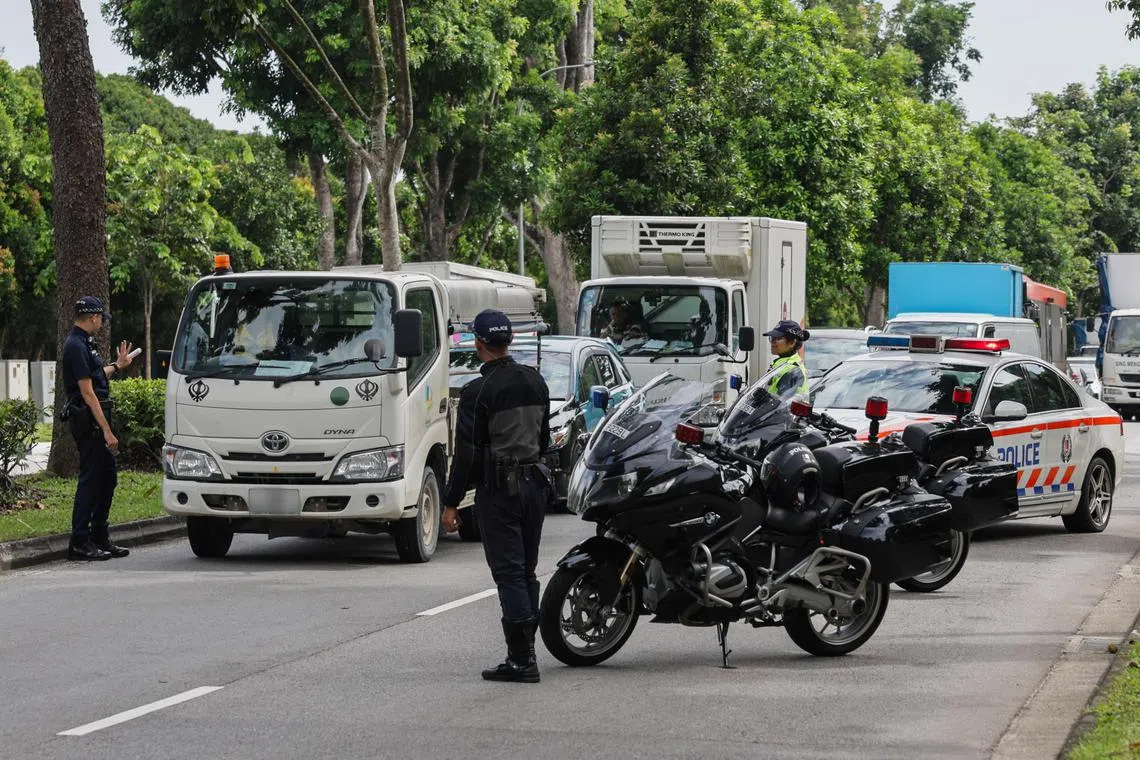
In Singapore, certain types of vehicles must have approved speed limiters installed. This includes:
-
School buses
-
Heavy goods vehicles (HGVs)
-
Fleet and logistics trucks
The speed limiter must:
-
Be LTA-compliant
-
Be tamper-proof
-
Come with a speed limiter certificate
If your vehicle doesn’t comply, you could face fines, COE violations, or even business disruption.
Types of Speed Limiters in the Market
Speed limiters come in several types, each suited to different kinds of vehicles, operating environments, and legal requirements. Choosing the wrong one can lead to compliance issues or even hurt your fleet’s efficiency. Let’s explore each type in detail so you can make a confident and informed decision.
1. Basic Speed Limiter
Best for: Light commercial vans, company cars, low-speed vehicles
The basic speed limiter is the most straightforward option available. It does one simple job — it prevents a vehicle from going beyond a pre-set maximum speed. Once the driver reaches that threshold, the limiter holds it there, no matter how much pressure is applied to the accelerator.
Key features:
-
Fixed speed setting (e.g., 70km/h)
-
Typically uses electronic throttle control (ETC)
-
Simple to install and cost-effective
-
Ideal for regulatory compliance
Use cases:
-
Delivery vans operating within city limits
-
Service vehicles that don’t require highway speeds
-
Corporate vehicles where performance monitoring isn’t critical
Limitations:
-
No GPS adaptability
-
No data logging or terrain awareness
-
Less suited for mixed-route logistics or highway transport
2. Dual-Speed or Multi-Speed Limiter
Best for: Mixed-route logistics fleets, long-haul trucks, intercity transport
The dual-speed limiter is a more intelligent system. It can assign two or more speed limits based on either vehicle location (GPS) or manual switching by the operator. For example, your vehicle could be limited to 50km/h in city zones and 80km/h on expressways.
Key features:
-
Multiple speed profiles based on terrain or geofence
-
Often integrates with GPS tracking systems
-
Can be programmed for route-specific speed caps
-
Helps balance safety with operational efficiency
Use cases:
-
Logistics companies with varied routes
-
Fleets operating across city and highway zones
-
Businesses looking to reduce fuel consumption and wear & tear
Limitations:
-
Slightly higher installation cost
-
Needs professional calibration
-
More complex than basic systems (but worth it for fleets)
3. School Bus Speed Limiter
Best for: Child transport vehicles, school bus operators
When it comes to transporting children, safety is non-negotiable. That’s why school bus limiters are a specialized category, built with additional safety features and tailored to meet Singapore’s Ministry of Education and LTA standards.
Key features:
-
Set to a lower fixed limit (typically 50–60km/h)
-
Gradual deceleration to prevent sudden jerks
-
Tamper-proof seals and secure wiring
-
Emergency override options for safe stopping
Use cases:
-
Private school fleets
-
MOE-contracted bus operators
-
Childcare or tuition center transportation services
Limitations:
-
Not suitable for high-speed or dual-terrain vehicles
-
Strict compliance checks required
4. RPM Regulator
Best for: Industrial vehicles, specialty transport, off-road fleets
Unlike traditional speed limiters that control vehicle speed, an RPM (revolutions per minute) regulator limits how fast the engine itself can spin. This is useful in cases where managing engine strain, torque output, or power delivery is more important than controlling top speed.
Key features:
-
Limits engine RPM, not just speed
-
Helps extend engine life and reduce maintenance costs
-
Especially useful in rugged or off-road conditions
Use cases:
-
Construction vehicles
-
Mining transport fleets
-
Heavy-duty trucks in hilly terrain
Limitations:
-
Requires more technical integration
-
May not fulfill LTA’s speed compliance laws unless paired with a limiter
Comparison Summary
| Type | Ideal For | Key Benefit | Limitation |
|---|---|---|---|
| Basic | City vans, light fleets | Simple compliance | No GPS or data |
| Dual-Speed | Fleets, long haul | Adaptive speeds, GPS | Slightly complex |
| School Bus | Child transport | High safety, legal compliance | Low top speed |
| RPM Regulator | Industrial vehicles | Engine life protection | Doesn’t directly control speed |
Match the Limiter to Your Vehicle Type
Choosing a speed limiter isn’t just about ticking off regulatory boxes—it’s about tailoring the right technology to how your vehicles operate. Each vehicle category in Singapore has unique operational demands, legal expectations, and safety concerns. Below, we break down how to match the right speed limiter to the right type of vehicle so that you stay compliant, efficient, and safe.
School Buses
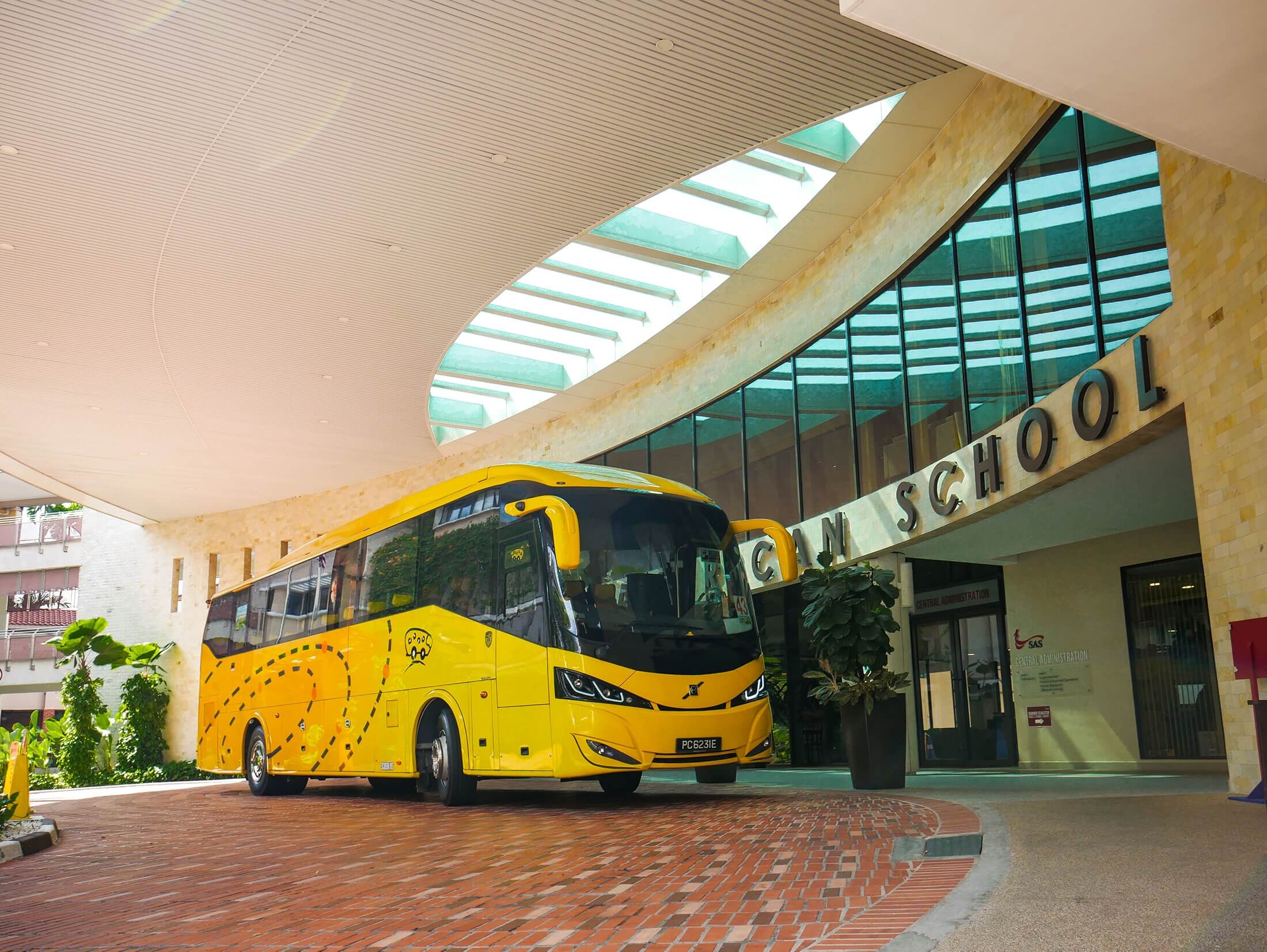
Prioritizing child safety, compliance, and smooth operation
School buses aren’t just another type of vehicle—they carry our most precious cargo: children. In Singapore, this category is under strict scrutiny by the Ministry of Education (MOE) and the Land Transport Authority (LTA).
These vehicles must use LTA-approved speed limiters specifically designed for child safety. That means:
-
Soft deceleration to avoid harsh braking that might throw children off their seats
-
A fixed, lower speed cap, typically set at 50–60 km/h
-
Tamper-proof systems, including alarmed enclosures and secure wiring
-
Built-in alerts for unauthorized override attempts
Recommended Device:
A dedicated school bus limiter with real-time tamper alerts and smooth acceleration modulation.
Don’t choose: Standard basic limiters without certified school-bus calibration. They’re not compliant and may put children at risk.
Light Commercial Vehicles (Vans, Lorries)
Compliance and efficiency for short-haul or urban deliveries
Light commercial vehicles are the workhorses of last-mile logistics and service industries. They typically:
-
Operate in urban environments with stop-and-go traffic
-
Require fuel-efficient driving
-
Don’t exceed expressway speed limits
-
Need quick and cost-effective compliance with LTA regulations
Recommended Device:
Either a basic fixed-speed limiter for regulatory compliance or a dual-speed limiter if the vehicle travels occasionally on expressways.
Pro Tip: For fleets doing heavy city driving, a limiter that encourages smooth acceleration can help reduce wear on brakes and tires.
Don’t choose: Over-engineered fleet limiters with unnecessary GPS functions if the vehicle stays local.
Heavy Trucks & Logistics Fleets
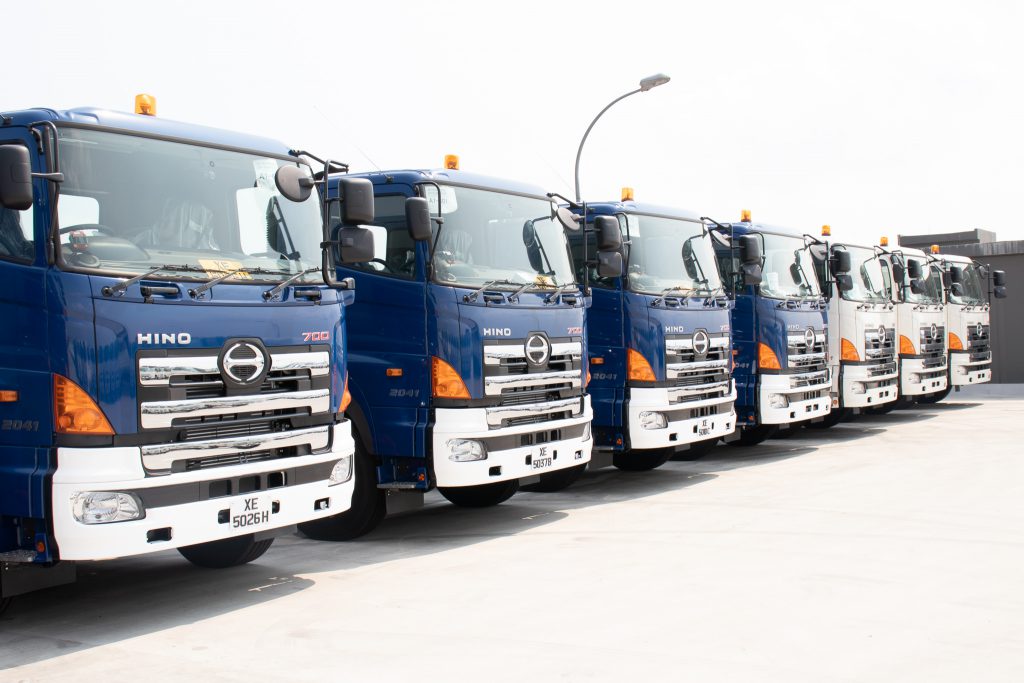
Smart speed control for highway and intercity logistics
These vehicles are critical to Singapore’s supply chain and often travel on expressways and cross-border routes. They carry large loads, operate across long hours, and need precision speed management for:
-
Fuel savings
-
Driver safety
-
Route-specific speed adjustments (urban vs. highway)
Recommended Device:
A dual-speed or multi-speed limiter with GPS support. The system should be capable of:
-
Assigning different speed limits based on route or geofenced zones
-
Sending data back to fleet HQ for monitoring
-
Integrating with fleet management systems (FMS)
Advanced features like over-the-air (OTA) updates, tamper logs, and real-time driver alerts make a big difference for large fleets.
Don’t choose: Basic fixed-speed limiters; they don’t adapt to expressway environments and can limit productivity.
Company Cars or Mixed Fleets
Managing reputation, safety, and driver accountability
While speed limiters may not be legally required for private company vehicles, they’re a growing trend for businesses that:
-
Want to promote safe driving among staff
-
Need to protect brand reputation
-
Are seeking insurance benefits or green certifications
These vehicles may include:
-
Sales team cars
-
Pool cars for employee use
-
Multi-purpose company vehicles
Recommended Device:
-
A basic limiter for simple control
-
An RPM-based governor if the focus is on engine health and smooth driving
Bonus points for systems that provide driver scorecards and behavior analytics, which can be used in HR evaluations or fleet incentive programs.
Don’t choose: High-cost commercial limiters unless there’s a business case (like long-haul usage).
Additional Tips for Fleet Operators
If your business operates multiple vehicle types, don’t try to fit all of them with the same limiter. A mixed approach works best:
-
Use school-specific models for buses
-
Go for terrain-adaptive models for trucks
-
Opt for RPM regulators for company cars
Having a fleet-wide policy on speed management backed by the right devices can improve:
-
Fuel economy by up to 12–15%
-
Accident reduction rates
-
Maintenance schedules
-
Employee driving behavior
What Should It Cost?
Prices can range depending on features:
-
Basic limiters: ~$300–$600 SGD
-
Dual-speed GPS limiters: $700–$1,200 SGD
-
Advanced fleet-integrated systems: $1,200+ SGD
Think long-term: good limiters can reduce fuel usage, improve driver behavior, and lower accident-related downtime.
Why Resolute Dynamics?
Resolute Dynamics is a trusted name in automotive safety technology, offering:
-
ISO-certified solutions
-
Tamper-proof systems
-
GPS and dual-speed limiters
-
Dedicated options for school buses, fleets, and commercial vehicles
-
Full support in Singapore
Their Dual Speed Limiter and School Bus Safety Solution are top choices in the industry.
How Installation Works
-
Professional installation usually takes 1–2 hours
-
After setup, the system is locked and certified
-
Some models allow remote speed updates
-
Comes with a speed limiter certificate (required for inspections)
Always use a certified installer to avoid compliance issues.
Final Checklist Before Buying
Here’s a quick buyer’s checklist:
Is the limiter LTA-approved?
Does it match the vehicle type?
Does it offer dual-speed or GPS functionality?
What’s the after-sales support?
Is there a warranty?
Will it fit into your fleet management system?
Frequently Asked Questions
Q: Are speed limiters mandatory for all commercial vehicles?
No, but they are required for some categories like school buses and heavy goods vehicles.
Q: Can I change the speed settings later?
Yes, but only if the device supports remote updates and is still compliant.
Q: How long does a speed limiter last?
Most systems are built to last 5+ years with minimal maintenance.
Q: What’s the difference between a speed limiter and an RPM regulator?
Speed limiters cap vehicle speed. RPM regulators limit engine revolutions, which can control speed indirectly.
Ready to Choose the Right Speed Limiter?
Now that you know what to look for, it’s time to pick the right system for your fleet or vehicle.
Whether you’re a logistics company, a school transport operator, or a delivery service, getting the right speed limiter in Singapore is about safety, savings, and compliance.
Explore trusted speed limiter products from Resolute Dynamics