
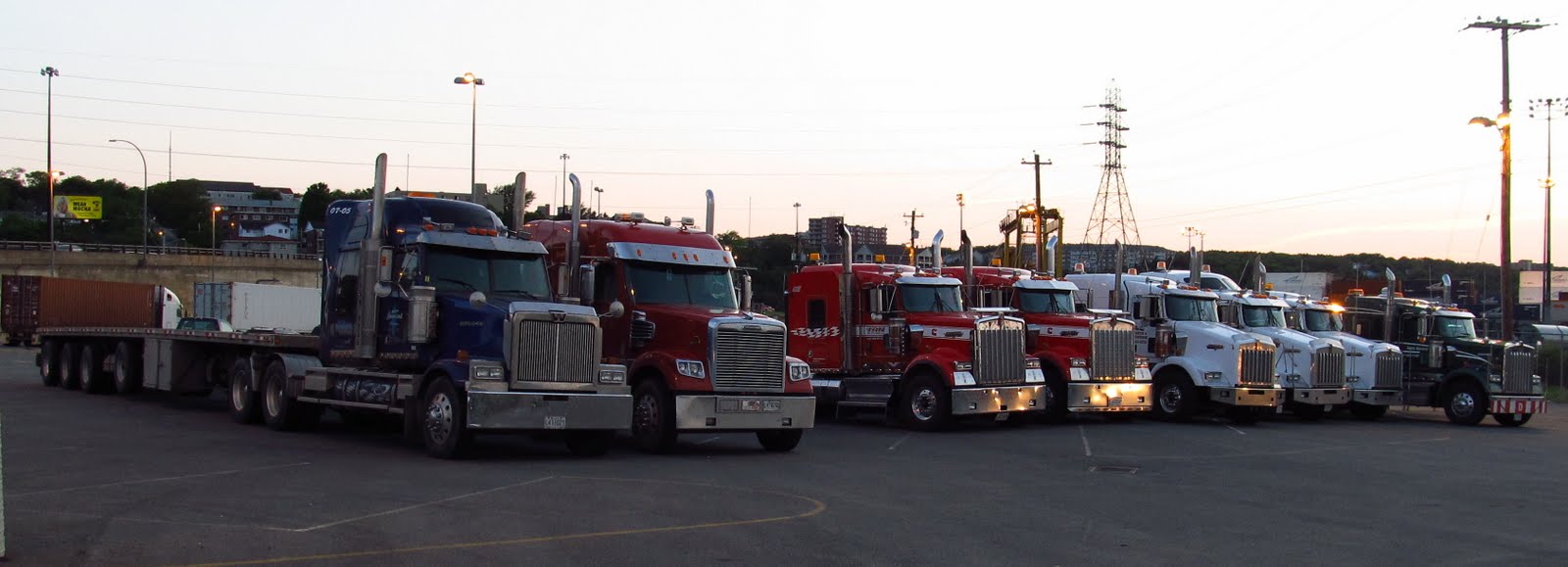
Speeding is one of the biggest safety issues in logistics today. Even with good drivers, heavy loads, and long hours can lead to mistakes. For many fleets in Canada, especially in busy provinces like Quebec, speeding incidents aren’t just risky — they’re expensive.
One logistics company in Quebec was facing this exact problem. They had a growing fleet, but along with that came rising incident rates, insurance claims, and vehicle downtime. They needed a solution that would reduce speeding without slowing down their business. That’s where GPS-based speed limiters came in — and the results were surprising.
Client Background: A Growing Quebec-Based Logistics Company
This Quebec logistics company had over 60 medium and heavy-duty trucks, operating mostly in regional freight. They handled everything from warehouse deliveries to highway transport, often running routes with mixed terrain.
The fleet had a solid reputation, but internal data showed an uptick in incidents related to excessive speed — especially on rural highways and during bad weather. Fleet managers also noticed inconsistent driver behavior and had limited visibility into what was happening on the road. That’s when they realized that traditional coaching and warnings weren’t enough.
The Problem: Rising Incidents, Liability, and Costs
The safety manager at the Quebec logistics company noticed a worrying trend: road incidents had climbed over the past 12 months, and most of them were related to excessive speed, poor cornering, or late braking. These weren’t just minor fender benders. Some involved serious near-misses on rural highways, where vehicles would travel over 100 km/h in dangerous conditions.
The average cost per incident hovered around $7,800, factoring in insurance deductibles, vehicle downtime, and administrative paperwork. Even worse, a few of these incidents triggered inspections under CVOR (Commercial Vehicle Operator’s Registration), which negatively impacted the company’s carrier safety rating — a major red flag for clients and insurers.
Beyond the costs, the fleet had to deal with:
-
Increasing insurance premiums, which went up by 18% in the last renewal cycle
-
Poor driver morale due to the pressure of staying on-time without real-time support
-
Fuel inefficiencies, as aggressive driving was burning more diesel per route
They needed more than just post-incident reports. They needed prevention built into the vehicle’s behavior.
The Solution: Implementing GPS-Based Speed Limiters

The company chose to partner with Resolute Dynamics after researching several safety tech providers. Their key product — the GPS-enabled Dual Speed Limiter — stood out because it did more than just alert drivers. It controlled the outcome by regulating engine throttle based on both vehicle location and road type.
Here’s how the system works:
-
The limiter is installed directly into the vehicle’s ECU (Engine Control Unit) using the CAN bus interface
-
Fleet managers configure speed thresholds based on zones (urban, school, rural, expressways)
-
The limiter uses real-time GPS data and geofencing to enforce speed caps automatically
-
If a driver enters a zone where the limit is 80 km/h, the limiter restricts throttle beyond that, even if the driver presses harder on the pedal
This removes the “gray zone” of driver decision-making in high-risk areas. It’s no longer a suggestion — it’s a governed behavior built into the vehicle’s system.
The dual-speed feature allows for dynamic adaptation between primary roads and local routes, which is ideal for fleets operating across mixed terrain — just like most routes in Quebec.
The Results: 38% Incident Reduction in Under 6 Months
Six months after implementation, the company’s internal safety audit revealed outstanding improvements:
-
Total reported incidents dropped from 22 per quarter to 13
-
Speeding alerts from telematics fell by 45%
-
Average driver compliance with posted limits increased by 58%
In addition, the severity of incidents (measured by damage costs and third-party claims) went down significantly. There were no speeding-related insurance claims filed during the final 3 months of the trial period.
A few other metrics showed surprising gains:
-
Fuel savings averaged $280/month per vehicle
-
Brake and tire replacement intervals extended by 15–20%
-
The insurer awarded a premium discount of 15% after the safety review
Operational Benefits Beyond Safety
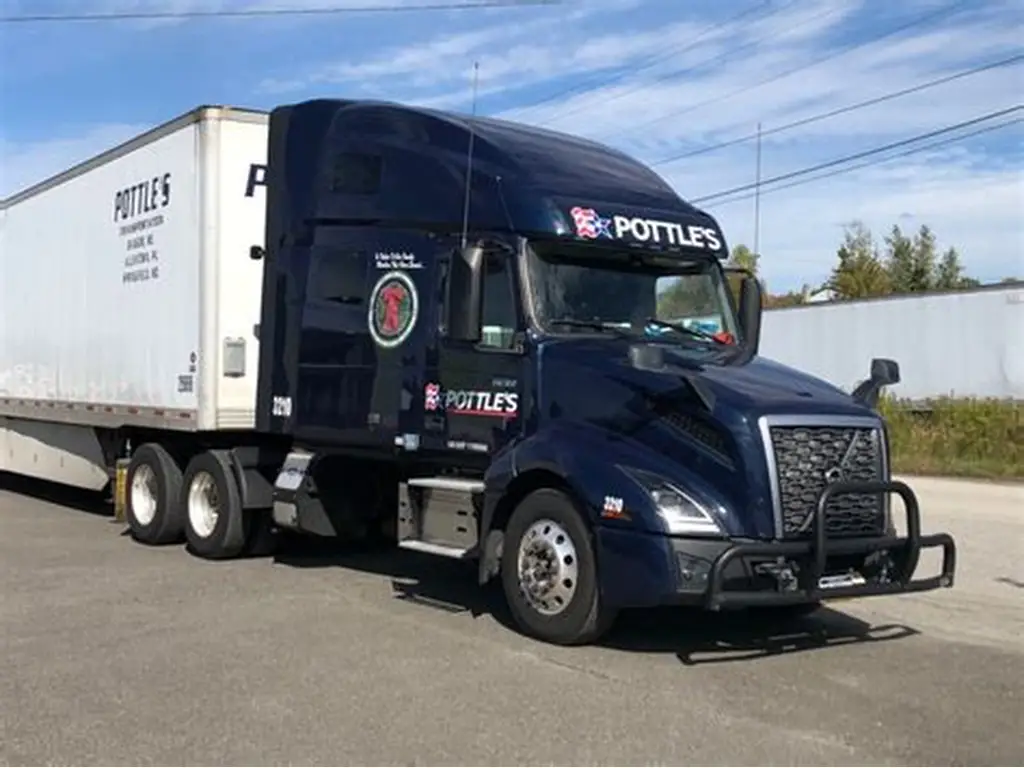
While the primary goal was safety, the business-side gains were just as valuable. After reviewing their quarterly operations report, fleet executives discovered several key financial advantages:
Fuel Economy
With drivers staying below high-risk speed zones, engine strain reduced. Idle time and harsh accelerations dropped too. That led to a net fuel efficiency gain of 11%, especially on rural routes.
Maintenance & Wear Reduction
Because vehicles stayed within consistent speed ranges, there was less brake wear and smoother shifting. Maintenance data showed:
-
Brake pad replacements went from every 3 months to every 4–5 months
-
Suspension issues were reduced by 12%
ROI in Under 5 Months
The company’s full cost of equipment, installation, and training was recouped within 5 months through:
-
Lower insurance
-
Fewer service disruptions
-
Reduced fuel expenses
Challenges and Lessons Learned
No system rollout is perfect. At first, some drivers resisted the speed limiters. They felt it took away their control, especially on highways where they wanted to “make up time.”
But after training and seeing the benefits, most drivers changed their minds. The fleet added a driver reward system for “clean runs” — trips with no alerts. This helped boost morale and compliance.
Another lesson: Not all terrain is equal. Some areas had poor GPS signal, so the company worked with Resolute Dynamics to fine-tune those zones using local maps.
Regulatory Landscape in Canada for Speed Limiters
Fleet managers in Canada must stay ahead of transport regulations. Since 2009, Ontario and Quebec have required all trucks over 11,000 kg to have speed limiters capped at 105 km/h. However, these rules don’t govern real-time or zone-based speed adjustments — and that’s where GPS-based systems provide a competitive edge.
Transport Canada and several provincial ministries are now evaluating updates to include intelligent speed adaptation (ISA) technologies as part of fleet safety programs. Early adopters like this Quebec company are already meeting — and exceeding — expected standards.
Driver Engagement and Behavior Change

Driver adoption is often the biggest barrier to new tech. At first, a few drivers complained that they felt “boxed in” by the limiter. But once safety data and fuel bonuses were shared, attitudes shifted.
The company launched a driver scorecard system, ranking each driver based on:
-
Speed compliance
-
Smooth braking
-
No speeding overrides
They then offered monthly incentives like gift cards or extra time off for top performers. Within 8 weeks, compliance rose from 62% to 89%, and drivers reported feeling more secure and less rushed.
Comparison With Other Safety Tools
While GPS limiters aren’t the only safety tool on the market, they offer proactive control — something most systems don’t.
| Tool | Function | Limitation |
|---|---|---|
| Dash Cams | Records incidents | Only helps after events happen |
| Collision Avoidance | Warns drivers of obstacles | Doesn’t prevent speeding |
| Traditional Telematics | Reports behavior & route data | Reactive, not corrective |
| Speed Limiters (GPS) | Controls engine throttle by zone | Proactive and real-time |
Conclusion: Technology-Driven Safety Is the New Standard
This case proves that fleet safety and speed don’t have to be enemies. With the right tools, it’s possible to reduce risk while keeping operations smooth and profitable.
The Quebec logistics company is now expanding its use of GPS speed limiters to its subcontracted vehicles. They believe this is the future of safe, responsible logistics — and regulators in Canada are starting to agree.
FAQ: Common Questions About GPS Speed Limiters in Fleets
What’s the best speed limiter for logistics fleets in Canada?
The Dual Speed Limiter from Resolute Dynamics offers terrain-based control, ideal for Canadian mixed-terrain routes.
Can GPS limiters really reduce accidents?
Yes. They prevent speeding before it happens, rather than just alerting after the fact. This proactive control makes a big difference in driver behavior.
Are speed limiters legal in all provinces?
Yes, speed limiters are legal and often encouraged by insurers and road safety boards across Canada.
How long does it take to install a GPS limiter?
Most fleets can be retrofitted within 1–2 weeks, depending on fleet size and configuration.
Ready to Make Your Fleet Safer?
If you’re facing speeding issues in your fleet, don’t wait for an accident to happen. Explore GPS-based speed limiters from Resolute Dynamics and take control of your fleet’s safety today.