
Speed limiters make Malaysia’s roads safer by preventing trucks from going too fast, reducing accidents, and helping logistics companies stay compliant with government rules. These devices, combined with GPS tracking and smart fleet monitoring, are changing the way logistics companies operate across highways and urban routes.
Malaysia’s logistics industry is growing fast. With more goods moving across highways, there’s also a rise in road accidents involving heavy vehicles. One of the main causes? Speeding.
When large trucks travel above safe speed limits, the results can be deadly. That’s why many fleet owners are now turning to speed limiter device malaysia to keep their vehicles safe and their businesses compliant.
What Is a Speed Limiter and How Does It Work?
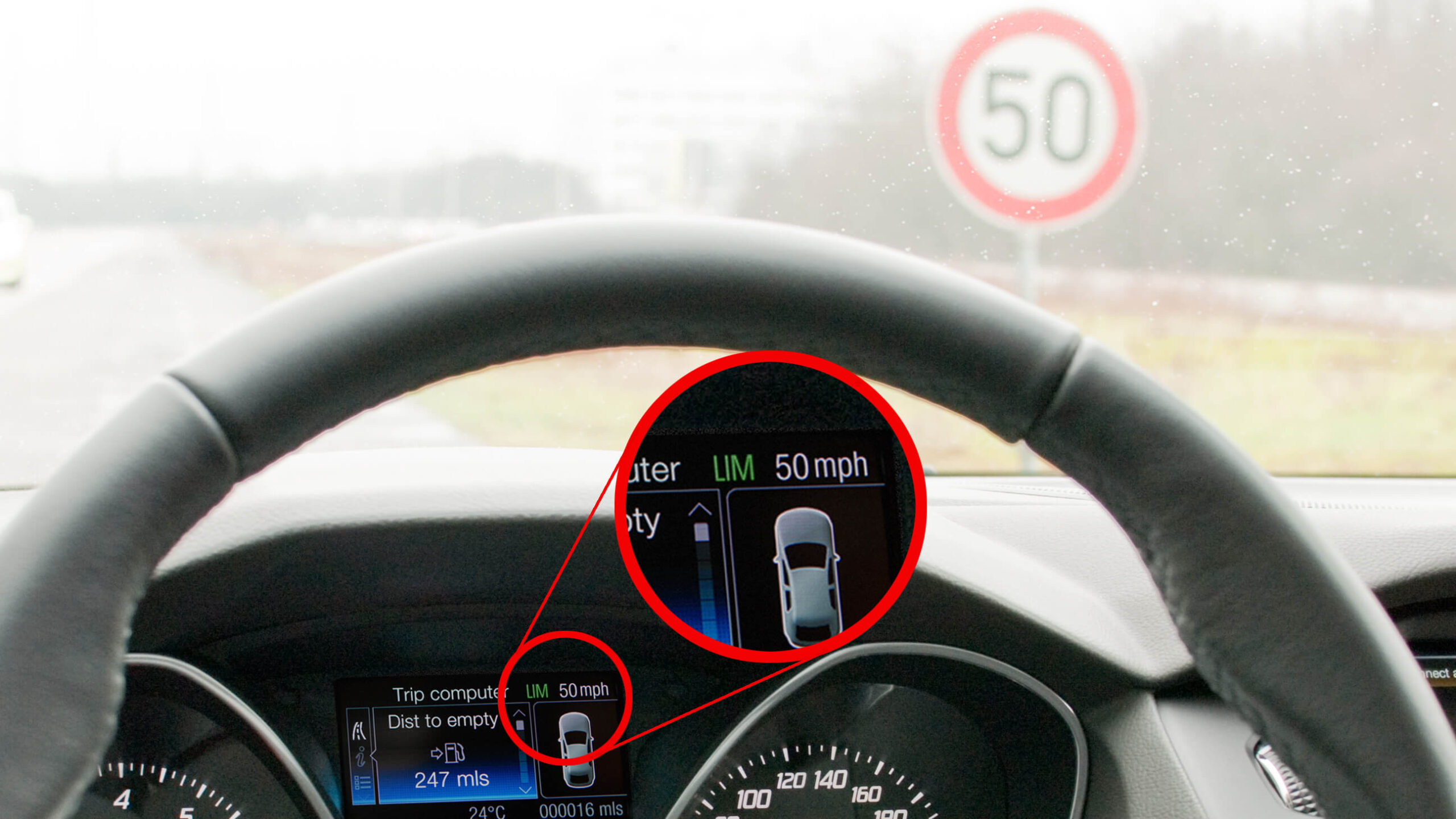
A speed limiter, also known as a speed governor, is an intelligent electronic device that controls the maximum speed a vehicle can travel. It’s designed to keep drivers within a safe speed limit — especially for commercial trucks, trailers, and heavy-duty vehicles often used in the logistics and transport sectors.
At its core, a speed limiter works by interacting with the vehicle’s engine control unit (ECU). When the vehicle reaches a programmed maximum speed — for example, 90 km/h on highways — the limiter automatically regulates fuel injection or engine power output, preventing the driver from accelerating beyond that point.
Types of Speed Limiter Systems
There are several variations of speed limiters in the market, each suited to different operational needs:
1. Electronic Speed Limiters
-
These are digitally controlled and can be programmed to specific speed thresholds
-
Integrated with ECU and sensor systems
-
Common in modern fleet trucks and buses
2. GPS-Based Speed Limiters
-
Connected to global positioning systems (GPS)
-
Can apply different speed limits based on location — urban zones vs highways
-
Ideal for route-based control in logistics fleets
3. Dual-Speed or Terrain-Based Limiters
-
Offer two or more programmable speed levels (e.g., 60 km/h for city driving, 90 km/h for expressways)
-
Automatically adjust limits based on terrain data and road gradient
-
Help reduce speed on downhill slopes where braking efficiency drops
How It Works in Real Life: Step-by-Step
Here’s what happens behind the scenes when a truck with a speed limiter is on the road:
-
Driver Accelerates Normally
The truck behaves like any other vehicle, accelerating until it nears the programmed limit. -
Limiter Detects Threshold
Sensors connected to the engine and GPS notice when the preset speed (say 90 km/h) is reached. -
Limiter Engages Control Mechanism
It sends a signal to the engine control module to reduce fuel flow or limit throttle response. -
Vehicle Holds Safe Speed
The truck remains at a steady speed unless the conditions change — for example, entering a city zone with a lower limit. -
Adjusts Based on Environment (Advanced Systems)
GPS-based and dual-speed models adjust in real-time based on location, terrain, or fleet rules programmed by the operator.
Smart Features in Modern Speed Limiters
Especially in systems developed by Resolute Dynamics, today’s speed limiters are more than just cut-off devices. They’re intelligent fleet safety tools equipped with:
-
Real-Time GPS Sync
Tracks vehicle movement, location, and speed zones -
Remote Configuration
Fleet managers can set or adjust speed limits without physical access to the truck -
Tamper Alerts
Notifies the system if someone tries to bypass or disable the limiter -
RPM Regulation
Limits engine revolutions per minute to prevent over-speeding on gear manipulation -
Failsafe Mechanisms
Ensures system continues to function even if a part fails or loses connectivity
Why It Matters in Malaysia’s Logistics Industry
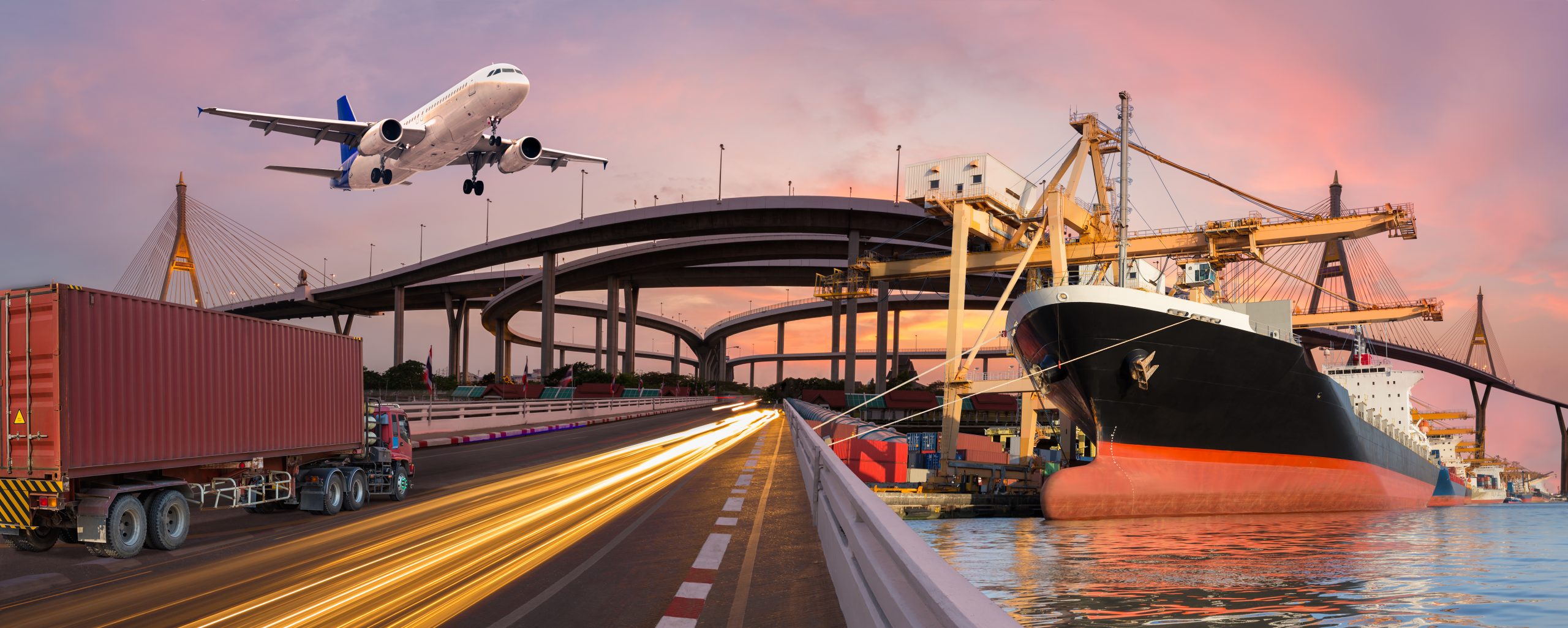
In Malaysia, logistics fleets often cover long distances, passing through varied road types — from urban roads to expressways to hilly terrains in states like Pahang or Perak. Speeding on these roads has led to:
-
Increased fatal accident rates involving commercial trucks
-
Higher maintenance costs due to vehicle strain
-
Regulatory penalties for non-compliant fleet operators
By installing speed limiters, especially those with dual-speed or terrain-based features, logistics companies in Malaysia can:
-
Maintain consistent vehicle speeds
-
Comply with JPJ and MIROS safety guidelines
-
Protect cargo, drivers, and other road users
Why the Logistics Industry in Malaysia Needs Speed Limiters
Malaysia sees thousands of road accidents every year. A large number involve commercial trucks, especially on highways like the PLUS Expressway.
The reasons for installing speed limiters in the logistics sector are clear:
-
Speeding is a top cause of fatal accidents
-
Heavy vehicles take longer to stop, increasing crash risk
-
Malaysian Road Transport Department (JPJ) and MIROS are pushing for better safety compliance
For logistics companies, ignoring these problems can mean fines, license suspensions, or worse—a deadly crash that damages both lives and business reputation.
Case Study: Resolute Dynamics’ Role in Enhancing Fleet Safety
In Malaysia’s fast-paced logistics landscape, road safety is not just a compliance issue — it’s a business-critical priority. One company leading the charge in transport safety innovation is Resolute Dynamics, a specialist in automotive electronics for fleet safety. Their advanced speed limiter systems, combined with GPS and smart control features, are redefining how logistics companies manage and protect their vehicles on the road.
Who Is Resolute Dynamics?
Resolute Dynamics is a regional leader in vehicle safety engineering, with a strong presence across Malaysia and other parts of Southeast Asia. Their focus is on precision electronics that enhance road safety, especially in high-risk sectors like logistics, school transport, and public fleet operations.
At the heart of their offering is a suite of products designed to regulate vehicle speed, track fleet movement, and ensure regulatory compliance. For logistics fleets moving heavy cargo across Peninsular Malaysia — from Port Klang to Johor Bahru or Penang — these systems provide real-time control and peace of mind.
Dual-Speed Limiter: Tailored for Malaysian Roads
One of their standout innovations is the Dual-Speed Limiter. Unlike traditional one-speed limiters, this system allows logistics companies to program two separate speed thresholds:
-
Highway Mode: Up to 90 km/h
-
Urban/Local Road Mode: Typically 60 km/h or less
Using terrain-aware technology, the system automatically switches between these modes depending on the type of road or area the vehicle is traveling through. For instance:
-
If a truck enters a town or residential zone, the limiter reduces speed to the safer, lower threshold.
-
Once the truck returns to a highway, the system raises the limit back to the pre-approved maximum.
This flexibility makes the system especially useful for multi-route logistics operations, where trucks pass through both congested city streets and open highways.
GPS Tracking: Real-Time Insights and Alerts
What makes Resolute’s system more powerful is its built-in GPS tracking. This allows fleet managers and operations teams to:
-
Monitor each vehicle’s location, speed, and route in real time
-
Receive automated alerts when drivers exceed speed limits or deviate from approved routes
-
Detect attempts to tamper with the limiter system or bypass settings
-
Analyze driver behavior, helping improve training and reduce risky habits
This data doesn’t just improve safety — it also supports fleet optimization, fuel efficiency, and compliance with Malaysian transport authorities like JPJ and MIROS.
Benefits Delivered to Logistics Fleets
Fleet owners who have adopted Resolute Dynamics’ speed limiter and tracking systems report tangible improvements across several areas:
1. Accident Reduction
Fleets have seen a notable drop in high-speed incidents, especially on major expressways like the PLUS Highway, where speeding is a common issue among long-haul drivers.
2. Simplified Compliance
With automatic speed regulation and tamper-proof certification features, logistics firms have passed JPJ audits more easily. This is especially important for companies seeking long-term government or multinational contracts.
3. Driver Accountability
Drivers are more mindful of their habits when they know the system is tracking their speed and performance. This leads to fewer violations, less vehicle strain, and safer journeys.
4. Operational Efficiency
With GPS and limiter data combined, fleet managers can plan better routes, avoid congestion, and reduce fuel consumption by eliminating over-speeding — a major contributor to fuel waste in diesel vehicles.
Built-In Safeguards Against Tampering
Tampering is a known problem in speed limiting systems, especially when drivers are under pressure to meet unrealistic delivery deadlines. Resolute Dynamics addresses this with:
-
Encrypted hardware that resists physical bypassing
-
Instant notifications if wiring is altered or disconnected
-
Cloud-based log files that store every interaction with the device, including attempts to override speed settings
These features make the system ideal for fleet compliance auditing, providing an evidence trail in case of accidents or insurance claims.
Supporting Road Safety at Scale
Resolute Dynamics’ solutions are used by logistics companies of all sizes, from small regional carriers to nationwide freight and distribution networks. Their devices are installed in fleet trucks, tankers, delivery vans, and even interstate cargo haulers that operate under tight schedules.
As Malaysia’s logistics sector grows, so does the need for smarter, safety-focused fleet management systems. The deployment of intelligent speed limiters is no longer a luxury — it’s a critical tool for sustainability, safety, and growth in the industry.
Key Benefits of Speed Limiters in the Logistics Sector
Accident Prevention
By capping speeds, trucks avoid dangerous braking situations, tire blowouts, and rollovers—especially during rain or sharp turns.
Operational Efficiency
Speed control reduces engine wear and extends the life of tires, brakes, and gearboxes.
Regulatory Compliance
Firms meet JPJ and SPAD safety requirements, making audits smoother and avoiding costly penalties.
Fleet Monitoring
With GPS tracking, managers can check if drivers follow assigned routes and speed limits. It also helps spot risky driving behavior.
Cost Savings
Lower fuel usage and fewer breakdowns mean more money saved in the long run. Insurance premiums also go down when safety systems are installed.
Integration with GPS Tracking: A Game-Changer
In today’s logistics industry, real-time visibility is not just a convenience — it’s a necessity. Integrating GPS tracking systems with speed limiters is transforming how fleet managers in Malaysia monitor, manage, and improve road safety. This combination creates a powerful tool that goes beyond just controlling vehicle speed — it offers complete operational insight, accountability, and data-driven decision-making.
What Is GPS Tracking in Fleet Operations?
GPS tracking involves the use of Global Positioning System (GPS) technology to monitor the exact location, movement, and performance of vehicles in a fleet. The system collects and transmits live data to a centralized platform — typically a cloud-based dashboard — which fleet managers can access from anywhere.
When integrated with speed limiters, the GPS unit doesn’t just show location — it also captures speed, time spent on the road, route deviations, and driving behavior like hard braking or sharp turns.
This layered data offers a 360-degree view of each truck’s movement, which is critical for high-risk industries like logistics, transport, and last-mile delivery.
How the Integration Works
When a logistics truck is fitted with both a speed limiter and a GPS tracking module, the two systems communicate with each other through the vehicle’s ECU (Electronic Control Unit) or an external telematics interface.
Here’s what happens:
-
The speed limiter regulates the maximum speed according to the terrain, road zone, or fleet policy.
-
The GPS tracker collects data such as:
-
Vehicle speed in real-time
-
Exact location (via satellite)
-
Route taken
-
Unauthorized stops or delays
-
Driving habits (e.g., harsh acceleration, over-speeding)
-
-
All data is sent to a central dashboard that fleet managers can access from their office, mobile app, or even remotely via the cloud.
Key Benefits of GPS-Integrated Speed Limiter Systems
1. Real-Time Vehicle Monitoring
Fleet managers can see where each truck is, how fast it’s going, and whether it’s following the planned route. This is crucial for time-sensitive deliveries, reducing idle time and ensuring on-time arrival.
2. Route Optimization
Historical GPS data helps companies plan more fuel-efficient and time-saving routes. For example, if one driver regularly faces traffic delays, the system can suggest alternative routes or reschedule future deliveries.
3. Instant Alerts for Over-Speeding
If a driver attempts to speed — or the limiter is tampered with — the system sends a real-time alert. This ensures quick intervention, prevents accidents, and holds drivers accountable.
4. Driver Behavior Analysis
By tracking speed, braking, idling, and route adherence, the system builds a driver profile. Managers can use this to:
-
Identify high-risk drivers
-
Provide targeted training
-
Offer performance incentives for safe driving
5. Fuel Efficiency and Cost Control
Speeding increases fuel consumption. With speed control and route data in place, logistics firms can reduce fuel costs, extend vehicle lifespan, and cut down on maintenance expenses.
6. Enhanced Security and Theft Prevention
In case of vehicle theft or hijacking — not uncommon in high-value cargo routes — GPS tracking allows for:
-
Geofencing (alerts when a truck leaves a designated area)
-
Vehicle immobilization
-
Quick coordination with local authorities
Resolute Dynamics’ Unified Dashboard: Total Fleet Command
Resolute Dynamics takes this integration to the next level by offering a unified digital dashboard that combines:
-
Speed limiter settings and data logs
-
Real-time vehicle maps
-
Trip history and alerts
-
Driver safety scores
-
Maintenance schedules and system health
With this one platform, fleet managers no longer need to switch between multiple tools. Everything from speed policy enforcement to driver behavior is visible in one control panel — reducing admin time and increasing oversight.
Use Case Example:
A logistics fleet operating between Port Klang and Johor Bahru installs Resolute Dynamics’ integrated system.
-
One truck exceeds its city speed limit of 60 km/h.
-
The speed limiter kicks in, reducing throttle response.
-
The GPS dashboard logs the event and sends a speed violation alert.
-
Fleet management contacts the driver, confirms the issue, and later reviews the route for bottlenecks.
-
Repeated incidents are flagged under the driver’s behavior report, triggering a refresher training.
This process prevents fines, protects assets, and improves future planning.
Addressing Industry Concerns and Resistance
Some logistics firms worry about speed limiters slowing down deliveries. But the truth is:
-
Controlled speed = better scheduling and fewer delays
-
Most delays come from poor route planning, not lower speeds
-
With proper planning, delivery time stays the same, but risks drop
Companies also fear high installation costs. But with less fuel waste, fewer accidents, and lower maintenance, the ROI is quick and measurable.
Government Initiatives and Future Outlook
The Malaysian government is tightening safety laws for commercial vehicles. In the near future:
-
Mandatory speed limiters could be enforced for logistics fleets
-
Digital compliance through GPS and vehicle data logs may become standard
-
Incentives for safety-focused logistics firms may be introduced
As road freight increases with e-commerce growth, adopting tech-driven safety solutions isn’t just smart—it’s necessary.
How to Implement Speed Limiters in Your Logistics Fleet
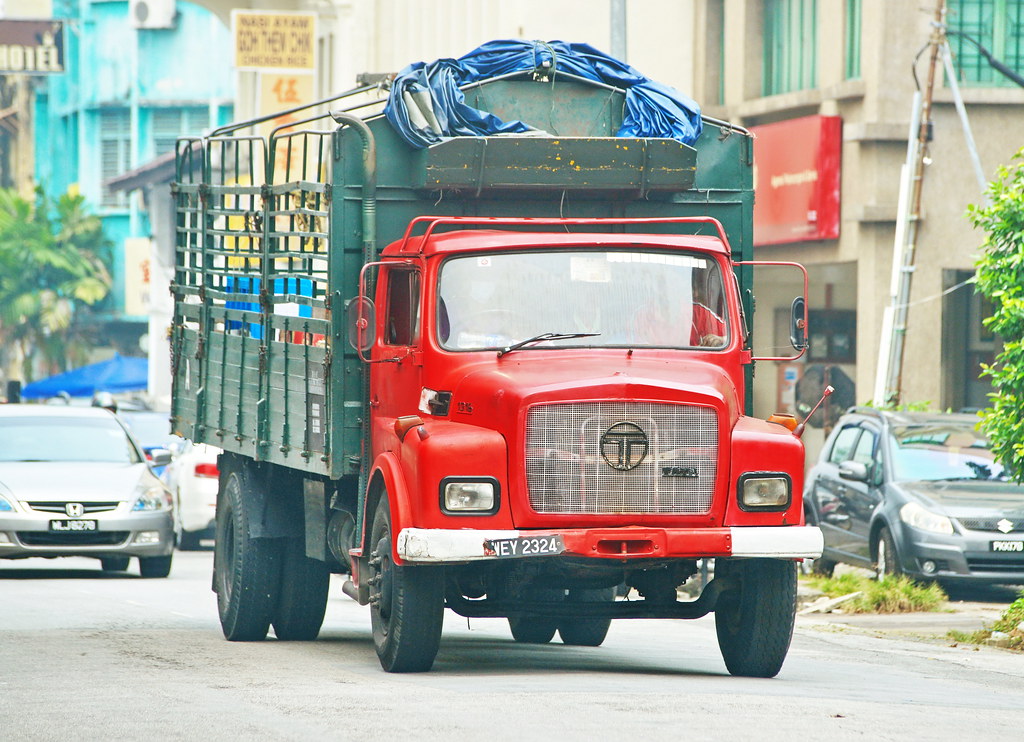
Here’s how fleet operators in Malaysia can get started:
-
Choose a certified provider like Resolute Dynamics
-
Install speed limiters and GPS systems across all trucks
-
Set terrain-based limits for highways and cities
-
Train drivers on safe speed practices
-
Monitor performance using real-time dashboards and alerts
These steps not only improve safety but also help build a responsible brand image.
Conclusion
Speed limiters are changing the game for logistics in Malaysia. They reduce speeding, prevent crashes, and keep your fleet compliant with national safety laws.
When combined with GPS tracking and smart fleet management, they offer a full package for safer, smarter, and more efficient logistics operations.
For logistics firms in Malaysia, the message is clear: it’s time to slow down to move forward—safely, securely, and successfully.