
Speed limiter systems are lifesavers—literally. Whether it’s a school bus, a fleet of delivery vans, or a commercial truck on the highway, speed limiters help keep drivers within safe and legal speed limits. But just like any other safety device, they need regular care. If you’re managing a fleet or responsible for vehicle safety, this guide will walk you through a complete checklist to keep your speed limiter system working perfectly.
What is a Speed Limiter System, and Why Does It Matter?
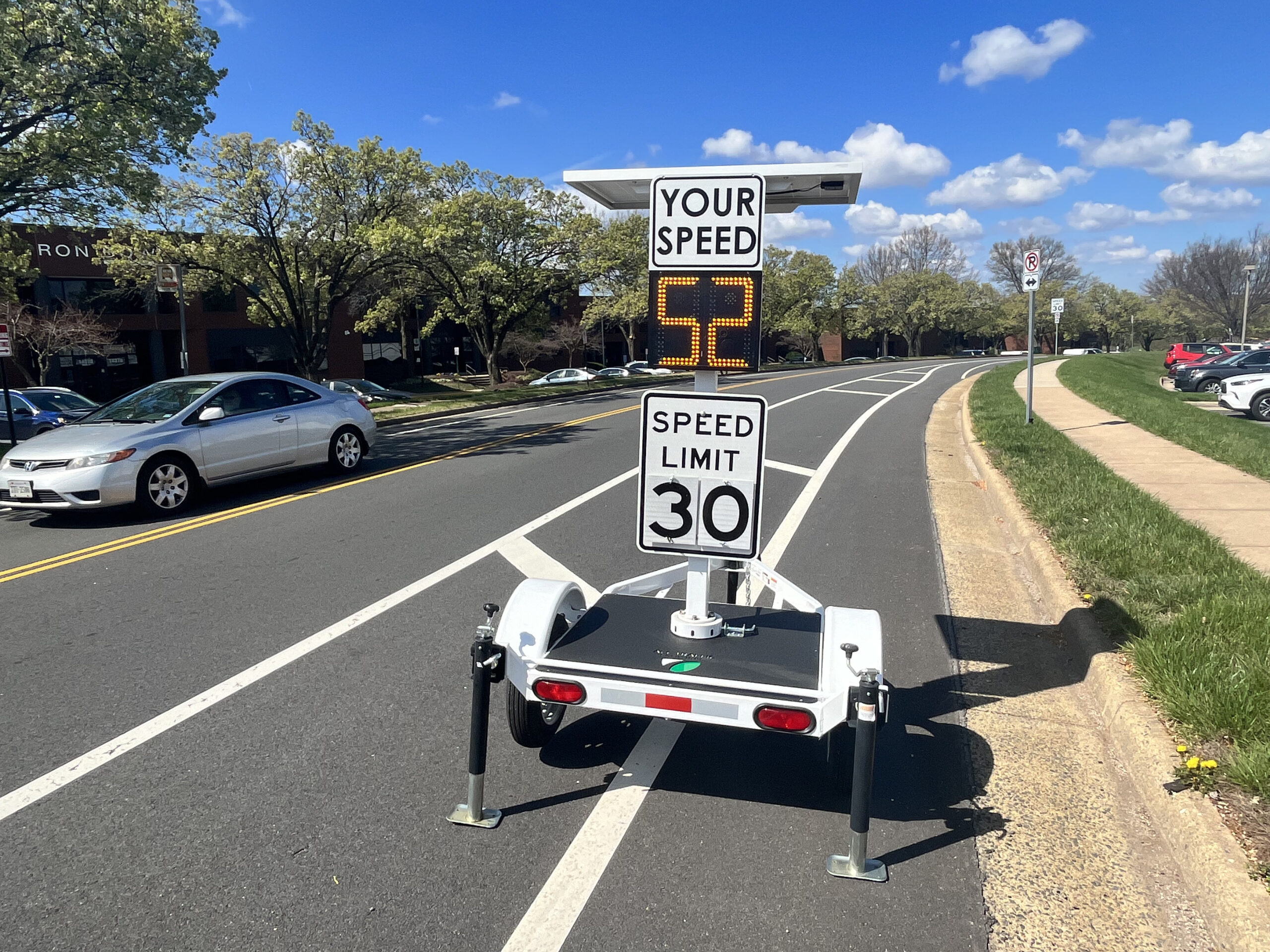
A speed limiter (also called a speed governor) is a device that controls how fast a vehicle can go. It’s built into the engine system or works with the vehicle’s ECU (Engine Control Unit) to prevent speeding. Some versions of a vehicle speed limiter system are terrain-based or GPS-linked to adjust speed according to location, such as urban roads, highways, or school zones.
It’s not just about staying legal. Speed limiters protect drivers, passengers, and everyone on the road. But for them to do their job, they need to be well-maintained—just like brakes or tires.
Benefits of Regular Maintenance
Speed limiter systems aren’t just electronic boxes tucked away behind the dashboard — they’re intelligent safety devices directly connected to the vehicle’s engine control unit (ECU), throttle input, and often to the GPS and telematics systems. When regularly maintained, they can drastically improve safety, compliance, and operational efficiency. But when ignored, they become a hidden risk — waiting to fail at the worst moment.
Here’s a breakdown of the real-world advantages of keeping your speed limiter system properly maintained.
1. Prevents Inaccurate Speed Control
When a speed limiter is out of calibration, has outdated firmware, or is affected by faulty wiring, it can begin cutting off speed either too early or too late — or not at all. This creates a false sense of safety for the driver and increases liability.
Why It Matters:
-
A limiter that activates too early frustrates drivers and affects delivery timelines.
-
A limiter that fails to activate can lead to speed violations, especially in school zones, urban roads, or terrain-based zones.
-
Irregular speed cut-offs can strain engine components, affect gear shifting, and cause jerky throttle behavior.
2. Avoids Legal Violations and Failed Inspections
In many regions — such as the UAE, Kenya, India, South Africa, and several EU countries — speed limiters are mandatory by law for certain vehicles (school buses, transport trucks, taxis, etc.). Failure to maintain them can lead to:
-
Failed roadworthiness inspections
-
Fines, vehicle impoundments, or license suspension
-
Negative compliance ratings in fleet audits
-
Denied insurance claims in case of accidents
Regulatory Examples:
-
Kenya NTSA regulations require functional, tamper-proof speed governors on PSVs.
-
UAE RTA mandates working limiter systems for school transport fleets, with regular inspections.
Regular maintenance ensures that your limiter stays compliant with tamper-proof regulations, passes audits, and avoids costly legal consequences.
3. Reduces the Risk of Road Accidents
A malfunctioning limiter may allow a vehicle to exceed safe speeds — especially in high-risk areas like steep descents, urban neighborhoods, or heavy traffic zones.
What Can Go Wrong:
-
A limiter fails to engage on downhill slopes where momentum overrides engine speed.
-
A GPS-based system loses signal in a tunnel, and the limiter doesn’t adjust to speed zone changes.
-
A poorly maintained ECU causes erratic throttle control, start-stop delay, or unintended acceleration.
Every one of these scenarios can result in serious collisions, injuries, or even fatalities — all preventable with regular limiter maintenance.
Preventive care doesn’t just protect the vehicle; it safeguards lives on the road.
4. Lowers Repair and Replacement Costs
Speed limiter units, especially those integrated with GPS modules, ECU connectors, and telematics, are precision-built. When neglected, small issues compound into major breakdowns.
Common Cost Triggers:
-
Damaged wiring leading to ECU failure
-
Outdated firmware causing software conflicts
-
Water ingress or rust on connectors
-
GPS module failure due to antenna issues
When these parts fail, the repair bill can escalate — especially if tied to an integrated fleet telematics system.
Simple monthly inspections and software checks can prevent major expenses and extend the product’s lifespan.
5. Minimizes Vehicle Downtime
Every hour your vehicle is off the road is money lost — missed deliveries, idle drivers, and failed commitments. Malfunctioning limiters can lead to:
-
Emergency roadside repairs
-
Failed inspections leading to unplanned service center visits
-
Need for urgent recalibration or software reinstallation
Instead of being reactive (fixing problems when they break), a proactive maintenance schedule allows you to catch issues before they shut your operations down.
Preventive maintenance is the cheapest insurance policy for keeping your fleet moving.
Boosts Fleet Operational Efficiency
-
Vehicles perform better with stable speed control, especially across long distances or varied terrain.
-
Reduces wear on transmissions and braking systems due to more consistent driving behavior.
Enhances Tamper Resistance
-
Regular checks help detect if a limiter has been bypassed or tampered with, a common issue in some regions where drivers override limits.
Improves Fleet Safety Ratings
-
Well-maintained speed control systems improve a fleet’s safety score, which can help with insurance discounts, government contracts, and brand reputation.
Checklist: Speed Limiter System Maintenance

Whether you manage a school bus fleet, operate commercial trucks, or oversee workshop maintenance for private vehicles, regular inspection of your speed limiter systems is non-negotiable. These devices play a critical role in safety compliance, engine control, and fleet efficiency. Below is an in-depth guide on what to check, how, and why it matters.
1. Visual and Hardware Inspection
Before diving into software or diagnostics, always start with a physical inspection. Even the most advanced speed limiter won’t function if its hardware connections are compromised.
Wiring
-
Look for frayed, pinched, or heat-damaged cables, especially near engine bays or chassis joints.
-
Loose wiring can cause intermittent cut-off failures or false readings.
-
Use automotive-grade zip ties to secure loose wires away from heat or vibration zones.
Connectors
-
All connectors — from speed sensors to the Electronic Control Unit (ECU) — should fit snugly.
-
Over time, vibration and moisture can cause connectors to corrode or dislodge.
-
Check for oxidation (green or white powder around metal parts), which can affect signal transmission.
ECU Housing
-
The ECU is the brain of the speed limiter. Make sure it’s:
-
Properly sealed and dry
-
Mounted firmly with vibration-dampening brackets
-
Free from dust, oil, or water ingress
-
GPS Antenna (if applicable)
-
For GPS-based or terrain-sensitive speed limiters, antenna placement is crucial.
-
Place on the roof or dashboard with direct sky visibility.
-
Avoid placement under metal, tint films, or near electronic interference (like dashboards with embedded screens).
-
Tip: After off-road trips, heavy rain, or long-haul travel, recheck all visible components for physical wear.
2. System Diagnostics
Running diagnostics helps spot internal errors that aren’t visible externally. It’s like a doctor’s check-up for your limiter system.
How to Perform Diagnostics
-
Use OBD-II scanners or manufacturer diagnostic tools compatible with your limiter’s ECU.
-
Some systems support diagnostics via a Bluetooth mobile app or dedicated workshop software.
-
Look for:
-
Fault codes (DTCs) indicating malfunctioning sensors
-
Slow response times or lag in speed cut-off
-
Checksum mismatches in firmware (may indicate tampering)
-
Check Signal Integrity
-
Verify the signal from:
-
Speed sensor (usually from ABS or transmission)
-
Throttle position sensor (if speed limiter modifies throttle)
-
Ignition timing sensor (for RPM-based limiters)
-
Compare Actual vs. Reported Speed
-
Use a GPS speedometer app or device alongside vehicle instrumentation.
-
If there’s a mismatch, the limiter may be misreading speed — which can lead to premature or delayed speed cut-off.
Note: If a limiter is part of a fleet system, ask your telematics provider for a diagnostic report from the backend.
3. Speed Calibration Validation
If your limiter is off by even 5 km/h, it can mean a compliance failure or unsafe driving. Calibration ensures precision.
Steps to Calibrate
-
Drive the vehicle on a closed track or low-traffic road.
-
Use a certified GPS speed tracker for accurate real-time speed measurement.
-
Compare this to the limiter’s cut-off point.
-
Adjust using:
-
Handheld calibrator device
-
Laptop software via diagnostic port
-
Remote configuration (OTA) if supported
-
When to Recalibrate
-
After tire size changes (affects rolling radius)
-
Post-ECU replacement or firmware updates
-
If limiter is behaving erratically (cutting off too early/late)
-
Every 3–6 months as a preventive measure
Pro Tip: For fleets operating across terrains (mountains, cities, highways), consider dual-speed or terrain-adaptive limiters that auto-calibrate based on GPS location.
4. Firmware and Software Updates
Your speed limiter has embedded software — just like your smartphone. Keeping it updated ensures smoother operation, better accuracy, and compliance with evolving regulations.
How to Update
-
Visit the manufacturer’s support portal (e.g., Resolute Dynamics).
-
Download the latest firmware for your device model.
-
Update via:
-
USB connection to ECU
-
SD card for systems with local storage
-
Over-the-Air (OTA) updates via cellular module
-
Why Updates Matter
-
Fix known bugs or throttle misbehavior
-
Patch security vulnerabilities (tamper prevention)
-
Add new features (terrain profiles, tamper alerts, GPS zones)
Reminder: Outdated firmware is one of the leading causes of ghost errors and cut-off delay issues.
5. Battery and Power Supply Check
Speed limiters draw power either directly from the vehicle battery or via a dedicated control relay.
Things to Inspect
-
Battery terminals: Check for corrosion, loose clamps, or voltage drops
-
Voltage readings: Should stay stable around 12.4V to 14.8V depending on engine running or off
-
Backup batteries: Some GPS-integrated systems have secondary batteries — test for voltage and charging cycles
Symptoms of Power Issues
-
System resets during ignition
-
Error lights flickering
-
Failure to engage limiter at high speeds
Fix: Install a voltage stabilizer or dedicated fuse line if fluctuating voltage is observed.
6. GPS & Tracking Integration
GPS plays a vital role in terrain-sensitive speed limiters, geofencing, and fleet tracking compliance.
What to Verify
-
GPS signal strength: Should consistently receive minimum 5 satellites for accuracy
-
Real-time tracking: Cross-reference limiter logs with telematics backend
-
GPS sync: Ensure that speed cut-off varies correctly between urban, rural, or school zones
Common Sync Issues
-
Time delay between GPS and limiter activation
-
Inconsistent speed control during turns or tunnels
-
System “defaults” due to poor satellite visibility
Solution: Use a high-gain antenna or relocate GPS module for clearer sky view. Check for firmware support for dead-reckoning (speed estimation during GPS drop).
Maintenance Schedule: How Often Should You Check?
| Task | Frequency |
|---|---|
| Visual Inspection | Weekly |
| Full Diagnostics | Monthly |
| Calibration Check | Every 3–6 months |
| Firmware Update | Every 6 months |
| GPS Signal Test | Monthly |
| Power Supply Check | Every 3 months |
Following this routine ensures your fleet stays road-safe and compliant.
Common Issues & Troubleshooting Tips
Here’s what typically goes wrong—and what you can do:
-
Issue: Speed limiter not activating
Fix: Check ECU wiring, run diagnostics, and verify sensor input. -
Issue: Wrong speed limit set
Fix: Recalibrate and update configuration. -
Issue: GPS-related speed errors
Fix: Reposition GPS antenna, test with a known location. -
Issue: Error codes with no behavior change
Fix: Update firmware and clear error log, then monitor for recurrence.
Always refer to your product manual or tech support for specific troubleshooting.
Special Considerations for School Bus Fleets

For school buses, regulations are often stricter. Some countries mandate:
-
Daily inspections before routes
-
Certified speed limits not exceeding 60–80 km/h
-
Tamper-proof systems with log reports
Parents, schools, and transport authorities rely on these systems. Maintenance isn’t optional—it’s a safety promise.
How Resolute Dynamics Makes Maintenance Easier
Resolute Dynamics has engineered their limiter systems with:
-
Built-in diagnostics
-
Remote update options
-
Smart workshop integration
-
Modular design for quick repairs
Whether you’re using a single-speed system or a terrain-based dual limiter, these systems are built to be maintenance-friendly—so you can spend less time in the garage and more time on the road.
Final Thoughts
Speed limiters are one of those things that you don’t think about—until they fail. And when they do, the results can be dangerous. With just a bit of routine care, you can keep your system accurate, legal, and safe.
Download a printable version of this checklist, share it with your fleet team, and set reminders for monthly diagnostics. Safe roads start with responsible maintenance.