
When you’re managing a fleet or running logistics across countries like India, the UAE, or parts of Africa, keeping drivers and vehicles safe isn’t just a rule—it’s survival. Speed limiters play a big role in this. But not all speed limiters are made equal, and the costs can vary a lot depending on where you are and what features you need.
Let’s break it all down in simple terms—costs, features, certifications, and who really gives the best value for money.
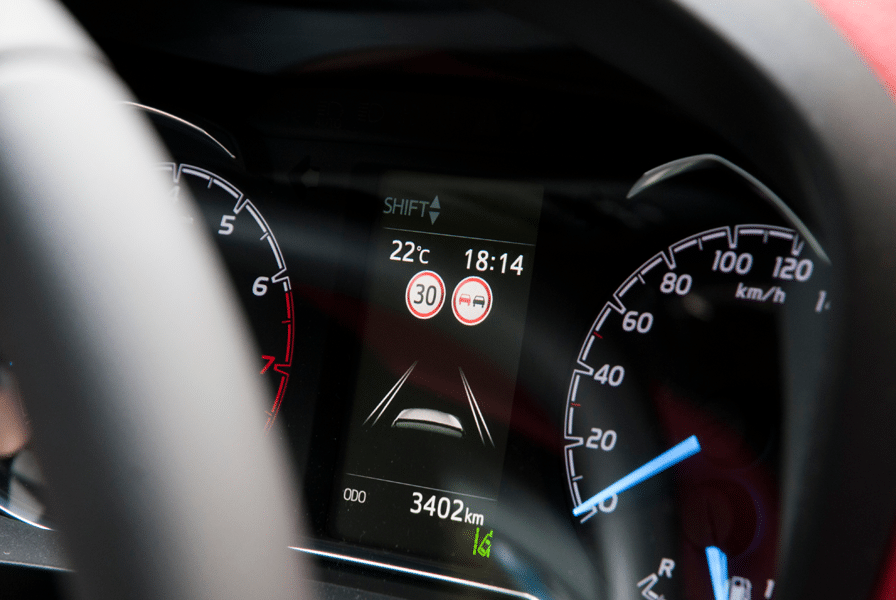
What Is a Speed Limiter and Why It Matters
A speed limiter, also called a speed governor, is an electronic device that stops a vehicle from going over a set speed. It’s not just for safety—it’s the law in many places. Whether you’re running school buses in India, delivery vans in Dubai, or cargo trucks in Kenya, speed limiters help reduce accidents, save fuel, and keep insurance premiums down.
There are different types of limiters:
-
Single-speed: Just caps the speed.
-
Dual-speed or terrain-based: Adjusts depending on city or highway.
-
GPS-based: Tracks speed and location in real time.
They often come with certifications like AIS 018 (India), GSO (UAE), or local transport authority approvals in African countries.
The Big Players: Top Speed Limiter Brands
The speed limiter market has evolved rapidly across regions like India, the United Arab Emirates, and parts of Africa. With growing regulations on road safety and vehicle compliance, several manufacturers have stepped up with different types of speed governors—each catering to specific regional needs.
Some brands focus on affordability and mass deployment, while others offer cutting-edge features like GPS telematics, terrain-based speed control, or fleet integration platforms. Below, we’ll break down the major players operating in these markets, highlighting what makes each one unique.
1. Resolute Dynamics (UAE-Origin, Global Reach)
Global Footprint: UAE, India, Egypt, Kenya, Ethiopia, Zimbabwe, Oman, and more
Target Market: School fleets, logistics companies, government tenders, aftermarket installers
Resolute Dynamics is one of the most advanced and globally recognized players in the speed limiter industry. Headquartered in Dubai, the brand has successfully expanded its R&D and supply operations across Asia and Africa. It’s particularly strong in fleet-level integration, offering both hardware and software ecosystems.
Key Features:
-
Dual Speed Limiter with Terrain Mode: Automatically adjusts speed based on road type (city, rural, or highway). This is ideal for mixed-use fleets.
-
Integrated GPS Telematics: Allows real-time tracking, driver behavior analytics, and remote diagnostics.
-
Custom Fleet Solutions: Offers bulk customization for school buses, transport corporations, and haulage companies.
-
Smart Lift Monitoring: A unique safety add-on for vehicle workshops, ensuring safer hydraulic lift operation.
-
AIS 018 & CE Certified: Fully compliant with Indian regulations and export-ready.
Advantages:
-
Designed for cross-border compliance.
-
Offers OEM-level build quality.
-
Strong after-sales support in India, East Africa, and the Middle East.
Ideal For: Large fleets, government tenders, commercial logistics, and terrain-varying routes.
2. Autograde (India)
Location: Kochi, India
Target Market: Domestic transport fleets, school buses, public transport agencies
Autograde is a well-known Indian speed limiter manufacturer focused on value-for-money solutions. Their products are mostly used in state-run fleets and budget-sensitive logistics operators. While their offerings are not as tech-heavy as some global competitors, they deliver solid performance within Indian legal guidelines.
Key Features:
-
Single and Dual Speed Limiters: Reliable, easy to install, and compliant with AIS 018 norms.
-
Focus on Local Markets: Specifically designed for Indian road conditions and fleet practices.
-
Ruggedized Hardware: Built to handle heat, dust, and road shocks, common in India’s Tier 2 and Tier 3 cities.
Limitations:
-
Limited GPS or telematics integration (requires third-party add-ons).
-
Poor availability outside India.
-
No terrain-based control or adaptive modes.
Ideal For: Budget-conscious fleet owners, small bus operators, rural transport fleets in India.
3. Jendies (Kenya)
Location: Nairobi, Kenya
Target Market: Local bus operators, taxis, and matatus (minibuses)
Jendies is one of the prominent local brands in East Africa, particularly in Kenya. It has carved out a niche by providing cost-effective and locally supported speed limiters that meet NTSA (National Transport and Safety Authority) standards.
Key Features:
-
Mechanical and Electronic Limiters: Offers basic speed governors that do not rely on GPS.
-
Tamper-Proof Units: Designed to meet Kenya’s strict anti-tampering guidelines.
-
Local Support Network: Available in major towns across Kenya with same-day servicing.
Limitations:
-
Technology is basic—no GPS tracking or telematics.
-
Lacks CE or international certifications, which limits its export potential.
-
Not suitable for advanced fleet integration or terrain-sensitive operations.
Ideal For: Small transport operators, school buses, taxis within Kenya and nearby regions.
4. DENSO (Imported – Japan Origin)
Location: Japan (sold in UAE via importers)
Target Market: Premium fleet operators, vehicle manufacturers, and enterprise fleets in UAE
DENSO is a global leader in automotive electronics and mechatronics, including speed limiters, but their solutions are typically high-end and come with a premium price tag. These devices are often integrated into OEM (original equipment manufacturer) systems in high-end commercial vehicles.
Key Features:
-
Advanced GPS Speed Limiter: Integrated with telematics and vehicle ECU.
-
Real-time Monitoring: Suitable for enterprise fleets where compliance and data matter.
-
Long Service Life: Built for durability, with minimal maintenance.
Limitations:
-
Very expensive: Up to 2x or 3x the price of other brands.
-
Requires professional installation and may not be compatible with older vehicles.
-
No regional customization: Designed for global standards, not tailored to India/Africa-specific regulations.
Ideal For: High-end fleets, international logistics firms, and vehicles pre-fitted with telematics systems.
Comparing Features Side-by-Side
| Feature | Resolute Dynamics | Autograde | Jendies | DENSO |
|---|---|---|---|---|
| Single Speed Limiter | ✅ | ✅ | ✅ | ✅ |
| Dual/Terrain-based Speed Limiter | ✅ (Smart switch) | ✅ | ❌ | ✅ |
| GPS Tracking & Telematics | ✅ (Integrated) | ⚠️ Basic | ⚠️ Add-on | ✅ |
| AIS 018 / CE Certification | ✅ | ✅ | ✅ | ✅ |
| Suitable for School Buses | ✅ (Custom kits) | ✅ | ✅ | ✅ |
| Installation Support | High (Global) | Medium | Local | Low |
| Custom Fleet Solutions | ✅ | ❌ | ❌ | ❌ |
Price Comparison: India vs UAE vs Africa
If you’re looking to install speed limiters for your fleet, cost is a big part of the equation. But the price isn’t just about the product—it’s a mix of hardware, installation, certifications, local taxes, and after-sales support.
Here’s a closer look at how much you can expect to pay in India, the United Arab Emirates, and parts of Africa (like Kenya, Nigeria, and Ethiopia) in 2025. All figures are based on standard market averages and include real-world considerations.
Breakdown by Brand and Region
| Brand & Product Type | India (INR) | UAE (AED) | Africa (USD/local) |
|---|---|---|---|
| Resolute – Single | ₹6,000–8,000 | AED 250–350 | $45–60 or local equivalent |
| Resolute – Dual | ₹9,000–12,000 | AED 400–550 | $70–90 |
| Autograde – Single | ₹5,500–7,500 | Not Available | $40–55 (via resellers only) |
| DENSO (Imported) | ₹12,000+ | AED 800+ | $100+ |
| Jendies – Basic | Not available | Not available | KES 5,000–8,000 (Kenya only) |
What’s Included in These Prices?
Most of these prices refer to base units, which include the speed limiter device, wiring harness, control unit, and basic vehicle interface. However, there are extra charges depending on region and fleet type:
Installation Cost (Per Vehicle)
-
India: ₹500 to ₹2,000 depending on city and vehicle type
-
UAE: AED 100 to AED 200 (fleet discounts may apply)
-
Africa: $10–$25, depending on technician availability and region
Certification and Compliance Fees
-
India: AIS 018 test certificates can cost ₹300–₹1,000 per unit
-
UAE: GSO certification is usually included, but custom documentation may cost extra
-
Africa: NTSA (Kenya) requires a test report, which may cost KES 500–1,000
Annual Maintenance (Optional, But Advised)
-
Software updates, calibration checks, and tamper-proofing measures
-
Cost: ₹1,000/year (India), AED 150/year (UAE), $10–$15/year (Africa)
Regional Factors Influencing Price Differences
India: Cost-Effective with Mass Market Reach
-
Why it’s cheaper: India has local manufacturing and high competition among brands.
-
Taxes & Subsidies: GST on automotive electronics is around 18%, but fleet operators may claim input credits.
-
Challenges: Limited availability of GPS-integrated models at lower price points.
UAE: Moderate Pricing with High-End Features
-
Why it’s pricier: Most devices are imported or semi-assembled, subject to customs duty and GSO regulations.
-
Upside: Access to premium brands and tech-heavy models like Resolute Dynamics’ GPS or dual-mode systems.
-
Note: Installation costs are higher due to skilled labor and fleet customization.
Africa: Wide Variance by Country
-
Kenya (Jendies): Local brands dominate the market. NTSA rules mandate compliance for matatus, buses, and commercial vehicles.
-
Nigeria: Prices are higher due to import tariffs and lack of local assembly. Devices often come through distributors, increasing cost.
-
Ethiopia/Tanzania: Limited local suppliers; most products come from India or China via third-party importers.
Total Cost of Ownership (TCO) — Not Just the Sticker Price
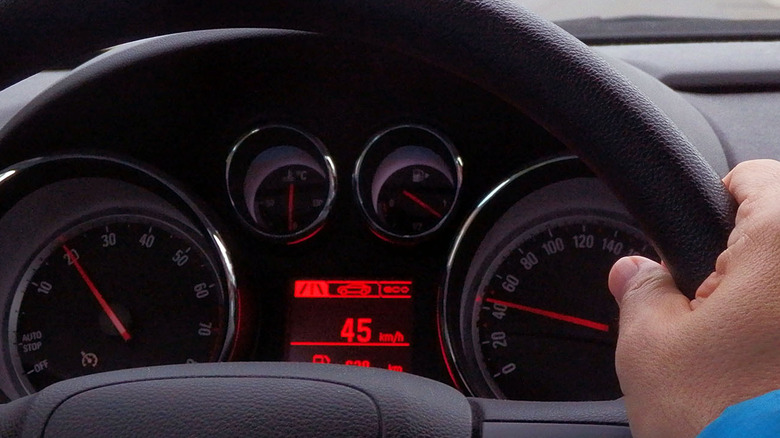
Let’s say you’re a fleet manager installing speed limiters in 50 trucks. Here’s what your average total cost might look like per region (based on Resolute Dynamics dual-speed model):
| Region | Device Cost (50 units) | Installation | Certification | Total Est. Cost |
|---|---|---|---|---|
| India | ₹10,000 x 50 = ₹5,00,000 | ₹1,000 x 50 = ₹50,000 | ₹500 x 50 = ₹25,000 | ₹5,75,000 (~$6,900) |
| UAE | AED 500 x 50 = AED 25,000 | AED 150 x 50 = AED 7,500 | Included | AED 32,500 (~$8,900) |
| Africa | $85 x 50 = $4,250 | $15 x 50 = $750 | $10 x 50 = $500 | $5,500 |
Observation: Africa remains the lowest in base costs, but lacks service coverage in many rural areas. UAE offers best tech, but at a premium. India balances cost and compliance well for domestic fleets.
Hidden Costs to Watch Out For
-
Tampering Penalties: In Kenya and India, tampering with a speed limiter can lead to hefty fines, even vehicle impounding.
-
Downtime: Poor installation or incompatible units can cause vehicle malfunctions, leading to delivery delays and productivity loss.
-
Re-certification: Some countries require annual checks. Failing a test might mean reinstalling the device at your cost.
What You Really Pay For
| Component | Included in Price? | Notes |
|---|---|---|
| Hardware (unit) | yes | Main limiter module + wiring |
| Installation | no | Charged separately in most regions |
| Certification paperwork | Partial | Included only for some models |
| GPS/Telematics software | no | Usually sold as an add-on |
| Training for fleet teams | no | Optional, some brands offer for free |
| Ongoing maintenance | no | Annual or bi-annual updates recommended |
What Drives the Price Difference?
Prices differ not just by brand, but by region. Here’s why:
-
Import duties & taxes: Africa may pay more for imported models
-
Local manufacturing: India and UAE have in-country assembly
-
Regulations: UAE has stricter GSO standards that require better tech
-
Fleet size: Larger orders often get better deals
-
After-sales service: Local support can affect cost and downtime
Certifications Matter More Than You Think
When you’re choosing a speed limiter for your vehicles, price and features matter—but if the product isn’t certified, it’s a ticking time bomb for your business. Whether you manage school buses in India, cargo trucks in Dubai, or matatus in Kenya, regulatory certification is not just a formality—it’s a legal requirement and a signal of product integrity.
Let’s take a closer look at the major certifications that govern speed limiter usage across India, UAE, and African countries, and why they should be at the top of your checklist.
AIS 018 (India) – Mandatory for All Public Vehicles
The Automotive Industry Standard 018—commonly known as AIS 018—is the benchmark regulation for speed limiting devices in India. Issued by ARAI (Automotive Research Association of India) under the Ministry of Road Transport and Highways (MoRTH), this certification ensures that the device:
-
Can effectively restrict the vehicle’s top speed to a preset limit (usually 80 or 60 km/h).
-
Is tamper-proof and can withstand external manipulation.
-
Includes fail-safe mechanisms to prevent system bypassing.
Who needs AIS 018-certified limiters?
-
School buses
-
Public transport buses
-
Taxis registered for commercial use
-
State-run fleet vehicles (e.g., government transport)
Pro Tip: If your speed limiter doesn’t carry an AIS 018 test certificate, it may fail at the RTO level, causing registration delays or even fines. Also, some insurance providers in India require AIS certification to process commercial claims.
GSO (UAE) – Gulf-Wide Safety Compliance
In the UAE and other Gulf Cooperation Council (GCC) countries, speed limiter devices must be certified under the GSO Technical Regulations. GSO stands for Gulf Standardization Organization, which issues rules for vehicle safety systems across:
-
UAE 🇦🇪
-
Saudi Arabia 🇸🇦
-
Oman 🇴🇲
-
Kuwait 🇰🇼
-
Qatar 🇶🇦
-
Bahrain 🇧🇭
A GSO-compliant speed limiter:
-
Must be factory-calibrated and digitally locked to the allowed speed thresholds (typically 100 or 120 km/h).
-
Is required in vehicles such as inter-emirate buses, fuel tankers, school transport, and cargo fleets.
-
Needs to pass the ESMA (Emirates Authority for Standardization and Metrology) inspection before the vehicle can be registered.
Important: UAE enforces very strict checks at vehicle inspection centers. If your limiter lacks GSO certification or fails to sync with vehicle telematics, your registration can be denied or revoked.
NTSA (Kenya) – Road-Use Authorization for Speed Governors
In Kenya, the regulation of speed governors is managed by the National Transport and Safety Authority (NTSA). Since the 2013 “Michuki Rules,” commercial and passenger service vehicles (PSVs) have been required to install tamper-proof speed governors with:
-
Remote monitoring capability
-
Real-time alerts for speed violations
-
Data logs for NTSA inspection
Kenya’s NTSA does not rely on CE or AIS certification. Instead, it has its own list of approved brands and installers that are tested locally. Devices must have:
-
A speed limit of 80 km/h for PSVs
-
Built-in GPS and GSM modules for tracking and reporting
-
A printer or SMS alert system for over-speed notifications
Note: In Kenya, police conduct random roadside checks with handheld scanners to verify if the speed governor is active and compliant. Non-compliance can lead to impoundment and heavy penalties.
CE Marking – European Standard for Quality & Export
While CE certification is not required in India, UAE, or Kenya, it is a global quality symbol used to indicate that a product conforms to European Union safety, health, and environmental standards. For manufacturers like Resolute Dynamics, CE marking means:
-
The product has passed international lab tests
-
It is suitable for export to Europe and other regions that accept CE
-
It ensures basic product safety, EMC compatibility, and reliability
This is particularly important for companies planning to export vehicles or parts across borders, or for multinational logistics providers operating across continents.
Why Certification Affects More Than Just Legality
You might think certifications are only about staying out of trouble with local laws—but in reality, they affect your entire fleet operation. Here’s how:
| Factor | Without Certification | With Certification |
|---|---|---|
| Vehicle Registration | Rejected or delayed | Instant approval |
| Insurance Coverage | Possibly denied | Full coverage eligibility |
| Roadside Inspections | High risk of fines | Pass NTSA/RTO/GSO checks |
| Driver Accountability | No monitoring tools | Real-time tracking/logging |
| Brand Reputation | Viewed as non-compliant | Trusted and professional fleet |
Resolute Dynamics: Certified Across Regions
Resolute Dynamics stands out in the global speed limiter landscape because their devices meet multiple regional certifications, including:
-
AIS 018 (India)
-
GSO compliance (UAE & GCC)
-
CE Marking (EU export)
-
Compatibility with NTSA standards (East Africa)
This makes them one of the few brands with cross-border compatibility, which is critical for fleet operators running vehicles in more than one country, such as UAE–Oman routes or India–Nepal–Bangladesh corridors.
For fleet managers, choosing a multi-certified brand means:
-
Less paperwork
-
Faster inspections
-
Better resale value of vehicles
Real-World Use Case: 100-Vehicle Fleet Comparison
Let’s say you have a fleet of 100 vehicles. Here’s how the cost stacks up across regions.
India
-
Product: ₹7,000 avg x 100 = ₹700,000
-
Installation: ₹1,000 x 100 = ₹100,000
-
Total: ₹800,000 (~$9,600 USD)
UAE
-
Product: AED 300 avg x 100 = AED 30,000
-
Installation: AED 150 x 100 = AED 15,000
-
Total: AED 45,000 (~$12,250 USD)
Kenya
-
Product: $55 avg x 100 = $5,500
-
Installation: $10 x 100 = $1,000
-
Total: $6,500 USD
Note: Africa is cheaper on average, but may lack advanced features or fast support.
How to Choose the Right Speed Limiter
Don’t just go with the cheapest option. Here’s what to think about:
-
Where will the vehicles operate? (City vs highway vs rough roads)
-
Is real-time tracking needed? (GPS)
-
School or commercial use? (Compliance differs)
-
How often is the vehicle used? (Heavy-duty vs light duty)
-
Will you scale later? (Choose flexible, upgrade-ready systems)
Final Thoughts: Who Offers the Best Value?
-
If you’re in India, Autograde or Resolute give great value depending on your budget.
-
In the UAE, Resolute is hard to beat with its balance of tech and support.
-
In Africa, local brands like Jendies work well, but Resolute provides more advanced options if your budget allows.
In short, the best speed limiter depends on your region, vehicle type, and compliance needs. Don’t just look at the price tag—look at long-term support, updates, and integration options like GPS and fleet tracking.
FAQs
Are speed limiters mandatory in all countries?
Yes, in most regions like India and Kenya, speed limiters are legally required for public and commercial vehicles.
Can I install a limiter myself?
Some basic models allow self-installation, but most require professional setup, especially GPS-based ones.
What happens if my limiter fails on the road?
Good brands offer remote diagnostics and quick service. Always ask about the support network before buying.
Are these devices tamper-proof?
High-quality models come with tamper alerts and lock systems. Be sure to check certifications.
Let your fleet run smarter—not faster.