
Every year, we see headlines about fatal crashes, reckless speeding, and heartbreaking accidents involving children or the elderly. It’s a stark reminder: safety on the road is not just about laws. It’s about changing how we drive—and how we limit danger before it strikes.
Could a speed limiter SG solution be the answer? Let’s explore.
The Vision for Zero Accidents in Singapore
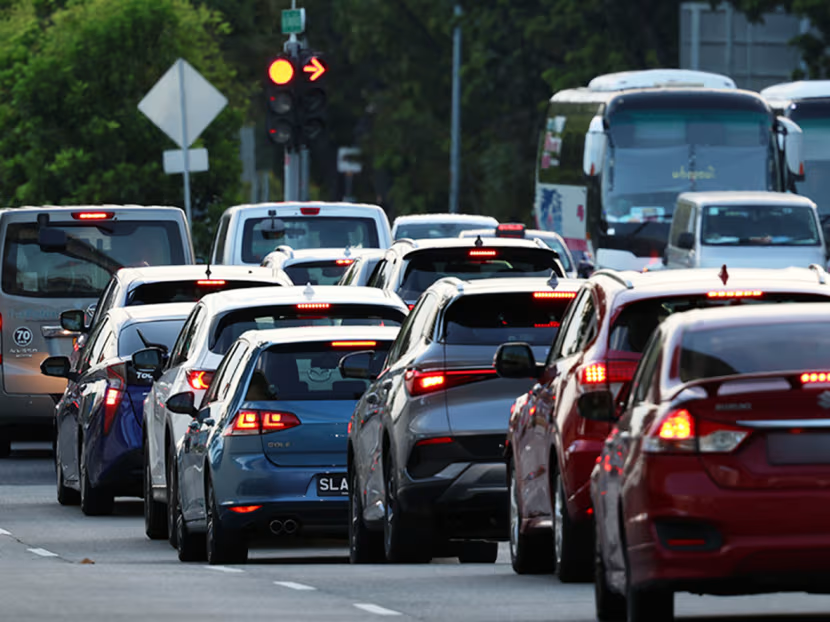
Singapore is no stranger to bold national goals. One of the most ambitious is the Vision Zero movement—a belief that zero traffic deaths is not only possible, but necessary.
This isn’t just a dream. Countries like Sweden and Norway have already shown that with strong policy, technology, and culture, road fatalities can be dramatically reduced. Singapore has taken steps in that direction too—like improved pedestrian crossings, speed cameras, and stricter penalties.
But still, speeding remains a silent killer on our roads.
The Speed Factor: Why Speeding Turns Bad Into Deadly
Speed is deceptive. A few extra kilometers per hour might not seem like a big deal, but in a crash, it can mean the difference between a bruise and a fatality.
According to the World Health Organization (WHO), the risk of death for pedestrians hit by a vehicle increases dramatically above 30 km/h. Singapore’s Land Transport Authority (LTA) has also flagged speeding as one of the top causes of traffic accidents.
When a vehicle moves faster:
-
Reaction time drops
-
Braking distance stretches
-
Impact force becomes lethal
It’s physics. And unfortunately, it’s also reality.
Speed Limiters: What They Are & Why They Matter
Speeding has long been treated as a personal choice, often tied to urgency or habit. But what if the vehicle itself could stop that choice from becoming a danger?
That’s where speed limiter technology comes in. Also called a speed governor, a speed limiter is an electronic or mechanical device fitted into a vehicle’s control system to automatically cap the vehicle’s maximum speed—no matter how hard the driver presses the accelerator.
Think of it like cruise control with a conscience. Instead of just setting a comfortable speed, it sets a hard limit that the vehicle cannot exceed under any condition. This isn’t about restricting freedom—it’s about reinforcing responsibility.
How Speed Limiters Work
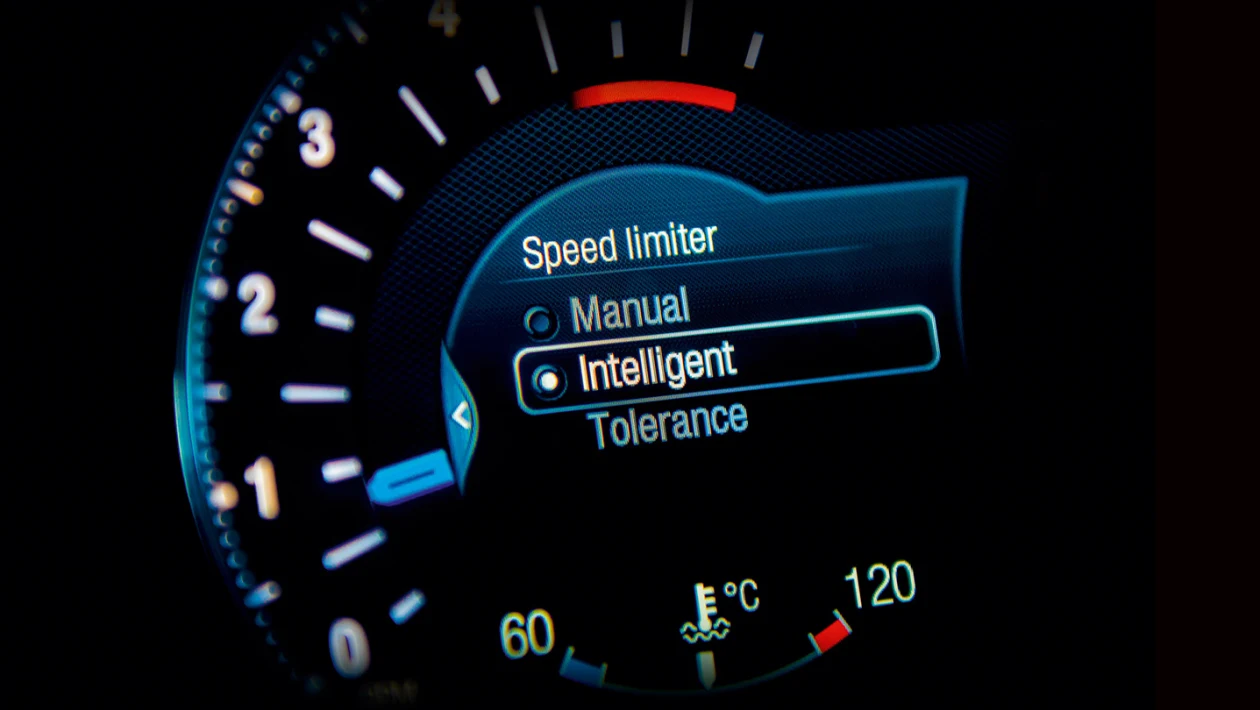
Modern speed limiters are typically connected to the vehicle’s electronic control unit (ECU), which governs how the engine responds to input. The limiter sends signals to the throttle system or fuel injector to prevent the engine from pushing the vehicle beyond a predefined speed threshold.
In some models, especially those using GPS-enabled systems, the limiter can dynamically adjust the cap based on:
-
The current road zone
-
Proximity to sensitive areas (like schools or hospitals)
-
Time of day (e.g., night-time restrictions)
-
Terrain type (for example, downhill descent control)
These types of limiters offer both fixed and adaptive control, turning a passive safety measure into a smart, responsive system.
Types of Speed Limiters Explained
There are several categories of speed limiting systems, each suited for different road conditions, vehicle types, and safety needs:
1. Standard Speed Limiters
-
Set a fixed top speed, often mandated by fleet policy or government regulation.
-
Common in commercial vehicles, public transport, and long-haul trucks.
-
Simple, reliable, and effective in highway driving scenarios.
2. Dual or Multi-Speed Limiters
-
Allow for multiple preset speed profiles depending on location or road type.
-
Ideal for vehicles that transition between urban, rural, and highway zones.
-
Resolute Dynamics offers a terrain-based dual speed limiter, allowing vehicles to operate safely in different environmental conditions without manual adjustments.
3. GPS-Linked Intelligent Limiters
-
Use real-time geolocation data to automatically adjust maximum speed limits.
-
Can integrate with geofencing zones, reducing speed near:
-
Schools
-
Work zones
-
High pedestrian areas
-
-
These systems are part of the broader ISA (Intelligent Speed Assistance) movement being adopted in the EU and other advanced regions.
Why Speed Limiters Matter More Than Ever
Let’s be clear: this isn’t about policing drivers. It’s about saving lives—quietly and consistently.
In a densely populated country like Singapore, where road space is limited and pedestrian traffic is high, even a small misjudgment in speed can have deadly consequences. A speed limiter reduces that margin of error. It enforces consistency, predictability, and accountability—three elements critical to any safe transport system.
And it’s not just about safety. The ripple effects are powerful:
-
Lower fuel consumption
-
Reduced vehicle wear and tear
-
Decreased emissions
-
Improved insurance risk profiles
-
Stronger fleet compliance with national transport laws
Resolute Dynamics: Safety Engineered at Every Turn
Resolute Dynamics isn’t just supplying hardware—they’re engineering a culture of controlled mobility.
Their Dual Speed Limiter is built for complex terrain and urban-rural transitions, making it perfect for regions with mixed geography like Southeast Asia. Their school bus speed solutions prioritize vulnerable road users—young children—and demonstrate a commitment to not just compliance, but care.
These aren’t off-the-shelf gadgets. They’re the result of advanced automotive R&D, focused on making roads safer not only through limitation but through intelligent automation.
What the World Can Teach Us: Speed Limiter Success Stories
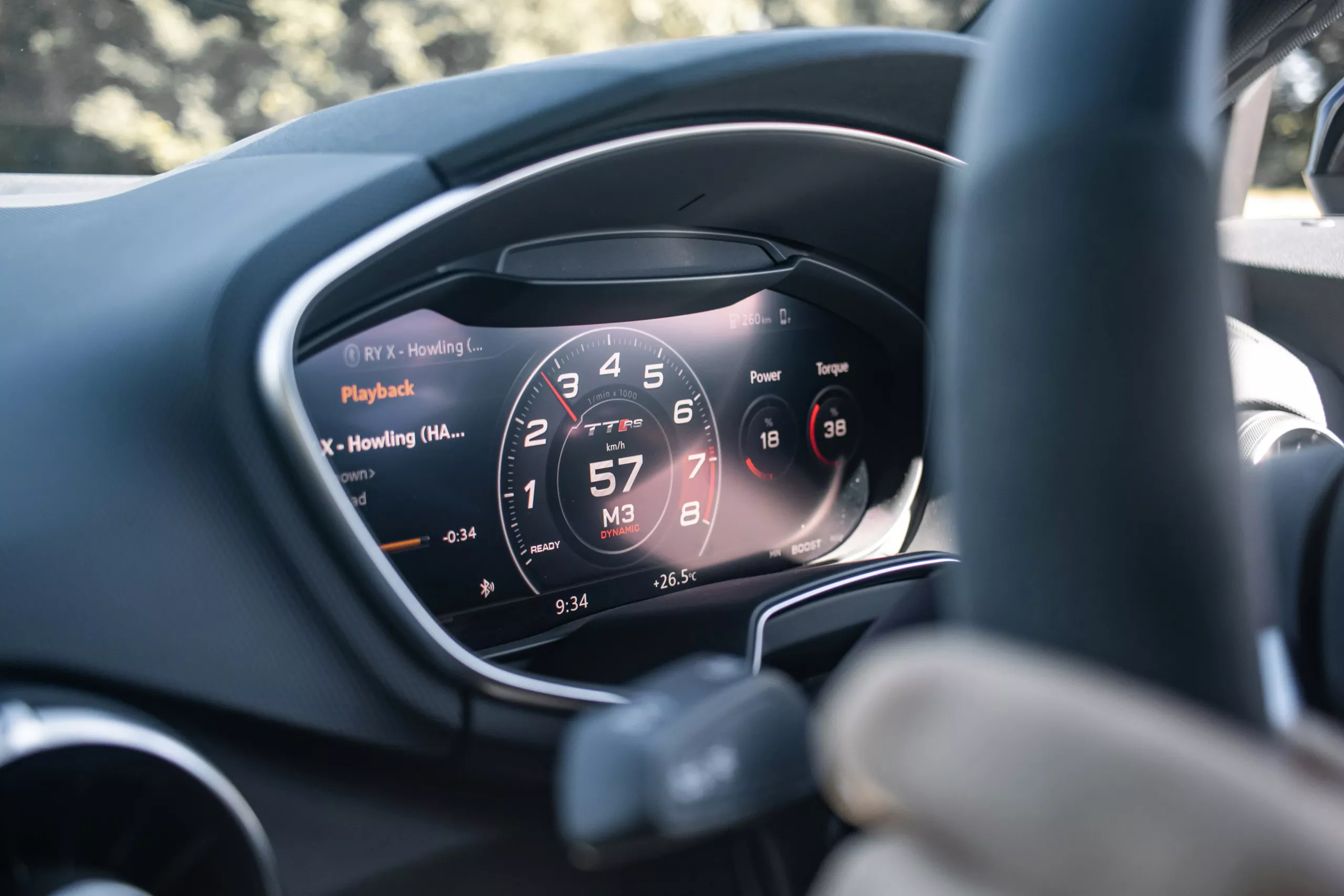
When it comes to road safety, Singapore doesn’t need to start from scratch. Countries around the world have already tested and proven how speed limiting technology can transform road behavior and reduce fatalities. These international case studies show us not only what works—but what could work even better in Singapore’s smart, structured traffic ecosystem.
The European Union: A Mandate for Smarter Driving
The European Union has been one of the earliest and most aggressive adopters of intelligent speed assistance (ISA). As of July 2022, all new cars sold in the EU are required to include ISA, a system that uses GPS data and traffic sign recognition to warn or limit drivers who exceed speed limits.
It’s not just theory—data from the European Transport Safety Council (ETSC) shows that speed limiters could cut fatal crashes by 20%, potentially saving thousands of lives every year.
ISA doesn’t just cap the vehicle’s speed; it nudges the driver toward compliance, combining tech and psychology in one interface.
India: Regulating Speed in Public Transport
India, with one of the highest road accident rates in the world, made speed governors mandatory for commercial and public transport vehicles in several states. This included:
-
School buses
-
Tourist coaches
-
Trucks and taxis
The result? In areas where compliance was enforced, accident rates among fleet vehicles dropped significantly. For example, in Tamil Nadu, fleet incidents involving heavy vehicles dropped by over 30% within the first year of implementation.
India’s move proved that even in challenging enforcement environments, tech can do what policing alone cannot—control dangerous behavior at the root.
United Arab Emirates: Speed Limiting as School Policy
In the UAE, particularly Dubai and Abu Dhabi, school bus safety is a top priority. The government made speed limiters mandatory on all school transport vehicles, capping them at a strict 60 km/h.
But they went further—tying these limiters to telematics and live GPS monitoring, allowing authorities to track speed, driver behavior, and violations in real-time.
The integration of tech not only improved safety but built trust with parents, who now had visibility into their children’s daily journeys.
Nigeria, Kenya, and the African Experience
Several African countries, including Nigeria and Kenya, introduced digital speed governors in response to rising traffic deaths. In Kenya, for example, the National Transport and Safety Authority (NTSA) saw a drop in road crash fatalities in commercial sectors after introducing tamper-proof electronic speed governors.
These regions faced resistance initially—from drivers and fleet owners—but over time, the benefits in reduced crashes, injuries, and insurance costs outweighed the pushback.
Key Learnings from Around the Globe
What do all these examples tell us?
-
Legislation alone isn’t enough. Tech needs to be part of the solution.
-
Speed limiters work best when paired with data. GPS, real-time reporting, and telematics multiply their impact.
-
Fleet integration is the low-hanging fruit. Public transport, delivery vehicles, school buses—these sectors show the fastest safety gains.
-
Public trust grows with transparency. The more stakeholders (like parents or regulators) can see how vehicles behave, the safer everyone feels.
Singapore’s Opportunity
Singapore already leads the world in transport efficiency and smart city infrastructure. By studying and improving upon what other nations have done, we can leap ahead.
Imagine combining Resolute Dynamics’ GPS-connected Dual Speed Limiter with Singapore’s Smart Nation sensors, LTA enforcement tech, and traffic data. That’s not just safer—it’s a model for the world.
Singapore’s Traffic Ecosystem: Are We Ready?
Singapore is often held up as a model city for transport infrastructure. Our Mass Rapid Transit (MRT) runs on time, our electronic road pricing (ERP) keeps traffic flowing, and our strict vehicle ownership laws ensure that only the most committed drivers hit the roads. From the outside, it looks like we’ve figured it all out.
But beneath the surface, new challenges are emerging—especially as the pace of urban living speeds up and more vehicles compete for limited road space. And that makes road safety, particularly through speed control, more urgent than ever.
A High-Density City with High-Stakes Traffic
Singapore is a city where space is a luxury. Our roads are compact, intersections are busy, and pedestrian zones often double as shared paths for bicycles, personal mobility devices, and even e-scooters.
This complexity means one thing: speed amplifies risk.
A speeding delivery van in a crowded HDB estate isn’t just a traffic violation—it’s a potential tragedy. A school bus turning a corner too fast in the heartlands isn’t just careless—it’s catastrophic waiting to happen.
The Key Risk Zones in Singapore’s Vehicle Landscape
Let’s look at the vehicle categories that make Singapore especially suitable—and in need of—smart speed limiting technology:
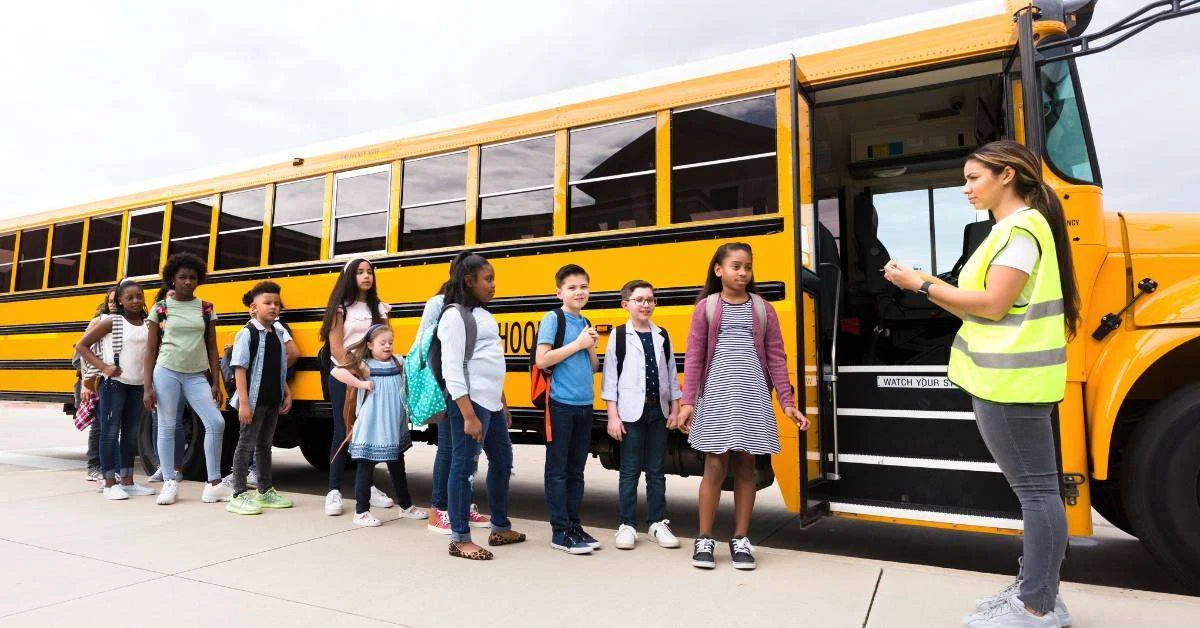
1. School Buses
With over 2,000 school buses operating islandwide, each one carries our most vulnerable passengers: children. These buses navigate residential estates, narrow drop-off zones, and tight car parks—often during peak morning chaos.
Speed limiters, especially those designed for school transport, like the ones from Resolute Dynamics, could ensure no driver exceeds a safe threshold—even by mistake.
2. Logistics and Delivery Fleets
Singapore’s e-commerce boom has exploded the number of delivery vans, lorries, and riders on our roads. From parcels to food delivery, time pressure often pushes drivers to speed.
By integrating fleet-wide speed limiters that adapt based on location (e.g., slowing down in school zones), we reduce not only the risk of accidents but also wear-and-tear and fuel costs—a win for both safety and efficiency.
3. Private Hire Vehicles and Taxis
Grab, Gojek, and other ride-hailing platforms form a backbone of urban mobility. But drivers often clock long hours, covering hundreds of kilometers a day, making them vulnerable to fatigue and speed creep.
A passive limiter can act as a silent safeguard, maintaining safe speeds without needing constant judgment from tired drivers.
4. Industrial and Construction Zones
Areas like Jurong Island, Tuas, and Changi Business Park see high traffic from heavy-duty vehicles. Many of these operate in high-risk zones, where construction workers, engineers, and site personnel move around on foot.
Here, terrain-sensitive speed limiters become critical. Limiting vehicle speeds based on GPS coordinates could prevent devastating workplace accidents.
Strong Enforcement, But Room for Smart Tech
Singapore already does an impressive job in enforcement:
-
Speed cameras at expressways and intersections
-
Average speed zones on long stretches like the Pan-Island Expressway
-
Strict penalties for dangerous driving
But enforcement only works after a violation occurs. Speed limiters flip the equation. They prevent violations before they happen—no ticket, no tragedy.
When prevention becomes automated, human error loses its power.
Public Expectations Are Changing
Singaporeans today expect more from public and private transport operators:
-
Parents want school transport that puts safety above speed
-
Communities demand quieter, calmer roads in housing estates
-
Businesses seek Corporate Social Responsibility (CSR) credentials through safer fleet practices
Installing speed limiters is no longer seen as a cost—it’s becoming a standard of care.
Is Singapore Ready? Absolutely.
We have the digital infrastructure.
We have the regulatory will.
And with solutions like those from Resolute Dynamics—built for precision, compliance, and adaptability—we have the technology.
All we need is a coordinated push:
-
Pilot programs led by LTA or Traffic Police
-
Fleet operators stepping up with voluntary adoption
-
Public-private partnerships to fund and scale safety tech
Singapore doesn’t need to reinvent the wheel. We just need to put safety tech into motion.
Resolute Dynamics: Innovating for Safer Roads
Resolute Dynamics isn’t just another automotive tech company. Their mission is about driving innovation for a safer tomorrow.
Their speed limiter systems go beyond basic functions. For example:
-
Dual Speed Limiters adjust speed based on road type
-
GPS tracking ensures real-time monitoring
-
School Bus Safety Solutions focus on protecting our most vulnerable passengers
With precision engineering, smart R&D, and solutions tailored to local needs, this kind of tech is not just relevant—it’s necessary.
And in a smart city like Singapore, it fits right in.
Safety Is More Than Rules—It’s About People
Behind every speed-related accident is a story. A child on the way to school. A delivery rider rushing to meet a deadline. A tired driver on the expressway.
When we talk about speed limiters, we’re not just talking about machines—we’re talking about peace of mind.
Parents deserve to know that their kids are safe in a school bus. Fleet managers should know their drivers won’t be tempted to go too fast. Pedestrians should feel safe crossing the road.
Safety is emotional. It’s human. And technology, when used right, protects that humanity.
A Roadmap for Singapore: What Comes Next?
So how can Singapore lead the way in this space? Here are some ideas:
-
Pilot Programs: Equip public buses or school transport fleets with speed limiters for a trial period.
-
Incentives: Offer tax benefits or grants for fleet owners who adopt smart safety systems.
-
Public Education: Launch campaigns to raise awareness about how speed kills—and how speed limiters save.
-
Private Partnerships: Collaborate with safety tech firms like Resolute Dynamics to roll out tailored solutions.
Vision Zero is a bold goal. But bold goals need bold moves.
Take the First Step Toward Safer Roads
If you’re ready to equip your fleet or organization with trusted speed control solutions,
Contact Resolute Dynamics about speed limiter SG options and discover how smart technology can help you drive safety forward—today.