
Speeding is still one of the top causes of road accidents in Singapore. That’s why vehicle speed limiters—also called speed governors—have become a legal and safety must-have for fleet owners. If your speed warning device Singapore setup isn’t tamper-proof, your fleet could face serious legal consequences.
Why Tamper-Proofing Matters More Than Ever in Singapore
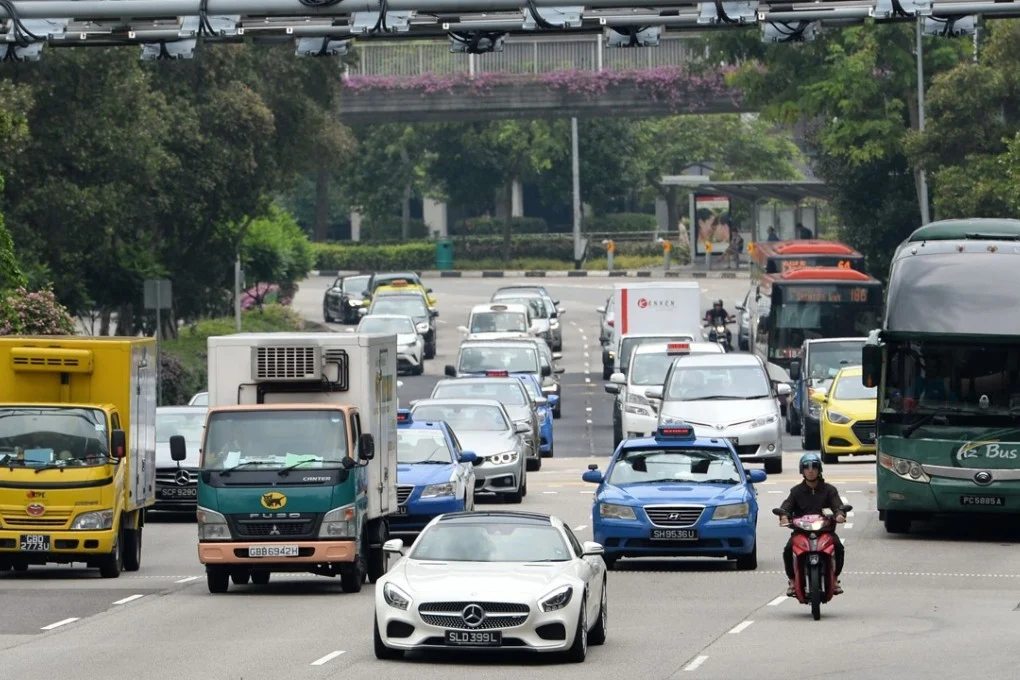
Singapore’s Land Transport Authority (LTA) has tightened enforcement around speed limiter regulations, especially for commercial vehicles, school buses, and logistics fleets. If a driver or mechanic can bypass your speed limiter, the device becomes pointless—and worse, you could be legally liable for any accident that follows.
Tampering with a speed limiter isn’t just about breaking the rules. It also:
-
Increases accident risks
-
Jeopardizes passenger safety (especially for school transport)
-
Voids insurance claims
-
Triggers penalties from the LTA or Ministry of Transport
What Exactly Is a Tamper-Proof Speed Governor?
A tamper-proof speed governor isn’t just a regular speed limiter with a security sticker slapped on—it’s a highly engineered system built to resist manipulation, signal bypassing, and firmware tampering. In Singapore, where LTA (Land Transport Authority) compliance is strict, having a tamper-proof system is a non-negotiable part of legal fleet operation.
Let’s break it down into what truly makes a speed governor tamper-proof and how it works to protect both your vehicles and your reputation.
Sealed & Hardened ECU (Electronic Control Unit)
The ECU is the brain of the speed governor system. In tamper-proof designs, this unit is:
-
Physically sealed with tamper-evident casings or epoxy potting
-
Built with tamper switches that trigger alerts when the casing is opened
-
Lacks exposed OBD-II or diagnostic ports that can be accessed by generic scan tools
This prevents access by unauthorized technicians or drivers who might try to bypass the speed control function by reflashing or rewiring the module.
Encrypted Firmware and Software Locking
A smart tamper-proof speed limiter uses firmware encryption that:
-
Blocks unauthorized reprogramming attempts
-
Validates software integrity through digital signatures
-
Stores checksums that detect even the smallest code-level tampering
Some advanced systems even run bootloader-level security protocols, similar to those used in the banking industry, ensuring only certified updates can be installed via secure access channels.
Integrated GPS and Speed Telemetry
Unlike basic mechanical governors, modern tamper-proof devices include real-time GPS tracking. This system:
-
Captures location, speed, acceleration, and route patterns
-
Detects anomalies like overspeeding, hard braking, or device disconnection
-
Syncs data with a fleet telematics dashboard for constant monitoring
When a driver attempts to bypass the limiter, the GPS data provides a trail of truth. For example, if a truck hits 110 km/h in an 80 km/h zone, the data will clearly contradict the limiter’s supposed function—revealing tampering.
Tamper Detection and Instant Alerts
One of the most valuable features for fleet operators is real-time tamper alerts. A robust tamper-proof system:
-
Detects power loss, sensor disconnection, or ECU breach
-
Sends SMS or email alerts instantly to fleet managers
-
Logs timestamps and event types in the onboard memory
This makes tampering attempts visible immediately—not during your next monthly audit, but in real time. Some systems even disable engine ignition under certain tampering conditions, forcing accountability.
Comprehensive Event Logging (Digital Evidence Trail)
Tamper-proof systems include non-erasable event logs, often protected by cryptographic keys. These logs record:
-
Speed violations
-
Manual overrides
-
GPS anomalies
-
Tampering attempts
-
Device shutdowns or restarts
This log becomes your digital black box—crucial in audits, insurance claims, and compliance reviews. It’s also an excellent tool for driver training and behavioral tracking.
Compliance-Ready and Certified Hardware
In Singapore, tamper-proof speed governors must meet LTA regulatory standards and often require third-party certification. Features that contribute to compliance include:
-
ISO 9001-certified production processes
-
Field calibration locks with technician-only access
-
Compatibility with LTA monitoring systems
Devices that lack these credentials may not pass inspections or might be flagged during roadworthiness tests.
Signs Your Speed Governor Might Be Vulnerable
Your fleet might be following the law on paper, but if your speed governors are easily tampered with, you’re still exposed to legal, safety, and operational risks. Tampering doesn’t always look like sabotage—it can be as subtle as unplugging a wire or switching out a sensor. If your system lacks proper safeguards, it’s only a matter of time before someone figures out how to disable it.
Here’s how to tell if your fleet’s speed limiter system is leaving you wide open.
Unsealed or Exposed Wiring
Think of wiring like the veins of your speed governor. If they’re left unprotected, it’s like leaving your security system unlocked. Mechanics, drivers, or anyone with basic knowledge of vehicle electronics can access these wires, interrupt sensor signals, or insert bypass modules to disable the speed-limiting function.
In some cases, even a simple power disconnection or reroute is enough to trick the system into thinking everything is fine. The worst part? You may not even know it’s been tampered with—until there’s an accident or your vehicle is pulled over for inspection.
What to look for:
-
Are wires visibly hanging under the dashboard or engine bay?
-
Are connectors accessible without removing protective casings?
-
Do your devices have tamper-proof sleeves or sealed harnesses?
No Alarm or Tamper Detection System
If someone cuts power to the limiter, opens the ECU, or removes a sensor and there’s no alarm triggered, your system is blind to tampering. In this case, you won’t know a device was bypassed until it’s too late—after a speed violation, an audit failure, or worse, an accident.
Modern, compliant systems come with tamper detection protocols. These include:
-
Voltage drop detection
-
Device casing intrusion switches
-
Disconnection alerts
-
Power reset counters
They immediately notify fleet managers through SMS, email, or dashboard alerts when any tampering attempt occurs.
What to look for:
-
Does your system send alerts if the device is unplugged?
-
Is there an event log showing last system disconnection?
-
Are tampering events stored even after power loss?
No GPS Integration or Data Logging
A speed limiter without GPS is like a plane without a black box. It might control speed, but there’s no accountability. You don’t know:
-
Where the vehicle was speeding
-
How often the speed limiter activates
-
Whether the system was ever turned off
GPS integration adds a second layer of evidence. It allows fleet managers to see:
-
Route history
-
Overspeed violations by location
-
Tampering alerts tied to specific places and times
This becomes crucial in the event of an insurance claim, police investigation, or internal compliance audit.
What to look for:
-
Does your limiter sync with GPS data or fleet telematics?
-
Can you pull up historical speed reports from a cloud dashboard?
-
Is data stored in the device in case of power or signal loss?
Lack of Regulatory Certification
In Singapore, it’s not enough to just install a speed limiter. The device must be certified by the Land Transport Authority (LTA) or an approved regulatory body. If you’re using a system that lacks official approval, you’re essentially running blind. And during inspections, this could result in:
-
Fines
-
Fleet grounding
-
License suspension
-
Insurance denial
Certified devices undergo rigorous testing for accuracy, tamper resistance, and compatibility with legal frameworks.
What to look for:
-
Does your speed limiter have an LTA certificate?
-
Was it installed by an authorized provider?
-
Is your system listed in the LTA-compliant product database?
No Support for Dual or Terrain-Based Speed Limits
Singapore isn’t a one-speed country. Vehicles often move between urban roads, expressways, and restricted zones, each with its own speed requirements. A basic governor that caps speed at one fixed limit won’t cut it—and worse, might force drivers to bypass it out of frustration.
For example:
-
A 60 km/h limit might be fine in city traffic, but on highways, it’s inefficient and even dangerous.
-
Drivers may attempt to disable the limiter temporarily in faster zones—opening a clear path for tampering.
What to look for:
-
Can your device switch between speed profiles based on GPS zones or terrain types?
-
Does it support dual-speed settings for different roads?
Legal & Safety Risks of Using a Non-Tamper-Proof Device
Let’s not sugarcoat it—if your fleet’s speed governor can be tampered with, you’re one incident away from legal and financial disaster.
In Singapore, speed limiters aren’t optional. They’re a legal requirement, especially for commercial fleets, logistics vehicles, and school transport services. And when that legal requirement is easily bypassed, your company becomes the one on trial—not the device.
Here’s a breakdown of the real-world legal, financial, and reputational risks that come with operating a non-tamper-proof speed governor system.
Legal Liability Falls on the Operator, Not the Driver
Many fleet managers wrongly assume that if a driver tampers with the speed governor, the driver alone is at fault. In reality, under Singapore’s Road Traffic Act and LTA regulations, the vehicle owner or operating company is held responsible for ensuring all safety systems are functional and compliant.
If tampering leads to an accident, the courts will ask:
-
Did the fleet operator implement tamper-resistant devices?
-
Were regular system checks carried out?
-
Were proper records kept?
If the answer is “no,” liability shifts directly to the business—not the individual behind the wheel.
Hefty Fines and Regulatory Action from the LTA
Singapore’s Land Transport Authority takes speed compliance seriously. If a fleet vehicle is found with a tampered or disabled governor, the penalties can include:
-
Fines exceeding SGD $1,000 per offence
-
Immediate vehicle deregistration
-
Suspension or revocation of operating licenses
-
Blacklisting from public tenders
And it’s not just one vehicle at risk. Once a compliance issue is found, the entire fleet may be subjected to inspection, leading to operational downtime and potential reputational fallout.
Criminal Charges in the Case of Severe Accidents
If a tampered speed limiter results in a serious road traffic accident, particularly one involving:
-
Injury to passengers
-
Damage to public infrastructure
-
Fatalities (e.g., involving school buses or transport vans)
…fleet managers and company directors could face criminal prosecution under the Penal Code or Road Traffic Act. Charges may include:
-
Negligence causing death
-
Endangerment of public safety
-
Corporate manslaughter (in extreme cases)
Even if unintentional, failing to ensure a vehicle is roadworthy and compliant qualifies as gross negligence under Singapore law.
Insurance Denials and Coverage Voids
No matter how good your insurance policy is, insurers have one clear clause in every fleet or motor policy: compliance with road safety standards is required at all times.
If an investigation shows that:
-
The speed limiter was non-functional
-
It was bypassed or disconnected
-
Your system failed to detect or report tampering
…your insurer can refuse to honor the claim, even in multi-million-dollar cases. This leaves your company to shoulder:
-
Repair costs
-
Medical or legal compensation
-
Third-party claims
Destroyed Public Trust – Especially for School Transport Providers
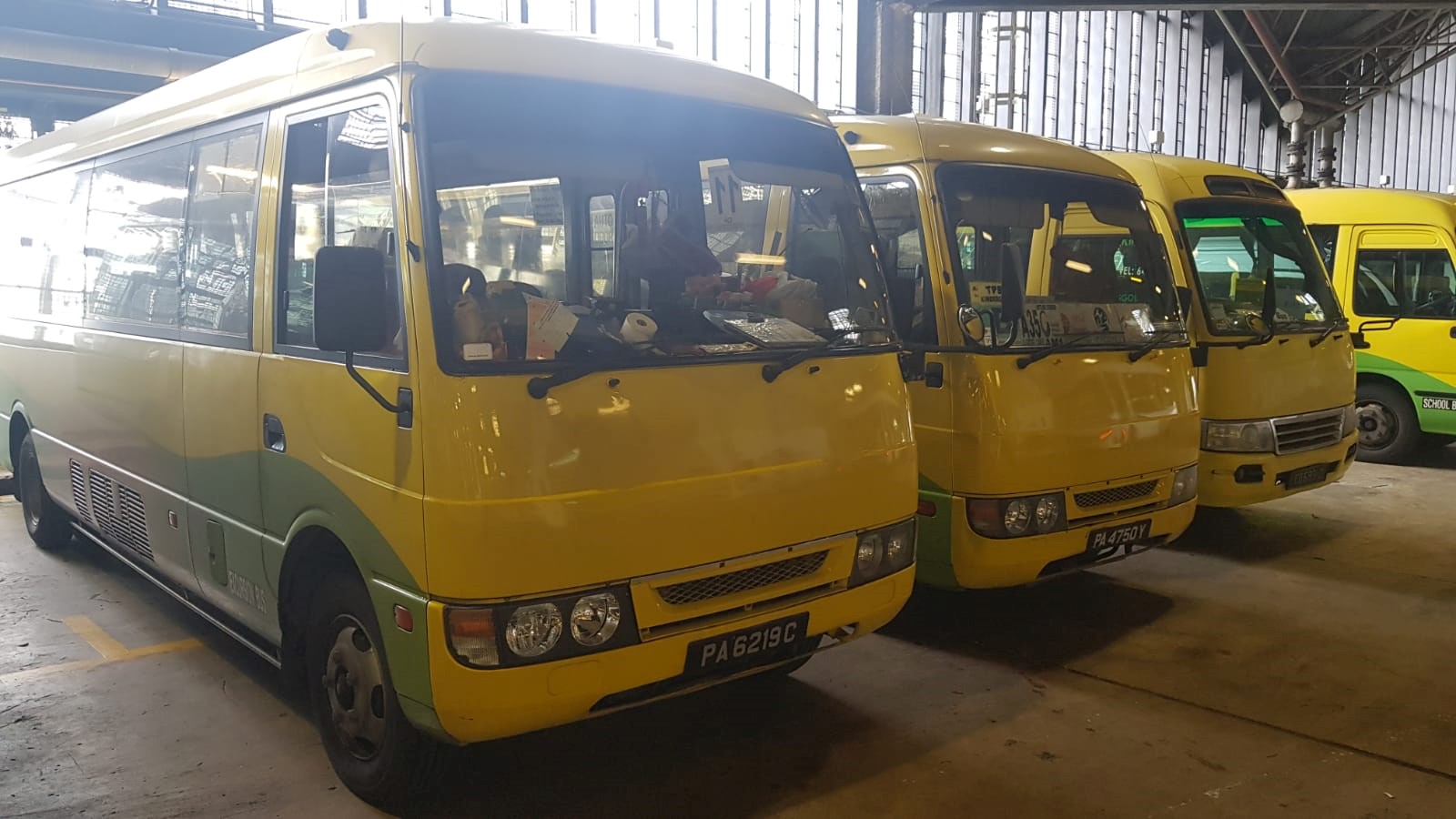
If you’re operating in sensitive sectors like school transportation, employee shuttle services, or public logistics, trust is your currency.
A tampered speed governor—even if it doesn’t cause an accident—can:
-
Lead to contract cancellations
-
Trigger media scrutiny
-
Damage long-standing relationships with public agencies
School bus contractors, for example, are expected to uphold the highest safety standards. A single compliance failure can result in permanent blacklisting from the Ministry of Education or related regulatory bodies.
Audit Failures and Government Scrutiny
Government bodies, including the LTA and Ministry of Transport, conduct random fleet safety audits. If your devices:
-
Don’t have LTA certification
-
Show signs of tampering
-
Lack tamper-proof technology
…you may fail the audit and be required to:
-
Replace all speed governors
-
Undergo costly re-certification
-
Temporarily suspend fleet operations
This isn’t a small hiccup—it’s a serious operational disruption with cascading effects on delivery schedules, employee contracts, and customer satisfaction.
How to Audit Your Fleet for Compliance Today
You don’t need a full investigation to find out if your fleet is at risk. Start with a simple audit:
Check if the devices are physically secure and sealed
Look for GPS and data logging capabilities
Ask for the speed limiter’s LTA compliance certificate
Test the alert system—does it report tampering or disconnection?
Review installation reports and maintenance history
If you’re unsure, it’s better to act now than risk a failed inspection later.
Meet the Tamper-Proof Tech Trusted by Singapore Fleets
Resolute Dynamics builds advanced speed limiters with anti-tampering at the core. Designed for Singapore’s regulatory landscape, these devices offer:
-
Sealed ECUs with encrypted firmware
-
Real-time GPS and terrain-based controls
-
Dual-speed limiter options for varied driving zones
-
Tamper detection systems that trigger alerts
-
Certified for LTA compliance
Whether you run a delivery fleet, school transport service, or logistics company, upgrading to a smart, secure limiter system gives you peace of mind.
Upgrading Is Easier Than You Think
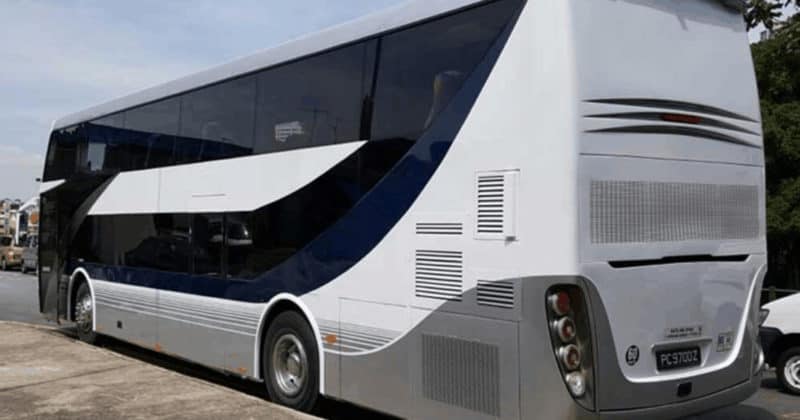
Switching to a tamper-proof system doesn’t require a full vehicle overhaul. Many providers offer retrofit installations, so you can upgrade your existing fleet without replacing vehicles.
Here’s how the process works:
-
Schedule a fleet audit
-
Install certified devices
-
Train your staff on system usage
-
Monitor compliance through a digital dashboard
Resolute Dynamics offers local support in Singapore, so you’re not left guessing.
Final Thought: Don’t Wait for an Accident or Inspection
Your fleet’s speed limiter is more than a box under the dashboard—it’s a line of defense. And if it’s not tamper-proof, it’s not doing its job.
By securing your system, you’re:
-
Staying legally compliant
-
Protecting lives on the road
-
Avoiding financial and reputational loss
Now is the time to ask: Is your speed governor tamper-proof? If you’re unsure, it might be time for a change.
Need Help?
Reach out to a certified provider like Resolute Dynamics and request a fleet compliance consultation. It’s the smart move for fleet safety in Singapore.