
In Singapore’s fast-paced logistics world, many still think speed is the key to winning contracts. But let’s be honest—faster isn’t always better. Contracts today are awarded not just for how quickly goods move, but for how safely, efficiently, and compliantly they do. That’s where speed limiters come in. Far from being a limitation, they’re a business advantage.
Let’s dive into why limiting speed can unlock growth, trust, and better returns for your logistics fleet.
Singapore’s Logistics Scene: Speed Isn’t the Selling Point Anymore
Singapore has earned its reputation as a logistics and transportation hub in Southeast Asia. With world-class infrastructure, strategic port access, and highly integrated multimodal transport systems, it serves as the heartbeat of supply chains connecting ASEAN, China, and beyond. But while the island nation is known for efficiency, speed alone no longer defines logistics success—especially in today’s compliance-driven, risk-averse business climate.
In fact, pushing for speed over safety is now a liability.
A Strict Regulatory Environment That Demands Compliance
Logistics operators in Singapore must comply with some of the most rigorous transport and road safety regulations in the region. The Land Transport Authority (LTA), in coordination with the Traffic Police and Workplace Safety and Health Council (WSHC), enforces:
-
Vehicle class speed limits (e.g., 60 km/h for heavy vehicles)
-
Driver demerit systems and license suspensions for repeated violations
-
Mandatory safety certifications for fleet operators
-
Vehicle inspection compliance and GPS audit trails
For commercial fleets, particularly those in goods delivery, waste management, public transport, and courier services, every speeding fine, accident, or violation becomes part of your record—and that record speaks louder than your pricing in competitive tenders.
Clients and procurement officers regularly request:
-
Safety performance reports
-
Fleet management practices
-
Driver training programs
-
Proof of speed control systems or telematics monitoring
If your vehicles have been flagged for speeding, tailgating, or collisions—even minor ones—those red marks may cost you the next big contract.
Client Expectations Have Evolved
In the past, logistics contracts were won on speed and pricing. But today’s clients—especially multinational companies, public agencies, and ESG-focused corporations—prioritize reliability, safety, and operational transparency.
What logistics buyers now look for:
-
On-time, damage-free delivery
-
Proactive risk management
-
GPS tracking and fleet visibility
-
Tamper-proof speed control and behavior monitoring
-
Sustainable delivery practices (carbon footprint, idle reduction, route efficiency)
Speed is only valuable if it’s controlled. A “fast” delivery that results in damaged goods, safety risks, or compliance issues does more harm than good—to the client and to your brand.
Government Contracts Come with Higher Scrutiny
When applying for tenders issued by Singapore’s government-linked companies (GLCs), statutory boards, or municipal councils, contractors are screened for safety and compliance history.
RFP documents now include clauses such as:
-
“Contractor must demonstrate effective fleet safety controls and speed management systems.”
-
“Only vendors with proven LTA-compliant operations and no recent serious transport violations will be considered.”
-
“Preference will be given to suppliers who integrate environmental and social risk controls in delivery operations.”
That means a fleet that lacks speed governance technology or has even a handful of recent safety violations is instantly disqualified—no matter how competitive the price.
The Real Cost of Speeding: Lost Trust, Not Just Fines
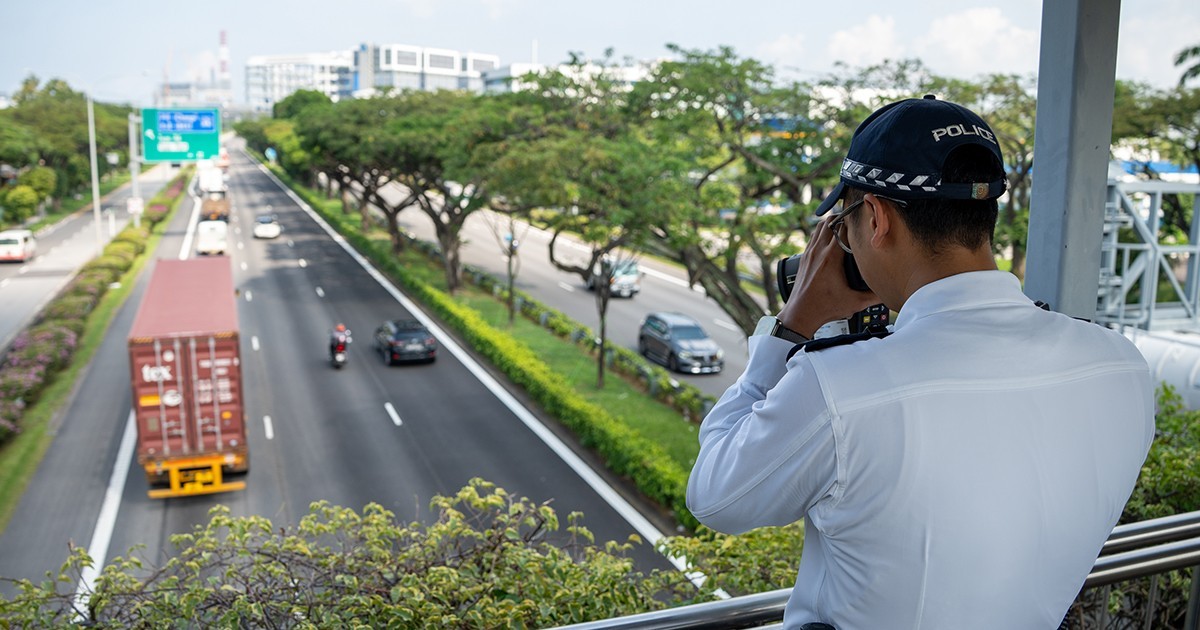
Speeding might shave minutes off a route—but it adds risk, cost, and reputation damage.
-
Financially, speeding increases fuel burn, wear-and-tear, and insurance premiums
-
Legally, it increases exposure to claims, penalties, and demerit points
-
Reputationally, it positions your business as reckless—not reliable
In an industry where clients are reviewing logistics vendors every 6 to 12 months, even one mistake can push your firm off the preferred vendor list.
What Logistics Buyers Actually Want
Let’s reframe the procurement mindset:
| Outdated Buyer Thinking | Modern Buyer Expectations |
|---|---|
| “Get it there as fast as possible.” | “Get it there safely, legally, and on time.” |
| “Low cost = best value.” | “Low total cost of risk = real value.” |
| “Speed equals efficiency.” | “Controlled delivery equals trust.” |
| “No limiter means flexibility.” | “Limiters mean accountability and data.” |
Your fleet’s safety scorecard, compliance record, and use of speed control systems have now become a core part of your sales pitch—whether you realize it or not.
Why Speed Limiters Make Business Sense
Speed limiters are no longer just about slowing vehicles—they’re about accelerating profitability, protecting brand reputation, and keeping your business on the right side of regulation. For logistics operators in Singapore, where compliance, safety, and cost control are everything, speed limiters offer more than safety—they offer strategic and financial advantages that ripple across the fleet.
Let’s break down how a speed control system can transform your logistics operation from a reactive cost center into a proactive profit driver.
Fuel Efficiency That Protects Your Margins
Every logistics business watches fuel costs closely—especially in Singapore, where fuel prices remain among the highest in Southeast Asia. Speeding increases aerodynamic drag, causing engines to burn significantly more diesel per kilometer. At highway speeds, even a 5–10 km/h increase can spike consumption by 6–15%, according to international transport studies.
By setting speed thresholds (typically 70–80 km/h for heavy vehicles), speed limiters eliminate aggressive driving and optimize fuel usage. For fleets with dozens—or hundreds—of vehicles on the road daily, that can result in:
-
Up to 20% fuel cost savings per vehicle
-
More predictable fuel budgeting
-
Reduced carbon emissions, supporting ESG targets
With Singapore’s push toward sustainability and green supply chains, this positions your fleet as both eco-conscious and cost-effective.
Reduced Wear and Tear on Fleet Assets
High speeds don’t just consume more fuel—they accelerate mechanical degradation. Brakes heat up and wear out faster, tires lose their tread sooner, and engines experience higher strain. These issues shorten vehicle lifespans and increase unscheduled downtime—a nightmare for just-in-time logistics operations.
Speed limiters reduce the stress placed on:
-
Braking systems (less frequent and aggressive braking)
-
Engines and transmissions (lower RPMs, smoother driving)
-
Suspension and tires (less road shock and heat build-up)
Over time, this translates into:
-
Fewer repair intervals
-
Lower maintenance costs
-
Increased resale value of vehicles
-
Better vehicle uptime, keeping deliveries on schedule
Fleets that adopt speed governors often report 15–25% longer asset lifespans, which can significantly shift the total cost of ownership (TCO) in your favor.
Fewer Accidents, Stronger Insurance Position
Speeding is one of the top contributors to road traffic accidents, particularly involving commercial and heavy vehicles. Singapore’s Ministry of Transport and Traffic Police have increased enforcement of speed-related violations—especially in logistics corridors like Tuas, Jurong, and the AYE.
With speed limiters in place, your fleet drivers are less likely to:
-
Take dangerous corners at unsafe speeds
-
Tailgate or brake suddenly
-
Lose control in wet or congested conditions
The result?
-
Fewer accident claims
-
Lower insurance premiums over time
-
Reduced legal and operational downtime
-
Improved fleet safety scores, a factor often checked by corporate clients and tender evaluators
Insurers in Singapore are increasingly recognizing risk-mitigated fleets, offering better group insurance rates to logistics firms that can prove the use of tamper-proof limiter technology.
Instant Compliance with Singapore’s Strict Transport Rules
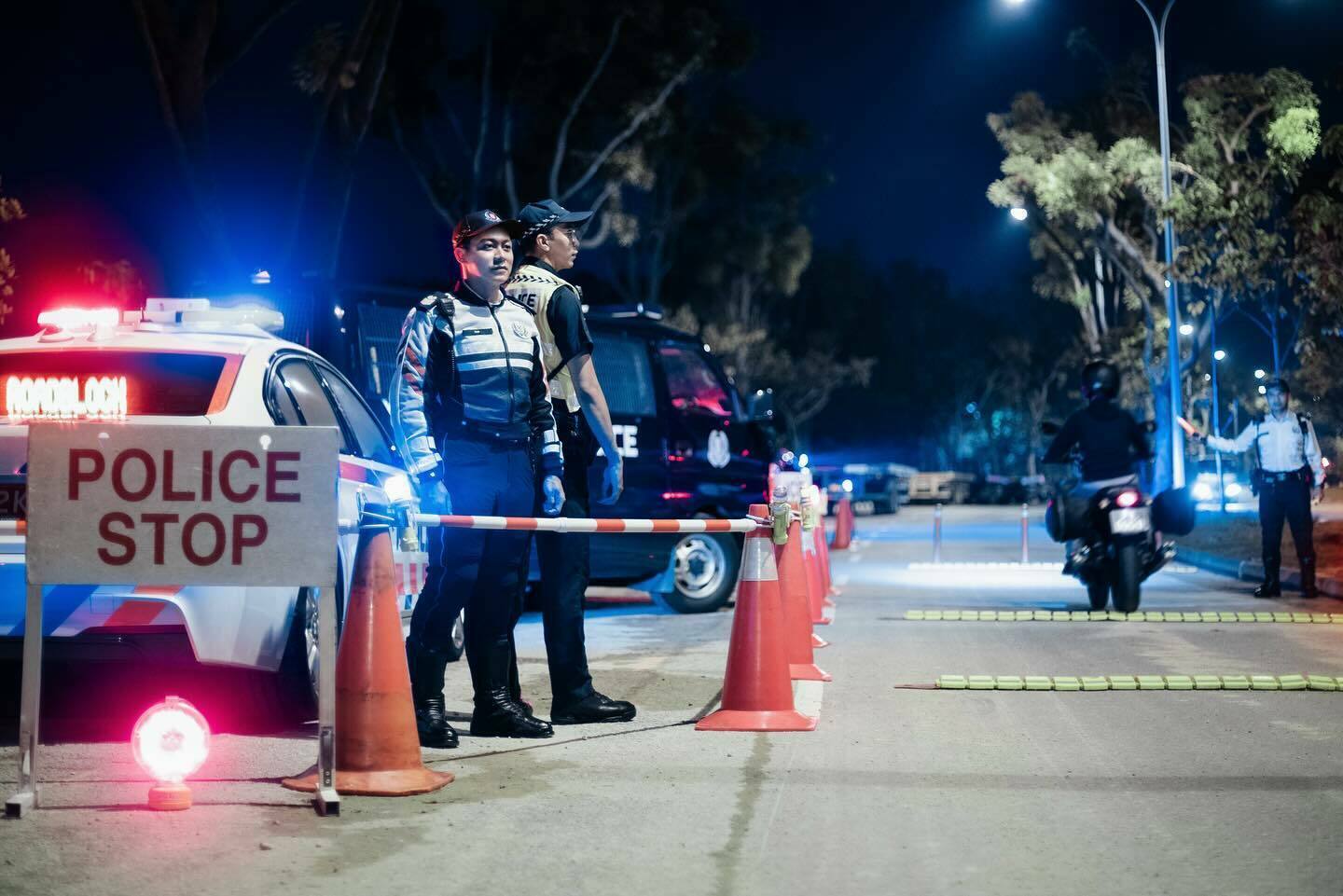
In Singapore, road safety isn’t a suggestion—it’s law. Commercial fleets must adhere to strict Land Transport Authority (LTA) regulations, including speed restrictions for heavy vehicles, school buses, and commercial vans. LTA also works with other agencies like the Workplace Safety and Health Council (WSHC) to enforce logistics safety standards across industries.
Speed limiters help ensure compliance with:
-
Vehicle Class Speed Restrictions (e.g., 60 km/h for buses and goods vehicles)
-
Fleet audit trails, with GPS data proving legal operation
-
Client-mandated SLAs (Service Level Agreements) that prioritize safety metrics
Violations can lead to:
-
Fines and vehicle impoundment
-
Blacklisting from government and corporate contracts
-
Reputation loss in a tight and competitive logistics community
Installing speed control systems gives you peace of mind that your fleet isn’t just productive—it’s legal, reputable, and eligible for larger-scale projects. Investing in professional speed limiter installation ensures compliance with LTA’s evolving transport laws and prevents issues during roadside inspections or audit reviews.
Data-Driven Fleet Optimization
Modern speed limiters from providers like Resolute Dynamics integrate with real-time GPS tracking, driver behavior analytics, and cloud-based fleet dashboards. That means logistics managers gain visibility into:
-
Speed trends across different zones
-
Driver behavior patterns
-
Route-level risk assessment
-
Idle time and route inefficiencies
These insights help you make smarter business decisions—re-routing, re-training, or re-strategizing where needed to increase efficiency and lower risk.
A Real-World Scenario: Winning with Safety
Imagine a mid-sized logistics company in Singapore—Falcon Freight Solutions Pte Ltd. With a fleet of 60 commercial delivery vehicles, the company operates daily routes from Tuas to Changi, handling everything from time-sensitive medical shipments to retail distribution for major supermarket chains. Like many logistics operators, Falcon was under pressure to reduce costs, improve service quality, and meet strict client expectations for safety and compliance.
But Falcon had a problem:
-
Fuel consumption was inconsistent.
-
Accident rates, although minor, were rising.
-
Several clients had flagged driver behavior issues during delivery audits.
-
The company had recently lost out on a municipal contract due to a subpar fleet safety score.
Turning Point: Implementing Dual-Speed Limiters
In response, the operations director decided to pilot a fleet-wide upgrade—installing dual-speed limiters from Resolute Dynamics.
These devices weren’t just “on-or-off” speed governors. They were smart, terrain-aware systems that automatically adjusted the maximum allowed vehicle speed depending on the zone:
-
Expressways: Capped at 80 km/h for efficiency
-
Urban roads and residential areas: Capped at 50 km/h for safety
-
School zones: Auto-alert and reduction to 40 km/h during peak school hours
The rollout included:
-
Full installation across all 60 vehicles
-
Integration with Falcon’s GPS telematics dashboard
-
Training sessions for 80+ drivers to understand the new system
-
Internal KPIs tied to driving behavior and vehicle efficiency
Results Within 6 Months: Tangible ROI
The change was immediate—and measurable. Within six months of implementation, Falcon Freight saw notable improvements across key performance indicators:
Fuel Consumption Dropped by 18%
With the speed caps in place, driver acceleration became more consistent. No more unnecessary revving, harsh braking, or wasteful idling in fast lanes. Fleet fuel bills dropped significantly. Over six months, the company saved close to SGD 22,000 in diesel costs alone.
Minor Accidents Fell by 30%
The company had been averaging around 9 minor collisions or fender-benders per quarter—mostly due to tight turns, last-minute lane changes, and overspeeding in congested zones. After implementing dual-speed limiters, this dropped to just 6 incidents in six months.
Beyond the statistics, insurance claim paperwork reduced, vehicles stayed on the road longer, and the driver morale improved. Drivers themselves reported feeling less stressed and more in control behind the wheel.
Customer Satisfaction Improved
Several high-value clients, including a global pharma distributor and a government-linked logistics tender, took note of the improvements. On-time delivery rose by 12%, largely due to smoother vehicle operation and route planning insights from the integrated telematics system.
Customer feedback highlighted:
-
Fewer complaints about reckless driving
-
Better predictability in delivery windows
-
Higher confidence in Falcon’s fleet professionalism
The company even began printing “This Vehicle is Speed Controlled for Your Safety” on rear bumpers—a simple visual trust-builder for clients and the public.
Shortlisted for a Government Supply Contract
Before the system upgrade, Falcon had been excluded from a government procurement framework for public sector deliveries due to safety compliance gaps. Post-implementation, the company applied again—and this time, they were shortlisted.
The dual-speed limiter system, coupled with detailed GPS audit logs, helped the operations team demonstrate:
-
Strong commitment to safety
-
Full compliance with Land Transport Authority (LTA) guidelines
-
Transparent reporting with zero tolerance for tampering or manual overrides
While still pending final approval, Falcon’s leadership saw this as validation that safer fleets don’t just avoid penalties—they attract contracts.
More Than Cost Cutting—It Was Brand Building
What Falcon learned in six months was clear:
Speed wasn’t helping them grow. In fact, it was holding them back.
By slowing down, they sped up:
-
Client trust
-
Operational efficiency
-
Contract eligibility
-
Driver safety culture
This real-world shift shows that dual-speed limiters are more than compliance tools—they’re growth enablers. For Singapore logistics firms navigating a hyper-regulated, highly competitive environment, this is a clear edge.
Beyond Safety: Speed Limiters as a Strategic Differentiator
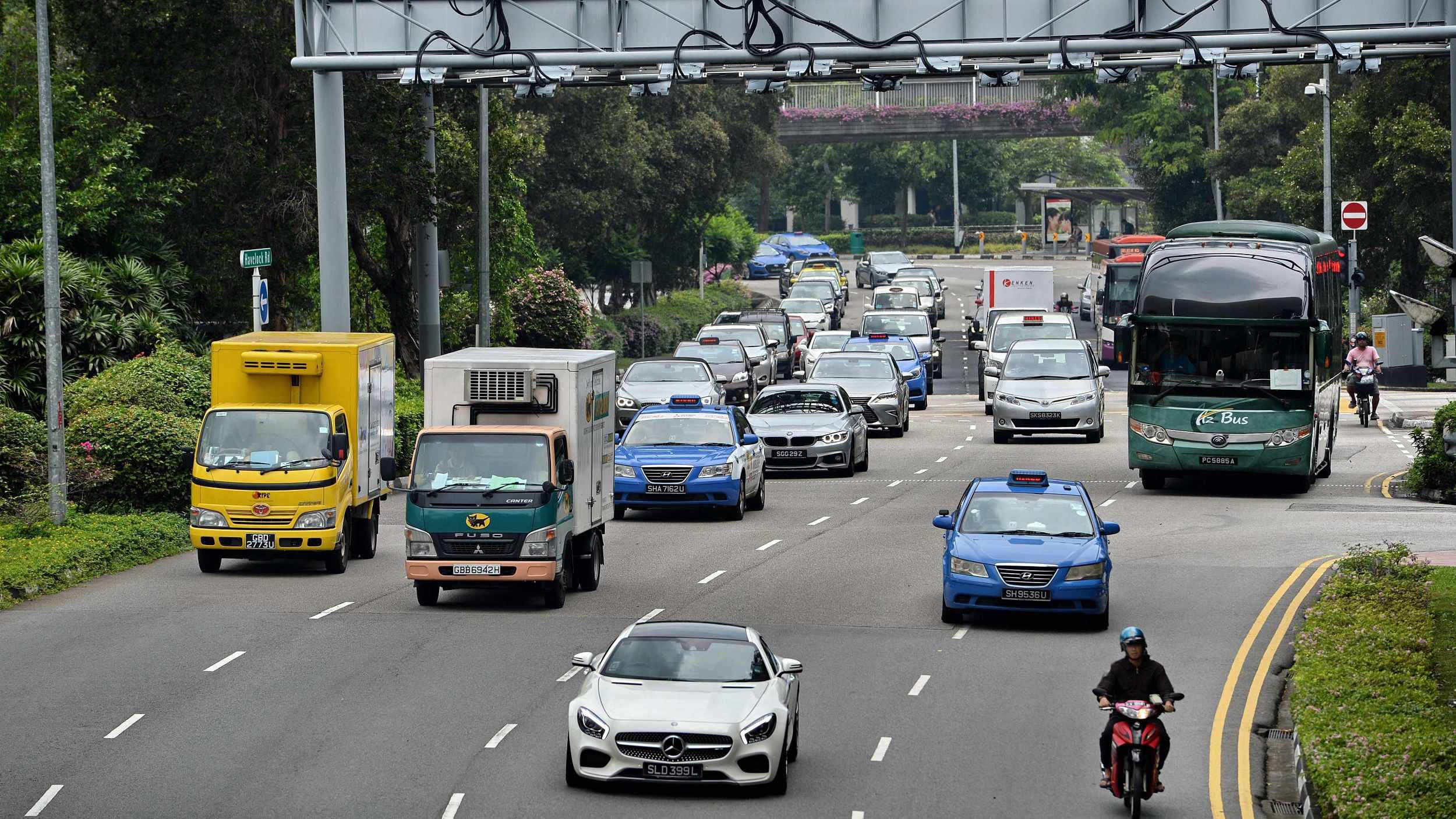
In a market where logistics providers often offer similar prices and delivery times, you need something else to stand out.
Safety as a Selling Point
Promote your fleet’s use of speed limiters as a trust signal. It tells clients: “We’re not reckless. We deliver safely, every time.”
ESG Reporting & Sustainability
Limiters help cut carbon emissions. That’s a win for your environmental performance reports—and many large clients look at ESG data when choosing vendors.
GPS + Speed Governance Integration
Tools like the GPS tracking systems and terrain-based dual-speed limiters from Resolute Dynamics give you more than speed control. You get real-time visibility, route tracking, and safety alerts in one system.
Common Questions from Fleet Owners (And Honest Answers)
“Will deliveries slow down?”
No. Good planning and route management keep ETAs the same. Controlled speed doesn’t mean delayed delivery—it means safe, steady performance.
“Won’t drivers resist?”
Maybe at first. But with clear communication and training, most drivers appreciate the safety and reduced stress. Many even report better driving experiences.
“Can I adjust speeds for expressways vs. city roads?”
Yes. Advanced limiters like Resolute’s dual-speed models allow different speed settings based on road type or terrain.
“Is it worth the cost?”
Absolutely. The ROI comes from multiple angles—fuel savings, fewer repairs, compliance, and a stronger reputation. And when that next big contract lands? You’ll know it was.
Resolute Dynamics: Driving Smart Safety in Singapore
Resolute Dynamics is more than a manufacturer—we’re innovators in vehicle safety systems. Our speed limiters, dual-speed governors, and GPS tracking platforms are trusted by logistics companies across the region.
-
Precision engineering
-
Customizable setups for fleet types
-
Cost-effective solutions for long-term gains
-
Fully compliant with Singapore’s transport laws
Whether you manage 10 vans or 500 trucks, we have scalable solutions to help your fleet stay safe, efficient, and contract-ready.
Ready to Lead with Compliance and Confidence?
Don’t wait for the next audit or accident to take action.
Contact Resolute Dynamics today for professional speed limiter installation that keeps your fleet compliant, cost-efficient, and contract-ready.
- LTA-approved systems
- Expert installation & certification
- Support for logistics, delivery, and fleet operators across Singapore
Safety isn’t a delay—it’s your advantage.