
Singapore is moving fast when it comes to smart transport technology. Roads are getting safer, and fleets are becoming more efficient—all thanks to the power of telematics and vehicle speed limiters. These tools may sound technical, but they’re changing the way we drive and manage vehicles every day. From school buses to heavy trucks, the shift to smart systems is reshaping road safety across the country.
Introduction: Innovation on the Move
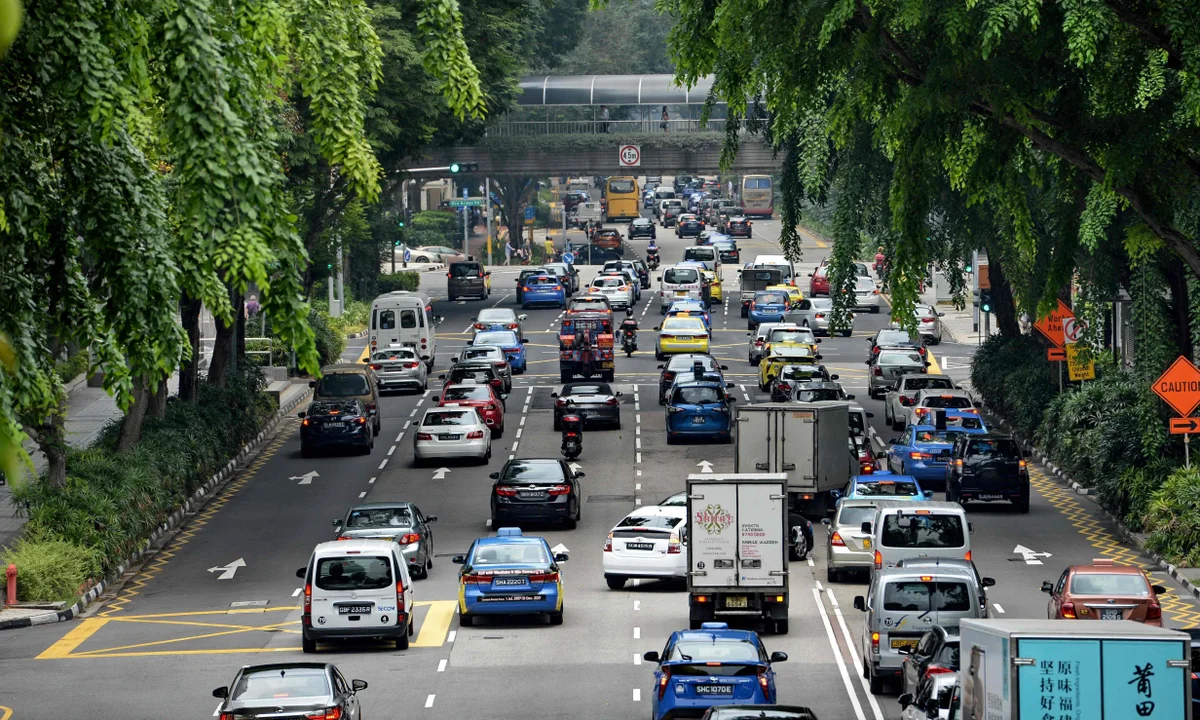
On Singapore’s busy roads, safety and efficiency are more important than ever. With rising urban traffic and strict government regulations, fleet operators are turning to technology to stay ahead. GPS tracking systems and smart speed limiters are no longer optional—they’re essential.
Telematics brings real-time visibility. Speed limiters enforce discipline behind the wheel. Together, they reduce accidents, improve fuel efficiency, and help companies comply with road safety laws. At the center of this innovation is a strong push toward data-driven decisions and automated vehicle control.
What Is Telematics?
Telematics is the fusion of telecommunication and informatics—a smart vehicle technology that allows data to be sent, received, and stored remotely using wireless devices. At its core, telematics enables you to monitor, manage, and optimize vehicles through real-time data. It’s the digital backbone of modern fleet safety and logistics efficiency.
In simpler terms, telematics acts like a 24/7 vehicle assistant, giving fleet managers live insights into vehicle location, driver behavior, engine performance, fuel use, and more—all from a centralized dashboard.
How Telematics Works: A Breakdown
A vehicle equipped with a telematics system typically includes:
-
GPS Module
Accurately tracks the real-time location, direction, and speed of a vehicle. It enables geofencing, route optimization, and recovery in case of theft. -
Onboard Diagnostics (OBD-II or CAN Bus Interface)
Connects to the vehicle’s internal systems to extract data like engine health, fuel consumption, RPM, battery voltage, and fault codes. -
Telematics Control Unit (TCU)
A device that captures all the data from GPS and sensors, processes it, and transmits it to cloud-based fleet management software over a cellular or satellite network. -
Cloud Software or Dashboard Interface
This is where all the data is analyzed and visualized. Fleet operators can generate reports, set alerts, and make informed operational decisions.
Real-World Applications in Singapore
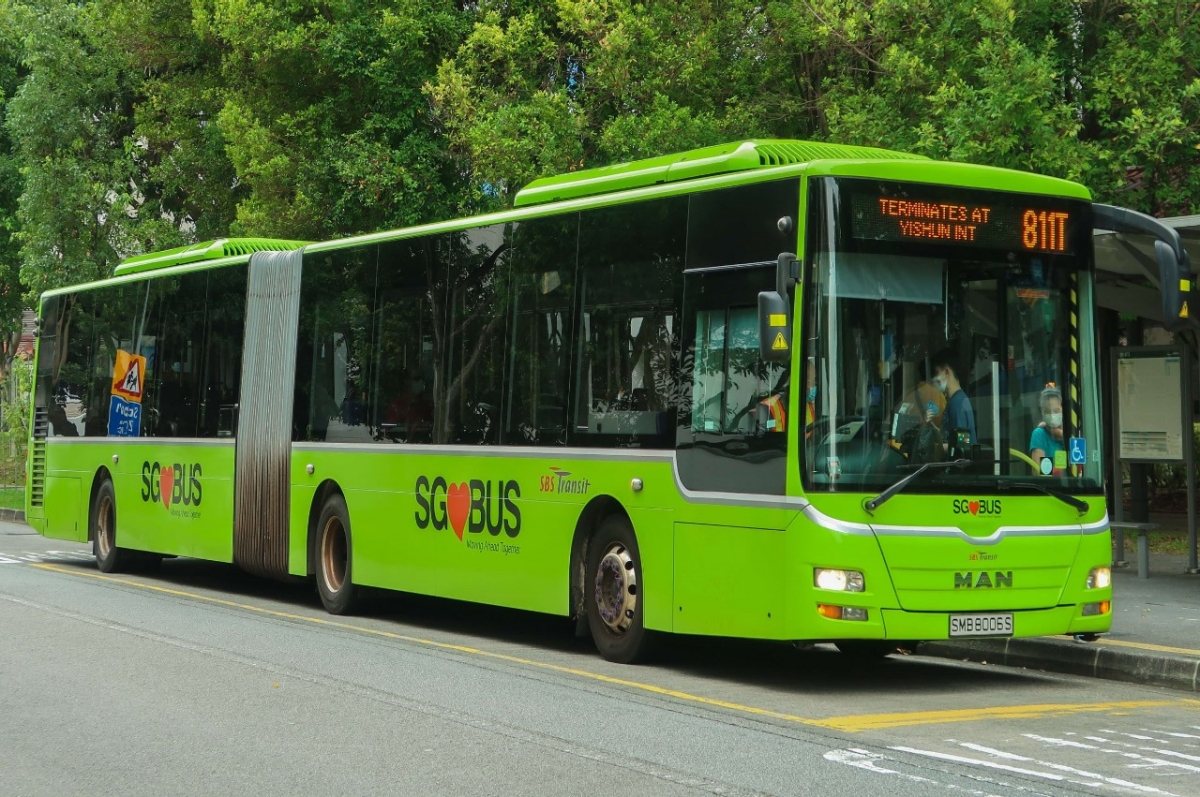
In Singapore, telematics is not just a trend—it’s becoming a regulatory and operational standard. Fleet managers use telematics to:
-
Monitor public buses, delivery vans, ride-hailing vehicles, and school buses
-
Track vehicle movement within city zones and restricted areas
-
Reduce downtime through predictive maintenance alerts
-
Ensure driver compliance with LTA speed and route regulations
-
Support Vision Zero goals by reducing accident risk through proactive oversight
Singapore’s Land Transport Authority (LTA) encourages the use of telematics in commercial and school transport to improve fleet accountability and road safety. As a smart city, Singapore is integrating telematics into broader urban mobility strategies to reduce congestion and emissions.
Key Features That Make Telematics Indispensable
-
Geofencing: Get alerts when a vehicle enters or exits predefined zones.
-
Driver Behavior Monitoring: Track harsh braking, sharp turns, idling, and speeding events.
-
Route History & Optimization: Analyze previous routes to improve efficiency and fuel economy.
-
Fleet Utilization Reports: Understand vehicle usage trends for better resource allocation.
-
Remote Diagnostics: Get notified of engine trouble codes before a breakdown occurs.
Telematics and Data Privacy in Singapore
With great data comes great responsibility. Singapore enforces strict data protection laws under the Personal Data Protection Act (PDPA). Any telematics solution used must ensure that vehicle tracking data, driver information, and trip logs are handled securely and ethically, especially when used in school or corporate fleets.
The Role of Speed Limiters in Road Safety
Speed remains one of the biggest contributors to road accidents, particularly in high-density urban zones like Singapore. A moment of heavy acceleration or a slight loss of control can be the difference between a safe trip and a fatal incident. This is where vehicle speed limiters—also known as speed governors—play a critical role in modern fleet safety systems.
What Is a Speed Limiter?
A speed limiter is an electronic or mechanical device installed in a vehicle to prevent it from exceeding a programmed maximum speed. No matter how hard a driver presses the accelerator, the limiter ensures the vehicle stays within safe, preset speed thresholds.
These devices are especially valuable in commercial fleets, school transport, logistics vehicles, and high-capacity passenger vehicles where the risk and responsibility are much greater.
Why They Matter in Singapore
Singapore is known for its tightly controlled traffic systems and strict road safety laws. The Land Transport Authority (LTA) has implemented rules that mandate the use of speed-limiting devices for certain vehicle classes—especially school buses, heavy goods vehicles (HGVs), and public service vehicles (PSVs).
In school zones, for example, overspeeding is a high-risk violation due to the presence of children. Speed limiters help ensure that drivers cannot go above the regulated speed, even unintentionally.
These devices don’t just reduce accidents—they also help fleet operators comply with local transport laws, avoid fines, and build public trust.
Types of Speed Limiters: Single vs Dual
Single Speed Limiter
A single speed limiter enforces one fixed maximum speed, regardless of road conditions or zones. Once installed, it caps the vehicle’s speed—commonly between 60 km/h to 90 km/h, depending on fleet type and regulation.
Best suited for:
-
Long-haul trucks
-
City buses
-
Basic school bus applications
Dual Speed Limiter (Terrain or Zone-Based)
Dual speed limiters represent the next level of sophistication. These systems are designed to adapt dynamically to different road conditions, using GPS technology to modify speed limits based on:
-
Road type (urban vs highway)
-
Terrain (hilly vs flat)
-
Location-specific zones (e.g., school or construction areas)
For example, a school bus might be allowed to travel at 60 km/h on expressways, but the limiter automatically reduces it to 40 km/h when entering a school zone.
This system promotes:
-
Smart compliance with speed zoning
-
Reduced reliance on driver judgment
-
Enhanced safety without compromising operational efficiency
How Modern Speed Limiters Work
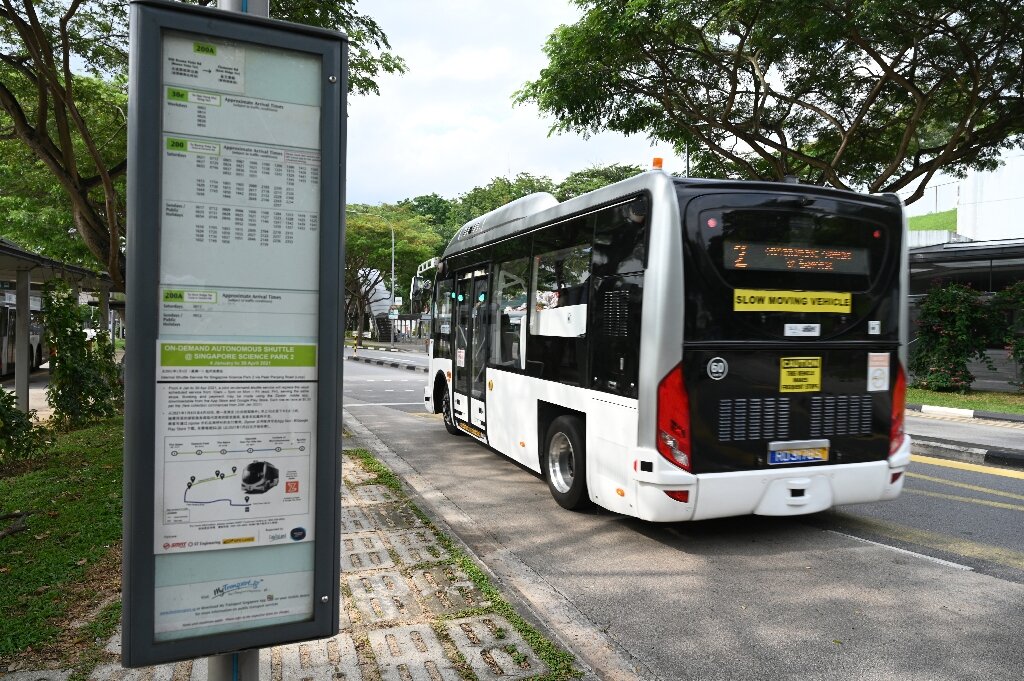
Modern speed limiter systems are electronically integrated into the vehicle’s engine control unit (ECU) or connected via OBD-II/CAN bus ports. When the vehicle approaches its set speed limit, the limiter restricts fuel injection or throttle input, gently capping the speed without abrupt stops.
Some advanced systems include:
-
GPS integration for geolocation-based speed control
-
Over-speed alerts for fleet managers
-
Tamper detection and audit trails
-
Driver notification systems (visual or audible warnings)
In smart fleets, these systems are also linked to telematics dashboards, allowing operators to:
-
Monitor speed violations in real time
-
Generate driver performance reports
-
Ensure compliance during inspections
Regulatory Compliance in Singapore
Under LTA and MOM regulations, all designated commercial vehicles in Singapore must be equipped with approved speed limiters. To meet these legal standards, many fleet operators rely on LTA-approved speed limiter solutions in Singapore from companies like Resolute Dynamics, which help ensure compliance, safety, and peace of mind on the road.
Fleet managers must ensure:
-
Devices are calibrated accurately
-
Speed limit settings match vehicle class rules
-
Any tampering or bypassing is strictly prohibited
Failure to comply can result in fines, license suspension, or legal liability in case of accidents.
Beyond Safety: Operational Benefits
Speed limiters do more than reduce road accidents. They also:
-
Lower fuel consumption by reducing aggressive driving
-
Minimize wear and tear on brakes, tires, and engines
-
Enhance driver behavior by discouraging risky maneuvers
-
Improve insurance eligibility through risk reduction
Combined with GPS tracking and data analysis, speed limiters create a safer, smarter, and more accountable fleet operation model.
Fleet Safety Benefits: Combining Telematics and Speed Limiters
In Singapore’s evolving transport landscape, fleet safety is no longer just about driver training or vehicle maintenance. It’s about smart integration of real-time technology—and that’s where telematics systems and speed limiters work hand-in-hand to create a data-driven, safety-first fleet ecosystem.
Alone, both systems offer value. Together, they create a powerful safety framework that protects lives, assets, and reputations.
Real-Time Monitoring: Eyes on the Road, Always
Telematics offers live visibility into every vehicle’s movement. You can track:
-
Whether a driver is sticking to speed limits
-
If there are harsh braking or aggressive lane changes
-
How long a vehicle has been idling or stopped
When you pair this with a speed limiter, you’re not just observing unsafe behavior—you’re actively preventing it.
For example, even if a driver attempts to speed on an expressway or near a school zone, the limiter steps in to cap their velocity. This dual mechanism ensures that monitoring is not passive—it’s corrective.
Fleet managers in Singapore can receive automated alerts for:
-
Speed limit violations
-
Route deviations
-
Long driving hours (linked to driver fatigue)
-
Unsafe driving zones (e.g., near schools or hospitals)
All this feeds into a central fleet dashboard, where action can be taken instantly.
Preventive Safety: Reducing Risk Before Accidents Happen
Most road safety systems are reactive—they respond after a violation or crash has occurred.
Combining telematics and speed limiters flips that model. It allows fleet operators to take proactive control over:
-
Overspeeding risks
-
Route-specific speed compliance (urban vs highway)
-
Driver fatigue through driving pattern analysis
-
Real-time safety interventions
With the limiter enforcing the physical speed and the telematics monitoring the context and driver inputs, you’re building a preventive safety net that reduces risk before it turns into a serious problem.
This is crucial in Singapore’s dense traffic environment, where a split-second mistake can affect multiple road users at once.
Data Insights: From Raw Numbers to Actionable Intelligence
One of the most overlooked benefits of this combination is the depth of operational insight it generates.
Through the telematics interface, fleet managers gain access to:
-
Driver scorecards based on behavior metrics (speeding, braking, cornering)
-
Trip histories showing average speed, travel time, and idle time
-
Vehicle diagnostics that predict maintenance needs before breakdowns
-
Compliance reports that align with LTA audits and MOM checks
This information isn’t just useful for safety—it also improves:
-
Driver training
-
Route planning
-
Vehicle lifespan
-
Fleet-wide risk analysis
Integrating speed limiter data with telematics analytics adds another layer: it confirms that policy compliance is being enforced—not just expected.
Lower Fuel Costs and Operational Efficiency
Speed has a direct relationship with fuel consumption. Rapid acceleration, high-speed driving, and unnecessary idling waste fuel—fast.
Speed limiters help prevent excessive fuel burn by:
-
Restricting over-speeding, which increases wind drag and engine load
-
Encouraging smoother driving patterns
-
Reducing unnecessary throttle spikes
Telematics complements this by identifying:
-
Vehicles with poor fuel efficiency
-
Drivers who idle too long
-
Routes that increase fuel usage due to congestion or terrain
Over time, this creates a fuel optimization strategy—reducing costs by up to 15-20%, depending on fleet size and driving conditions.
For large logistics fleets or school transport services, these savings add up to significant annual cost reductions.
Regulatory Compliance Made Easy
In Singapore, road safety isn’t optional—it’s regulated. With agencies like:
-
LTA (Land Transport Authority) enforcing speed rules and vehicle inspections
-
MOM (Ministry of Manpower) overseeing safety of workers in transport vehicles
Operators must stay compliant at all times. Failing to do so can result in:
-
Fines
-
Suspension of operating licenses
-
Legal liability in the event of accidents
Using telematics and speed limiters ensures that compliance is automated, auditable, and transparent. Systems can generate logs for inspections, and remote access allows authorities or compliance officers to review activity without physically accessing the vehicle.
The Strategic Advantage for Singapore Fleets
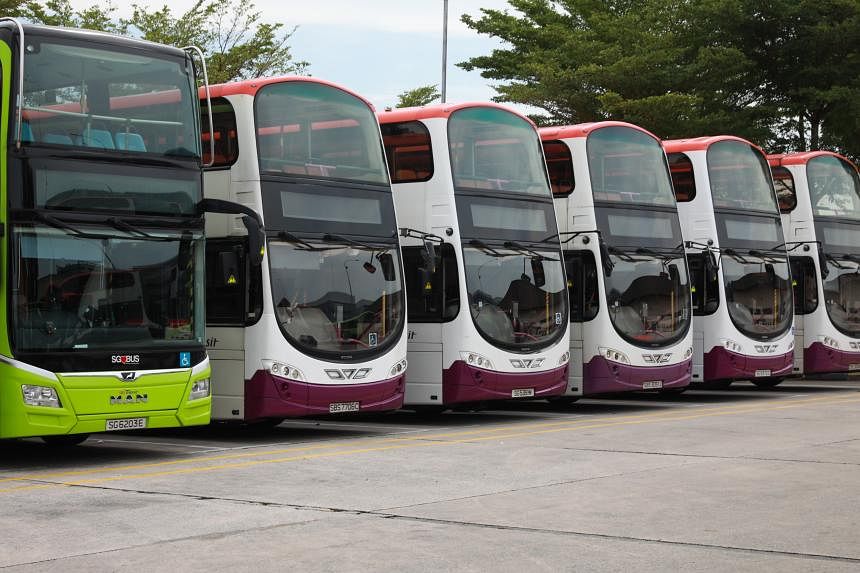
Beyond compliance and safety, the combination of telematics and speed limiters provides:
-
Brand credibility: Safety-first fleets win public and government trust
-
Insurance benefits: Safer fleets may qualify for lower premiums
-
Reduced downtime: Preventive maintenance reduces breakdowns and delays
-
Scalable control: Systems can be applied across dozens or hundreds of vehicles
For Singapore’s competitive logistics, transport, and school bus sectors, this is not just about safety—it’s about staying ahead in a tightly regulated and cost-sensitive market.
Use Case: School Bus Safety in Singapore
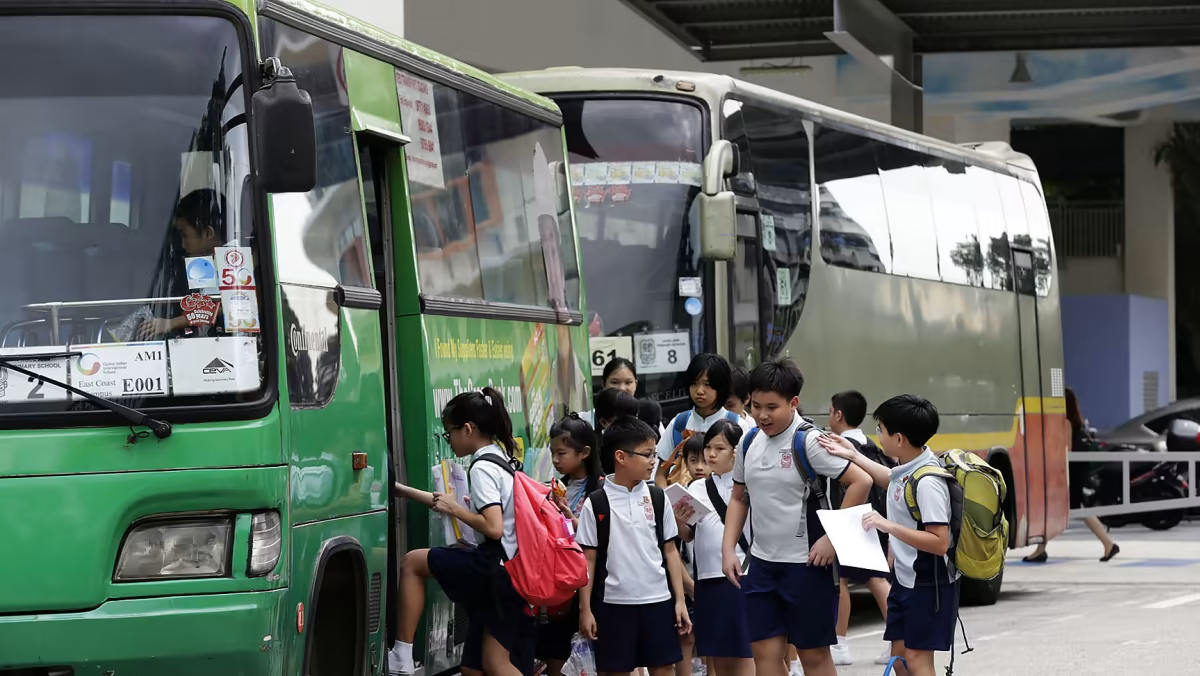
Let’s look at a real-life example—school buses.
Children are among the most vulnerable road users. To protect them, Singapore requires strict speed control and monitoring for school transport. Resolute Dynamics has created specialized speed limiter solutions just for this.
These systems:
-
Limit top speed automatically near schools
-
Alert parents or schools if buses break speed rules
-
Use GPS to provide real-time tracking of the bus route
When parents know their kids are on a monitored, speed-controlled vehicle, trust increases. Schools also avoid legal risks and show they take safety seriously.
Smart Engineering at Work: Inside Resolute Dynamics’ Tech
Resolute Dynamics isn’t just following trends—it’s setting them. Their systems combine precision engineering with custom solutions.
Here’s what makes them stand out:
-
Terrain-based speed limiters that adapt to road type
-
Smart GPS tracking that integrates with telematics platforms
-
Real-time data transmission for instant insights
-
In-house R&D that meets international and local safety standards
The company’s approach focuses on innovation, customization, and quality control. Their products aren’t off-the-shelf—they’re built to solve real problems on the road.
Singapore’s Regulatory Landscape
Singapore’s Land Transport Authority (LTA) and Ministry of Manpower (MOM) have strict requirements for fleet safety.
Telematics and speed limiters help companies stay compliant with:
-
Speed regulations
-
Driver behavior monitoring
-
Passenger safety protocols
-
Emission and fuel efficiency standards
Using certified systems like those from Resolute Dynamics makes audits easier and reduces the risk of penalties.
Companies that ignore these rules risk losing licenses or facing heavy fines. Tech-driven compliance is not just smart—it’s necessary.
Challenges and the Future of Vehicle Safety Tech in Singapore
Of course, no system is perfect. Some challenges remain:
-
Privacy concerns with continuous tracking
-
Data overload from too many reports
-
Training drivers to work with the new tech
But the future looks bright. Singapore is investing heavily in AI for transport, IoT for vehicles, and connected mobility. Soon, we may see autonomous fleet tracking, predictive maintenance, and full integration with smart city infrastructure.
Why Choose Resolute Dynamics?
With presence in Singapore and across Asia, Resolute Dynamics offers:
-
Local expertise with global experience
-
Certified systems for schools, fleets, and logistics
-
Support for customization and bulk deployment
-
A full ecosystem: speed limiters, GPS systems, and telematics platforms
For fleet managers who want reliable safety, Resolute Dynamics is a trusted partner.
Take the Next Step Toward Smarter, Safer Roads
Ready to upgrade your fleet with certified safety technology?
Contact Resolute Dynamics today to learn how our speed limiter devices and smart telematics solutions can help you stay compliant, reduce risk, and drive smarter.