
Keeping a fleet on the road in Singapore isn’t just about getting from point A to point B. It’s also about making sure your vehicles follow strict rules—especially when it comes to speed. If you’re managing trucks, buses, or commercial vehicles, you already know that speed limiters aren’t optional—they’re the law.
And let’s be honest, no one wants surprise fines, vehicle downtime, or worse, legal trouble. That’s why I put together this complete speed limiter checklist—to help you stay ahead, stay compliant, and keep your fleet running smoothly.
Why Speed Limiters Matter in Singapore

Singapore’s roads are busy. Accidents happen fast. To control speeding and improve safety, the Land Transport Authority (LTA) made it mandatory for certain vehicles—like buses and goods vehicles—to have working speed limiters installed.
But it’s not just about installing a device and calling it a day.
Failing to maintain or properly certify your speed limiter can result in:
-
Heavy fines
-
Vehicle impoundment
-
Insurance issues
-
Operational downtime
That’s not something any fleet manager wants to deal with.
Understanding Legal Requirements for Speed Limiters
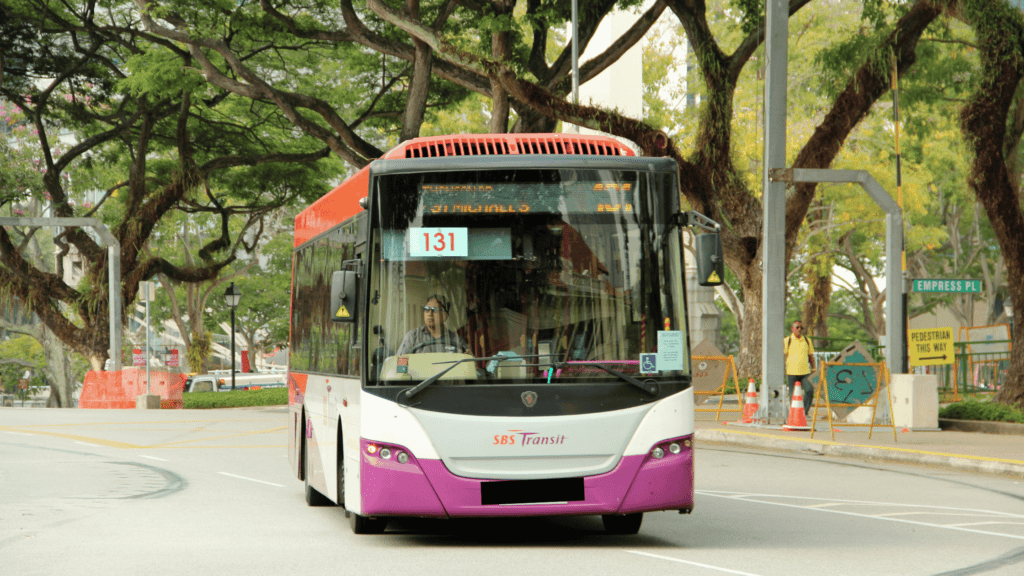
In Singapore, fleet compliance isn’t optional—it’s a legal obligation. If you’re operating heavy vehicles like buses, trailers, or large goods vehicles, the Land Transport Authority (LTA) has strict rules in place to regulate speed on the roads. These aren’t just safety guidelines—they’re enforceable laws under the Road Traffic (Motor Vehicles, Speed Limiters) Rules.
Let’s break down exactly what’s required and why it matters.
Who Must Install a Speed Limiter?
According to current LTA regulations, the following vehicle classes are mandated to have a speed limiter installed:
-
Buses with seating capacity exceeding 23 passengers
-
Goods vehicles with a Maximum Laden Weight (MLW) exceeding 12,000 kg
-
Articulated vehicles and trailers in the same weight class
-
Foreign-registered vehicles operating in Singapore, if they fall into the above categories
MLW refers to the maximum weight a vehicle is legally allowed to carry, including passengers, cargo, and fuel.
What Does the Speed Limiter Need to Do?
To meet Singapore’s road regulations, a compliant speed limiter must:
-
Restrict the vehicle’s speed to 60 km/h or lower
Unless otherwise specified, this is the maximum allowable setting. Anything higher is non-compliant. -
Be LTA-approved and tamper-proof
The device must come from a registered supplier and must be sealed against unauthorized adjustments. -
Be permanently installed
Temporary or removable devices are not accepted. The limiter must be hardwired into the vehicle’s control system (usually the ECU). -
Record speed data continuously
Some systems also log speed data over time for verification purposes, which can help during audits or accident investigations.
What Is the Speed Limiter Certificate?
Once the limiter is installed and tested, the vehicle owner must obtain a Speed Limiter Certificate, issued by an authorized testing centre. This certificate proves:
-
The limiter was installed correctly
-
It has been tested under controlled conditions
-
The speed cap functions as required
-
The installation has not been tampered with
This certificate must be kept in the vehicle at all times. Inspectors can request to see it during roadside checks or vehicle inspections. Not having it is treated the same as not having a limiter at all.
Certification Process (Step-by-Step)
-
Schedule an inspection at an authorized LTA test centre or workshop
-
Technicians will perform a roller bench test to simulate road speed
-
If the limiter functions properly, a Speed Limiter Certificate is issued
-
A tamper-proof seal is applied to prevent unauthorized changes
-
The certificate is valid for a set period (usually 1 year) and must be renewed after repairs or reinstallation
What Happens If You Don’t Comply?
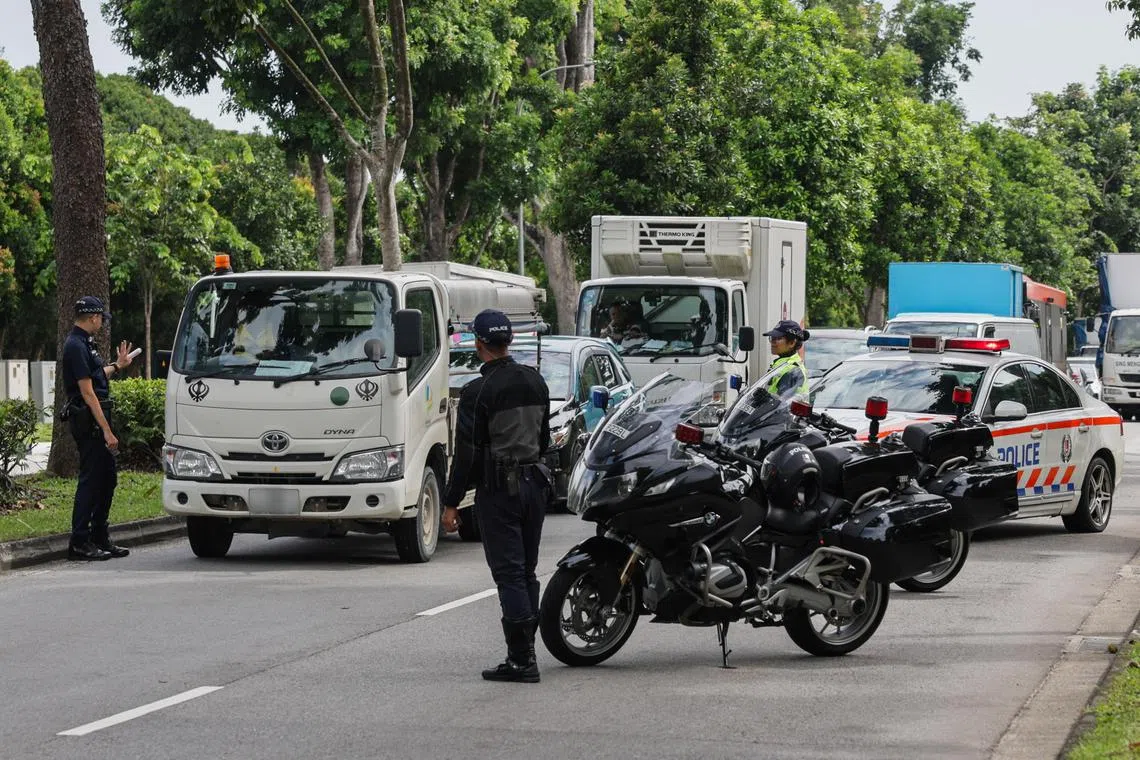
Here’s what non-compliance can cost you:
| Violation | Consequence |
|---|---|
| No speed limiter installed | Fine up to SGD 2,000, possible vehicle impoundment |
| Tampered or bypassed limiter | Court prosecution, additional LTA penalties |
| Expired or missing certificate | Fine + failed inspection + operational delays |
| Speed setting above 60 km/h | Treated as non-compliant installation |
Pro tip: Always check the tamper seal. If it’s broken or removed, get the limiter retested immediately.
Speed Limiter Re-Certification Scenarios
Even if your limiter was certified once, certain situations require re-certification:
-
After an accident involving damage to the control systems
-
If the ECU is replaced or modified
-
After vehicle overhauls or electrical rewiring
-
If the tamper seal is broken
Ignoring these triggers can make an otherwise working limiter illegal.
Fleet Manager’s Legal Compliance Checklist
Managing a commercial fleet in Singapore isn’t just about logistics and delivery timelines—it’s also about staying on the right side of the law. The Land Transport Authority (LTA) takes speed limiter compliance seriously, and fleet owners who miss even small steps could face heavy penalties, vehicle downtime, or failed inspections.
This fleet compliance checklist gives you a practical, step-by-step framework to make sure every vehicle in your fleet is roadworthy, legal, and safe—every single day.
Install an LTA-Approved Speed Limiter
Your first job as a fleet manager is to make sure every regulated vehicle has a speed limiter that meets LTA requirements. That means:
-
Choose a reputable provider like Resolute Dynamics with experience in LTA-certified installations
-
The limiter must restrict speed to 60 km/h (or a lower threshold if specified)
-
The system must be hardwired, not easily removed or bypassed
-
Installers should provide installation records, including model number, date, and calibration details
Applicable Vehicles:
-
Goods vehicles over 12,000kg MLW
-
Public buses
-
School buses
-
Foreign heavy vehicles operating in Singapore
Tip: Avoid grey-market devices or uncertified units. These won’t pass inspections and may trigger compliance audits.
Obtain a Valid Speed Limiter Certificate
After installation, the vehicle must be taken to an authorized inspection center for testing and certification. The certification process verifies:
-
The speed limiter activates reliably
-
The cut-off point is correctly calibrated
-
The system is tamper-proof and sealed
-
The installation follows LTA guidelines
Once the system passes, you’ll receive a Speed Limiter Certificate, which is mandatory to operate the vehicle on public roads.
Required info for certification:
-
Vehicle registration details
-
Limiter make/model
-
Installation date
-
Installer credentials
Certificates must be renewed annually or after any repair, replacement, or tampering.
Store the Certificate in the Vehicle at All Times
This step is often overlooked, but it’s a legal requirement. Every certified vehicle must carry a physical copy of the valid Speed Limiter Certificate onboard—usually stored in the glove compartment or driver’s documentation folder.
If an LTA officer or traffic police stops your vehicle for inspection, they will ask for it. Failure to present it may be treated the same as non-compliance, even if your limiter is working.
A missing certificate = possible fine, failed inspection, or detention of the vehicle.
Ensure the Speed Limiter Is Locked and Tamper-Proof
All LTA-approved speed limiter systems come with a security seal or tamper-evidence mechanism. This seal proves the system has not been altered after certification.
Fleet managers should routinely check:
-
The seal is intact
-
No visible signs of forced access or rewiring
-
The limiter hasn’t been bypassed through the ECU
Tampering with the limiter—whether accidental or deliberate—can invalidate the certificate and result in legal action. In some cases, it could also void your insurance coverage.
Tampering = offense under the Road Traffic Act
Schedule Annual Re-Certification & After Repairs
Just like any regulated system, speed limiters need to be re-tested and re-certified periodically.
You must:
-
Re-certify every 12 months
-
Re-certify after any electrical repair, ECU replacement, or limiter reconfiguration
-
Keep service logs and certification dates in a central system
If the tamper seal is broken or the limiter has been modified, the vehicle cannot operate legally until it is tested and re-certified.
Best practice: Maintain a fleet-wide compliance calendar to track certification due dates for each vehicle.
Train Drivers to Perform Pre-Trip Checks
Your drivers are the first line of defense against non-compliance. Make sure they are trained to:
-
Check the speed limiter activation during engine start
-
Look for any warning lights or system errors on the dash
-
Report if the vehicle exceeds 60 km/h on open roads
-
Confirm the certificate is inside the vehicle
Routine driver checks can catch problems early, avoid enforcement issues, and build a culture of safety in your fleet.
Tip: Include speed limiter checks in your daily vehicle inspection checklist (DVIC).
Bonus: Add a Fleet Compliance Dashboard
Many smart fleet operators use digital dashboards or fleet management systems to monitor compliance in real time. This allows you to:
-
Track certificate expiry dates
-
Get alerts for tamper events or over-speed conditions
-
Store service and inspection records digitally
-
Improve your audit readiness
Preventative Maintenance to Avoid Downtime

Installing a speed limiter device is only the first step. To keep your vehicles compliant and operational, you need a structured preventative maintenance routine. Speed limiters are electronic systems—just like your ECU or GPS tracker—and over time, they can suffer from wear, electrical faults, or software glitches.
A faulty or miscalibrated speed limiter doesn’t just increase your risk of accidents. In Singapore, it can also lead to:
-
Failed LTA inspections
-
Legal penalties for non-compliance
-
Unexpected vehicle downtime
That’s why every fleet manager should have a proactive maintenance plan to keep speed limiter systems functional and compliant year-round.
Why Maintenance Matters
Even if your vehicles are driving fine, an unnoticed issue with the limiter could trigger a violation. For example:
-
A broken tamper-proof seal may raise suspicions during a spot check
-
A faulty sensor may allow the vehicle to exceed 60 km/h
-
Loose wiring could disconnect the device entirely without warning
These are silent issues that can go unnoticed—until you’re facing a hefty fine or failed roadworthiness test.
Daily Checks (Driver-Level)
Preventative maintenance starts with the drivers. They should be trained to perform quick daily checks before starting a shift.
Here’s what to look out for:
-
Limiter Activation on Ignition
-
The speed limiter system should power on when the engine starts.
-
Some models show a small light or icon on the dashboard.
-
-
Dashboard Warning Lights
-
Any unusual warning signals related to vehicle speed or electronic faults must be flagged immediately.
-
-
Visual Seal and Wiring Inspection
-
Drivers should glance at the limiter unit and wiring (if accessible) to check for:
-
Frayed or hanging wires
-
Broken or missing tamper-proof seals
-
Unusual noises or heat from the unit
-
-
Training tip: Include this in your Daily Vehicle Inspection Checklist (DVIC) for easy tracking.
Monthly Checks (Supervisor or Technician)
Every month, your fleet technician or supervisor should perform a more in-depth inspection of the speed limiter systems.
Here’s what that includes:
-
Power Supply and Wiring Inspection
-
Check for corrosion, loose connectors, or exposed wiring
-
Use a multimeter to verify voltage supply to the limiter
-
-
Controlled Speed Test
-
Under safe conditions or in a test yard, check if the limiter activates at 60 km/h
-
The limiter should cut throttle or maintain constant speed as per its configuration
-
-
ECU Communication
-
For integrated systems, ensure the limiter is correctly communicating with the vehicle’s Electronic Control Unit (ECU)
-
-
Data Logging & Event Reports
-
Some advanced systems log speed events or override attempts—review these logs for any anomalies
-
If your limiter shows even one instance of overriding the set speed, it’s time for recalibration.
Annual Checks (Certified Technicians)
Annual maintenance is your opportunity to go deep—this is when you catch hidden faults and ensure the system stays compliant with LTA requirements.
Here’s your annual service checklist:
-
Full Recalibration
-
Reset and verify the 60 km/h cutoff point using authorized tools
-
Recheck sensitivity, throttle response, and system delay (if applicable)
-
-
Firmware/Software Update
-
New regulations or bug fixes may require an update from the manufacturer
-
Ask your provider (e.g., Resolute Dynamics) if newer firmware versions are available
-
-
Component Testing and Replacement
-
Replace aging sensors, relays, and worn cables
-
Check for overheating, internal corrosion, or board-level degradation
-
-
Certification Review
-
Re-test for Speed Limiter Certificate renewal (if due)
-
Ensure tamper seals are intact and date-stamped
-
Pro tip: Coordinate your annual check with your LTA vehicle inspection date to minimize downtime.
Preventative Maintenance = Uptime + Compliance
Here’s how preventative maintenance pays off:
| Maintenance Task | Benefit |
|---|---|
| Daily Driver Checks | Early detection of major faults |
| Monthly Technical Checks | Avoid inspection surprises |
| Annual System Review | Ensure long-term compliance |
| Firmware Updates | Keep pace with LTA changes |
| Data Review | Catch tampering or misuse |
This small investment in routine care leads to fewer breakdowns, better compliance scores, and smoother operations.
Implementing a Fleet-Wide Maintenance Program
If you manage multiple vehicles, consider building a fleet-wide preventative maintenance program, including:
-
Digital logs for each vehicle’s speed limiter checks
-
Scheduled reminders for recalibration and certification
-
Fleet management software integration with maintenance tracking
-
Driver training modules for spotting early warning signs
Using Smart Tech to Simplify Compliance
Modern speed limiters are not just mechanical—they’re smart. And when paired with GPS tracking systems, they become a powerful tool for compliance.
Here’s what the new tech can do:
-
Real-time alerts when a driver nears or exceeds the set speed
-
Remote diagnostics for early detection of faults
-
Location-aware speed adjustments, especially useful for hills or terrain changes
-
Digital logs to show proof of compliance during inspections
One standout product is the Dual Speed Limiter from Resolute Dynamics. It can automatically adjust the vehicle’s speed based on road conditions or areas—urban vs. highway, for example. That’s a game-changer for mixed-use fleets.
Common Mistakes That Lead to Fines
Even experienced fleet managers get tripped up sometimes. These are the usual suspects when a vehicle gets flagged:
Speed limiter installed but not certified
Certificate expired or not inside the vehicle
Drivers unaware of limiter status
Tampering with speed settings to “go faster”
Skipping inspections after repairs or system faults
Avoiding these simple mistakes can save thousands in fines and hours of lost time.
Why Choosing the Right Speed Limiter Provider Matters
Let’s be real—there are cheap, unreliable systems out there. But in Singapore, cutting corners with compliance is a risky move.
With a trusted provider like Resolute Dynamics, you get:
-
Certified and tested speed limiter systems
-
Full support for installation, calibration, and certification
-
Options like Dual Speed Limiters and GPS integration
-
Post-install training and technical support
They even offer school bus safety solutions, which shows how serious they are about protecting lives and following regulations.
Get Certified and Stay Ahead
If you’re unsure whether your fleet is compliant, it’s time to act.
Here’s your quick action list:
-
Book a fleet audit or consultation with a certified provider.
-
Replace or repair any faulty speed limiters.
-
Schedule a test and obtain your Speed Limiter Certificate.
-
Train your drivers to spot issues early.
-
Set maintenance reminders to avoid missing annual checks.
This kind of proactive management saves you from last-minute panic and unnecessary fines.
FAQs: Speed Limiter Rules in Singapore
Q: What’s the penalty for not having a certified speed limiter?
Fines can go up to $2,000 per vehicle, and your vehicle may be prohibited from use.
Q: Can I install the limiter myself?
No. It must be installed and certified by a licensed workshop or provider.
Q: Do all commercial vehicles need one?
Only vehicles over 12,000kg (or as specified by LTA) need speed limiters.
Conclusion: Compliance Is Prevention
Ready to get your fleet inspected or need expert advice on compliance?
Contact Resolute Dynamics for certified speed limiter device support — and make sure your vehicles are always inspection-ready.