
In Singapore, we take pride in our world-class public transport system. But when it comes to school buses—the vehicles we trust to carry our children every day—are we doing everything we can to keep them safe?
One of the most overlooked but essential safety tools in school transportation is the certified speed governor. These small electronic devices limit how fast a vehicle can go, reducing the risk of accidents caused by speeding. In a city where road safety and regulatory compliance are taken seriously, speed limiter installation Singapore is not just a good idea—it’s a necessity for every school transport provider.
What Is a Certified Speed Governor?
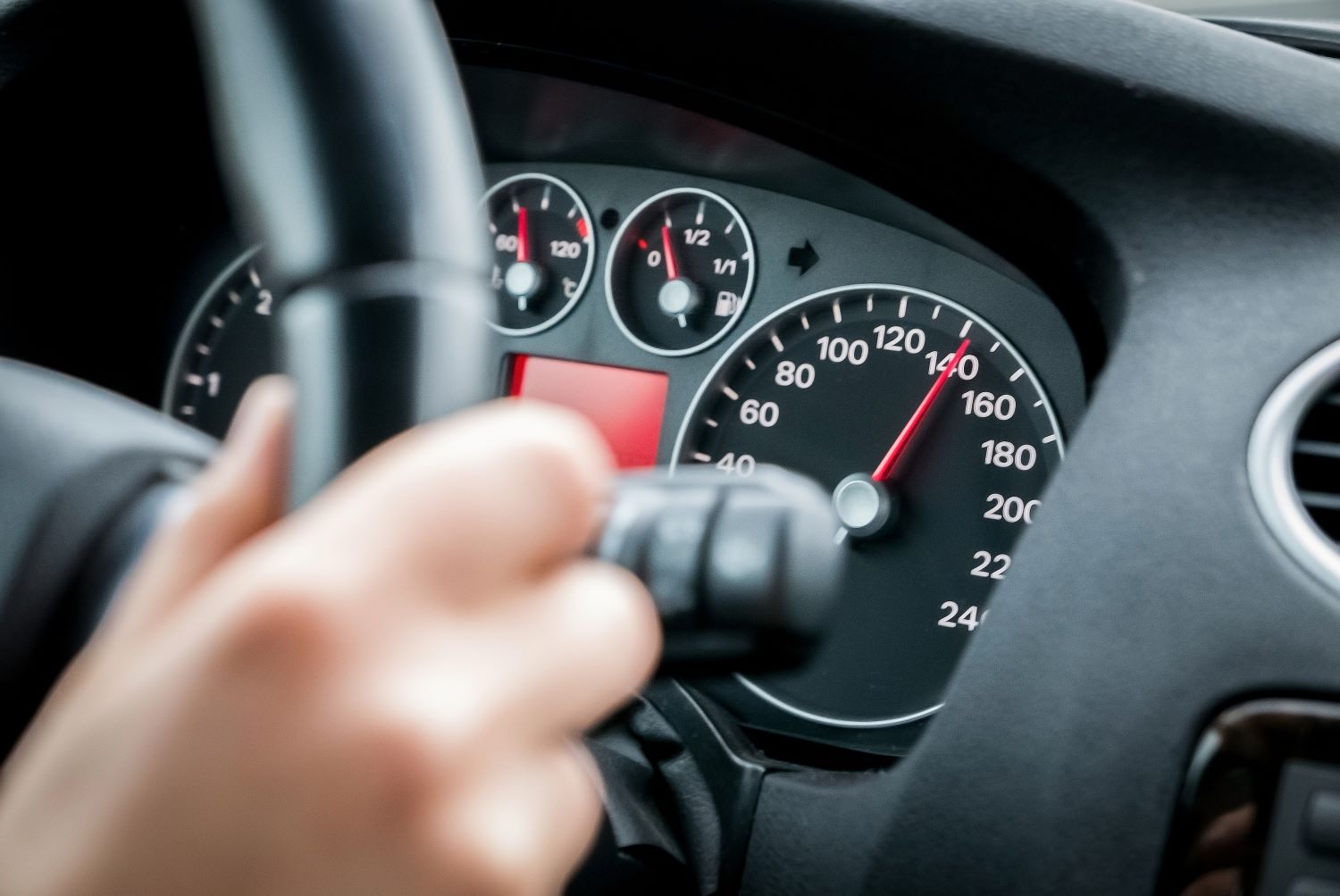
A certified speed governor is more than just a safety add-on—it’s a vital piece of technology designed to control how fast a vehicle can go. In the context of school buses in Singapore, it’s a tool that ensures vehicles carrying children do not exceed safe speed limits, no matter the road conditions or the driver’s habits.
How Does It Work?
A speed governor (also called a speed limiter) is an electronic device that connects to the vehicle’s engine control system. Its main job is to monitor the speed of the vehicle in real-time and restrict it from going beyond a set threshold. Once the vehicle reaches the programmed top speed—say, 60 km/h for a school bus—the governor automatically limits the engine’s fuel input or electronic signals, preventing the driver from accelerating further.
This limit can’t be bypassed unless the device is tampered with, which is illegal and unsafe. High-quality governors, especially certified ones, are tamper-proof and come with digital locks or encrypted software that makes unauthorized changes virtually impossible.
What Makes a Speed Governor ‘Certified’?
The word “certified” carries weight—especially in a regulatory environment like Singapore’s. A certified speed governor means that the device has been tested and approved by recognized authorities, such as the Land Transport Authority (LTA) or a body compliant with UN-ECE Regulation No. 89 (R89) standards.
This certification guarantees:
-
Accuracy: The device maintains consistent speed control under different driving conditions.
-
Reliability: It performs even in extreme weather or during long-term usage.
-
Tamper Resistance: Built-in safeguards protect against driver manipulation.
-
Data Compliance: Some certified models store and share speed data for audits or inspections.
In Singapore, using a non-certified speed governor could result in failed inspections, regulatory penalties, or, worse, a false sense of security that puts children at risk.
Why Certification Matters for School Buses
School buses operate in a sensitive environment. They drive through residential zones, stop frequently, and carry young passengers who are easily injured in the event of a crash. A certified speed governor ensures that:
-
Drivers cannot exceed safe speed limits under any condition.
-
School transport operators remain compliant with government transport laws.
-
Schools and parents can trust that safety standards are being met.
-
Fleet behavior can be monitored and improved over time.
Uncertified or poorly installed devices may fail under pressure or be easy to bypass. With children’s lives on the line, there’s no room for shortcuts.
Advanced Speed Governors – More Than Just Speed Control
Modern speed governors, like those offered by Resolute Dynamics, go beyond basic speed limiting. Their school bus solutions come equipped with:
-
GPS Tracking: Enables real-time monitoring of the vehicle’s location and speed.
-
Terrain-Based Speed Control: Adjusts the limiter based on whether the bus is in a school zone, highway, or hilly area.
-
Speed Logging: Records data for future review, helpful in case of complaints or investigations.
-
Remote Calibration: Fleet managers can adjust settings remotely for different routes or driving conditions.
These features make certified speed governors not just a compliance tool, but a powerful safety management system.
Why Speed Governors Matter in School Buses
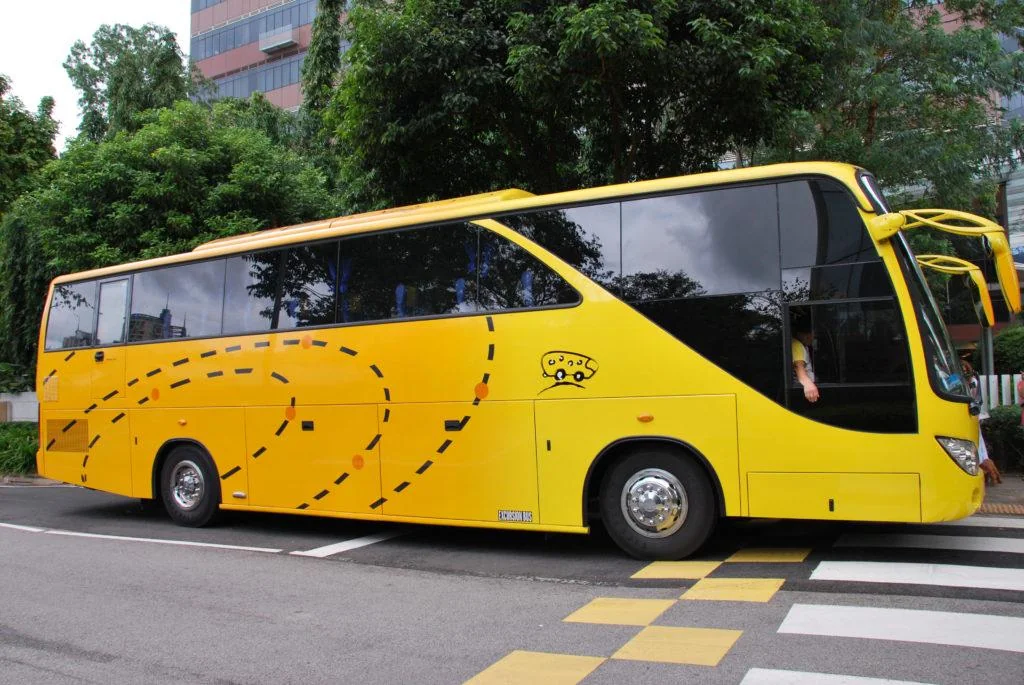
School buses carry our most precious passengers—children. Unlike adults, children are more vulnerable in traffic accidents. Their small size, slower reaction time, and unpredictable behavior make them harder to protect in the event of a crash. That’s why prevention is key.
1. Preventing Overspeeding in School Zones
Speed limits exist for a reason. School zones often have lower speed limits due to high foot traffic and narrow roads. A certified speed governor ensures the driver can’t go above the preset limit, even by mistake.
2. Holding Drivers Accountable
Even with the best training, drivers are human. Fatigue, distraction, or even pressure to complete routes faster can lead to risky driving. A speed limiter removes the temptation altogether, reinforcing responsible driving habits.
3. Reducing Accident Severity
Studies around the world show that lower vehicle speeds dramatically reduce both the likelihood and severity of accidents. A crash at 60 km/h is far more deadly than one at 40 km/h. Speed governors help keep incidents from becoming tragedies.
Singapore’s Regulatory Requirements
Singapore is known for its disciplined approach to road safety. The government, through the Land Transport Authority (LTA), has developed a comprehensive framework to regulate vehicle operations, including those related to school transportation. When it comes to vehicles carrying schoolchildren, the expectations are especially high — and rightly so.
Let’s take a closer look at the legal landscape surrounding speed governors, school buses, and the growing importance of certified compliance in Singapore.
What Does the LTA Currently Require?
As of today, the LTA requires certain categories of vehicles, such as heavy goods vehicles and some classes of commercial fleets, to be fitted with speed limiters. These devices must meet regulatory standards to ensure they perform reliably and safely.
However, when it comes to school buses, the situation is a bit more complex.
School Bus Guidelines (As of Now):
-
All contracted school bus services under the Ministry of Education (MOE) are subject to strict safety requirements.
-
These include regular inspections, driver vetting, and specific bus designs (such as safety belts and high visibility).
-
Speed limiters are strongly encouraged for all school buses but may not yet be mandatory for every privately operated vehicle unless it falls under commercial use guidelines.
-
There is no unified regulation mandating all school buses—especially private operators—to install certified speed governors.
This discrepancy creates what many experts call a “compliance gap.”
The Compliance Gap: A Real Risk
Singapore’s roads are among the safest in the region. But the risk increases when not all operators follow the same safety standards.
-
Government-contracted school buses are regularly audited and often adhere to stricter standards.
-
Private or freelance operators, often hired directly by schools or parents, may not be held to the same requirements—especially if they’re categorized as “private hire” rather than “commercial” vehicles.
This inconsistency leaves room for:
-
Unsafe driving behavior (e.g., speeding to complete multiple school trips).
-
Varying equipment quality (some vehicles might not have any speed control at all).
-
Regulatory loopholes, where an operator legally avoids LTA-mandated equipment because of how their vehicle is classified.
And unfortunately, when something goes wrong—such as a speeding-related accident—it’s the children who are most at risk.
Why Certified Speed Governors Are a Future-Proof Solution
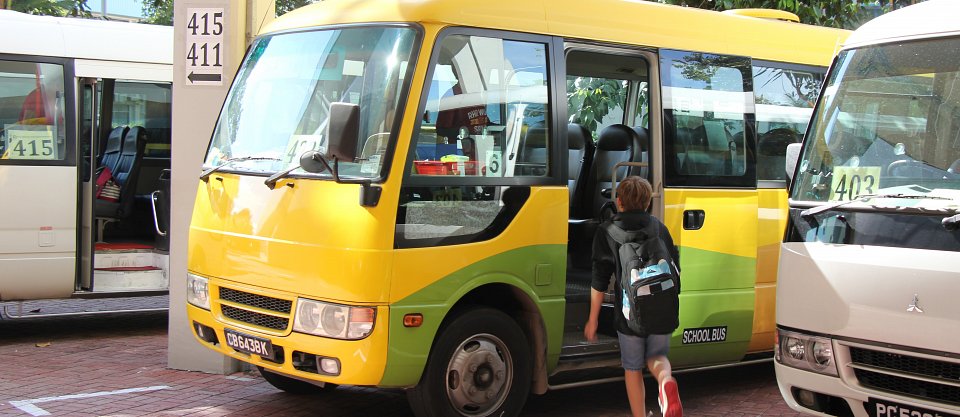
Even if the current law doesn’t strictly require every school bus to have a speed governor, it’s clear which direction regulations are heading.
Singapore’s Vision Zero approach to road safety aims to eliminate traffic fatalities and severe injuries. As part of that strategy, stricter safety regulations—including mandatory certified speed governors for school buses—are likely to be implemented in the near future.
By installing LTA-compliant, certified speed governors today, school bus operators and schools can:
-
Future-proof their fleet against upcoming legislation.
-
Build trust with parents and schools by going above the minimum legal requirements.
-
Avoid penalties in future inspections or enforcement crackdowns.
-
Lower insurance risks and premiums, as many insurers favor compliant safety equipment.
-
Contribute to a national culture of safety, aligned with Singapore’s road safety goals.
What Does ‘Certified’ Mean in a Legal Context?
Certification is not just a label—it’s a legal and functional guarantee. In Singapore, LTA-approved speed governors must comply with international standards such as:
-
UNECE Regulation No. 89 (R89) – Governs performance requirements for speed limiters.
-
ECE R10 – Related to electromagnetic compatibility.
-
Tamper-proof construction – Devices must not be easily altered or disabled.
-
Reliable calibration – Accurate speed detection and engine control integration.
Using uncertified, low-cost devices may result in regulatory non-compliance, legal liability, and voided insurance coverage.
The Benefits of Using Resolute Dynamics’ Speed Governor
When it comes to school transport safety solutions, not all speed governors are created equal. Resolute Dynamics offers high-precision devices built specifically for school environments.
Here’s why they stand out:
-
Precision Engineering: Built to exacting standards with durable components.
-
GPS Integration: Real-time tracking for fleet managers and parents.
-
Dual-Speed Limiting: Adjusts max speed based on terrain or zone (e.g., urban vs expressway).
-
Tamper-Proof: Certified to resist manipulation, ensuring drivers can’t override limits.
-
LTA-Compliant: Meets Singapore’s latest standards for vehicle safety equipment.
These features create a strong safety net that protects not just children, but also drivers, school administrators, and fleet operators from legal and financial risk.
Real-World Impact: How Speed Governors Improve Safety
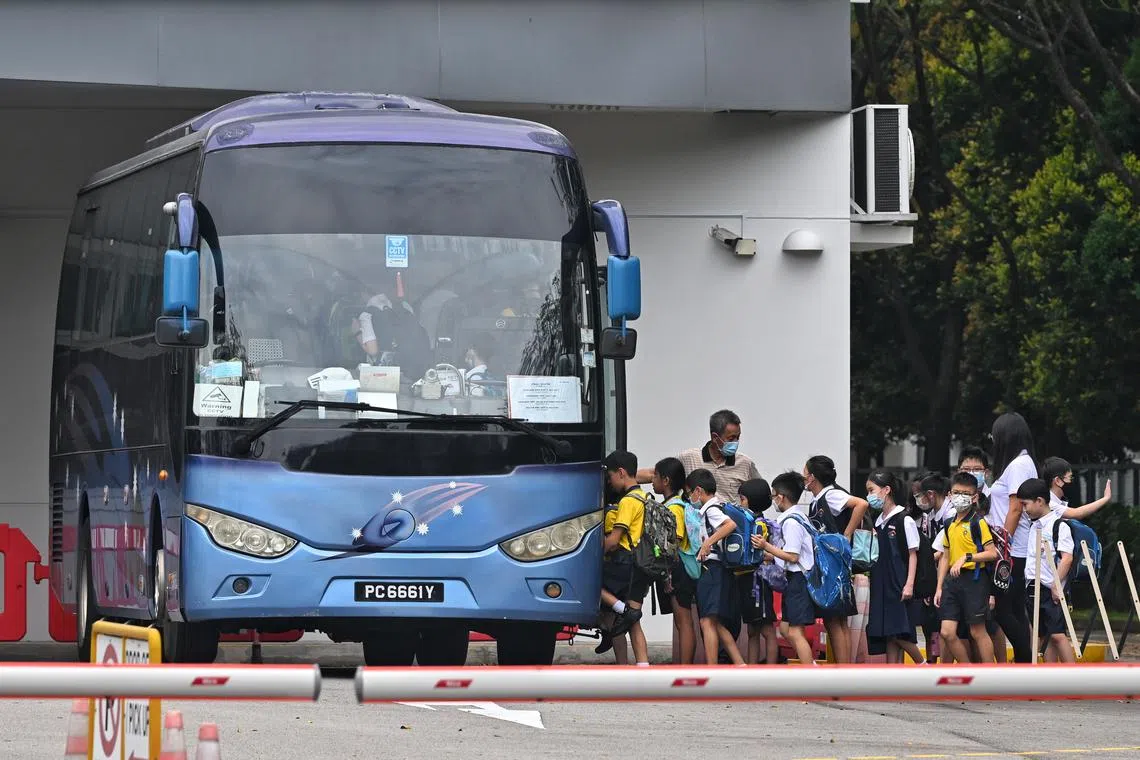
The true value of a certified speed governor isn’t found in technical jargon—it’s seen in the real-world outcomes it produces. When these devices are installed across school bus fleets, the results are clear: fewer accidents, safer children, and greater trust from the community.
Let’s break this down with an illustrative scenario and the ripple effects that follow.
A Real Scenario: One School, One Decision
Imagine a mid-sized school in Singapore’s northern region that contracts with a fleet of 50 school buses. After a near-miss incident involving a speeding driver, the school board decides to invest in certified speed governors with GPS tracking across the entire fleet.
Within just three months, the change is dramatic.
Speeding Violations Drop by 90%
Before installation, bus drivers often felt pressure to rush through multiple trips during peak hours. Some were clocked at 70–80 km/h in zones with a 50 km/h limit. After speed governors were installed and locked at 60 km/h:
-
Drivers physically couldn’t exceed the limit, even if they wanted to.
-
Fleet managers received real-time alerts when drivers approached the limit.
-
A culture of safe driving started to take root—drivers no longer felt the need to “race the clock.”
As a result, recorded speeding incidents nearly disappeared.
Insurance Claims Drop by 40%
Before the governors, minor collisions and braking incidents were common. These might not make the news, but they impact:
-
Insurance premiums
-
Repair costs
-
School reputation
With speed governors in place:
-
Buses traveled more smoothly, with less harsh braking or swerving.
-
Drivers focused more on safety than rushing schedules.
-
Fewer incidents meant fewer claims—and eventually, lower insurance rates.
In some cases, insurers even offered discounts for fleets using certified, tamper-proof safety technology.
Parent Trust and Satisfaction Rise
Parents noticed the difference almost immediately.
-
Pickup and drop-off times became more predictable.
-
Fewer complaints were raised about reckless driving.
-
GPS tracking allowed real-time updates, offering peace of mind to anxious parents.
One mother even reported:
“I used to worry every time my son got on that bus. Now, I get an alert when he’s five minutes from home—and I know he’s not being driven recklessly. That’s a game-changer.”
For the school, this improvement translated to higher retention in school bus subscriptions and positive feedback during parent-teacher meetings.
Long-Term Impact: Safety Becomes a Standard
The effects go beyond numbers:
-
Driver behavior improves long-term, even outside of work.
-
Bus operators build stronger reputations and win more contracts.
-
Schools using these systems are seen as proactive and safety-conscious, gaining trust from parents and regulatory bodies.
Behavioral Psychology in Action
What makes speed governors so effective isn’t just the technology—it’s the psychology behind them.
When people know they’re being monitored (like via GPS-linked systems) and understand that speeding physically isn’t possible, they stop trying to push limits. Over time, safe driving becomes the norm rather than the exception.
This psychological shift, especially in high-pressure roles like school transport, is invaluable.
Data-Driven Safety Culture
Certified speed governors that integrate with telematics and fleet analytics platforms create a data trail:
-
Weekly reports on driver behavior
-
Heatmaps of high-risk routes
-
Early detection of mechanical issues (via driving patterns)
This transforms a simple vehicle into a smart safety platform, enabling schools and bus operators to make informed, proactive decisions.
Bridging the Gap Between Public and Private School Transport
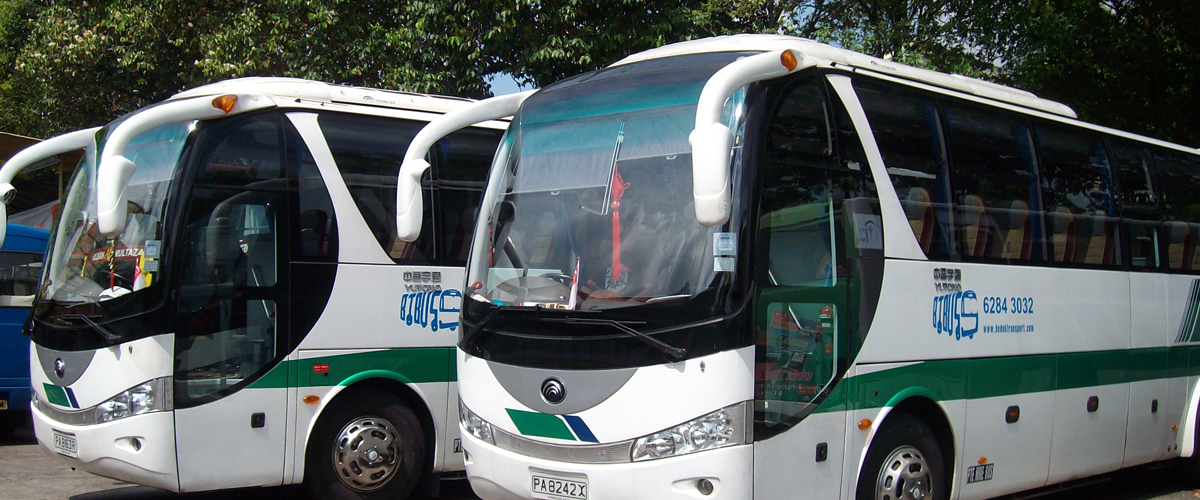
There’s a noticeable difference in how government-run and privately operated school buses are regulated. While MOE-contracted services are heavily audited, smaller private operators often fly under the radar.
This double standard can’t continue. Safety should be consistent across the board. Certified speed governors provide a level playing field—a minimum standard that every bus, whether public or private, should meet.
The Future of School Transport Safety
We’re heading into an era of smart mobility—where vehicles are connected, monitored, and self-regulating. Speed governors will likely be part of larger safety ecosystems that include:
-
Geo-fencing (alerts when buses enter unsafe areas)
-
Onboard diagnostics
-
Live driver behavior analytics
By installing certified speed governors now, operators and schools take the first step toward this future—one that prioritizes predictive safety over reactive measures.
Conclusion: Safe Speed Is Smart Speed
In a city like Singapore, where safety, law, and technology intersect, there’s no excuse for school buses operating without certified speed limiters. The risk is too high, and the solution is already available.
Installing certified speed governors doesn’t just check a regulatory box. It shows responsibility. It shows care. Most importantly, it shows that we value the lives of our children over convenience or cost.
Let’s make it the standard, not the exception.
For schools, parents, and transport providers who want to take action, visit Resolute Dynamics to learn more.