
If you’re managing a fleet in Singapore, you know how painful city traffic can be. The roads are always packed, the stop-start driving never ends, and fuel bills keep climbing. Every hour stuck in gridlock isn’t just frustrating — it’s costing real money. That’s why many smart fleet operators here are turning to a solution that’s both simple and powerful: RPM regulators.
Let’s break down how this small tech tweak is turning big problems into real savings.
The Traffic-Fuel Trap in Singapore
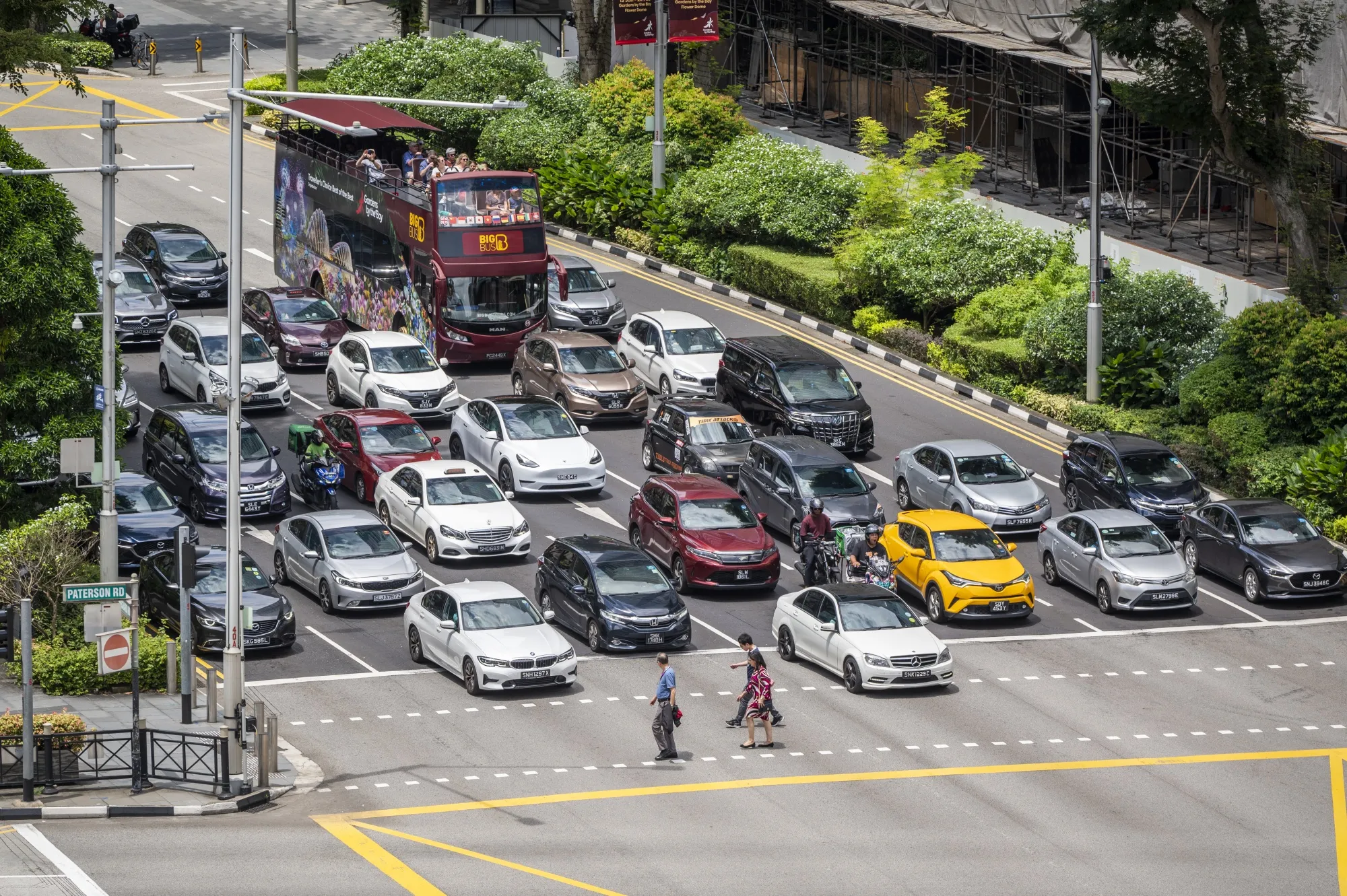
Singapore is known for its world-class urban infrastructure, but anyone managing a commercial fleet here knows the reality: congestion is relentless. Whether you’re navigating the CBD during lunch hour, circling the Tuas checkpoint, or inching through PIE during evening rush, your vehicles are spending more time idling than moving — and that’s silently draining your profits.
A City Built for Control, Not Speed
Singapore’s road network is designed for control, not speed. With ERP tolls, COE constraints, and strict enforcement, staying compliant while maximizing efficiency is a constant challenge. Many fleets are now combining RPM regulators with a certified speed limiter device Singapore to maintain optimal engine performance and fuel economy without risking penalties.
According to the Land Transport Authority (LTA), Singapore has over 950,000 registered vehicles, with commercial and private fleets making up a significant chunk. Now combine that with:
-
Short traffic light cycles
-
Narrow lanes in older districts
-
Road works and frequent detours
-
Ride-hailing pickups causing sudden stops
And you’ve got a recipe for inefficiency at scale.
The Real Cost of Crawling Traffic
When vehicles are stuck in traffic, several hidden costs kick in:
1. Fuel Is Burned Without Progress
Every minute of idling in neutral or low gear consumes fuel without covering distance. Multiply that by 100 vehicles across a delivery fleet and you’re bleeding thousands of dollars per month — just sitting in traffic.
A diesel engine can burn 1 to 1.5 liters of fuel per hour at idle. That’s money literally going up in exhaust fumes.
2. Engine Wear Accelerates
In stop-start conditions, engines don’t get to operate at optimal temperature. Cold starts, sudden braking, and revving at traffic lights put extra stress on pistons, crankshafts, and spark plugs. Over time, this leads to:
-
More frequent oil changes
-
Increased risk of overheating
-
Shortened engine lifespan
It’s not just bad for the engine — it hits your fleet maintenance budget hard.
3. Driver Behavior Deteriorates
In dense traffic, drivers get frustrated. They accelerate harder between stops, brake later, and may even speed on clear stretches to “make up lost time.” This kind of aggressive driving:
-
Increases accident risk
-
Raises insurance claims
-
Decreases fuel efficiency
And without a monitoring system, it’s hard to enforce better habits consistently.
4. Operational Time Loss
Time is money, especially in logistics, food delivery, or school transport. Longer routes due to traffic mean fewer jobs completed per day. It also means overtime pay, late deliveries, and unhappy clients.
Urban Conditions Make RPM Abuse Easy
Here’s the catch most people miss: you don’t need to be speeding to waste fuel. Even at 10 km/h in a jam, a driver can rev the engine up to 3,000+ RPM. That’s like shouting to move forward instead of just walking — it doesn’t help, and it only drains more energy.
In urban conditions:
-
Sudden acceleration after a stoplight
-
Downshifting too aggressively
-
Over-revving to change lanes quickly
All lead to unnecessary RPM spikes, which burn more fuel and strain the engine — even if the vehicle isn’t moving fast.
Why This Trap Matters for Fleets
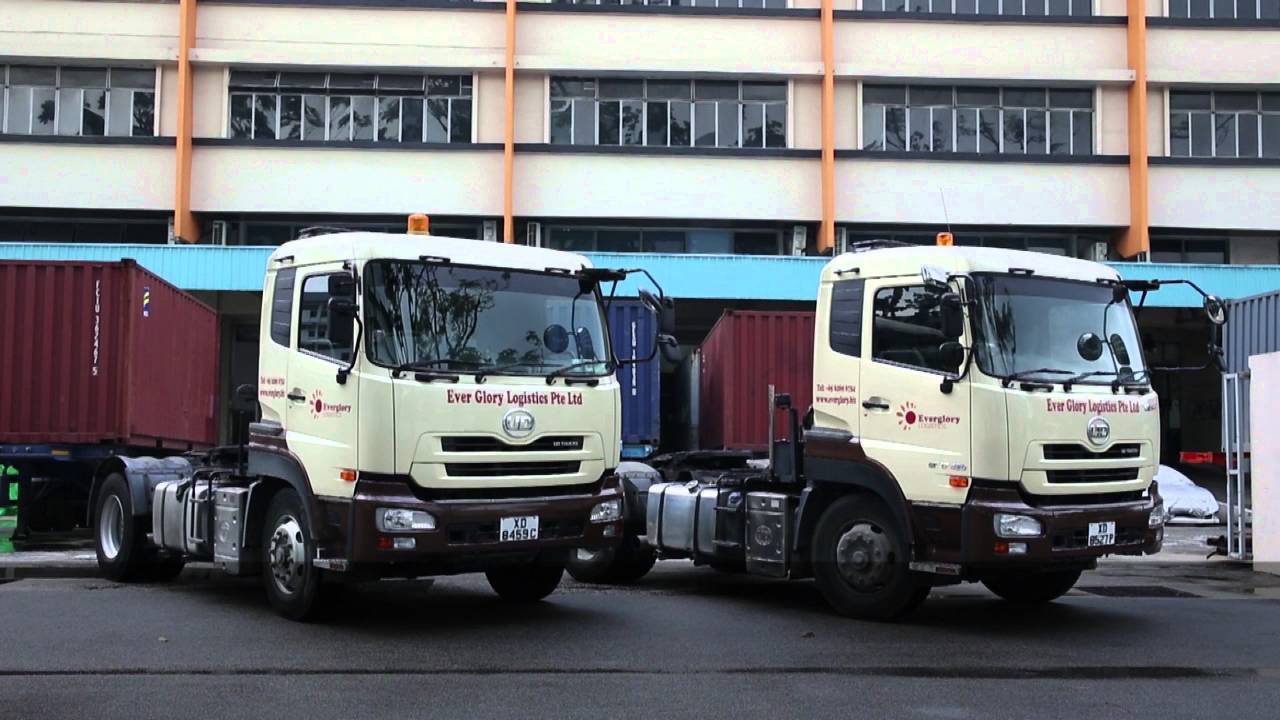
If you’re running a business with 10 or 200 vehicles, this isn’t just an annoyance — it’s a compound financial leak.
The traffic-fuel trap quietly:
-
Lowers your profit margins
-
Increases your total cost of ownership (TCO)
-
Forces you into more frequent vehicle replacement cycles
-
Makes your fuel efficiency data harder to predict
It’s no longer just about managing routes — it’s about managing what happens during those painful, slow-moving minutes stuck behind a bus or crossing a congested junction.
What Is an RPM Regulator and How Does It Work?
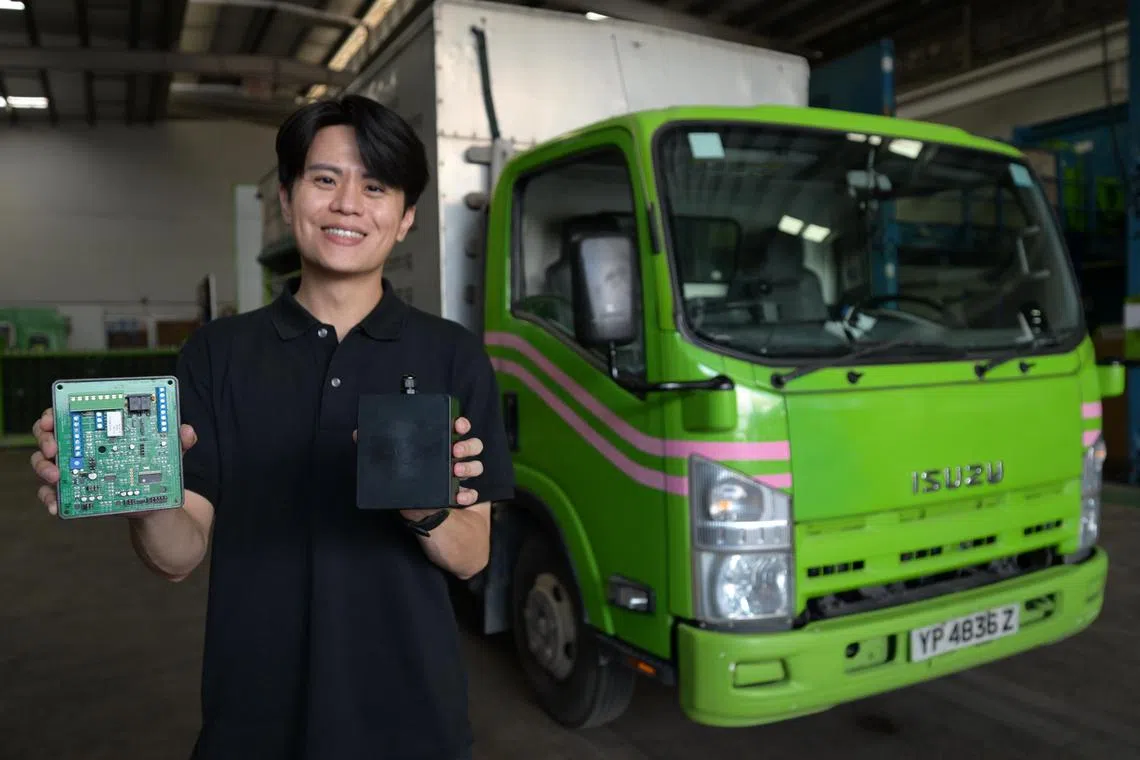
Think of your engine like a heart — it beats faster when you push it, and slower when it’s resting. But just like a heart, if it works too hard for too long, things can go wrong. That’s where an RPM regulator steps in — like a smart control system that tells your engine, “Hey, slow down, no need to push this hard.”
What Does RPM Mean?
RPM stands for Revolutions Per Minute. It’s a measurement of how fast your engine’s crankshaft is spinning. Higher RPM means your engine is working harder — burning more fuel, generating more heat, and putting more wear on parts.
In simple terms:
-
Low RPM = Calm and fuel-efficient
-
High RPM = Powerful but fuel-hungry and risky for engine health
So What Does an RPM Regulator Actually Do?
An RPM regulator, sometimes called an RPM limiter, is an electronic control device installed in your vehicle. It limits how high the engine can rev, especially during acceleration or idling. This keeps the engine from working harder than it needs to, especially in stop-and-go city traffic like in Singapore.
It connects to the vehicle’s Electronic Control Unit (ECU) and monitors the engine’s RPM in real-time. When it detects that the RPM is climbing too high (usually past a pre-set safe limit), it steps in and restricts fuel flow or ignition to control the rev speed.
How Does It Work in Real Driving?
Let’s say a delivery van is stuck in Orchard Road traffic. The driver hits the gas hard every time the light turns green, revving up to 4,000 RPM just to crawl forward. That burns fuel fast and strains the engine.
With an RPM regulator installed:
-
The revs are capped, say at 2,500 RPM.
-
The driver can still move forward smoothly but without over-revving.
-
Less fuel is burned, and the engine stays cooler and more stable.
This helps reduce fuel consumption, especially in urban traffic conditions where vehicles start and stop constantly.
RPM Regulator vs Speed Limiter: What’s the Difference?
Many people confuse RPM regulators with speed limiters — but they serve different purposes.
| Feature | RPM Regulator | Speed Limiter |
|---|---|---|
| Controls | Engine revolutions | Vehicle top speed |
| Useful in | City/urban driving | Highways, long-distance driving |
| Saves fuel by | Reducing engine load | Limiting velocity |
| Effect on engine | Less stress, less overheating | None directly |
In traffic-heavy cities like Singapore, a speed limiter isn’t very useful. After all, you’re not going to be speeding at 90 km/h on Bukit Timah Road. But your engine can still rev too high, even if you’re barely moving. That’s where RPM regulators shine — they cut down fuel waste where it happens the most.
Types of RPM Regulation Methods
There are different ways RPM regulation can be applied:
-
Fuel Cut-Off Method
-
Cuts fuel injection when RPM exceeds the limit.
-
Very effective in diesel engines.
-
-
Ignition Control
-
Delays or cuts ignition timing in petrol engines.
-
Smooth and fast response.
-
-
Throttle Control Integration
-
Works with electronic throttle to reduce acceleration force.
-
Ideal for modern vehicles with “drive-by-wire” systems.
-
Some advanced RPM regulators even integrate with CAN bus systems, OBD-II ports, and telematics platforms, giving fleet managers complete visibility over driver behavior and vehicle performance.
Why It Matters for Fleet Operators
RPM regulators are more than just tech gadgets. They’re cost-saving tools, engine protectors, and driver behavior stabilizers. When used correctly, they:
-
Improve fuel efficiency by up to 10–15%
-
Prevent overheating and engine damage
-
Extend the lifespan of vehicles
-
Reduce CO₂ emissions and help meet green transport targets
In short, RPM regulators offer a smart and affordable way to optimize urban fleet performance, especially in dense cities like Singapore.
Why Singapore Fleets Are Turning to RPM Regulators
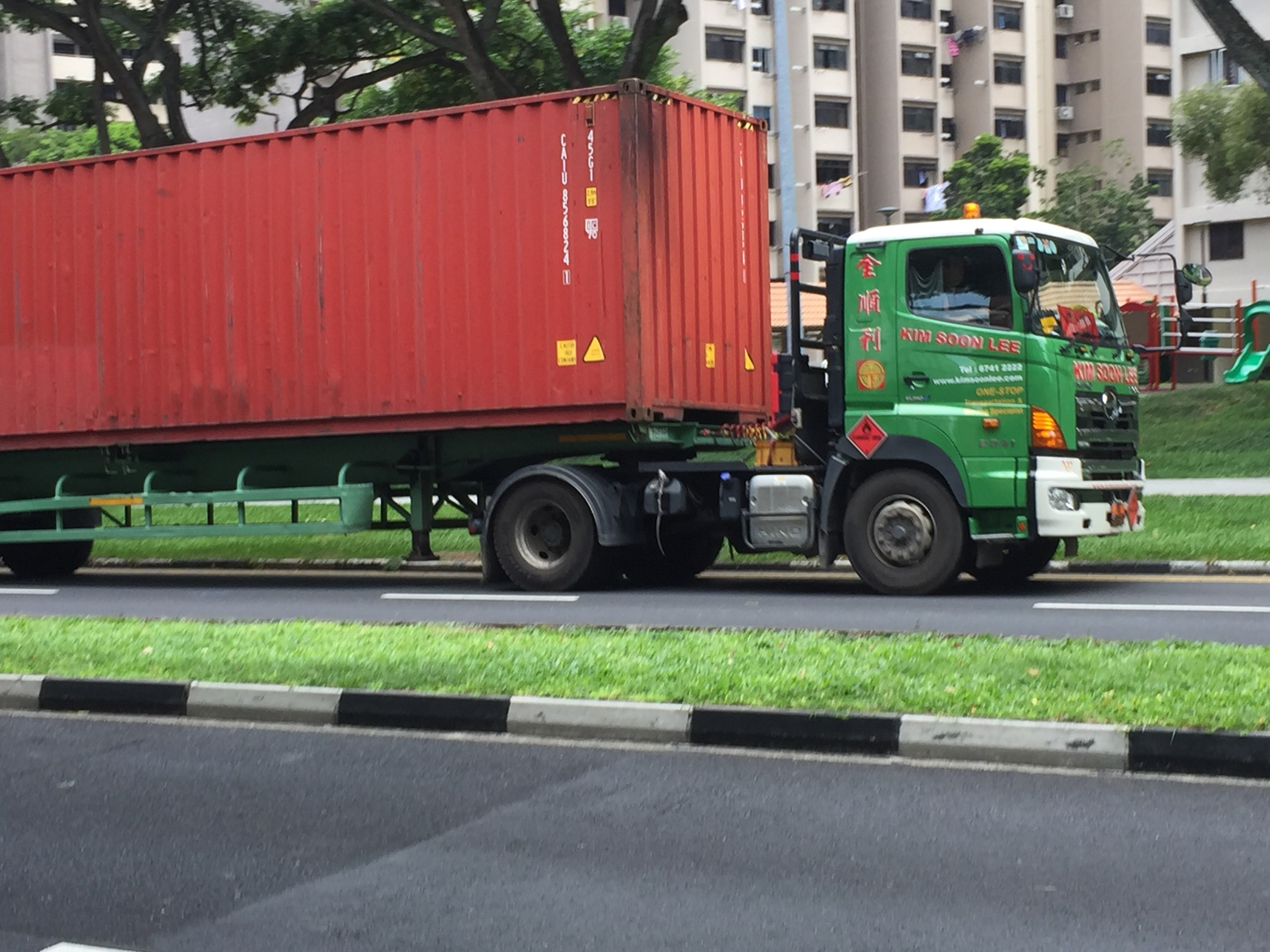
Singapore’s urban landscape is unforgiving for fleets. Rising operating costs, tighter regulations, and high vehicle density make efficiency more than a priority—it’s a necessity. More fleet managers across logistics, school transport, and service-based industries are now seeing RPM regulators as a cost-effective solution to an expensive urban problem.
Here’s why the switch is happening—and fast.
1. Fuel Savings That Stack Up Daily
Fuel is the single largest recurring cost for most commercial fleets. In Singapore, where diesel prices fluctuate and the Carbon Tax framework is evolving, fleet operators are under pressure to do more with less.
An RPM regulator directly controls engine revolutions, preventing unnecessary revving during idle, acceleration, or crawling through dense areas like Geylang or Tampines. This control results in immediate and measurable fuel savings.
For example:
-
In low-speed urban driving, keeping RPM below 2,000 instead of frequent spikes to 3,500+ can cut fuel consumption by up to 10–15%.
-
Over a year, that can mean thousands of dollars saved per vehicle—especially for delivery vans or buses operating daily.
When applied across a 30-vehicle fleet, the savings aren’t incremental—they’re transformative.
2. Protecting Engine Health & Reducing Downtime
Engines aren’t built to rev hard in traffic. Repeated over-revving leads to:
-
Excessive heat buildup
-
Accelerated wear on pistons, bearings, and crankshafts
-
Increased oil consumption and pressure on cooling systems
In Singapore’s stop-start city conditions, this kind of strain shortens your engine’s lifespan and increases workshop visits. Repairs become more frequent, and costs compound.
By using an RPM regulator:
-
You extend the operational life of your engine
-
Reduce the risk of catastrophic engine failures
-
Lower maintenance frequency and parts replacement cycles
The result? Less downtime, fewer workshop hours, and better TCO (total cost of ownership).
3. Promoting Smarter, Safer Driving Behavior
Even with GPS monitoring and telematics, managing driver behavior is tough—especially across large fleets.
RPM regulators subtly shape how a vehicle is driven by limiting aggressive throttle responses. Without the ability to over-rev, drivers naturally:
-
Accelerate more gradually
-
Shift gears more efficiently (especially in manual vehicles)
-
Avoid harsh braking and unnecessary idling
What makes this powerful is that it works passively—without requiring direct monitoring or retraining. You influence behavior from the engine itself, not just the driver’s dashboard.
For school bus fleets, logistics teams, and ride-hailing fleets, this adds another layer of safety and consistency without extra manpower.
4. Aligning with Singapore’s Green Transport Goals
Singapore’s government has made it clear: the future of mobility is clean, sustainable, and low-emission. With the Green Plan 2030 and LTA’s push for greener fleets, transport companies are expected to adopt technologies that lower their carbon footprint.
An RPM regulator helps in multiple ways:
-
Reduces carbon emissions by limiting fuel burn during high-RPM conditions
-
Supports better emissions testing outcomes by keeping engine activity within clean parameters
-
Prepares fleets for future compliance standards related to fleet efficiency and environmental impact
For fleet managers, this isn’t just about being eco-friendly—it’s about staying ahead of regulations, avoiding penalties, and qualifying for green subsidies or tenders.
Why We Chose Resolute Dynamics
Not all RPM regulators are the same. Some are basic, while others are smart and precise. That’s where Resolute Dynamics comes in.
They offer precision-engineered RPM regulators designed for Singapore’s tough traffic conditions. Their tech isn’t just plug-and-play — it’s built with deep R&D, and they back it up with quality assurance and customization.
What sets Resolute Dynamics apart:
-
Tailored RPM settings for different fleet types (delivery vans, school buses, logistics trucks)
-
Compatibility with GPS tracking and speed limiting systems
-
Durable hardware that lasts even under heavy commercial use
-
Support from a trusted team based across Asia, including a strong presence in Singapore
This isn’t just about saving fuel. It’s about choosing a long-term partner for smarter fleet operations.
The ROI Fleet Managers Are Seeing
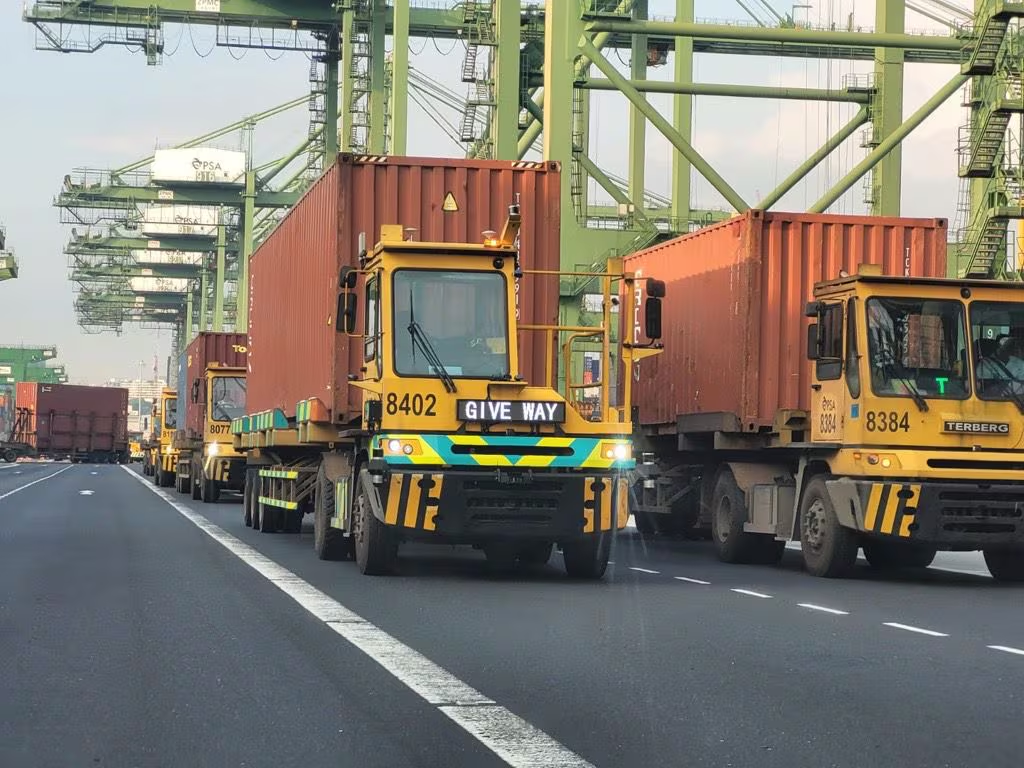
You might wonder, is it worth the investment?
Here’s what many Singapore-based fleet operators are reporting after installing RPM regulators:
-
Up to 10–15% reduction in fuel costs within the first few months
-
Fewer workshop visits due to reduced engine strain
-
Lower driver-related insurance claims, thanks to smoother and safer driving
-
More accurate planning, since fuel use becomes predictable
The best part? Installation is simple, and the device can be integrated with existing vehicle systems like GPS trackers or speed governors.
Future-Proofing with Smart Fleet Tech
The transport industry is going digital — and fast. Data-driven fleet management, predictive maintenance, and emissions reporting are all becoming the new norm.
An RPM regulator is a small but powerful step in that direction. When paired with smart tracking tools, it opens the door to:
-
Real-time performance data
-
Driver behavior analysis
-
Fleet-wide optimization
-
Regulatory compliance reporting
Think of it as the foundation for a smarter, cleaner, and more profitable fleet.
Final Thoughts: Smarter Engines, Smarter Business
If your fleet is navigating Singapore’s city roads every day, you already know the pressure. RPM regulators offer a simple way to fight back — against high fuel costs, engine stress, and unpredictable driver behavior.
They don’t just save fuel — they make your fleet leaner, smarter, and better prepared for the future of urban transport.
Want to learn more or see how this works in your operations?
Explore fleet safety solutions from Resolute Dynamics — the leaders in precision automotive technology across Singapore and beyond.