
Fleet regulations are changing fast in Singapore, and 2025 is just around the corner. If you manage commercial vehicles, school buses, or logistics fleets, it’s time to take action. The Land Transport Authority (LTA) is tightening its safety laws — and speed limiter compliance is no longer optional. These changes are designed to improve road safety and reduce high-speed accidents, especially in urban zones.
This isn’t just a minor policy update. It’s a full-blown regulation overhaul that will affect your entire fleet operation — from how fast your vehicles can legally go, to how you monitor and report compliance.
What the 2025 Fleet Regulations Mean for Vehicle Operators
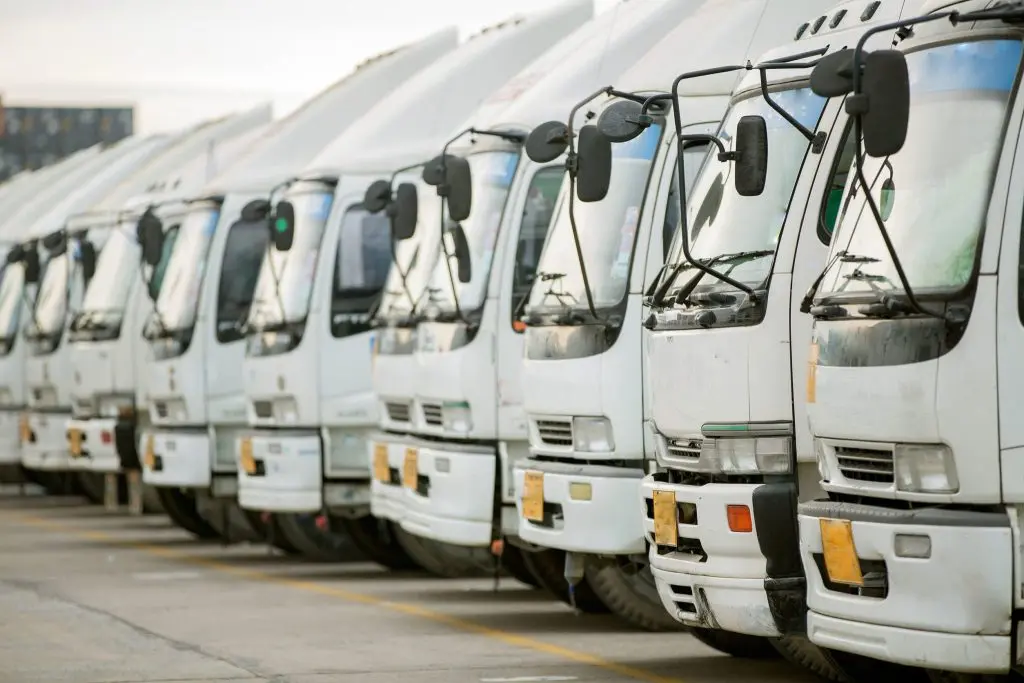
Singapore’s Land Transport Authority (LTA) is tightening its grip on road safety, and the 2025 fleet regulations are a major step forward — or a major hurdle, depending on how prepared you are.
From January 2025, several new rules will come into effect, especially around mandatory speed limiter devices for certain vehicle types. These changes aim to reduce accidents caused by speeding, improve vehicle control in dense city traffic, and ensure consistent road behavior across commercial fleets.
Let’s break down what this means for you — the fleet operator, logistics manager, or vehicle owner.
Which Vehicles Are Affected?
According to early LTA drafts and industry discussions, the following vehicle categories will be impacted:
-
Commercial vehicles exceeding 3.5 tonnes (e.g., trucks, lorries, goods carriers)
-
School buses and private hire buses
-
Company-owned vans or fleet cars used for logistics or delivery
-
Public service vehicles (PSVs) such as minibuses or shuttle services
-
Cross-border commercial fleets operating between Malaysia and Singapore
In short: if your business relies on wheels, chances are you’re on the list.
What Must You Do to Comply?
To meet the 2025 requirements, operators must ensure:
Installation of Certified Speed Limiters
Every applicable vehicle must be fitted with a government-recognized, LTA-certified speed limiter. Not just any speed governor will do — the device must meet specific technical standards and be tested for tamper resistance, reliability, and durability.
These standards cover:
-
Maximum speed thresholds (e.g., 60km/h for school buses, 70km/h for trucks)
-
Tamper detection features (alerts or shut-offs if bypassed)
-
Compatibility with electronic control units (ECUs)
Device Calibration & Testing
Once installed, speed limiters must be calibrated accurately to reflect the vehicle’s specifications. Calibration involves:
-
Setting the correct speed ceiling
-
Ensuring acceleration control is smooth, not abrupt
-
Verifying limiter behavior on actual roads or through simulated environments
LTA may require a calibration certificate for each vehicle, which should be updated annually or after major maintenance.
GPS Tracking Integration (Recommended but Critical)
While not yet officially mandatory, the integration of GPS tracking systems is strongly encouraged for real-time fleet monitoring. This technology allows fleet managers and inspectors to:
-
Confirm that vehicles stay within speed limits
-
Trace routes, especially near schools or construction zones
-
Detect tampering or disconnections
-
Generate digital compliance logs automatically
LTA is leaning toward a data-backed enforcement model, so vehicles without GPS may struggle to prove compliance.
Maintain Compliance Records
Operators must maintain proper vehicle compliance logs, including:
-
Installation dates
-
Calibration certificates
-
GPS logs (if used)
-
Maintenance or tamper alerts
These records should be readily available during LTA inspections or audits. If you’re using fleet management software, integrate your compliance documents there for quick access.
What Happens If You Don’t Comply?
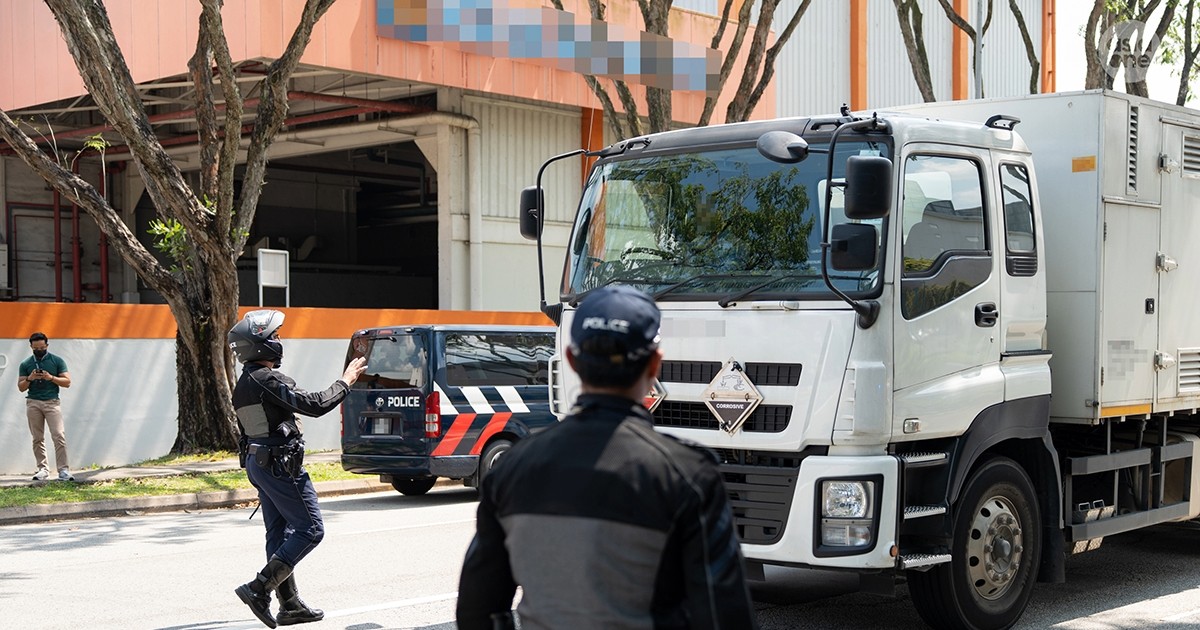
Failing to meet these regulations won’t be taken lightly. Fleet operators and owners may face:
-
Fines ranging from S$500 to S$5,000 per vehicle, depending on severity
-
Vehicle deregistration, meaning the vehicle cannot legally operate in Singapore
-
Suspension of operator licenses for repeat offenders
-
Insurance complications, including claim rejections or higher premiums
-
Negative business impact, such as failed tenders or reputational damage
Why This Matters for You
This is not just a compliance issue — it’s a business continuity issue.
The 2025 fleet rules are designed to:
-
Make roads safer for drivers, passengers, and pedestrians
-
Level the playing field for responsible operators
-
Encourage smart fleet management using data, automation, and compliance tech
Getting ahead of these changes doesn’t just protect your business legally — it positions you as a trusted, modern, and safety-first operator in a competitive industry.
Speed Limiters: The Cornerstone of Compliance
Speed control is no longer a matter of driver discipline — it’s a matter of regulation. As Singapore’s 2025 fleet rules tighten, the speed limiter has become the essential component for fleet compliance and road safety.
But what exactly is a speed limiter, how does it work, and why is it central to your compliance strategy?
Let’s break it down.
What Is a Speed Limiter?
A speed limiter, also known as a speed governor, is an advanced electronic system designed to control and restrict how fast a vehicle can travel. In places like Singapore, where strict road safety laws are being introduced — especially for commercial fleets — adopting a compliant speed limiter device Singapore is becoming essential.
Once installed, the device monitors the vehicle’s speed in real time and actively prevents it from exceeding a set threshold — such as 60 km/h for school buses or 70 km/h for heavy goods vehicles, depending on LTA guidelines.
Unlike simple speed alerts, a speed limiter takes direct action by controlling key vehicle systems:
-
Throttle input
-
Fuel injection
-
Engine RPM (in certain models)
This ensures that even if a driver tries to accelerate, the vehicle cannot exceed the pre-configured speed — making it a powerful tool for reducing road accidents and enhancing fleet safety in dense urban environments like Singapore.
Smart Speed Limiters: The New Standard
Today’s fleet safety isn’t just about stopping speeding — it’s about adapting to real-world conditions. That’s where smart speed limiters, like the ones engineered by Resolute Dynamics, take the lead.
These aren’t your old-school single-speed limiters. These are adaptive, data-aware, and regulation-ready.
1. Dual-Speed or Multi-Speed Limiting
Modern systems offer terrain-based logic, which means:
-
Your vehicle can operate at different speed limits based on the road type.
-
For example, 70km/h on expressways, but 50km/h automatically in city zones.
-
These changes happen without driver input, reducing error and tampering.
2. GPS Integration
By linking to real-time GPS tracking, the limiter can:
-
Adjust speed zones based on location coordinates
-
Provide geo-fencing alerts when a vehicle enters sensitive areas (like school zones)
-
Log speed events, giving you a transparent compliance trail
This fusion of location intelligence and mechanical control is exactly what LTA is encouraging — because it’s verifiable, auditable, and proactive.
3. Tamper-Proof Design
LTA compliance isn’t just about functionality — it’s also about device integrity. High-quality speed limiters now include:
-
Tamper detection circuits
-
Event logging that alerts the system when someone tries to disconnect or bypass the unit
-
Encrypted firmware to prevent unauthorized adjustments
This protects you as the operator. If anything goes wrong, you’ll have proof that the limiter was working — or that someone interfered.
Why Speed Limiters Are Central to Compliance
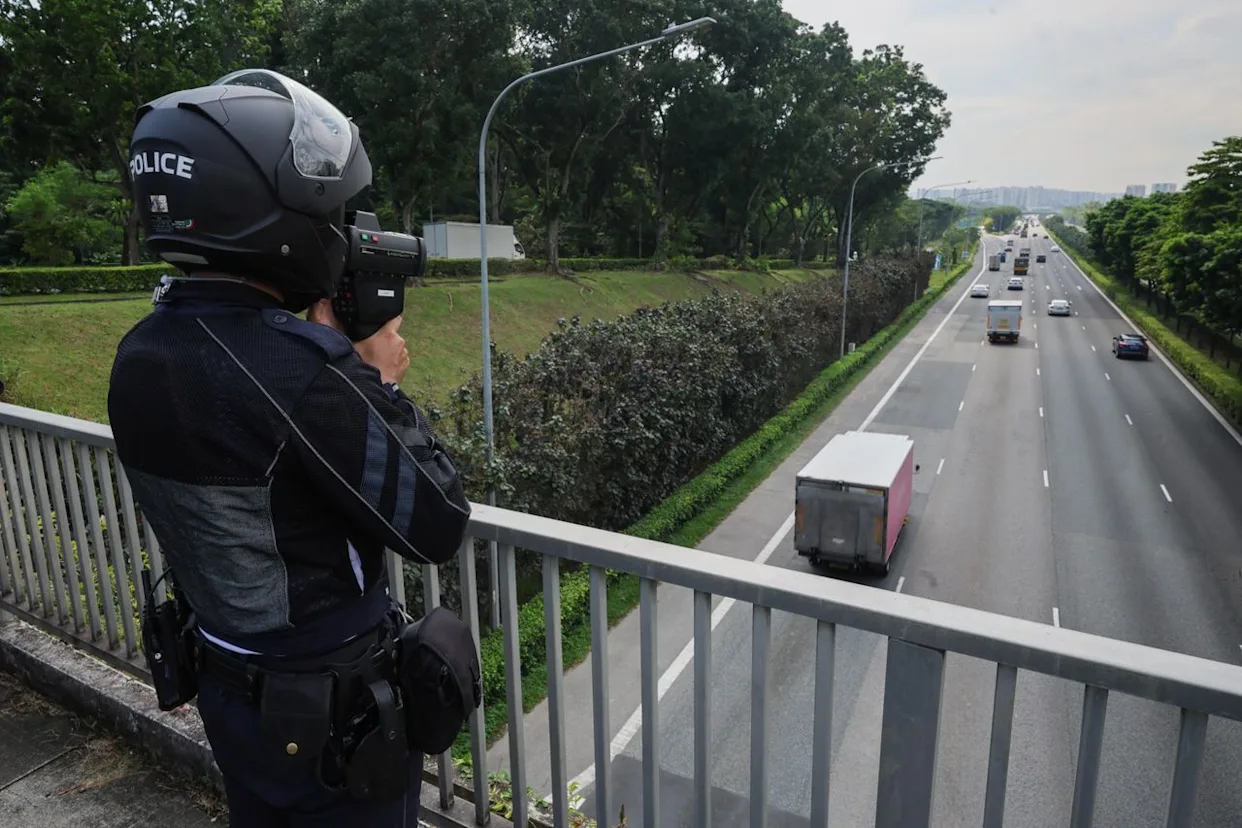
When it comes to Singapore’s 2025 fleet rules, the speed limiter is non-negotiable. It’s not a luxury add-on. It’s the core mechanism that allows operators to:
-
Prove compliance to LTA
-
Avoid speeding-related penalties
-
Enhance safety for passengers and pedestrians
-
Protect insurance claims with verifiable speed logs
Here’s why regulators favor speed limiters:
| Benefit | Why It Matters |
|---|---|
| Enforceability | Regulators can verify speed control directly |
| Visibility | Installed devices are easy to inspect and audit |
| Tamper Resistance | Modern devices log interference attempts |
| Data Integration | Pairs with GPS for transparent fleet reports |
| Uniform Safety | Reduces variability in driver behavior |
No other single system provides this combination of control, accountability, and safety.
Types of Speed Limiters on the Market
If you’re shopping for compliant systems, it’s important to know what’s available:
| Type | Description | Suitable For |
|---|---|---|
| Fixed Speed Limiter | Single speed setting, basic control | Low-risk routes, older fleets |
| Dual-Speed Limiter | Two speed presets; auto switch based on zone | City + highway routes |
| Multi-Speed Limiter | Terrain- and GPS-aware dynamic limits | Advanced compliance, urban logistics |
| Integrated with GPS | Full telematics, logs, and alerts | Fleet managers, audit-focused teams |
If you’re planning to comply and gain long-term ROI, go for dual-speed or GPS-integrated models. They future-proof your operation.
Speed Limiter Isn’t Just a Device — It’s a Mindset
At its core, a speed limiter system is part of a bigger shift in fleet management: from reactive to proactive, from manual to automated, and from compliant to smartly compliant.
It’s not just about slowing down — it’s about:
-
Reducing wear and tear on your vehicles
-
Making your drivers more consistent
-
Protecting your passengers, goods, and reputation
When your limiter is working in sync with your GPS tracking, driver behavior systems, and LTA regulations — that’s when real fleet intelligence kicks in.
Why Your Fleet Might Not Be Ready Yet
Many fleet owners assume that their old speed limiter systems are still valid. That’s risky. Older devices may not meet updated certification standards or offer the connectivity needed for GPS logging and LTA audits.
Common readiness issues:
-
Devices not LTA-approved
-
Tamper-prone or manually adjustable limiters
-
No integration with fleet tracking systems
-
Lack of digital calibration logs
If your fleet was last upgraded over two years ago, chances are it’s non-compliant under the 2025 rules. Don’t assume — assess and act.
Resolute Dynamics: Future-Proof Fleet Safety Solutions
Resolute Dynamics designs smart, certified, and reliable safety products that are tailor-made for Singapore’s regulatory environment. Here’s why fleet operators trust our technology:
-
Certified Speed Limiters that meet LTA standards
-
Dual Speed Limiters for terrain-based speed control
-
GPS Tracking Systems with real-time alerts and reports
-
Custom integrations for school buses, commercial fleets, and workshop vehicles
-
Precision Engineering with tamper-proof builds
We don’t just sell devices — we offer a complete compliance ecosystem designed to keep you ahead of policy changes.
How to Prepare: A Step-by-Step Fleet Compliance Checklist
Singapore’s 2025 speed limiter rules are not just another update — they’re a shift in how fleet compliance is measured, enforced, and proven. Preparing for this change doesn’t have to be overwhelming, but it does need a systematic, proactive approach.
Below is a fully detailed compliance checklist designed to help you avoid penalties, ensure safety, and keep your fleet road-ready before the deadline hits.
1. Audit Your Current Fleet Inventory
Before making changes, start with a full inventory audit.
-
List every vehicle in your fleet, along with make, model, and year.
-
Identify which ones currently have speed limiters installed.
-
Note the brand, model, and type of limiter (single-speed, dual-speed, etc.).
-
Check for any GPS tracking systems in place.
-
Confirm whether each installed limiter is LTA-approved and compliant with the 2025 regulations.
Tools you can use:
-
Fleet management software
-
Compliance audit templates
-
Third-party assessment services (like Resolute Dynamics offers)
Why it matters: Without knowing where you stand, you can’t build a compliance plan. Many fleets wrongly assume that “installed = compliant.” That’s a costly mistake.
2. Review Each Vehicle’s Compliance Status
Once the audit is complete, take a deeper dive into the technical status of each vehicle’s safety system.
Ask these key questions for each unit:
-
Is the speed limiter calibrated correctly?
-
Does it match the vehicle’s intended use (e.g., urban delivery vs. highway logistics)?
-
Is the device tamper-resistant or vulnerable to override?
-
Has the limiter been serviced or replaced in the last 12 months?
-
Is there a calibration certificate available?
-
Does the system provide logs or data trails?
Look for warning signs like:
-
Faulty wiring
-
Devices showing incorrect speed limits
-
Signs of manual overrides or disconnected GPS
Pro tip: LTA officers can demand on-the-spot inspection. A faulty or outdated limiter can result in immediate fines or demerit points.
3. Choose a Certified Vendor or Solution Partner
Not all speed limiter vendors are equal. To stay ahead of the 2025 rules, only work with LTA-recognized, certified solution providers.
What to look for in a vendor:
-
Official certifications and product approvals from regulatory bodies
-
Experience with fleet integration, not just one-off installations
-
Ability to provide calibration services and ongoing support
-
Offers multi-speed or terrain-based limiter options
-
GPS tracking and data logging included or integrable
-
Local support in Singapore for post-installation service
Why Resolute Dynamics stands out:
-
Precision engineering
-
Tamper-proof systems
-
Integrated GPS tracking
-
Proven compliance history with fleets in school, logistics, and public sectors
4. Upgrade Your Speed Limiter Systems
If your current system is outdated, uncertified, or lacks GPS capability, it’s time to upgrade — now, not later.
Your options:
-
Basic LTA-compliant limiter for small, city-based fleets
-
Dual-speed limiter for vehicles operating on both highways and urban roads
-
Terrain-based or GPS-triggered speed limiters for advanced fleet needs
These devices:
-
Automatically switch speed caps based on road type or location
-
Prevent over-speeding before it happens
-
Provide digital logs for auditing and reporting
-
Can be integrated with your existing vehicle control units (ECU)
Reminder: Don’t wait for the last-minute rush. Certified vendors may get booked out months before the deadline.
5. Integrate GPS Tracking for Real-Time Compliance
Speed limiters do the controlling — GPS systems do the tracking and proving.
Benefits of GPS integration:
-
Real-time location and speed logging
-
Tamper alerts when a limiter is disconnected
-
Geo-fencing for school zones or no-speeding zones
-
Fleet performance reports by route, vehicle, and driver
-
Compliance logs exportable for LTA review
Some advanced systems offer automated alerts when a vehicle approaches or exceeds its speed zone — adding another layer of protection.
GPS also helps fleet managers:
-
Optimize routes
-
Reduce fuel costs
-
Monitor driver behavior
Bonus: GPS data can also be useful for insurance claims, internal audits, and customer delivery confirmations.
6. Train Your Drivers, Mechanics & Operations Teams
Installing smart tech is only half the job. You need to educate your people.
Organize training sessions to cover:
-
How speed limiters work
-
What not to do (e.g., disconnecting or bypassing the system)
-
Interpreting GPS and limiter alerts
-
Reporting faults or calibration issues
-
Recordkeeping best practices
Also train your mechanics or workshop teams to:
-
Identify limiter faults
-
Perform routine checks
-
Report tampering or malfunctions
Tip: Document all training. If there’s ever a compliance dispute, having proof of staff training can help protect your fleet from full liability.
Maintain Up-to-Date Documentation
Compliance isn’t just technical — it’s paperwork, too.
Make sure your fleet file includes:
-
LTA certification documents for each limiter
-
Calibration reports with date, technician name, and limiter model
-
Maintenance logs and upgrade history
-
GPS data logs (backed up securely)
-
Employee training records
Keep both digital copies and hard copies ready for inspection. Use cloud-based systems to store documents safely and access them anytime.
Recommended formats: PDF for certificates, CSV or JSON for GPS logs, and scanned signed copies for maintenance records.
Don’t Wait Until It’s Too Late: Start Your Compliance Journey Today
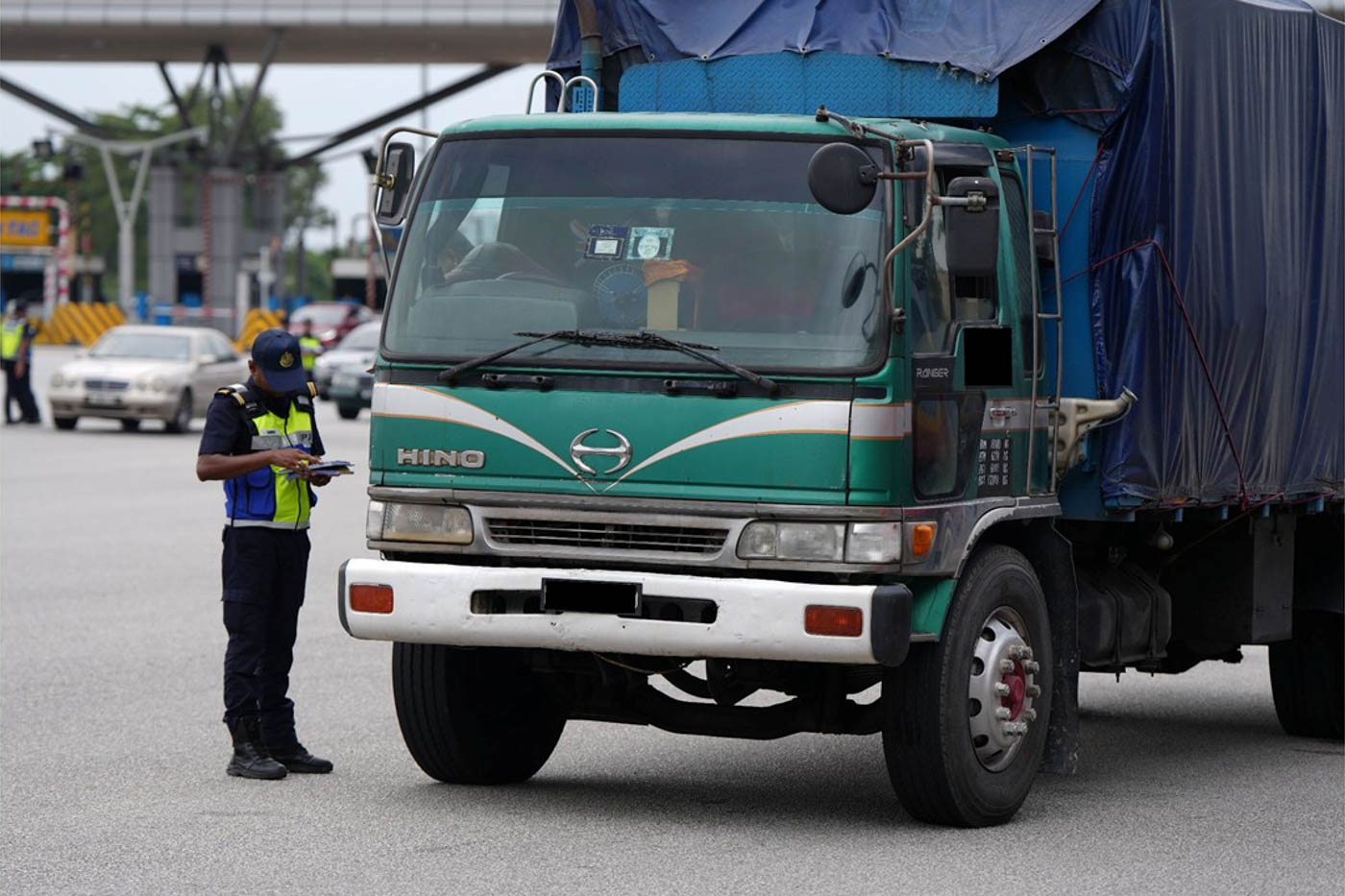
Fleet-wide changes take time. You need assessments, installations, calibrations, and training. If you wait until the last minute, you’ll be caught in a rush of demand — or worse, face downtime and fines.
Getting compliant now:
-
Prevents unexpected vehicle bans
-
Saves money on last-minute rush installs
-
Improves road safety and driver performance
-
Demonstrates your commitment to regulation
Proactive compliance isn’t just smart — it’s strategic.
FAQs: What Fleet Managers Are Asking About 2025 Compliance
Q: Is my old speed limiter still valid?
Likely not. Devices must meet new technical and certification standards.
Q: Can I upgrade my existing system or do I need a new one?
Upgrades are possible, but full replacements are often more cost-effective.
Q: How long does the process take?
From assessment to certification, expect 1–2 weeks per fleet batch depending on size.
Q: Is GPS tracking required?
It’s not mandatory yet, but highly recommended for compliance logs and LTA inspections.
Q: What if I have multiple vehicle types?
Resolute Dynamics offers customized solutions for mixed fleets — from school buses to commercial trucks.
Ready to Get Compliant? Book a Free Fleet Assessment
We’re helping fleet operators across Singapore gear up for 2025. Don’t wait for a government notice or a traffic fine to take action.
Schedule your free LTA fleet compliance assessment with Resolute Dynamics today.
We’ll review your current systems, recommend the right speed limiter device, and ensure your vehicles are fully LTA-ready — before the deadline hits.