
Fleet safety in Canada is going through a major transformation. With smarter technologies, stricter rules, and growing concerns around road safety, we’re seeing a shift toward intelligent systems that do more than just track vehicles — they help protect lives. At the heart of this movement is something called Intelligent Speed Assistance (ISA). And trust me, it’s more than just a fancy name.
Let’s explore how ISA is changing the game, what Canada’s doing about it, and what the future holds for our roads and fleets.
A Nation on the Move Towards Safer Roads

In recent years, Canada has been working hard to improve road safety. With more delivery trucks, service fleets, school buses, and commercial vehicles on the roads than ever before, it’s clear we need smarter solutions — not just tougher laws.
New technologies like speed limiters, GPS tracking, and vehicle telematics are helping fleet operators improve driver behavior and reduce collisions. But things are about to go one step further.
By 2025, Canada’s transportation systems are expected to be more connected, more automated, and much smarter — part of a bigger vision called Smart Transport 2025.
What is Intelligent Speed Assistance (ISA)?
Intelligent Speed Assistance, or ISA, is a technology that helps drivers stay within speed limits. It doesn’t just beep at you like a typical warning system — it actively monitors your speed and can even reduce engine power to slow the vehicle down if needed.
ISA uses:
-
GPS mapping to understand speed zones
-
Camera systems to read road signs
-
Vehicle sensors to measure speed in real-time
There are two main types:
-
Advisory ISA: Warns drivers when they’re speeding
-
Mandatory ISA: Actively limits speed when the vehicle crosses the limit
While ISA is already required in new vehicles in the European Union, Canada is now looking closely at adopting it, especially for commercial fleets.
Canada’s Regulatory Outlook on ISA and Fleet Technology

Canada is moving toward safer, smarter, and more responsible roads — and Intelligent Speed Assistance (ISA) is becoming a central part of that vision. But where exactly does ISA stand in terms of rules and regulations?
Let’s break it down.
Where Canada Stands on ISA Right Now
At the national level, Transport Canada is currently reviewing technologies like ISA under its long-term plan to improve vehicle safety standards. This is part of a wider effort to modernize the Motor Vehicle Safety Regulations (MVSR) — the federal framework that sets technical rules for all vehicles sold in the country.
As of now, there’s no mandatory requirement for ISA systems in Canadian vehicles — unlike in the European Union, where all new cars must include ISA starting from 2024 under EU Regulation 2019/2144.
However, ISA is on Canada’s radar, especially for commercial vehicles and fleet operators. Why? Because it directly helps Canada meet its goals in three key areas:
1. Reducing Fleet-Related Accidents
Speeding remains one of the top causes of road fatalities in Canada, especially among fleet vehicles like delivery trucks, buses, and construction vehicles. The Canadian Council of Motor Transport Administrators (CCMTA) reported that speed-related collisions accounted for over 25% of serious injuries on highways.
ISA can automatically limit a vehicle’s speed, reducing the need for constant driver judgment — and helping prevent both minor and severe crashes. For regulators, that’s a big win.
2. Meeting Canada’s 2030 Climate Goals
Canada’s 2030 Emissions Reduction Plan calls for cleaner, smarter transportation systems. Slower, safer driving — enforced by ISA — can:
-
Cut down fuel consumption
-
Lower greenhouse gas emissions
-
Improve urban traffic flow
This aligns directly with Environment and Climate Change Canada (ECCC) goals to reduce vehicle-based carbon output, especially in major cities.
3. Preparing for Autonomous and Connected Vehicles
ISA isn’t just a safety tool — it’s a building block for the future of connected and autonomous vehicles (CAVs).
ISA is part of what’s called Advanced Driver-Assistance Systems (ADAS). These systems help vehicles “think” and “react” to their environment. If Canada wants to lead in autonomous fleet technology, regulators must first build a framework that includes technologies like ISA.
That’s why ISA is seen as a foundational technology in Transport Canada’s roadmap for CAV readiness, especially in urban test zones like Toronto, Ottawa, and Montreal.
What’s Happening at the Provincial Level?
While the federal government controls vehicle manufacturing rules, provinces and territories control how vehicles are used — which opens the door for ISA pilot programs and trials at the local level.
Here’s what some provinces are exploring:
Ontario
-
Home to the Autonomous Vehicle Innovation Network (AVIN)
-
Hosting ISA-equipped trials in government fleets and public transit systems
-
Integrating speed governance with electronic logging devices (ELDs)
British Columbia
-
Testing smart traffic infrastructure that could “talk” to ISA systems
-
Exploring ISA+GPS integration for heavy-duty commercial trucks
Alberta & Quebec
-
Evaluating speed limiter retrofits for school buses and municipal fleets
-
Launching discussions around digital enforcement systems tied to telematics
What to Expect by 2025
While there’s no official ISA law yet, the signals are clear: Canada is preparing the groundwork for broader ISA adoption.
In the next 12–24 months, we can expect:
-
ISA Pilot Projects in government and fleet vehicles
-
Public consultations led by Transport Canada or provincial ministries
-
Updated CSA (Canadian Standards Association) standards around speed management tech
-
Discussions around mandates for ISA in new commercial vehicles
In fact, some fleet safety compliance programs are already recommending ISA to help meet provincial safety inspection standards.
Why Fleet Managers Should Watch This Closely
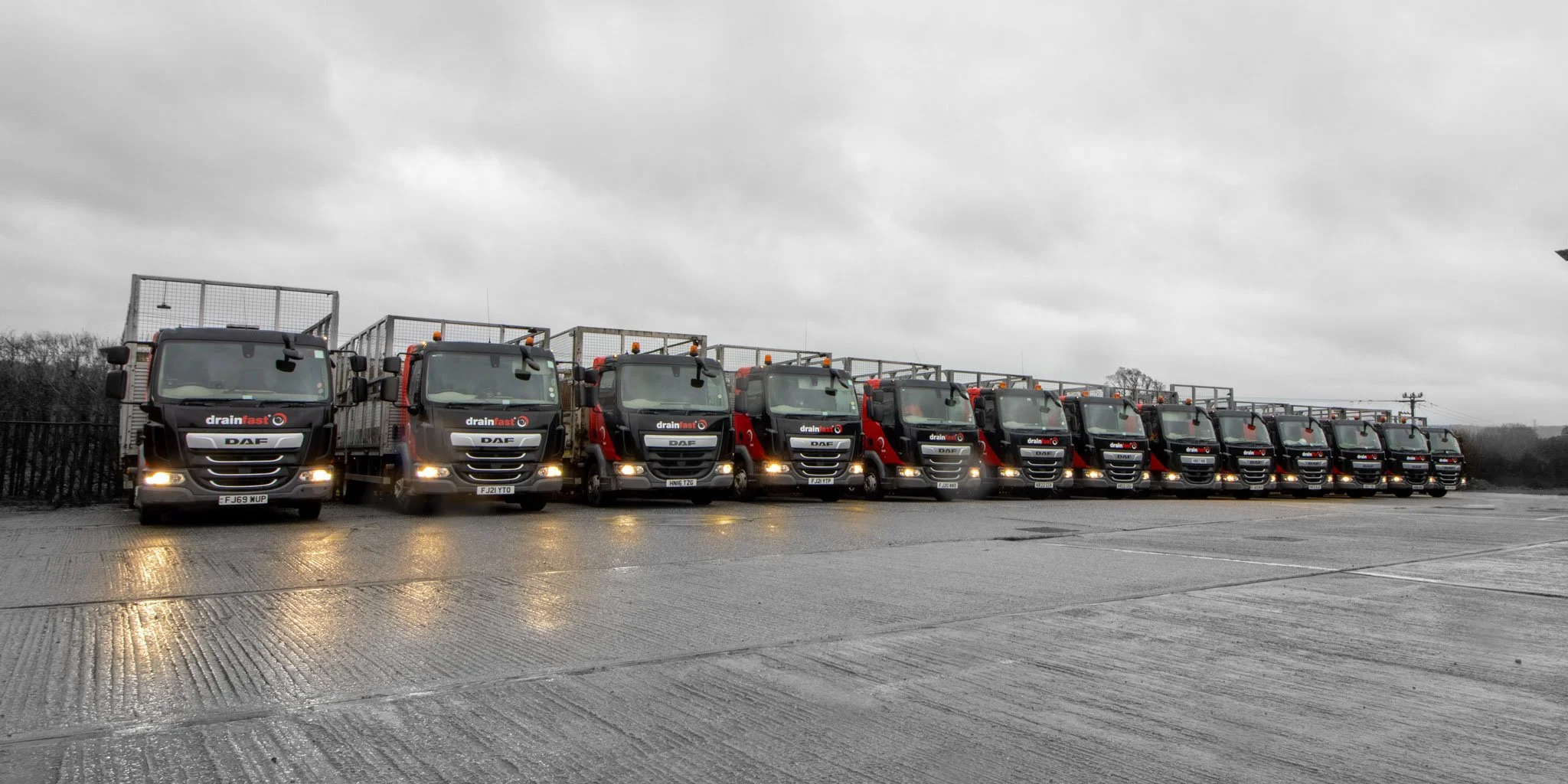
Even though ISA isn’t mandatory yet, it’s likely to become a regulatory requirement — especially for:
-
School buses
-
Long-haul trucks
-
Utility fleets
-
Public service vehicles
Fleet managers who get ahead of the curve — by installing ISA and related technologies like speed limiters, terrain-based governors, and GPS tracking — will be better prepared for compliance, audits, and insurance savings.
Resolute Dynamics: Shaping the Future of Fleet Safety
When it comes to next-gen fleet safety in Canada, one name that stands out is Resolute Dynamics.
They’re not just making speed limiters — they’re building intelligent safety systems that work across all kinds of vehicles. Their focus on precision engineering and custom-built solutions makes them ideal for Canadian fleets dealing with different terrains and weather conditions.
Here’s what they offer:
-
GPS Tracking Systems: Real-time vehicle tracking, route history, and geofencing
-
Vehicle Speed Limiters: Devices that cap top speeds for better control and safety
-
Dual Speed Limiters: These adjust based on terrain — like city streets vs highways
-
School Bus Safety Systems: Custom ISA-like tools to keep kids safe
What makes them unique is how well their tech fits into Canada’s future fleet needs. It’s not just about compliance — it’s about intelligent compliance.
Intelligent Speed Assistance in Action: Benefits for Fleets
Adding ISA to a fleet brings more than just peace of mind — it brings real results:
-
Fewer accidents: Speeding is one of the top causes of crashes. ISA helps stop that.
-
Better fuel economy: Driving within limits uses less fuel.
-
Lower insurance costs: Safer fleets mean fewer claims.
-
Driver coaching: Helps improve driving habits with real-time feedback.
-
Compliance confidence: No more guessing — you’re always within legal limits.
Think of ISA as a digital co-pilot that always keeps an eye on the speedometer.
Beyond ISA: The Next Wave of Fleet Safety Innovation
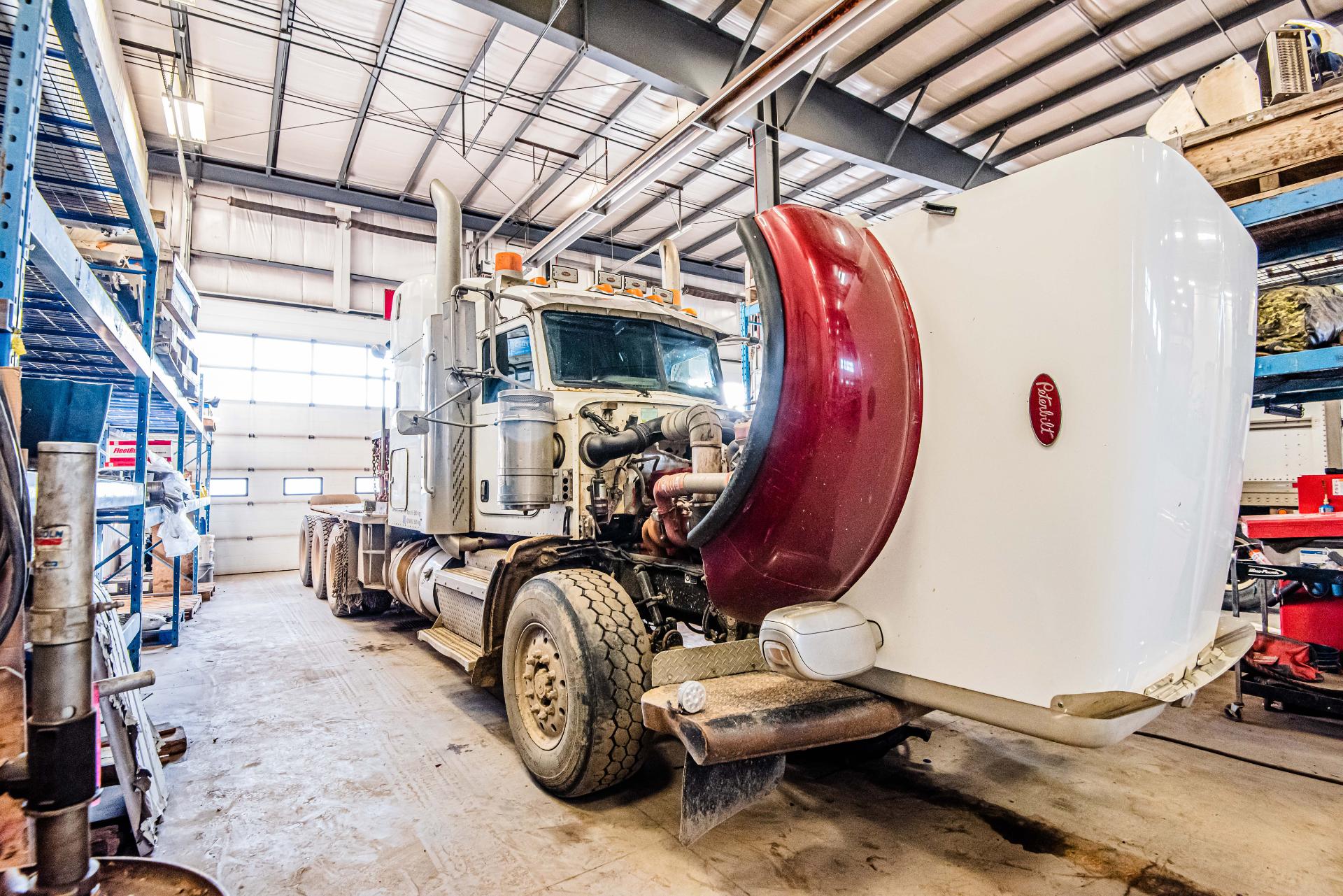
While Intelligent Speed Assistance (ISA) is a game-changer for fleet safety, it’s just the tip of the iceberg. We’re entering a new era where vehicles think, communicate, and make decisions — all in real time. Canada isn’t just preparing for it — it’s building the foundation for it right now.
Let’s dive into the innovations that go beyond ISA — the next big wave of intelligent fleet safety systems.
AI-Powered Driver Monitoring Systems (DMS)
Even with automated systems, the human driver is still the most unpredictable part of the vehicle. That’s where AI-driven driver monitoring comes into play.
These systems use:
-
In-cabin cameras to track eye movement and head position
-
Infrared sensors to detect drowsiness or fatigue
-
AI models to identify distracted or aggressive driving behavior
If a driver looks away from the road for too long or shows signs of fatigue, the system sends alerts — or, in more advanced cases, activates automatic braking or lane correction.
This isn’t science fiction — it’s already in action. Programs like Canada’s Driver Safety Tech Consortium are testing these tools in pilot fleets.
Vehicle-to-Infrastructure (V2I) Communication
Picture this: A school bus automatically slows down because the traffic light ahead transmits a digital speed limit. Or a snowplow adjusts its path because a road sensor reports icy conditions.
That’s the power of V2I (Vehicle-to-Infrastructure) technology.
Here’s how it works:
-
The vehicle is equipped with a DSRC (Dedicated Short-Range Communication) or C-V2X module
-
It communicates with smart traffic signals, road signs, construction beacons, and weather sensors
-
It receives real-time alerts that affect route, speed, and braking
In Canada, cities like Toronto, Ottawa, and Vancouver are running early-stage V2I trials, supported by Transport Canada and provincial ministries.
This tech makes urban fleet operations — like waste collection, public transit, and delivery — safer, faster, and more responsive.
Predictive Maintenance with Advanced Telematics
Breakdowns don’t just cost money — they risk lives, delay deliveries, and damage reputations. That’s why predictive maintenance is quickly replacing the old “fix-it-when-it-breaks” model.
Using telematics data from:
-
OBD-II (On-Board Diagnostics)
-
CAN bus readings
-
Sensor alerts from brakes, tires, engines, and suspension
Modern fleet platforms can predict failures before they happen.
For example:
-
An oil pressure drop may warn of a failing engine bearing
-
Slight brake lag may signal worn pads weeks before a problem
-
Repeated RPM fluctuations might indicate a faulty fuel injector
Fleets using systems from companies like Geotab and Resolute Dynamics can access real-time dashboards to schedule repairs before they turn into expensive downtime.
IoT-Enabled Fleet Control
The Internet of Things (IoT) isn’t just for smart homes — it’s transforming fleets. Every vehicle component — from tires to fuel tanks to lift systems — can now generate and send data to the cloud, creating a fully digitized fleet environment.
This data gets combined in:
-
Unified fleet dashboards
-
Automated compliance reports
-
Live risk scoring maps
Fleet managers gain 360° visibility — not just of where their vehicles are, but how they’re performing, who’s driving them, and what needs attention.
Resolute Dynamics, for example, integrates GPS, speed limiters, and workshop lift monitoring into a single ecosystem — giving control even when the vehicle isn’t on the road.
Autonomous Fleet Support Systems
Even though fully autonomous fleets aren’t mainstream in Canada yet, the industry is already laying the groundwork for what’s next.
Today’s fleets are investing in:
-
Lane-keeping assist and adaptive cruise control
-
Autonomous parking and collision avoidance
-
Remote vehicle diagnostics and over-the-air (OTA) updates
These features are stepping stones toward Level 4 and 5 automation, which will allow fleets to operate with minimal or no driver input.
Companies that prepare now will be ready when:
-
Insurance rules change
-
Provincial pilot zones expand
-
Canada sets autonomy regulations for commercial vehicles
In the meantime, solutions like AI-based fleet risk profiling, semi-autonomous driver assist modules, and smart emergency braking systems are already bridging the gap.
Resolute Dynamics: Innovating Even Off the Road
Fleet safety doesn’t stop when the vehicle is parked.
Resolute Dynamics has developed Smart Lift Monitoring Systems for workshops — a unique solution that monitors vehicle positioning, load distribution, and hydraulic performance when a vehicle is on a lift.
Why it matters:
-
Prevents lift failure accidents
-
Protects technicians and assets
-
Supports audit-ready service records
This reflects a 360-degree approach to fleet safety — from highway to repair bay.
Wrapping It Up: Innovation is a Journey, Not a Destination
Fleet safety is no longer about installing one device or adding a checklist item — it’s about building an intelligent system that constantly adapts, learns, and protects.
As ISA becomes mainstream, technologies like AI monitoring, predictive maintenance, V2I communication, and IoT fleet platforms are the natural next steps. Canada’s fleet ecosystem is evolving fast — and those who adopt these tools early won’t just stay compliant.
They’ll stay ahead.
Canada’s Smart Transport Vision for 2025
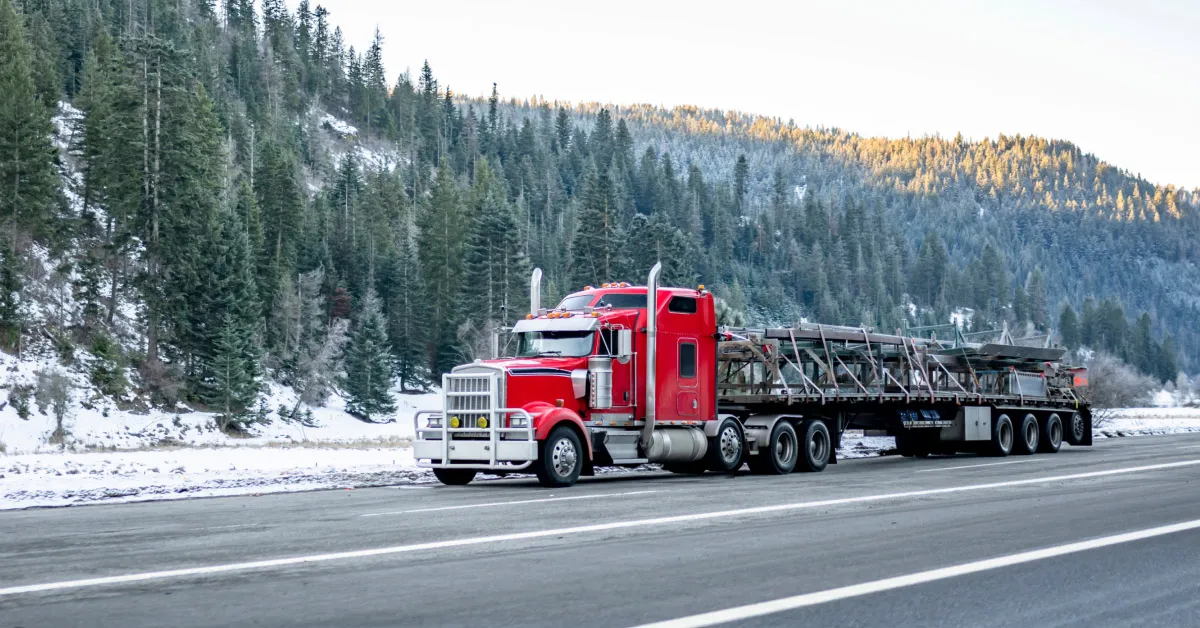
Canada is building the future of transportation — and the plan is bold, data-driven, and deeply connected. By 2025, the goal is to create a smart, safe, and sustainable transport system that doesn’t just move vehicles — it moves society forward.
This vision isn’t just about adding more tech into cars. It’s about connecting everything — from vehicles to traffic signals, road sensors to city data systems — creating what’s called an intelligent mobility ecosystem.
Connected: Where Vehicles and Infrastructure “Talk” to Each Other
Imagine a world where your vehicle knows about a traffic jam before you see it, or where a delivery truck gets automatic alerts to slow down in a school zone — in real time.
That’s the idea behind Connected Vehicle (CV) technology and Vehicle-to-Everything (V2X) communication. Canada is actively testing and developing these technologies in collaboration with:
-
Transport Canada’s CV Pilot Projects
-
The Ontario Smart Mobility Ecosystem (led by AVIN – Autonomous Vehicle Innovation Network)
-
Smart Cities Challenge municipalities like Montréal, Edmonton, and Guelph
In a smart transport network:
-
Traffic lights can send speed data to cars
-
Road sensors can warn trucks about icy conditions
-
City control centers can monitor congestion and suggest alternate routes instantly
These connections create a safer, smoother experience for drivers — especially for fleet operators, who benefit from real-time telematics integration.
Safe: Using Real-Time Data to Prevent Accidents Before They Happen
Canada’s 2025 goal isn’t just to reduce accidents — it’s to predict and prevent them. This is where predictive analytics, machine learning, and automated safety systems come in.
Through tools like:
-
Intelligent Speed Assistance (ISA)
-
Driver behavior monitoring
-
Terrain-based speed limiters
-
AI-powered video telematics
Canada is setting the stage for proactive fleet safety. Vehicles will no longer just respond to dangers — they’ll anticipate them.
Programs like:
-
Natural Resources Canada’s SmartWay program
-
FleetSmart training and technology adoption support
-
AI & Safety Tech Pilots by Innovate BC and Alberta Innovates
are helping fleets implement these tools now — not later.
Sustainable: Driving Toward Net-Zero with Smart, Clean Mobility
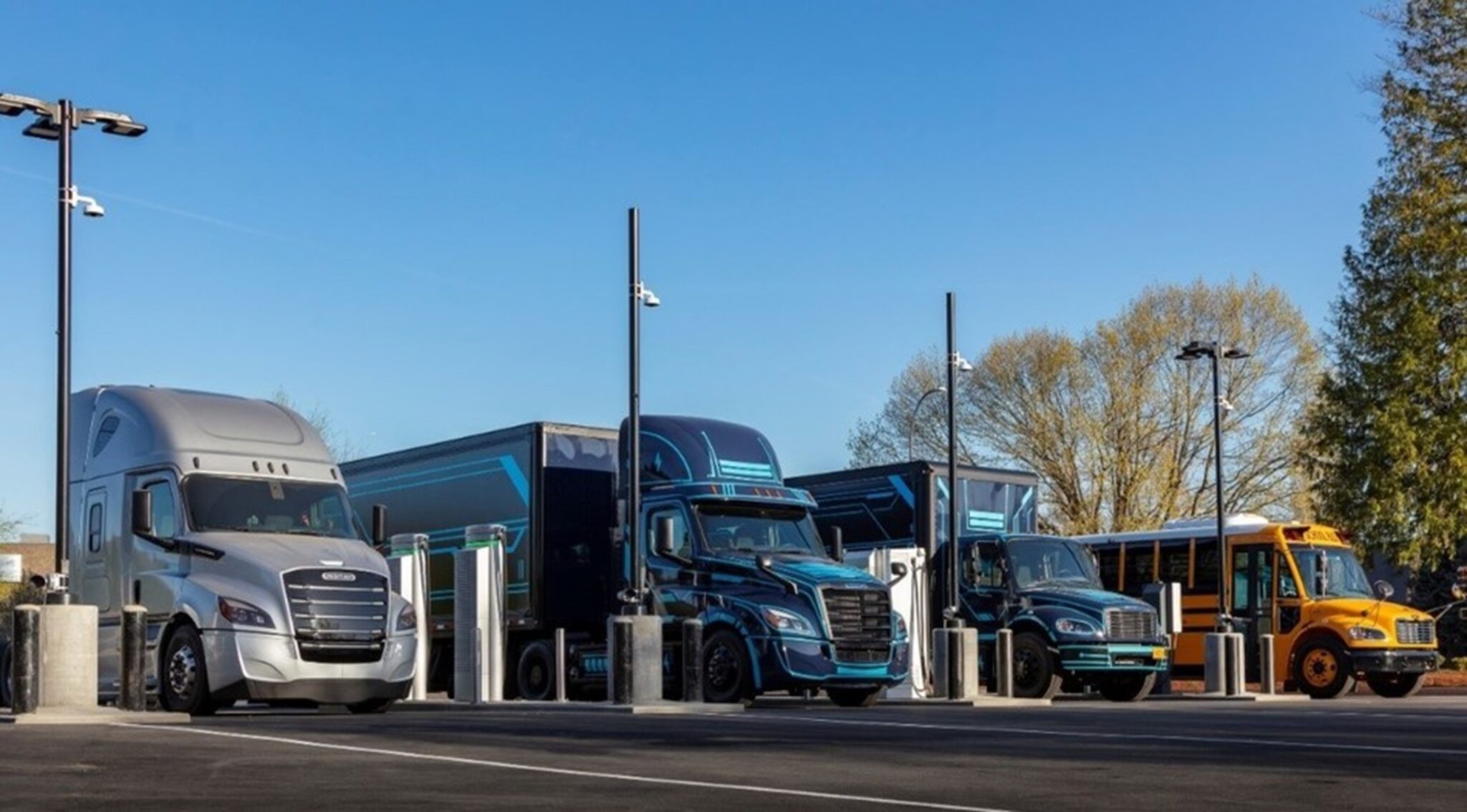
Sustainability is a huge part of Canada’s transport vision. Transportation accounts for nearly 25% of Canada’s greenhouse gas emissions — most of that coming from on-road vehicles.
To meet its 2030 Emissions Reduction Plan, Canada is pushing for:
-
Electric vehicle (EV) adoption in fleets
-
Better traffic flow through smart routing
-
ISA and speed control for fuel efficiency
-
Carbon reporting through fleet telematics
Organizations like:
-
Environment and Climate Change Canada (ECCC)
-
Electric Mobility Canada
-
The Canadian Urban Transit Research & Innovation Consortium (CUTRIC)
are working with industry to greenify fleets and reduce carbon per kilometer.
By 2025, many urban fleets — including public transit, government vehicles, and courier services — are expected to include zero-emission vehicles integrated with smart dispatch systems.
How Canada Plans to Get There
To bring this vision to life, Canada is focusing on 3 key pillars:
1. Public-Private Partnerships
Government agencies are teaming up with fleet tech companies, automotive OEMs, and urban planning experts to fast-track innovation. Examples include:
-
Resolute Dynamics (ISA and speed limiter innovations)
-
Geotab (fleet telematics)
-
Blackberry QNX (automotive software platforms)
These partnerships help scale pilot projects into real-world deployments.
2. Fleet-Led Innovation
Fleet operators play a major role. Many private fleets are becoming test beds for innovation, using smart tech to:
-
Reduce insurance premiums
-
Improve operational efficiency
-
Comply with upcoming policies
Companies that adopt early are often first to access incentives, tax breaks, or fleet modernization grants.
3. Policy & Infrastructure Modernization
From updating Motor Vehicle Safety Regulations (MVSR) to installing smart traffic lights and V2I (Vehicle-to-Infrastructure) networks, Canada is laying the foundation.
Cities like Toronto and Vancouver are already deploying:
-
Smart intersection systems
-
Bus rapid transit with fleet signal priority
-
Curbside sensors for delivery fleet coordination
ISA’s Role in Canada’s Bigger Picture
While ISA may seem like a small component, it’s actually a core part of Canada’s smart mobility architecture. ISA enables:
-
Legal-speed driving in all zones
-
Real-time responsiveness to speed zones
-
Data-sharing between vehicle, city, and driver
That makes it essential for both fleet compliance and city planning. In fact, ISA systems may soon connect directly to municipal open-data platforms to adjust for construction zones, school hours, or weather advisories.
This is what smart transport truly means — systems that learn, adapt, and evolve.
Getting Ready: How Fleet Managers Can Prepare
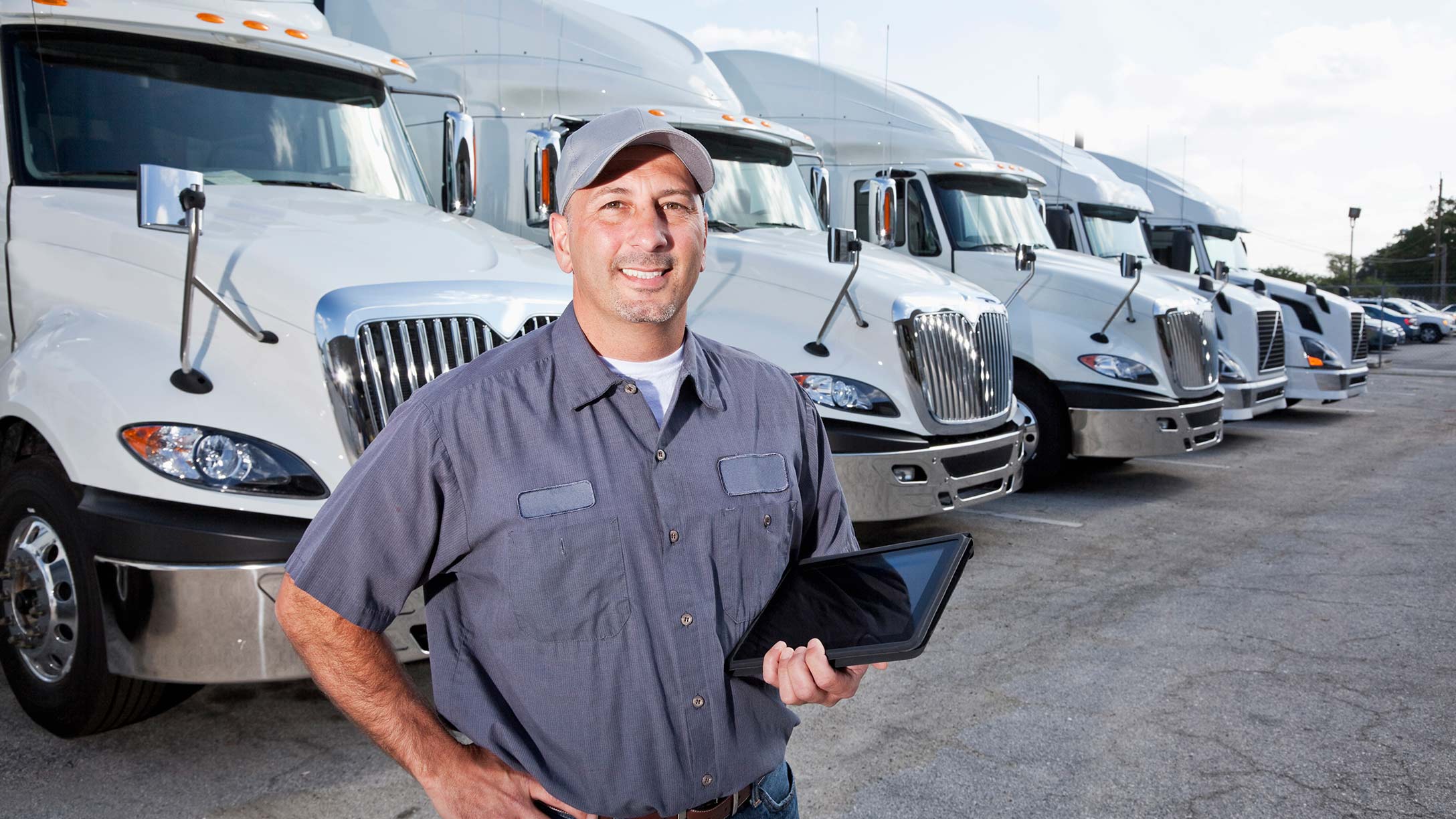
If you manage a fleet in Canada, now’s the time to get ready. Here’s how:
-
Audit Your Fleet: Know what vehicles you have and what systems are installed.
-
Invest in Smart Tech: Look into speed limiters, GPS trackers, and ISA-ready tools.
-
Train Your Drivers: Help them understand the benefits of ISA and telematics.
-
Choose the Right Partners: Work with trusted providers like Resolute Dynamics.
-
Stay Updated: Follow Transport Canada’s safety updates and funding programs.
Many provinces offer grants or tax incentives for adopting green and smart technologies — so you don’t have to go it alone.
Conclusion: Paving the Road Ahead
Fleet safety is no longer just about fixing problems after they happen. It’s about preventing them with intelligence, precision, and speed — literally.
Intelligent Speed Assistance, along with technologies like GPS tracking, AI, and connected vehicles, will define Canada’s roads in the years to come. By 2025, smart transport won’t be a buzzword — it’ll be reality.
For fleet managers, operators, and transport leaders, the future isn’t just coming — it’s already here. The only question is: Are you ready for it?