
Speed is one of the biggest factors in road accidents. Whether you’re driving through a busy city or on a quiet country road, going too fast can be dangerous. But what if we could control vehicle speed to match the environment? That’s where speed limiters come in.
In the U.S., urban and rural areas have very different driving conditions. Speed limiting technology can help reduce crash risks in both places—but in different ways. Let’s take a deeper look at how this works, backed by real research and insights from fleet safety technology.
Understanding Urban vs Rural Driving Behavior in the US
Driving isn’t one-size-fits-all. The experience behind the wheel can vary dramatically depending on whether you’re navigating through a dense city grid or cruising along a quiet rural highway. In fact, the conditions, behaviors, risks, and even crash dynamics change entirely between urban and rural environments. That’s why understanding these differences is critical for improving road safety, especially when designing and implementing fleet safety technologies like speed limiters.
Let’s break it down.
Urban Driving Behavior: High Density, High Distraction
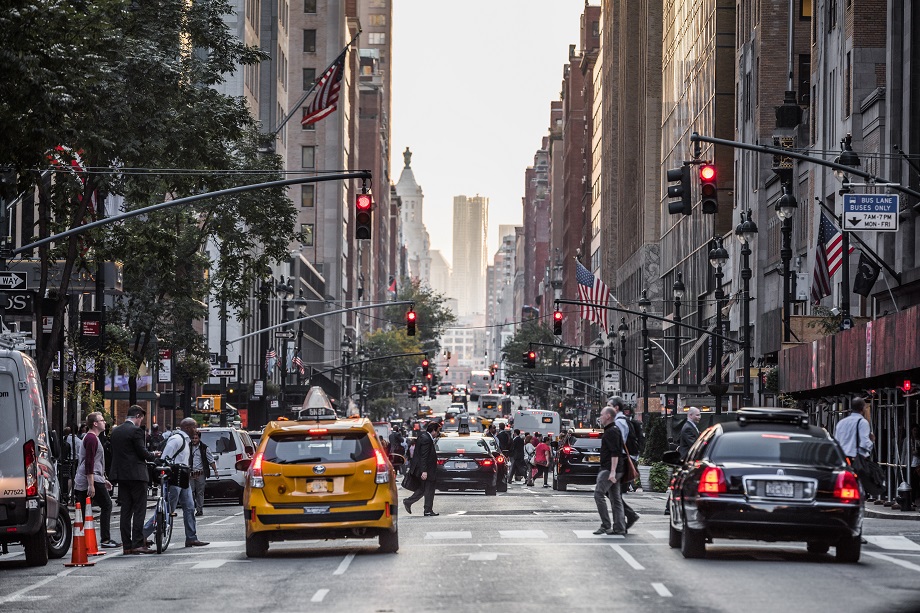
Urban areas—like New York, Chicago, or Los Angeles—are built for people, not just cars. This creates a complex driving environment with high cognitive load. Drivers are constantly scanning for pedestrians, cyclists, other vehicles, traffic signals, ride-share pickups, and lane markings. This sensory overload is often referred to in traffic psychology as “visual clutter.”
Common Urban Driving Conditions:
-
Stop-and-go traffic patterns
-
Frequent intersections and traffic lights
-
Dense pedestrian activity
-
Double parking and unexpected stops
-
Narrow lanes and tight turns
In cities, speeds are generally lower, but the frequency of conflict points is higher. According to the Federal Highway Administration (FHWA), urban crashes are more likely to happen at intersections, often involving multiple vehicles or vulnerable road users like cyclists and pedestrians.
Urban driving also increases the likelihood of driver distraction and fatigue, as frequent decision-making in a short span can lead to decision fatigue, a well-known behavioral risk factor.
Rural Driving Behavior: High Speed, High Consequence
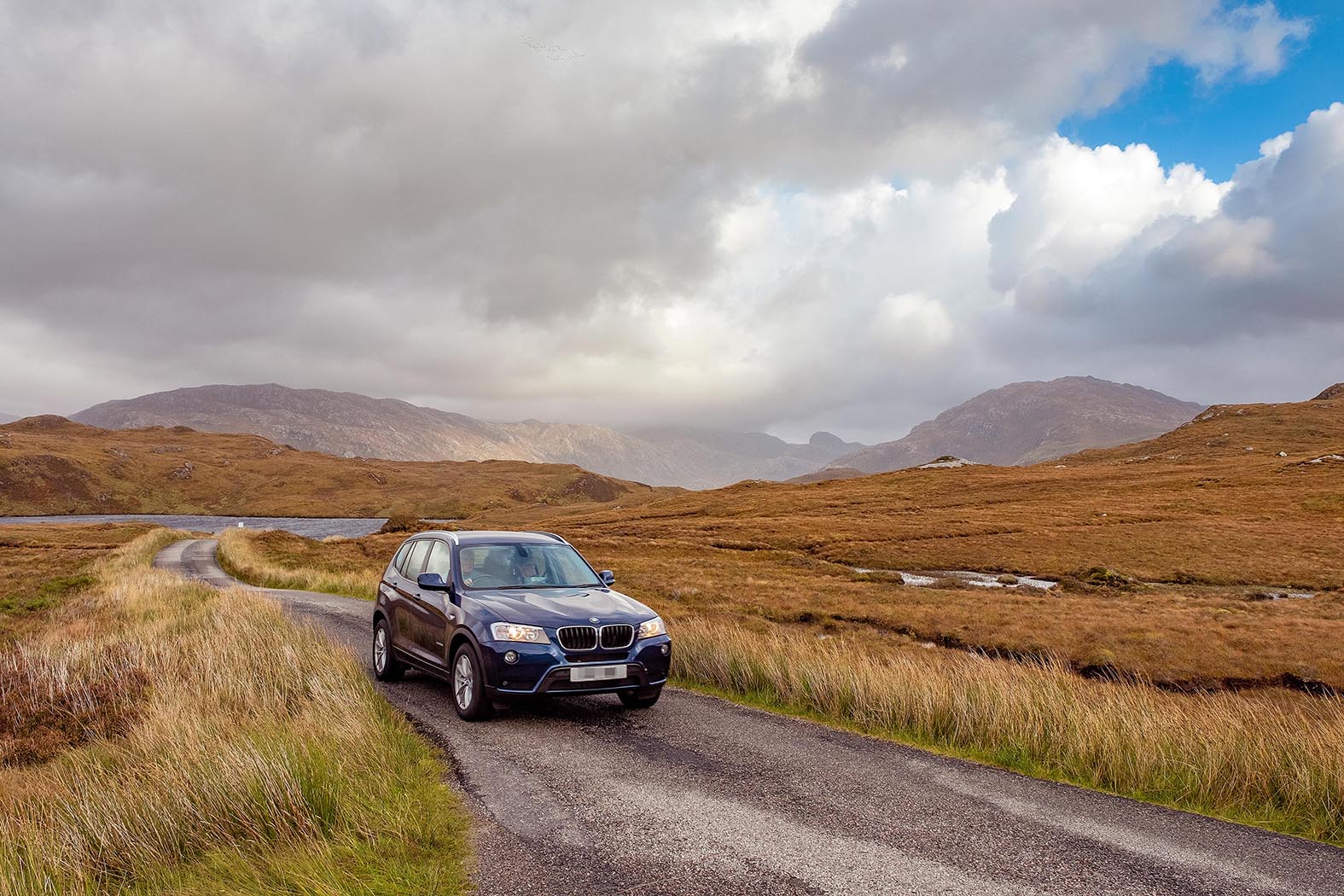
In contrast, rural roads stretch long between towns, often with wide lanes, minimal signage, and little to no lighting at night. These areas give a false sense of security, leading many drivers to increase their speed well above the posted limit—a behavior known as speed adaptation bias.
Common Rural Driving Conditions:
-
Long distances between services or stops
-
Poor or no road lighting at night
-
Sharp curves with limited visibility
-
Wildlife crossings and agricultural vehicles
-
Fewer law enforcement patrols
Despite having fewer vehicles on the road, rural areas account for a disproportionately high number of fatal crashes. According to the National Highway Traffic Safety Administration (NHTSA), about 45% of all traffic fatalities in the U.S. occur in rural areas, even though they make up less than 20% of the population.
Why? High-speed driving combined with long emergency response times, lack of safety infrastructure, and increased severity of crashes (especially rollovers and head-on collisions) creates a deadly mix.
Urban vs Rural: A Side-by-Side Comparison
| Factor | Urban Driving | Rural Driving |
|---|---|---|
| Speed | Low to moderate | Moderate to high |
| Crash Types | Intersection collisions, pedestrian accidents | Rollover, run-off-road, head-on |
| Visibility | High (streetlights, signs) | Low (poor lighting, blind curves) |
| Road Density | High | Low |
| Driver Challenges | Distraction, aggression, congestion | Speeding, fatigue, wildlife crossings |
| Emergency Response Time | Faster | Slower |
Psychological Patterns in Each Setting
Understanding driver psychology also helps explain why different behaviors emerge.
Urban Drivers:
-
Suffer more from driver stress and road rage due to congestion
-
Must make quicker decisions with less time to react
-
Show higher rates of multi-tasking and phone use
Rural Drivers:
-
Often deal with monotony, leading to inattention or drowsiness
-
Experience speed creep (gradual increase in speed due to lack of stimulation)
-
May underestimate dangers due to a “quiet” environment
Why This Matters for Fleet Safety & Speed Limiting
Fleet managers must tailor their vehicle safety strategies according to geography. A one-size-fits-all approach won’t work. In urban fleets, like delivery vans or municipal buses, collision avoidance systems and lower max speed caps are crucial.
In rural operations—such as school buses, agricultural transport, or long-haul trucking—fleet operators need terrain-based speed limiters and GPS-integrated speed control to ensure safe speeds on high-risk stretches.
Modern dual-speed limiters, like those offered by Resolute Dynamics, allow for dynamic speed adaptation—automatically lowering speed in urban zones and adjusting accordingly in rural areas.
Summary: What Fleet Operators Should Remember
-
Urban driving requires focus on conflict point management and pedestrian safety.
-
Rural driving demands speed moderation and crash severity control.
-
Speed limiting technology must align with the behavioral risks of each terrain.
-
Tailored safety solutions lead to fewer accidents, lower insurance costs, and safer roads for everyone.
The Role of Speed Limiting in Crash Prevention
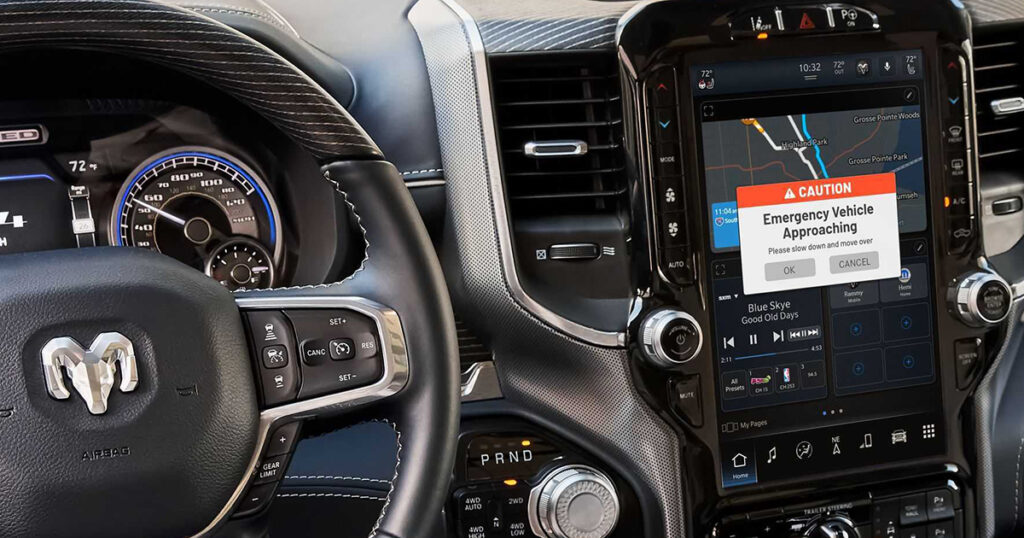
In today’s fast-moving transportation landscape, speed limiting technology has become a game-changer in how we manage road safety—especially for commercial fleets. As roads become more congested in cities and more unpredictable in rural areas, managing vehicle speed isn’t just about following traffic laws. It’s about reducing crash risk, minimizing human error, and improving driver accountability.
Let’s explore exactly how speed limiters help prevent accidents and why they are a critical part of modern fleet safety strategies.
What is a Speed Limiter?
A speed limiter is an electronic device or software system installed in a vehicle to prevent it from exceeding a pre-set maximum speed. Unlike cruise control, which simply maintains a chosen speed, speed limiters actively restrict a vehicle from going over a programmed limit—even if the driver presses the accelerator harder.
There are different types of speed limiters:
-
Fixed Limiters: Set at a constant speed (e.g., 65 mph for highway trucks).
-
Dual Speed Limiters: Allow for different maximum speeds based on the environment—typically one limit for urban zones and another for highways.
-
Terrain-Based or GPS-Integrated Limiters: Adjust vehicle speed dynamically using GPS geofencing and mapping data. For example, a school bus entering a residential zone automatically reduces speed to 25 mph without driver input.
This adaptive technology is commonly referred to as intelligent speed assistance (ISA) and is increasingly used in fleets across North America.
How Speed Limiters Prevent Crashes
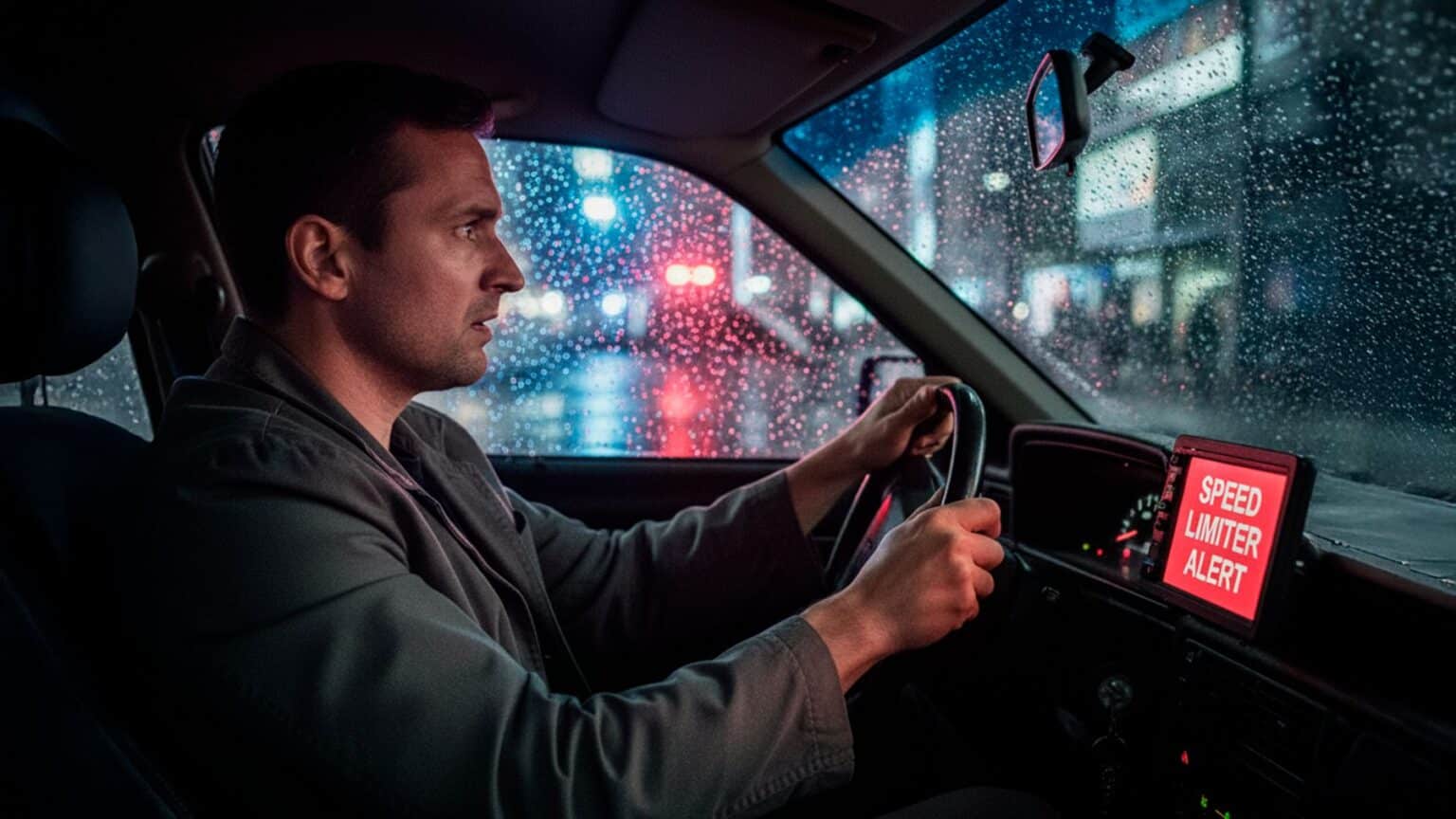
Speed is a critical factor in crash risk. According to the National Highway Traffic Safety Administration (NHTSA), speeding is involved in nearly one-third of all traffic fatalities. But limiting speed doesn’t just lower the chance of a crash—it also reduces its severity when accidents do occur.
Here’s how speed limiters make a real difference:
1. Minimizing Crash Severity
Speed directly affects the kinetic energy in a crash. The faster a vehicle moves, the greater the force of impact. By capping speed, limiters reduce the amount of energy released in a collision, lowering the risk of serious injury or death.
Example: A vehicle traveling at 45 mph rather than 55 mph can cut crash energy by almost 33%.
2. Increasing Driver Reaction Time
When a vehicle is moving slower, drivers have more time to react to sudden hazards—like a pedestrian crossing the road, a car braking suddenly, or a sharp curve. This extra time can be the difference between a safe stop and a serious crash.
3. Reducing Stopping Distance
Lower speeds shorten the distance needed to stop a vehicle. This is especially important in urban environments with frequent stoplights, intersections, and unpredictable pedestrian movement.
For example, a commercial van traveling at 30 mph takes nearly half the stopping distance of the same vehicle at 50 mph.
4. Preventing Loss of Control in Adverse Conditions
In rural areas, especially during rain, fog, snow, or gravel roads, high speeds can lead to hydroplaning, skidding, or rollovers. Speed limiters help keep vehicles within the safe handling range under these conditions, reducing the risk of loss of traction and vehicle instability.
5. Curbing Risky Driver Behavior
Even experienced drivers can be tempted to speed—especially when they’re behind schedule or driving in low-traffic areas. Speed limiters remove this variable altogether. When drivers know the vehicle won’t let them exceed a safe speed, they are more likely to stay focused, make safer choices, and feel less pressure.
How GPS-Based Limiters Improve Safety in Real Time
Modern speed limiters are often integrated with GPS fleet tracking systems. This allows for something called dynamic speed control or location-aware speed adaptation.
How it works:
-
A vehicle’s GPS tracks its real-time location and compares it with a preloaded map.
-
When it enters a geofenced zone (like a school, worksite, or residential area), the speed limiter automatically adjusts the top speed to a safer level.
-
Once the vehicle exits the zone, the limiter can restore the higher, pre-set limit.
This system reduces the reliance on driver memory or awareness of speed zones, especially in high-stress driving environments like urban delivery routes or rural school bus pickups.
Example: A fleet of school buses using GPS-based speed limiters slowed automatically in rural school zones, reducing speeding violations by 80%.
Speed Limiting as a Long-Term Safety Investment
While speed limiting is often viewed as a regulatory or compliance tool, the real value lies in its impact on long-term crash prevention and fleet efficiency.
Fleet Benefits:
-
Lower insurance premiums due to reduced accident history
-
Improved driver performance metrics
-
Reduced wear and tear on brakes and engines
-
Lower fuel consumption at moderate, steady speeds
These benefits compound over time, making speed limiters not just a safety feature—but a strategic fleet investment.
Future of Speed Limiting: Intelligent Speed Adaptation (ISA)
As technology evolves, speed limiting is moving toward more intelligent systems that integrate:
-
AI-powered risk prediction (based on traffic, weather, and driver history)
-
Real-time road condition data
-
Vehicle-to-infrastructure communication (V2I) to receive dynamic speed alerts
Governments in Europe have already mandated ISA for all new cars starting 2024. In the U.S., the FMCSA is considering similar mandates for commercial vehicles.
Research-Backed Insights: Crash Risk Reduction
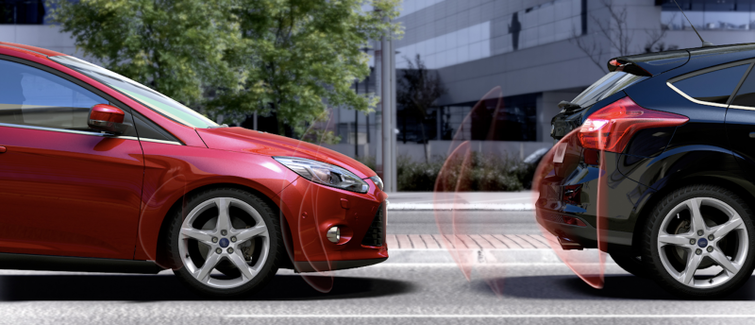
When it comes to road safety, the science is clear—speed kills. But it’s not just a catchy phrase used by public safety campaigns. It’s backed by decades of transportation safety research, real-world data, and vehicle dynamics science. Speed affects both the likelihood of a crash occurring and the severity of the outcome.
Installing speed limiters in vehicles—especially in commercial fleets—has shown measurable impact in lowering crash rates, reducing injuries, and saving lives. In this section, we’ll explore how and why speed limiting reduces crash risk, using hard evidence and context-specific insights for both urban and rural roads.
Speed and Crash Risk: What the Research Says
Several major traffic safety organizations, including the Insurance Institute for Highway Safety (IIHS), Federal Motor Carrier Safety Administration (FMCSA), and National Highway Traffic Safety Administration (NHTSA), have published findings showing a strong relationship between speed and crash risk.
Key Findings:
-
A 5% decrease in average speed results in approximately a 20% reduction in fatal crashes (IIHS).
-
The risk of death doubles for every 10 mph increase in speed beyond 50 mph.
-
According to FMCSA, large trucks with speed limiting devices had a 50% lower crash rate compared to those without.
The basic science behind this is simple: the faster a vehicle moves, the longer it takes to stop, and the more force it generates in a collision. Speed also reduces a driver’s field of vision and limits the time they have to react to hazards.
Urban Environments: Controlling Chaos with Speed Limiters
Urban areas are filled with potential crash triggers. Intersections, crosswalks, bike lanes, double-parked cars, and sudden stops are everyday occurrences. Add distractions from smartphones, passengers, or navigation systems, and the risk multiplies.
Speed limiters, especially GPS-based or dual-mode types, reduce the risk of accidents in these chaotic environments by:
Reducing Intersection Collisions
Urban crashes frequently happen at intersections due to misjudged turns, red-light running, or failure to yield. By capping top speeds, speed limiters allow more reaction time and reduce the force of impact.
Preventing Pedestrian and Cyclist Crashes
According to NHTSA, pedestrians hit at 20 mph survive 9 out of 10 times, but at 40 mph, only 1 in 10 survives. Speed limiters can automatically reduce speed in pedestrian-dense areas like school zones and downtown districts.
Curtailing Aggressive Driving
Urban congestion often triggers aggressive behaviors—like tailgating, weaving through traffic, or racing yellow lights. Speed limiters make this type of driving physically impossible, encouraging calmer, more predictable movement through traffic.
Limiting Rear-End Collisions
In city driving, following distance is key. Lower speeds help maintain safer gaps, and when combined with automated braking systems, they dramatically reduce rear-end crash frequency.
Rural Roads: Quiet, Fast, and Dangerous
Rural roads may appear peaceful, but they’re statistically more deadly. While they make up only about 30% of total vehicle miles traveled in the U.S., they account for nearly 50% of all traffic fatalities.
So why are rural roads so dangerous?
-
Higher average speeds
-
Less visibility at night
-
Sharp curves without signage
-
Long distances to medical help
-
Overtaking behavior on two-lane roads
Speed limiters are essential in these environments to mitigate these hidden dangers.
Preventing High-Speed Rollovers
Pickup trucks, vans, and buses used in rural areas often have a high center of gravity, making them prone to rollovers. Speed limiters reduce the vehicle’s lateral force when cornering, which significantly lowers rollover risk on winding rural roads.
Improving Safety on Curves and Slopes
Many rural crashes happen when drivers overestimate safe cornering speeds. Terrain-based limiters, connected to GPS and map data, can pre-emptively reduce speed before a tight bend, eliminating human error in judgment.
Reducing Head-On Collisions
On two-lane highways with no center divider, head-on crashes are often fatal. These accidents usually happen during failed overtaking maneuvers. Speed limiters discourage this behavior by reducing overall speed and preventing impulsive acceleration.
Risky Driving Behaviors: A Hidden Enemy
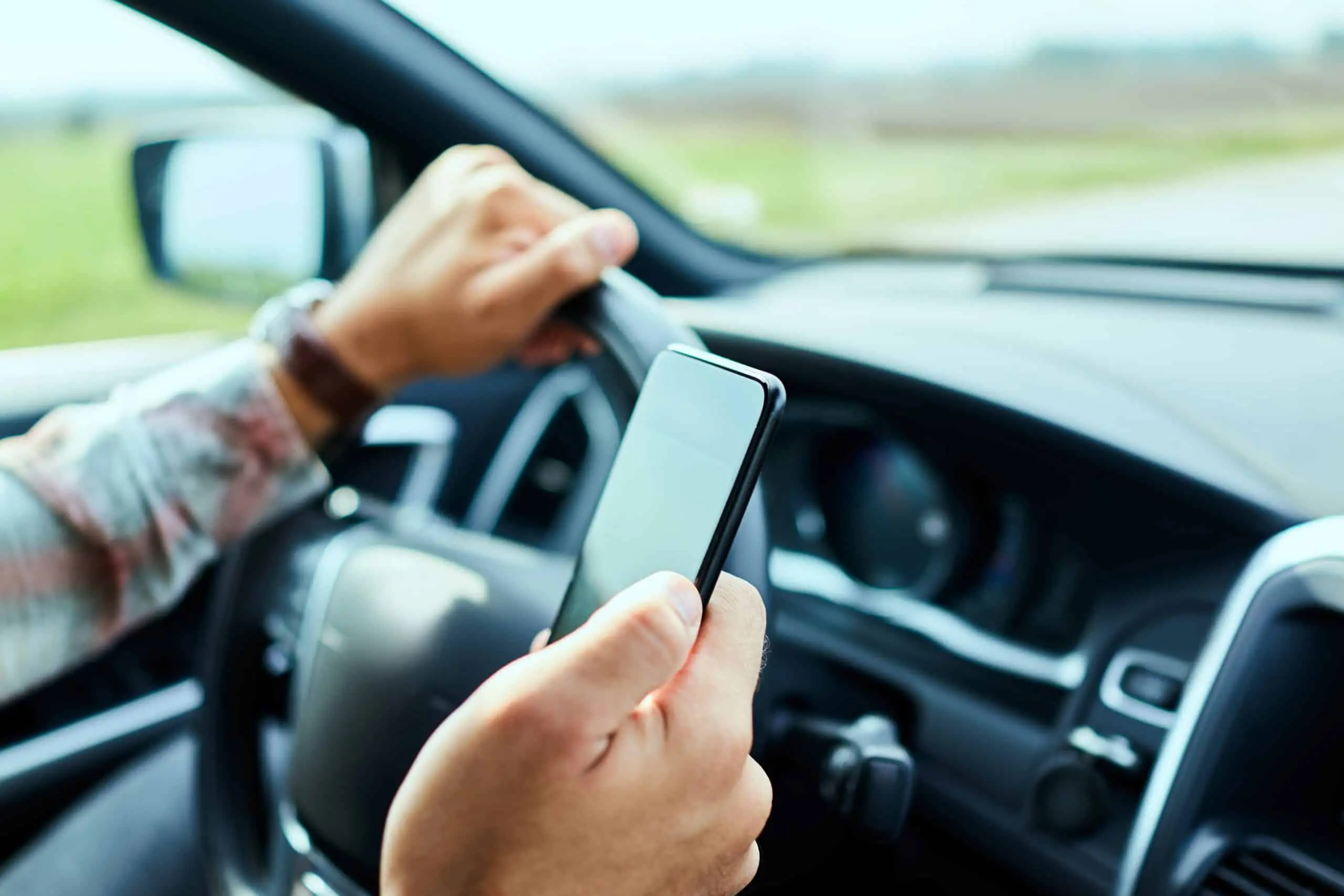
Besides reducing speed, limiters also act as behavioral modification tools. They remove the driver’s ability to:
-
Tailgate
-
Speed through yellow lights
-
Accelerate aggressively
-
“Catch up” after running behind schedule
By enforcing mechanical compliance, speed limiters take decision-making off the table for drivers, especially under stress, fatigue, or distraction. This encourages defensive driving, improved discipline, and lower stress levels.
Real-World Impact: Evidence from Fleet Operations
-
A Canadian trucking company that installed GPS-integrated speed limiters reported a 48% drop in insurance claims within 12 months.
-
In Texas, a rural school district outfitted its buses with speed governors, resulting in zero rollover incidents in three consecutive school years.
-
A rideshare fleet in Washington D.C. saw 30% fewer rear-end collisions after installing dynamic limiters.
These real-world examples show how technology turns into tangible safety results when deployed with intent.
Case Studies & Real-World Applications
Let’s look at how speed limiters are used in different settings.
Urban Example: City Fleet in Chicago
A local delivery company fitted their vans with dual-speed limiters. In city zones, speeds were capped at 30 mph. On highways, the cap was 55 mph. Over 6 months, crash reports dropped by 40%.
Rural Example: School Bus Fleet in Montana
Montana’s rural school district installed speed governors on all buses. The devices were set to limit speed to 45 mph on rural routes. Drivers reported better control on icy roads, and the district saw fewer incidents during winter.
Compliance, Regulation & Safety Standards
The U.S. Department of Transportation (DOT) and Federal Motor Carrier Safety Administration (FMCSA) are pushing for more fleet telematics and speed limiting devices—especially for commercial vehicles.
Many states have specific rules for school buses, trucks, and public transport. The use of governors and RPM regulators is already required in some regions, and federal regulation is expected to expand in the coming years.
Benefits Beyond Crash Prevention
Speed limiting doesn’t just prevent crashes. It brings several long-term benefits:
-
Fuel savings: Lower speeds mean better mileage.
-
Less maintenance: Vehicles last longer with less strain.
-
Lower insurance costs: Safer fleets pay fewer premiums.
-
Driver accountability: Monitored drivers tend to drive more carefully.
When paired with GPS and data analytics, speed limiting becomes a powerful tool for managing large fleets, reducing costs, and protecting lives.
Resolute Dynamics’ Contribution to Safer Driving
Resolute Dynamics offers a range of advanced safety products, including:
-
Terrain-Based Dual Speed Limiters: Adjust speeds based on road type.
-
GPS-Enabled Trackers: Monitor routes and driving habits.
-
School Bus Safety Solutions: Protect students in both urban and rural areas.
These systems are designed with precision engineering and backed by strong R&D innovation. The goal is simple—make roads safer for everyone.
FAQs
Are speed limiters required by law in the U.S.?
Not yet for all vehicles, but regulations are growing—especially for fleets and school buses.
How do dual speed limiters work?
They automatically adjust speed limits based on road type or GPS zones.
Can speed limiters improve driver behavior?
Yes, studies show that controlled speeds reduce risky driving and improve reaction times.
Conclusion
Speed limiting is more than just a tech feature—it’s a life-saving strategy. Whether it’s a crowded city street or a quiet rural highway, controlling speed helps prevent crashes, saves money, and protects lives.
As urban and rural driving patterns continue to change, smart fleet managers and safety professionals should invest in advanced speed limiting tools. With terrain-based limiters, GPS tracking, and ongoing innovation, the future of road safety looks brighter—and safer.