
Speeding is one of the most common and dangerous habits among fleet drivers in the U.S. It’s not just about breaking the law — it puts lives at risk, increases fuel consumption, drives up maintenance costs, and makes companies liable for crashes. For many fleet operators, especially those managing large vehicles like delivery vans or school buses, controlling driver speed is a constant battle.
In regions like the Midwest, where weather can change quickly and roads stretch for miles, speeding becomes even riskier. That’s exactly what one regional fleet was dealing with — until they discovered GPS speed limiter technology from Resolute Dynamics.
The Company Behind the Solution: Resolute Dynamics
Resolute Dynamics isn’t your average tech company. They’re safety innovators who specialize in automotive electronic products, with a major focus on vehicle speed control systems and GPS tracking solutions.
What sets them apart is how they blend precision engineering with real-time telematics. Their products, like the Dual Speed Limiter and terrain-aware GPS limiter, allow fleets to lock in speed thresholds based on conditions, zones, or even routes. Whether it’s school buses, logistics fleets, or government vehicles, their technology is built for safety, compliance, and performance.
The Problem: Out-of-Control Speeding in a Midwest Fleet
The fleet in question operated over 120 commercial vans, servicing a wide stretch of the Midwest region, including states like Illinois, Indiana, Ohio, and Missouri. These vans handled a mix of last-mile delivery, light industrial transport, and retail logistics — all time-sensitive operations. Drivers typically covered 200 to 300 miles per day, often across rural highways, urban centers, and suburban zones. In peak seasons, that pressure only grew.
But behind the scenes, the fleet’s telematics system began telling a troubling story.
Speeding Became the Norm, Not the Exception
Analyzing the driver behavior data, the safety team found that nearly 1 in 3 trips had at least one speeding event — defined as exceeding the posted limit by 10 mph or more for over 30 seconds. In urban zones, some vans were recorded going 15 to 20 mph over the limit, especially in early morning or late-night deliveries where traffic was light.
This wasn’t an occasional lapse. It was a systemic issue driven by several factors:
-
Tight delivery windows imposed by dispatchers and route planners
-
Driver incentive programs that unintentionally rewarded faster route completion
-
A lack of real-time oversight, meaning drivers felt no immediate accountability
-
Minimal automated enforcement tools in place — only manual reports and coaching
Costs Were Mounting — Fast
The financial and operational impact was stacking up:
-
$14,000+ annually in speeding tickets and citations
-
Increased insurance premiums due to high-risk behavior flags
-
Frequent customer complaints about aggressive driving or near misses
-
A spike in vehicle maintenance costs — especially brakes, tires, and suspensions
In one quarter alone, the company had logged 11 near-miss incidents, 3 fender benders, and one collision that resulted in $17,000 in damage — all tied to excessive speed. Worse, some incidents occurred in school zones, triggering concern from local authorities.
Safety Culture Was Breaking Down
What became clear to leadership was that speed wasn’t just a metric — it was a symptom of a deeper problem: lack of control, inconsistent driver accountability, and operational pressure without proper safety checks.
Interviews with drivers revealed something else:
Many weren’t even aware they were speeding. Without audible alerts, enforced speed caps, or live monitoring, they simply followed habit or gut instinct — which, under pressure, often meant pushing the pedal harder.
The Fleet Was at a Crossroads
Executives realized they couldn’t rely on manual coaching or after-the-fact reviews. The risk to public safety, brand reputation, and business continuity was too high. They needed a solution that could:
-
Enforce vehicle speed limits automatically
-
Adjust to different terrain and road types (urban vs. rural)
-
Offer real-time visibility into risky driver behavior
-
Align with fleet safety compliance expectations from insurers and regulators
The path forward had to involve intelligent automation, precise speed control, and a measurable change in outcomes.
That’s when they turned to Resolute Dynamics’ GPS-based speed limiter system — a move that would change everything.
The Solution: Installing GPS Speed Limiters from Resolute Dynamics
The fleet decided to implement Resolute Dynamics’ GPS limiter system across their vehicles. It wasn’t just about installing hardware — it was a full program that included:
-
GPS-based speed control, with the ability to enforce speed limits based on location and terrain
-
Integration with their existing fleet tracking dashboard
-
Driver behavior monitoring and real-time alerts for managers
-
Custom speed thresholds for school zones, highways, and city streets
-
A silent mode to avoid annoying the driver while still enforcing limits
Installation was done in phases over three weeks, starting with the highest-risk vehicles first. Drivers were briefed on the new system, and managers were trained to interpret the analytics.
The Results: 50% Reduction in Speeding Incidents
Just 60 days after the rollout of Resolute Dynamics’ GPS-based speed limiter, the impact on the fleet was dramatic — and measurable.
This wasn’t just a small improvement. It was a transformational shift in driver behavior, safety performance, and operational efficiency. The numbers didn’t just improve — they told a story of control regained and risk dramatically reduced.
Speeding Events Cut in Half
Before implementation, the fleet was logging over 320 speeding incidents per week — ranging from minor speed limit exceedances to dangerously aggressive driving. Two months in, that number dropped to under 160 incidents per week. That’s a 50% reduction fleet-wide.
This drop wasn’t due to less driving. In fact, vehicle miles traveled (VMT) stayed the same — even increased slightly due to seasonal demand. What changed was the real-time enforcement of speed thresholds, controlled directly by the GPS limiter.
Each vehicle now adhered to preset speed limits based on location and terrain:
-
Highways: 65 mph cap
-
Urban areas: 45 mph cap
-
School zones: dynamic 25 mph limiter activated by geofencing
This proactive control meant drivers could no longer speed — not by accident, not under pressure, and not out of habit.
Average Highway Speeds Dropped by 7 MPH
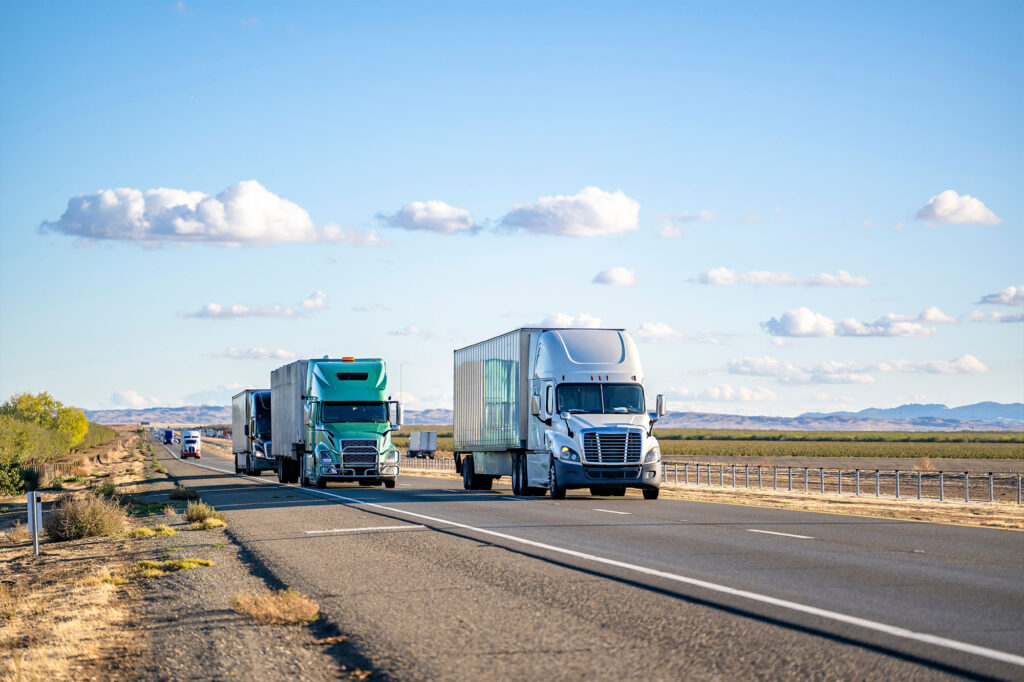
Across all highway routes, the fleet’s average operating speed dropped from 72 mph to 65 mph. While this might seem minor, it made a massive difference.
Lower speeds not only reduced the risk of severe crashes but also helped drivers stay more relaxed, make better decisions, and avoid harsh maneuvers. The company noticed fewer last-second lane changes, more consistent lane discipline, and overall smoother driving patterns.
Fuel Efficiency Improved by 8%
With less aggressive acceleration and more consistent speed maintenance, fuel economy rose by an average of 8% across the fleet. For this operation, that translated to approximately $5,600 in monthly fuel savings — money that would’ve otherwise burned away with every unnecessary rev of the engine.
Fuel data pulled from onboard telematics and fuel card systems confirmed the change wasn’t seasonal or price-related. It was directly tied to vehicle speed control and more efficient route pacing.
Harsh Driving Events Declined
One of the unexpected — but highly valuable — side effects of speed control was a sharp drop in harsh driving behavior, including:
-
Harsh braking
-
Rapid acceleration
-
Sharp cornering
-
Tailgating or erratic maneuvering
These events, often triggered by overspeeding or rushed driving, dropped by 38% in the first 8 weeks. Drivers became more aware, more measured, and less reactive behind the wheel.
Maintenance Costs Dropped by 15%
Lower speeds meant less stress on tires, brakes, and engines. After two months, the fleet’s service team reported:
-
Reduced tire wear (less frequent replacements)
-
Longer brake pad life
-
Fewer engine warning lights related to overheating or stress
Preventative maintenance costs dropped by around 15%, helping the company extend service intervals and reduce downtime. For fleet managers, this meant not just savings — but better vehicle availability and less disruption to schedules.
Zero Speeding-Related Insurance Claims
Perhaps the most impressive metric of all: Not a single speeding-related insurance claim was filed in the three months following implementation.
This was huge. In the previous quarter, there had been 3 minor incidents and 1 major claim — all linked to speeding. Now, with the GPS speed limiter in place, the risk was essentially engineered out of the system.
Fleet insurers took notice. When the company shared their new driver safety reports and risk data, their broker signaled that lower premiums were likely in the next renewal cycle.
Compliance + Culture Shift
This wasn’t just about the numbers. The introduction of vehicle speed governance changed how drivers approached the job.
No more:
-
Guessing the speed limit
-
Getting pressured to “shave 10 minutes off the route”
-
Hoping no one noticed a little overage on a downhill run
Instead, drivers reported feeling less anxious, more focused, and supported by the system — not punished by it. The GPS limiter acted like a silent safety partner, working in the background, keeping everyone honest, and reducing the mental load on long shifts.
A Road Safety Investment That Paid for Itself
The GPS speed limiter solution wasn’t just a tool — it was a tactical investment in operational safety.
By the end of the second month, the cost of implementation was already offset by:
-
Fuel savings
-
Fewer maintenance bills
-
Avoided tickets and fines
-
Zero insurance deductibles
In short, the system paid for itself — not over years, but in a matter of weeks. And what it delivered in return was far more than numbers. It gave the fleet control, credibility, and a culture of safety.
Fleet Manager’s Perspective: A Game-Changer
The fleet safety manager shared this insight:
“We always believed our drivers were responsible, but once we saw the data, we realized speed was a hidden cost. Resolute’s system didn’t just fix the problem — it changed our entire approach to safety.”
He also mentioned that the driver resistance was lower than expected. In fact, some drivers appreciated that they could no longer be pressured into driving faster to meet deadlines. It gave them peace of mind and made routes safer for everyone.
The Tech Behind the Transformation: Inside Resolute Dynamics’ Intelligent Speed Limiter System
At the core of this fleet’s safety turnaround is a powerful, precision-engineered solution — Resolute Dynamics’ GPS-based dual speed limiter. Unlike basic speed governors that just cap a vehicle at one maximum limit, this system takes a smarter, more adaptive approach.
It doesn’t just enforce speed — it thinks ahead, adjusting in real-time to changing environments, road types, and even driving conditions. In essence, it acts like a digital co-pilot, one that ensures vehicles stay compliant, efficient, and safe without driver intervention.
Smart Speed Governance: More Than Just a Cap
Traditional speed limiters work like a fixed ceiling — once the vehicle reaches a set speed, it simply can’t go faster. While effective in theory, this approach falls short in the real world, where conditions change constantly.
Resolute Dynamics took a different path. Their system combines GPS tracking, terrain-awareness, and custom profiles to create a speed control solution that adapts to its environment — just like a seasoned human driver would.
Key differentiators include:
Dual-Speed Limiter Functionality
The dual-speed limiter feature allows for two predefined speed limits:
-
Primary Limit: The general upper speed threshold, often based on national or regional regulations (e.g., 65 mph for highways).
-
Secondary Limit: Activated in specific geo-fenced zones — like city streets, school areas, or construction zones — automatically reducing the vehicle’s top speed in real time.
This dual-limiter model ensures compliance without the need for manual switching or driver guesswork.
GPS Integration for Location-Based Speed Control
Using high-precision Global Positioning System (GPS) data, the limiter constantly tracks where the vehicle is and adjusts the speed cap accordingly. The system detects:
-
Speed zones based on city planning and DOT data
-
Transition points between highways, suburbs, and residential streets
-
Special-use areas like school zones or warehouse districts
As the vehicle enters a zone with a lower speed threshold, the system automatically reduces the limit — smoothly and safely. There’s no lag, no alerts to ignore, and no way to override it without authorization.
This eliminates “I didn’t know the limit” excuses and builds predictable compliance into daily operations.
Terrain-Aware Adjustments

One of the most innovative features of Resolute Dynamics’ system is its ability to adjust for terrain. Using embedded mapping data and elevation profiles, the limiter can:
-
Slightly reduce speed when approaching steep downhill slopes
-
Allow modest increases when climbing inclines to maintain momentum
-
Prevent dangerous roll speeds when descending long grades
This level of control is especially valuable for heavier vehicles or routes with hilly or mountainous terrain. It’s not just about staying legal — it’s about protecting equipment and preserving control.
Time-Based Speed Profiles
Some fleets need different limits depending on the time of day — for example:
-
Lower limits near schools during pickup/drop-off hours
-
Higher efficiency limits at night when roads are clear
-
Speed caps during curfew periods or blackout windows
Resolute’s system supports time-based enforcement rules, meaning managers can set schedules where certain limits apply automatically. This level of control ensures 24/7 safety — even if no one’s monitoring in real time.
Load-Aware Configuration for Vehicle Type & Payload
The system also allows per-vehicle customization based on:
-
Gross vehicle weight
-
Cargo type (e.g., sensitive goods, live animals, hazardous material)
-
Vehicle model (light van vs. heavy-duty truck)
By syncing with the onboard diagnostics system (OBD-II or CAN bus), the limiter takes the vehicle’s performance capacity and handling characteristics into account.
This avoids “one-size-fits-all” limitations and ensures the limiter doesn’t interfere with necessary torque or power during legal acceleration — for example, merging onto a highway.
Telematics Integration: Real-Time Data, Real-World Impact
All limiter actions and speed profiles are fully integrated with fleet telematics platforms, giving managers access to:
-
Speeding attempt logs
-
Override or tamper alerts
-
Heat maps of speeding hotspots
-
Driver scoring metrics
This telematics integration closes the loop on driver behavior monitoring. Managers can now:
-
Identify high-risk drivers based on limiter-triggered events
-
Schedule targeted coaching sessions
-
Provide performance bonuses for clean driving
-
Reduce liability exposure with a digital trail of compliance
This data also plays a major role in insurance premium negotiations, compliance audits, and fleet performance reviews.
Tamper-Proof & Compliant by Design
Resolute Dynamics designs its limiter units to be tamper-resistant, using:
-
Encrypted firmware
-
Hidden or secure mountings
-
Password-protected settings accessible only to admins
-
OTA (over-the-air) update capability to avoid unauthorized rewiring or software patches
This means drivers can’t bypass the system without triggering alerts. And the limiter complies with international standards, including UN Regulation No. 89, FMVSS 571.123, and others depending on jurisdiction.
Modular + Scalable for Fleets of Any Size
Whether you’re managing a 5-vehicle operation or a 5,000-vehicle national fleet, the system scales effortlessly:
-
Bulk configuration by vehicle type, region, or route group
-
API connectivity to major telematics platforms like Geotab, Verizon Connect, Samsara, etc.
-
Dashboard access from any location for remote fleet management
This makes Resolute Dynamics’ system not just a limiter — but a full fleet safety infrastructure component.
Scalability and Industry Impact
What started as a pilot for one Midwest fleet is now being explored by school districts, municipal fleets, and courier companies in other regions. The flexibility of the system makes it ideal for:
-
Urban delivery fleets
-
School transportation authorities
-
Government service vehicles
-
Utility and construction companies
As more states tighten fleet safety compliance rules and insurers reward proactive risk reduction, accident prevention technology like GPS limiters is becoming a must-have, not a nice-to-have.
Key Takeaways and ROI
-
50% reduction in speeding incidents
-
8% fuel savings fleet-wide
-
Zero speeding-related insurance claims post-rollout
-
Improved fleet reputation and customer trust
-
ROI achieved in under 4 months
The numbers speak for themselves. But the real win was safer roads, more confident drivers, and a stronger safety culture across the board.
Ready to Rein in Speeding?
If your fleet is struggling with excessive speeding, driver risk, or rising insurance premiums, it might be time to consider a proven solution. Resolute Dynamics offers cutting-edge GPS limiter systems that are field-tested, customizable, and easy to deploy — anywhere in the USA.
👉 Learn more about their Speed Limiter technology here
Or contact their U.S. team today to schedule a demo and see how you can reduce speeding, protect your drivers, and improve your bottom line.