
Road safety is going through big changes, especially around how fast vehicles are allowed to go. Across the United States, the idea of limiting speed using technology is becoming more common — and more necessary. From heavy-duty trucks to school buses, new rules are taking shape that could affect every vehicle on the road.
Let’s break down where things stand, how state and federal rules are unfolding, and what it all means for anyone involved in transportation — whether you manage a fleet, run a school district, or just care about safer roads.
Why Speed Limiters Are in the Spotlight
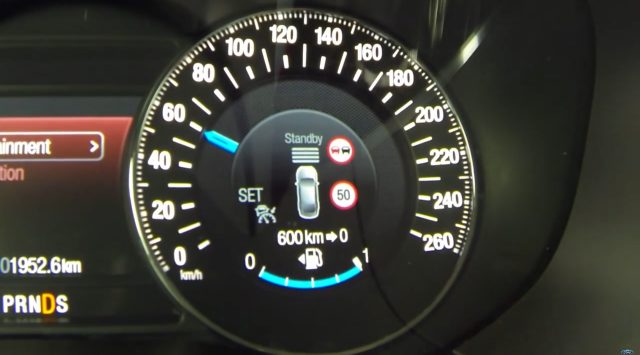
Speed limiters, also called speed governors, have been around for a while. But now, they’re getting more attention from lawmakers, safety advocates, and technology providers.
FMCSA & NHTSA Proposed Rules Explained
The movement toward mandatory speed limiter use in commercial vehicles is being led by two major federal agencies: the Federal Motor Carrier Safety Administration (FMCSA) and the National Highway Traffic Safety Administration (NHTSA). Both agencies play central roles in shaping transportation policy in the U.S., especially where commercial vehicle safety, regulatory enforcement, and public road risk reduction are concerned.
To fully understand the direction of current and future regulation, let’s break down what each agency does, what their proposals include, and how they impact fleet operators, drivers, and manufacturers.
What Is the FMCSA and What Does It Regulate?
The FMCSA, part of the U.S. Department of Transportation (USDOT), is responsible for regulating the commercial motor vehicle (CMV) industry. Its mission is to reduce crashes, injuries, and fatalities involving large trucks and buses.
Key responsibilities of the FMCSA include:
-
Developing and enforcing safety regulations for motor carriers and drivers
-
Overseeing the Commercial Driver’s License (CDL) program
-
Managing compliance reviews and safety audits
-
Administering the CSA (Compliance, Safety, Accountability) scoring system
Speed management has long been a focus for FMCSA, which sees excessive speed as a major contributor to fatal crashes involving large vehicles.
What Role Does NHTSA Play in Speed Limiter Policy?
The NHTSA oversees vehicle performance and safety standards, including:
-
Crash testing and vehicle safety ratings
-
Regulatory standards for OEMs (original equipment manufacturers)
-
Requirements for onboard safety technology (e.g., airbags, seat belts, ESC)
-
Promoting vehicle design changes that improve public road safety
For speed limiter rules, NHTSA’s role is focused on ensuring manufacturers design vehicles to be compatible with future regulations. This includes:
-
Defining what constitutes a compliant speed limiter
-
Ensuring systems can’t be easily tampered with
-
Verifying interoperability with electronic control units (ECUs) and telematics
What Vehicles Are Affected by Proposed Speed Limiter Rules?
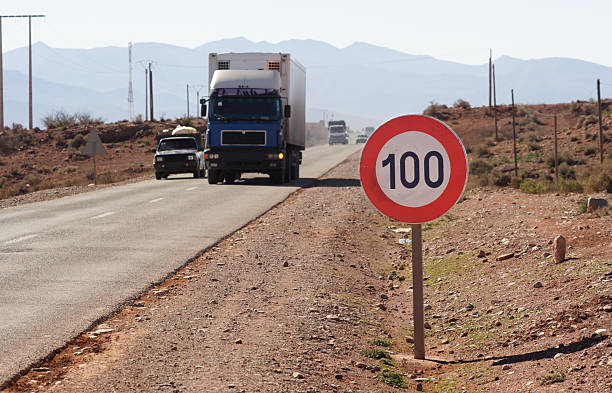
The FMCSA’s most recent proposal suggests that commercial vehicles with a gross vehicle weight rating (GVWR) of 26,001 pounds or more be equipped with functioning speed limiting devices. This includes:
-
Long-haul freight trucks
-
Regional delivery vehicles
-
Large passenger buses
-
Motorcoaches and school activity buses (in some cases)
The rules would not apply to:
-
Passenger vehicles
-
Light-duty delivery vans (under 26,000 lbs)
-
Non-commercial private-use trucks
Impact on Commercial Vehicles & School Buses
This isn’t just about tractor-trailers. In many areas, school buses, delivery vans, and even public works vehicles are part of the conversation. Some states already require speed limiters in school buses, and many are pairing them with GPS tracking and real-time monitoring.
The goal is to build smarter fleets — ones that don’t just follow the law but help prevent accidents before they happen.
Compliance Timelines Vary by State
While federal agencies work on national standards, individual states are moving at their own pace. Some are ahead, passing their own rules. Others are waiting for federal guidance. That’s why it’s important to know what’s happening in your specific state.
Understanding Federal vs State Jurisdiction
What Powers Do States Have Over Speed Limiter Laws?
The federal government handles rules for vehicles that cross state lines — like freight trucks and buses that travel long distances. But each state controls in-state or intrastate traffic, which means local rules can differ.
Some states may act before the federal government does. Others may choose stricter limits based on their roads, weather, or safety goals.
How Federal Regulations Influence State Legislation
When federal agencies set safety rules, states often follow their lead. In some cases, they even adjust their own laws to match federal standards. This helps avoid confusion and keeps things consistent for companies operating across multiple states.
The Role of DOTs, DMV, and School Districts in Implementation
Once rules are made, state Departments of Transportation (DOT) and Departments of Motor Vehicles (DMV) are usually in charge of making sure vehicles follow them. For school buses, school boards and transportation departments often work with tech providers to install:
-
Dual-speed limiters
-
RPM regulators
-
Terrain-based limiters that adjust speeds for hills or slippery roads
State-by-State Breakdown of Speed Limiter Requirements
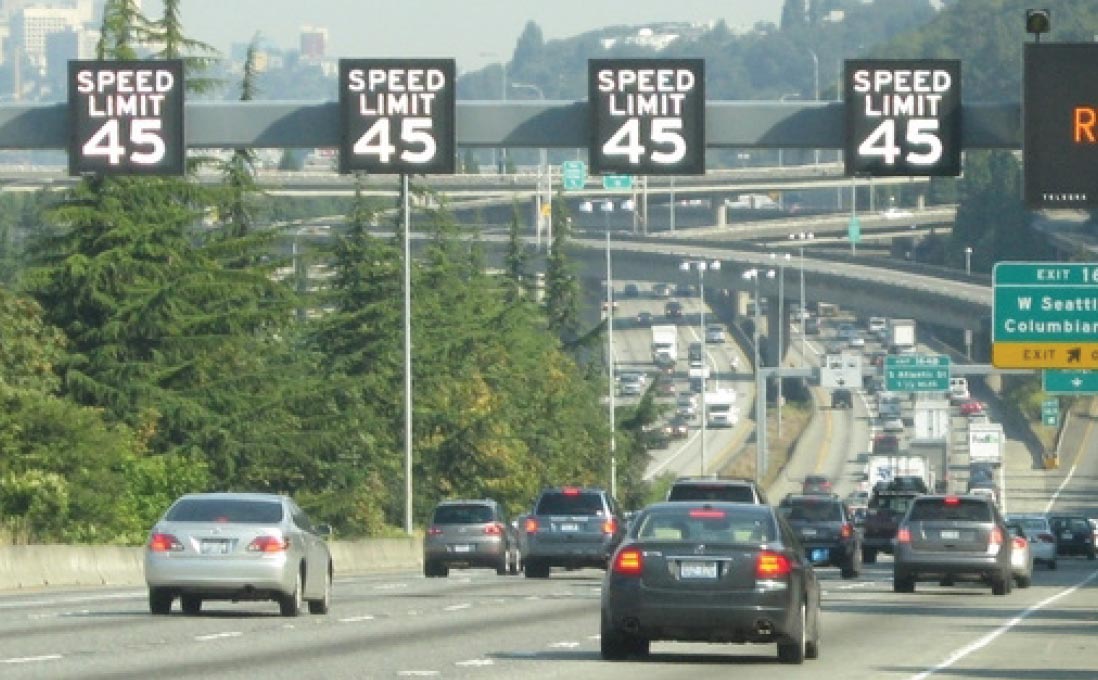
Across the U.S., speed limiter adoption varies by region, vehicle type, and enforcement priority. Some states are taking the lead with mandates, while others are relying on voluntary policies or pilot programs. Here’s a breakdown of how states are handling speed limiter rules, grouped by their regulatory approach.
Mandate-Driven States
These states have passed legislation requiring speed limiters for certain vehicles, typically school buses or public fleets.
Examples:
California, Florida, Delaware, New York
-
Vehicles Affected: School buses, city-owned fleets, and intrastate commercial trucks
-
Technology Requirements: Often require dual-speed limiters, GPS-based tracking, and speed data logging
-
Enforcement: Regular inspections, speed audits, and in some cases, mandatory limiter certifications
-
Notes: California and New York have the strictest enforcement, requiring telematics integration and speed data reporting
Incentive-Based or Voluntary Compliance States
These states do not mandate limiters but encourage their use through grants, insurance discounts, or policy guidance.
Examples:
Connecticut, Arkansas, North Carolina, Minnesota
-
Vehicles Affected: Mostly school transportation and municipal fleets
-
Programs: Offer state safety grants, voluntary fleet certification, or lower insurance premiums for GPS-speed limiter installations
-
Trend: High adoption in urban districts where school safety is a key issue
Pilot and Testing States
Some states are experimenting with terrain-based limiters or connected speed control technology through limited pilot programs.
Examples:
Colorado, Washington, Alaska, West Virginia
-
Vehicles Affected: Utility trucks, mountain fleet vehicles, and snow route carriers
-
Tech Focus: Use smart limiters that adapt to road slope, weather, and location using GPS and onboard sensors
-
Goal: Reduce brake failure, fuel waste, and downhill speeding in high-risk areas
-
Notes: Programs are often voluntary but may become mandatory if results show major safety gains
Federal Alignment States (Watching and Waiting)
These states are preparing to adopt rules that align with federal proposals from the FMCSA and NHTSA but haven’t implemented their own laws yet.
Examples:
Texas, Illinois, Georgia, Pennsylvania
-
Vehicles Affected: Likely to impact commercial fleets and school transportation
-
Current Status: No official mandates, but legal language is being drafted in many legislatures
-
Trend: States are closely monitoring federal developments and may roll out unified rules after national guidance becomes law
Low-Regulation or No-Legislation States
These states currently have no formal stance on speed limiters. Any adoption is left to the discretion of private fleets or school boards.
Examples:
Mississippi, Montana, Wyoming, South Dakota
-
Vehicles Affected: None officially required
-
Notes: Often rural, with less focus on fleet oversight or telematics regulation
-
However: Private carriers in these states may still use speed limiters for insurance or liability reasons
Commonalities Across Regions
Regardless of mandates, several trends are showing up nationwide:
-
School bus safety is the top priority in almost every state
-
Dual-speed and terrain-aware limiters are gaining traction in states with elevation changes
-
Telematics and GPS logging are becoming industry-standard for both compliance and driver accountability
-
Private fleets are adopting limiters to reduce insurance premiums, fuel use, and legal risk — even when not required
Common Trends Across the States
Adoption of Terrain-Based Dual Speed Limiters
States with hilly or mountainous areas are using terrain-based systems that adjust speed based on elevation and road grade. These advanced systems help prevent over-speeding downhill or in dangerous zones.
Focus on School Bus Safety in Southern States

States like Georgia and Texas are tightening school bus regulations. Many now require not just limiters, but also GPS systems that record and report speed violations automatically.
Fleet-Specific Rules in Logistics Hubs
States with major shipping centers — like Illinois, New Jersey, and Pennsylvania — are setting detailed speed limiter policies for delivery fleets and trucking companies. These rules often go hand-in-hand with driver safety training and telematics programs.
Legal & Compliance Implications for Fleet Operators
As speed limiter laws continue to evolve, fleet operators — especially those managing school buses, commercial trucks, and public service vehicles — must pay close attention to how compliance is defined, documented, and enforced. Legal obligations vary from state to state, but the direction is clear: non-compliance carries serious risks, while proper adherence can unlock operational and financial benefits.
Below are the key legal and technical areas fleet managers need to understand to remain compliant and reduce liability.
Penalties for Non-Compliance by State
States are enforcing speed limiter regulations through a combination of fines, safety score deductions, operational suspensions, and even contract bans for public carriers. While each state has its own set of enforcement protocols, the following penalties are common across multiple jurisdictions:
1. Monetary Fines
Failure to install or maintain required speed limiters can result in fines ranging from $500 to $5,000 per vehicle, depending on the severity of the violation and the state’s enforcement policies. Repeat offenses may lead to escalating fines.
2. CSA Score Impacts
For carriers operating under the Federal Motor Carrier Safety Administration (FMCSA), violations can negatively impact Compliance, Safety, Accountability (CSA) scores. A lower CSA score may:
-
Trigger audits
-
Increase insurance premiums
-
Lead to fewer business opportunities with brokers or shippers
3. License or Registration Suspension
Some state Departments of Transportation (DOT) or Motor Vehicles (DMV) now require proof of speed limiter installation for fleet vehicle registration renewals. Failure to comply can lead to:
-
Temporary suspension of vehicle registration
-
Denial of new fleet licensing
-
Legal citations for operating without valid registration
4. Loss of Public or Government Contracts
Many local and state governments now include vehicle speed control compliance as a clause in public fleet service contracts. If a school bus contractor or municipal fleet provider is found non-compliant, they can be disqualified from current or future bidding opportunities.
5. Civil or Criminal Liability
In cases where a speeding-related crash involves a fleet vehicle that failed to meet state-mandated speed limiter rules, operators may face lawsuits or criminal negligence charges, especially when transporting vulnerable groups like school children or the elderly.
Certification Requirements for Speed Limiters
Some states and municipalities now require formal Speed Limiter Certification as part of fleet compliance documentation. This certificate serves as proof that:
-
A certified speed limiter or governor has been properly installed
-
The device is set to the correct speed threshold (e.g., 65 mph or lower)
-
The system is tamper-resistant and regularly maintained
Certification is typically:
-
Issued by a licensed installation center or inspection authority
-
Required annually or biannually, often tied to vehicle inspection or registration renewal
-
Logged in state databases, accessible by enforcement officers or auditors
Some jurisdictions are moving toward digital certification systems, where data from telematics devices automatically updates compliance records in real-time.
The Role of Telematics & GPS in Compliance
Today’s compliance is no longer just about hardware — it’s about data. Telematics and GPS technologies are now integral to proving and maintaining fleet compliance with speed limiter regulations.
What Telematics Can Do:
-
Track Speed in Real Time: Devices monitor actual vehicle speeds and compare them to limiter settings and road speed limits.
-
Record Driving Behavior: Logging events such as hard braking, speeding violations, or route deviations helps establish patterns of compliance or misconduct.
-
Store Historical Speed Data: This is crucial during audits or investigations after traffic incidents.
-
Send Automated Alerts: Fleet managers can receive instant notifications when a vehicle exceeds programmed speed thresholds.
What GPS Integration Adds:
-
Geo-Fencing for Speed Zones: Some limiters now adjust max speed automatically based on location (e.g., school zones, construction areas).
-
Road Slope & Terrain Mapping: Advanced systems factor in gradient changes to prevent over-speeding downhill.
-
Proof of Presence & Route Verification: In case of compliance checks or liability claims, GPS records verify where the vehicle was, and how it was being operated.
Why This Matters for Fleet Operators
Modern compliance isn’t just a checkbox — it’s a strategic layer of risk management and operational control. For responsible fleet operators, staying compliant with speed limiter laws:
-
Reduces accident risk
-
Improves public safety ratings
-
Boosts contract eligibility with schools, municipalities, and logistics partners
-
Prevents costly legal battles and insurance hikes
Whether you’re running a school transportation service, a local government fleet, or a regional logistics network, understanding and acting on these legal and technical compliance standards can protect your organization from serious consequences — and set a higher standard for road safety.
Certification Requirements
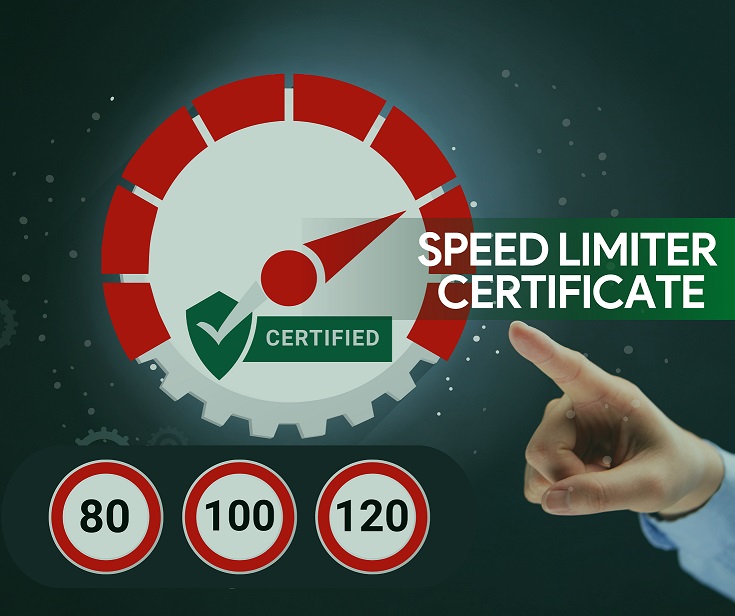
Some states require a Speed Limiter Certificate, proving the limiter is properly installed and tamper-proof. These certifications are often checked during inspections or vehicle registration renewals.
Role of Telematics & GPS Devices
Modern fleet compliance relies heavily on telematics. These systems track vehicle speed, route history, and even driver behavior in real time. GPS data can be used to prove compliance, respond to incidents, or correct risky driving habits.
How Tech Helps: Safety Solutions That Matter
Speed limiters work best when paired with smart tech. Companies that build this technology are focusing on integration — so that speed control, tracking, and reporting all work together.
Here’s how this helps different users:
-
School districts can monitor drivers, keep kids safer, and prove compliance to regulators.
-
Fleet managers get full visibility into how their vehicles are operating.
-
Service centers can install, update, and verify limiter settings using advanced diagnostics and remote tools.
FAQs About Speed Limiter Laws
Do all states require speed limiters?
No. Some have made them mandatory, while others are still exploring the idea or waiting for federal rules.
Are school buses treated differently?
Yes. Many states place school buses under stricter rules than commercial vehicles, often requiring both speed limiters and GPS-based monitoring.
Is GPS tracking required by law?
Not always — but it’s strongly recommended. GPS tracking supports compliance, safety reviews, and legal protection in case of incidents.
Final Thoughts: Preparing for What’s Next
Speed limiters aren’t just about rules — they’re about protecting lives. Whether you’re responsible for a single school bus or a large commercial fleet, now is the time to understand your state’s position and prepare accordingly.
This shift in transportation law is already underway. The best approach? Don’t wait. Start with smart, safe technology and stay one step ahead of what’s coming next.