
Using speed limiters in Malaysian buses and vans helps public transport operators follow safety laws, save on fuel and maintenance, protect passengers and drivers, and increase their return on investment (ROI). These devices limit how fast a vehicle can go, reducing accidents and wear on the vehicle, while making fleets easier to manage. Let’s look at the top five benefits that show why more operators are installing speed limiters today.
Compliance with Malaysian Road Safety Regulations
In Malaysia, road safety isn’t just a concern — it’s a legal responsibility, especially for commercial and public transport operators. If you’re running buses or vans for passengers, school routes, or charter services, the authorities expect full compliance with the country’s speed regulations. That’s where speed limiters come in — not just as a smart safety upgrade, but as a regulatory requirement.
Understanding the Law: JPJ and SPAD Rules
Two key bodies govern public transport safety in Malaysia:
-
JPJ (Jabatan Pengangkutan Jalan) – The Road Transport Department
-
SPAD (Suruhanjaya Pengangkutan Awam Darat) – now under APAD (Agensi Pengangkutan Awam Darat)
These agencies enforce strict laws on commercial vehicle operation, including speed limits for various vehicle categories. For instance:
-
Public service vehicles (PSVs) like buses must not exceed 90 km/h on highways.
-
School buses and chartered vans have even stricter guidelines, depending on their routes and passenger capacity.
-
Heavy vehicles and logistics vans are also subject to speed regulations under the Road Transport Act 1987.
Speeding violations not only endanger lives — they can result in hefty fines, blacklisting, and revocation of operator permits.
Why Manual Enforcement Isn’t Enough
Even if you train your drivers well, human error and time pressure can lead to speeding. A vehicle going just 10 km/h over the legal limit repeatedly could trigger a red flag during compliance audits or police checks.
This is why more operators are installing electronic speed limiters — to ensure consistent, automated enforcement that doesn’t rely on the driver alone.
Speed Limiter Certificate: A Legal Must-Have
If you’re undergoing inspection by JPJ or APAD, showing a certified speed limiter device is a major advantage. Devices that meet Malaysian compliance standards typically come with:
-
Speed Limiter Certificate of Conformity
-
Tamper-proof calibration records
-
Installation verification documents
These documents are often required when renewing your commercial vehicle permits or applying for new public transport licenses.
Some regions (like Selangor and Johor) have begun mandatory speed limiter enforcement programs, especially for school buses and express coaches.
What Happens If You Don’t Comply?
Operators found without proper speed limiters or those with bypassed systems may face:
-
Fines between RM300 – RM2,000 per violation
-
Suspension or revocation of vehicle permits
-
Blacklisting from tender contracts with government or private institutions
-
Increased liability in case of accidents
In some cases, especially involving school transport, insurance claims can be denied if vehicles were found to be speeding unlawfully.
Staying Ahead with Certified Technology
Many modern speed limiter solutions — like those offered by Resolute Dynamics — are designed for full compliance with JPJ requirements. These systems are:
-
Electronically controlled
-
Tamper-resistant
-
Compatible with GPS tracking systems
-
Calibrated to Malaysian road regulations
They also offer data logging, so you can prove compliance if there’s ever an audit or roadside check.
2. Lower Maintenance Costs and Extended Vehicle Life
When drivers go too fast, vehicles break down faster. Speeding leads to more wear on brake pads, tires, engine parts, and transmissions. It also causes engines to run hotter, which shortens their lifespan.
Speed limiters keep the vehicle operating at a safe, steady pace. This reduces stress on mechanical systems. Over time, you’ll notice fewer breakdowns, less downtime, and cheaper workshop bills. It also helps extend the vehicle’s usable life, delaying the need to buy new buses or vans.
Entities to include: vehicle wear-and-tear, brake system strain, engine overuse, fleet servicing intervals, maintenance optimization
Improved Fuel Efficiency and Operational Savings
Running a bus or van fleet in Malaysia comes with one unavoidable reality — fuel is expensive. Whether you’re operating stage buses, express coaches, school vans, or chartered transport, fuel expenses often take up 30–40% of your operational budget. That’s why improving fuel efficiency isn’t just a good idea — it’s a competitive necessity.
How Speed Affects Fuel Consumption
When a vehicle moves faster than it should, it consumes more fuel. It’s not just about the engine working harder — there are several scientific reasons behind this:
-
Aerodynamic drag increases exponentially as speed rises above 90 km/h. The faster you go, the harder the engine must work to push air out of the way.
-
Rapid acceleration and braking burn more fuel than steady driving.
-
High speeds disrupt gear efficiency, especially in older or poorly tuned engines.
-
Idling during speed enforcement stops also adds to fuel wastage.
A bus cruising steadily at 85 km/h will almost always burn 15–25% less fuel than one pushing 100–110 km/h. That’s a huge difference, especially if you operate long-haul or intercity routes daily.
Real-World Savings from Speed Control
Let’s break it down with a simple example:
-
A standard diesel bus covering 300 km per day at 110 km/h consumes roughly 100 liters of diesel.
-
The same bus, limited to 85 km/h, consumes only 80–85 liters for the same distance.
-
That’s a daily saving of 15–20 liters per vehicle.
Multiply that by 30 days and a 10-vehicle fleet, and you’re saving RM 13,500–18,000 monthly, assuming RM2.20/liter diesel prices.
These are not small numbers — this is fuel cost optimization at scale.
The Role of Speed Limiters in Fuel Management
A speed limiter keeps your vehicle driving within the most fuel-efficient speed range (usually 80–90 km/h). This has a compound effect:
-
Smoother throttle control prevents sudden fuel injection surges.
-
Lower RPM (revolutions per minute) reduces engine load.
-
Eliminates unnecessary speeding, which ruins mileage.
Unlike basic GPS trackers that just show you where your vehicle is, advanced electronic speed limiters with integrated telematics help you:
-
Track fuel usage trends
-
Monitor aggressive driving behavior
-
Set alerts for over-speeding or harsh braking
-
Reduce idling time during unauthorized stops
These tools help transport managers optimize route efficiency and plan fuel budgets with more accuracy.
Tailored for Malaysian Roads & Terrain
In Malaysia, many routes include hilly terrain, frequent stop-and-go traffic, and long expressways. Speed limiters are especially helpful on:
-
North-South Expressway (PLUS) routes
-
East Coast Highway (LPT)
-
Karak-Genting routes where overspeeding on curves can be deadly and costly
-
Urban KL–PJ–Shah Alam corridors, where fuel is wasted in congestion
Using a limiter ensures that even in downhill stretches, momentum doesn’t push fuel consumption higher than necessary.
Lower Fuel Use = Higher Operational Efficiency
Fuel efficiency doesn’t just save you money — it improves the entire performance of your fleet. With lower fuel usage, you also benefit from:
-
Fewer fuel stops, improving route time
-
Lower carbon emissions, helping you meet ESG or green transport goals
-
Reduced maintenance, as smooth driving causes less engine strain
-
Better resale value, because engines stay in better condition
Fleet owners looking to bid for government contracts or corporate transport tenders can also showcase fuel efficiency as a value proposition.
Enhanced Passenger and Driver Safety
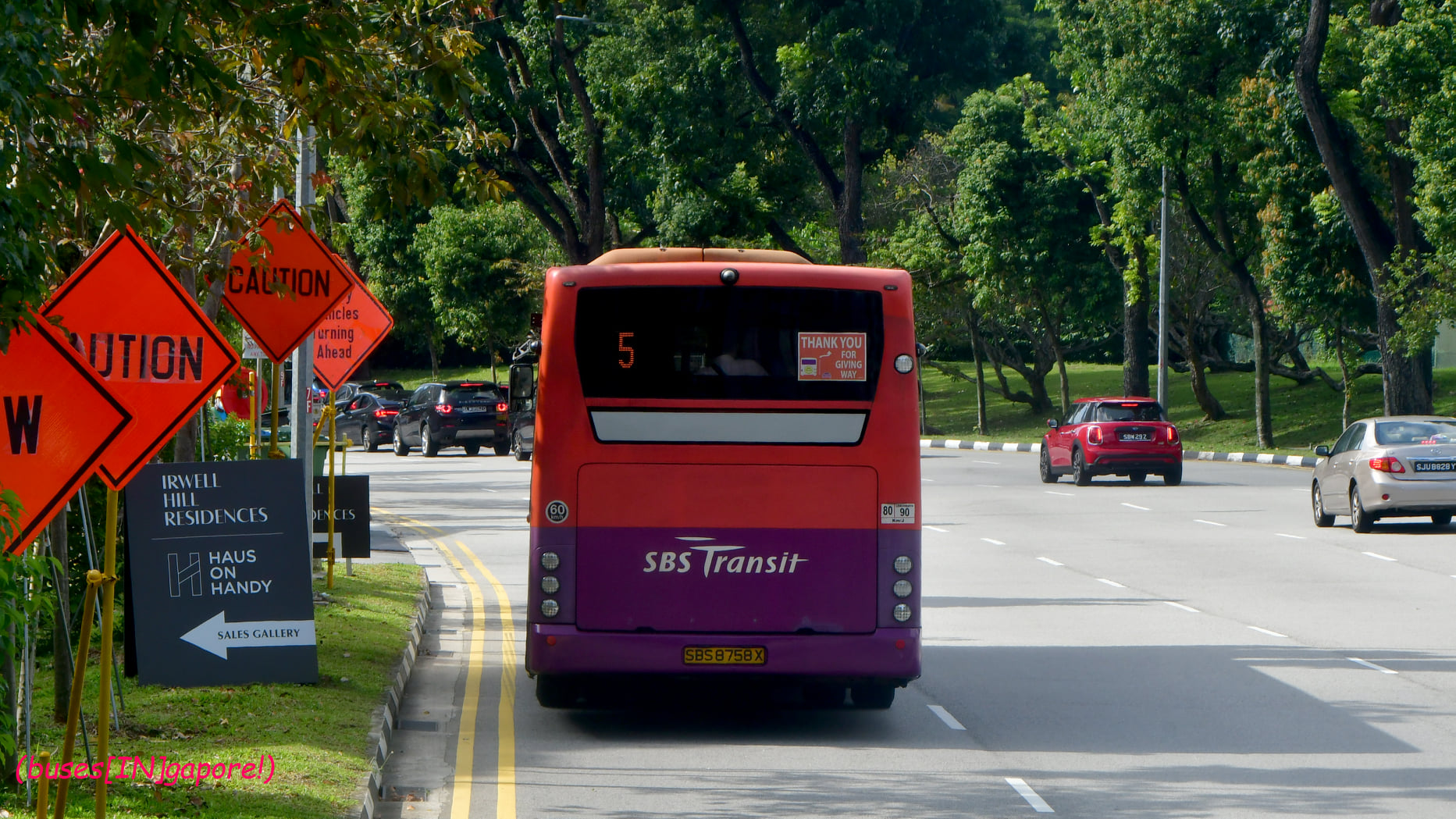
Speed-related accidents are among the top causes of road deaths in Malaysia. When a bus is going too fast, it becomes harder to stop quickly, especially in wet or crowded conditions. Passengers are at greater risk, and so is your company’s reputation.
Speed limiters reduce these risks. They create consistent, predictable driving behavior across your fleet. Drivers feel less pressure to speed, especially when they’re paid by trip or under time constraints. This promotes a safer environment for everyone on the road.
Safety also builds public trust. Parents feel better putting their children on a school bus with safety tech installed. Tourists and daily commuters are more likely to choose operators known for caring about safety.
Related phrases: accident prevention, road hazard reduction, driver fatigue, public trust, school bus safety systems
Stronger ROI and Smarter Fleet Management
Running a profitable transport business in Malaysia means keeping a close eye on your margins. Fuel, repairs, driver costs, downtime — they all eat into your revenue. But when you install speed limiters with integrated GPS and telematics, you’re not just improving safety. You’re boosting return on investment (ROI) across every part of your operation.
What Does ROI Really Mean in Public Transport?
ROI, or Return on Investment, is a simple way to measure how much profit you make compared to what you spend. For public transport operators — whether you’re running buses, vans, or school fleets — ROI is affected by:
-
Fuel efficiency
-
Maintenance and repair costs
-
Driver behavior and performance
-
Accident rates and insurance premiums
-
Operational efficiency (on-time arrivals, route effectiveness)
Speed limiters directly improve each of these areas. They reduce fuel burn, cut down on vehicle wear, and help avoid costly accidents or legal issues. Over time, these small savings add up — and that’s what makes your ROI grow stronger.
Speed Limiters with Telematics: A Smarter Investment
Modern speed limiter systems — like those provided by Resolute Dynamics — don’t just slow down your vehicle. They come with built-in telematics and GPS tracking features that help you make smarter decisions every day.
With telematics, you can track:
-
Speed patterns: Know which drivers are still pushing limits
-
Idle times: Identify where fuel is being wasted in traffic or at stops
-
Route performance: Analyze which routes are cost-effective
-
Driver behavior: Detect harsh braking, rapid acceleration, or reckless turns
-
Unauthorized use: Get alerts if vehicles are used outside working hours
This real-time data empowers transport managers to take proactive action, not just reactive fixes.
Smarter Driver Management and Training
Not all problems come from the vehicles — many come from behind the wheel. Some drivers may speed, idle unnecessarily, or take longer routes to avoid traffic. With speed limiter data and GPS logs, you can:
-
Identify training needs
-
Reward high-performing drivers
-
Correct poor driving habits
-
Reduce driver-caused wear and fuel loss
Over time, your fleet becomes more disciplined, efficient, and predictable — three qualities that lead to consistent profit.
Better Route Planning = Less Waste
With GPS and telematics, you can analyze which routes consume the most fuel, cause the most idling, or involve too many stops. This helps with:
-
Route optimization
-
Timetable accuracy
-
Reduction in overtime payments
-
Fewer missed pickups or deliveries
Public transport customers — especially school boards, tourism companies, and corporate shuttle clients — notice when your services run on time. Smart routing powered by limiter + GPS data improves customer satisfaction and service reputation.
Measuring ROI with Real Data
Let’s say you spend RM3,000 to install speed limiters and GPS on each vehicle. Here’s what you might save over 12 months per vehicle:
-
Fuel savings: RM4,000–6,000
-
Maintenance reduction: RM1,500
-
Accident reduction (insurance, repairs): RM2,000
-
Operational efficiency (less overtime, route planning): RM1,200
Total savings = RM8,700–10,700 per vehicle/year
Even if you run a small 5-vehicle fleet, that’s over RM50,000 in annual savings — all from a one-time investment. That’s a clear, measurable ROI.
Bonus: Gaining a Competitive Edge
Many government tenders and large transport contracts in Malaysia now require proof of:
-
Safety compliance
-
Telematics integration
-
Green fleet practices (lower emissions, reduced fuel usage)
Installing intelligent speed limiter systems positions your business as a professional, compliant, and reliable operator. This can help you win contracts and build long-term client trust.
Final Thoughts
Speed limiters are more than just a legal requirement — they are a smart investment for Malaysian bus and van operators. From staying compliant and saving money, to protecting passengers and drivers, the benefits are impossible to ignore.
If you’re serious about running a safer, more efficient fleet, now is the time to consider equipping your vehicles with certified speed limiter systems. It’s a move that pays off in both the short and long term.
Looking to upgrade your fleet?
Check out Resolute Dynamics’ precision-engineered speed limiter solutions tailored for Malaysian public transport fleets. Built for compliance, safety, and savings.