
Speed limiters for school buses in Malaysia are essential safety devices that help prevent speeding, ensure child safety on the road, and promote responsible driving in both public and private education fleets. These devices are already being used by leading transport providers to comply with road safety laws and protect students.
Why School Bus Safety Matters in Malaysia
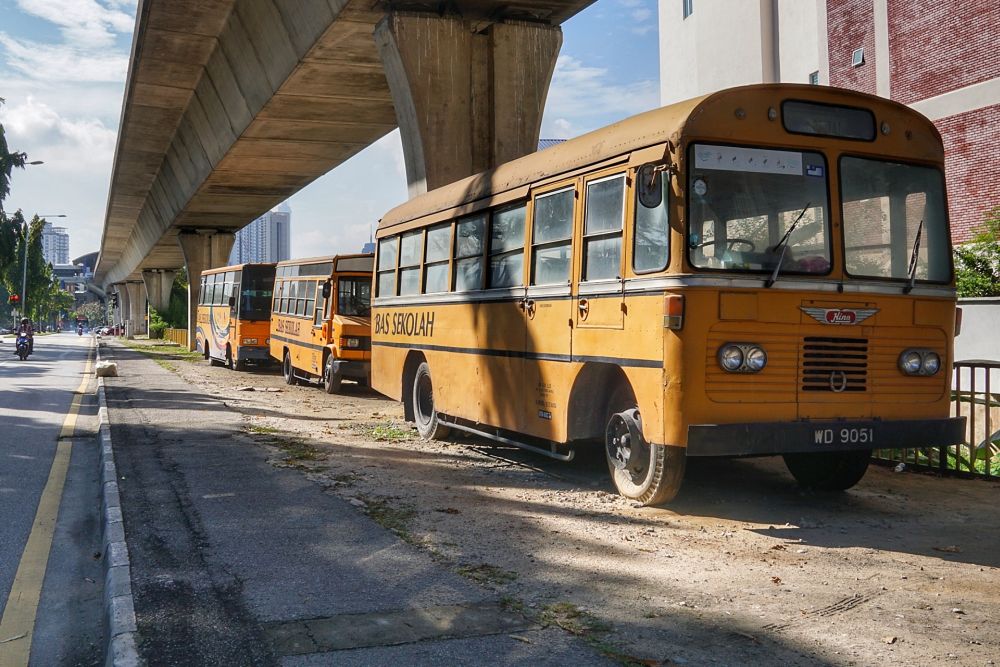
Every morning, thousands of students across Malaysia board school buses hoping for a safe ride. As parents, teachers, and transport operators, we all want the same thing: peace of mind.
But here’s the truth—school buses can become dangerous if drivers ignore speed limits. In a country where traffic conditions vary from smooth highways to congested city streets, it only takes one reckless moment to cause a tragedy. Children are among the most vulnerable road users, and we simply cannot afford to take risks with their safety.
That’s why we need to talk about speed limiters.
What Is a Speed Limiter and How Does It Work?
A speed limiter—also known as a speed governor—is an intelligent, vehicle-integrated device that prevents a driver from exceeding a predefined speed limit, no matter how hard they press the accelerator. Unlike a speed warning system, which merely alerts the driver, a speed limiter actively controls engine output to enforce compliance with safety standards.
For school buses in Malaysia, especially those navigating crowded city roads or high-speed highways, this technology plays a vital role in protecting children, ensuring driver accountability, and aligning with road transport regulations.
The Core Mechanism Behind a Speed Limiter
At its core, a speed limiter works by regulating the electronic signals that control fuel injection or throttle input. In modern commercial vehicles, this is done via the Engine Control Module (ECM) — the brain of the vehicle.
Here’s how the process unfolds step-by-step:
-
Speed Monitoring:
The limiter constantly receives input from the Vehicle Speed Sensor (VSS), which measures the rotation of the wheels in real-time. -
Threshold Comparison:
The limiter is programmed with a set speed limit, for example, 70 km/h. As the sensor reports vehicle speed, the system checks whether it’s approaching or exceeding the limit. -
Throttle Regulation:
Once the limit is reached, the ECM triggers a command to cut back the fuel injection, limit throttle response, or in some systems, electronically modulate the air intake. This prevents any further acceleration. -
Fail-Safe Enforcement:
These systems are designed to be tamper-proof, often sealed and encrypted to avoid manual override or illegal deactivation. -
Driver Feedback (Optional):
Some systems may give visual or auditory alerts through the dashboard, informing the driver that the limiter is active.
GPS-Enabled Speed Limiting
In more advanced systems — like those offered by Resolute Dynamics — the limiter is connected to GPS modules and telematics platforms. This allows the speed limit to be dynamically adjusted based on:
-
Geofenced school zones
-
Urban vs. rural speed policies
-
Road type classifications (e.g., expressways vs. residential areas)
In this setup, the limiter doesn’t just enforce a single hard limit — it adapts in real-time based on the bus’s location. This feature is incredibly valuable in Malaysia, where school buses often travel across mixed road environments within a single trip.
Dual Speed Limiter: Terrain-Adaptive Technology
The Dual Speed Limiter, also known as a Multi-Zone Speed Governor, is a breakthrough technology particularly suited for school buses operating on variable terrains — like routes between flat city roads and hilly rural areas.
Here’s how it works:
-
The limiter receives real-time GPS location data.
-
It identifies the type of road or zone (urban, expressway, mountainous, etc.).
-
It automatically switches speed profiles — for example:
-
60 km/h in urban zones
-
80 km/h on highways
-
40 km/h near schools
-
This process is fully automated. Drivers don’t need to press any buttons or change settings. This reduces driver error, eliminates manual override, and ensures uniform compliance across different driving conditions.
Integration with Vehicle Systems
Modern speed limiters do not work in isolation. They integrate with several vehicle subsystems to ensure optimal performance:
-
CAN Bus Communication:
The limiter communicates with other onboard systems like the ABS, gearbox, and RPM regulator via the Controller Area Network (CAN) — enabling full-scope vehicle telemetry. -
Digital Tachographs:
Many school buses fitted with limiters also log trip data, speed trends, and overspeed attempts. This data is useful for audits and inspections by JPJ or school authorities. -
Driver Behavior Monitoring:
Paired with fleet management platforms, speed limiter data contributes to evaluating driver performance — identifying patterns of harsh braking, idling, or unsafe acceleration.
Tamper-Proof & Compliant by Design
Tampering with a speed limiter is not only unethical — in many jurisdictions, it’s illegal.
To prevent this, certified devices like those from Resolute Dynamics are:
-
Sealed and encrypted
-
Built with audit logs and diagnostic alerts
-
Compliant with ECE R89 and SIRIM-certified standards
-
Fitted with tamper-detection alarms, notifying the system admin of unauthorized access
This level of protection ensures the limiter remains active and trustworthy — even after years of operation.
Benefits Specific to School Buses
For school bus operators in Malaysia, the benefits are tangible:
-
Prevention of reckless speeding, especially in school zones or during peak hours
-
Consistency in compliance with government fleet contracts and road transport laws
-
Improved safety ratings, reducing insurance premiums and liability risks
-
Peace of mind for parents and school administrators
Malaysia’s Regulations on School Bus Speed
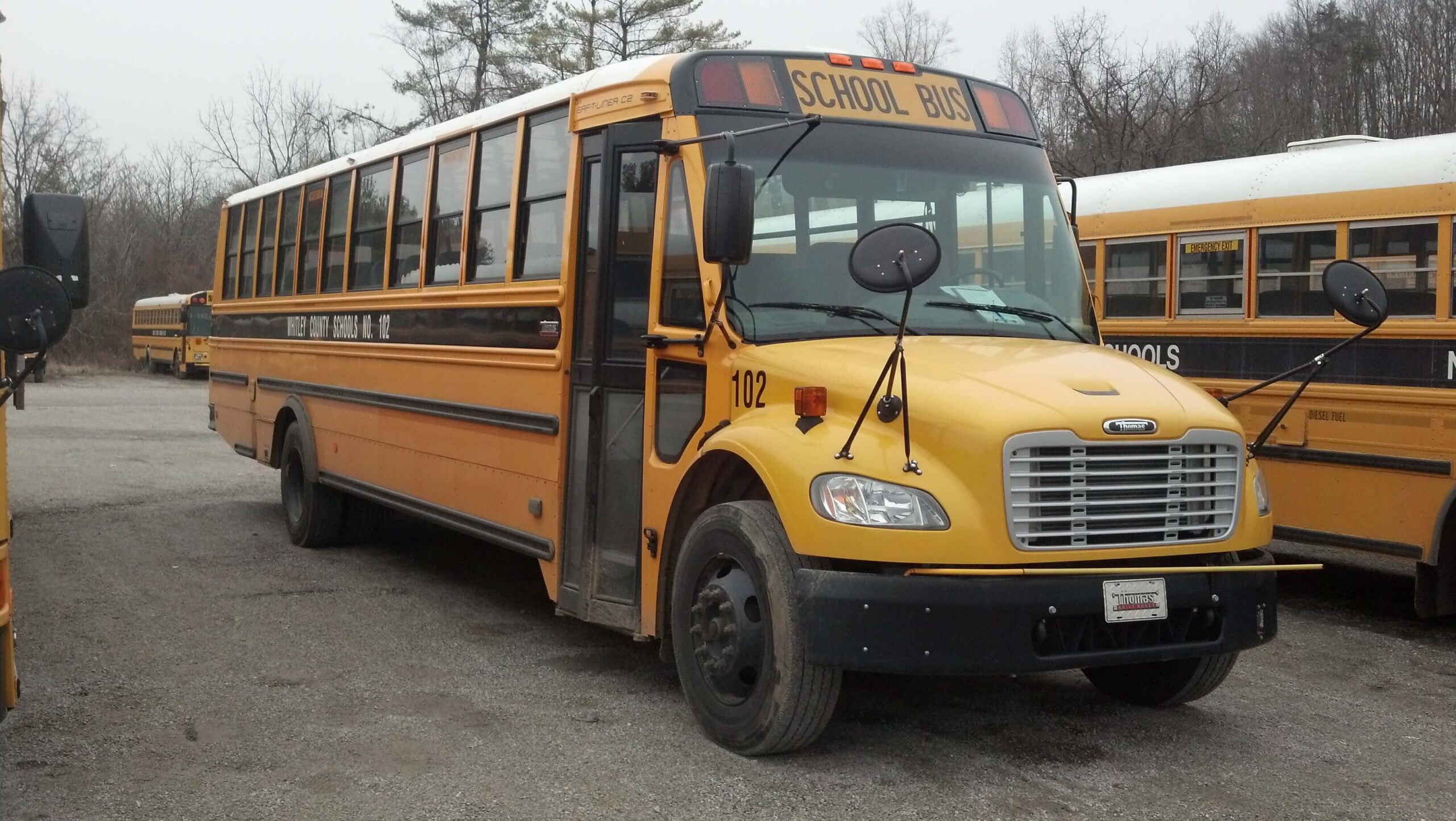
In Malaysia, ensuring the safety of children during daily school commutes is a national priority. The government has implemented a growing body of regulations and recommendations targeting school buses and education transport fleets, with a specific emphasis on speed management.
Speeding is one of the top contributors to road accidents in Malaysia. While private vehicles may sometimes evade enforcement, school buses fall under stricter legal and operational scrutiny, especially those operated under public or government contracts.
Key Regulatory Bodies Involved
Several government agencies oversee and influence policies related to school bus speed regulations:
-
JPJ (Jabatan Pengangkutan Jalan)
The Road Transport Department sets vehicle regulations, inspects buses, and manages licensing and roadworthiness checks. They are the main enforcement authority for vehicle compliance. -
Ministry of Transport (MOT)
MOT provides policy direction and collaborates with JPJ to improve school transport safety. They frequently release circulars or updated guidelines in line with national transport strategy. -
APAD (Agensi Pengangkutan Awam Darat)
The Land Public Transport Agency oversees the licensing of public transport vehicles, including school buses, and may impose safety requirements for operators. -
PDRM (Polis Diraja Malaysia)
The Royal Malaysian Police assist in road enforcement, particularly during large-scale Ops Bersepadu or traffic safety operations.
Government Mandates & Policy Trends
While Malaysia has not yet enforced a blanket law requiring all school buses to be equipped with speed limiters, there are strong regulatory signals and increasing implementation requirements, especially in these contexts:
1. Government-Registered Public Transport Fleets
Buses used under government contracts — such as for government schools, rural outreach programs, or Ministry of Education (MOE) transport subsidies — are often required to have certified speed limiting devices installed.
Example: Many state contracts for transporting students in rural areas under programs like Program Rancangan Makanan Tambahan (RMT) or Kementerian Pendidikan Malaysia (KPM) guidelines require vehicles to meet JPJ safety and speed compliance benchmarks.
Buses Carrying School Children (Commercial or Private)
Under JPJ safety inspections (Pemeriksaan Kenderaan), buses used for transporting school children must comply with the following:
-
Not exceed maximum allowable speed, often set between 60–80 km/h depending on road type.
-
Undergo routine PUSPAKOM inspections, especially before school terms begin.
-
Display the “Bas Sekolah” livery with correct color codes and functioning hazard lights.
While speed limiter installation is not universally mandatory yet, JPJ has begun recommending and incentivizing it, especially for fleets with past traffic violations or those operating in high-risk areas.
Education Institution-Owned Vehicles
Some private or international schools own and manage their own transport fleets. These vehicles are increasingly expected to:
-
Install electronic speed limiters
-
Use GPS tracking systems with route reporting
-
Maintain vehicle service logs to ensure roadworthiness
In many cities — such as Kuala Lumpur, Shah Alam, Johor Bahru, and Penang — local school boards and municipal councils are also supporting initiatives to improve school transport safety, including calls for smart fleet management tools.
The Rise of Digital Compliance
One of the most notable regulatory trends in Malaysia is the push toward digital speed compliance — not just physical speed restriction.
What does that mean?
It means fleet owners are now being encouraged (and in some tenders, required) to install:
-
GPS-enabled speed limiters
-
Digital logbooks of speed data
-
Real-time monitoring dashboards
-
Speed violation alerts sent to transport supervisors
This aligns with Malaysia’s broader digital transformation roadmap and its goal to modernize transport systems under initiatives like:
-
MyDigital Blueprint
-
National Transport Policy 2019–2030
-
Smart City Framework (Bandar Pintar)
With digital speed compliance, school administrators and fleet operators can now:
-
Detect overspeed incidents
-
Monitor driver behavior
-
Prove compliance during audits or police investigations
Related Standards and Certifications
Fleet operators installing speed limiters for school buses are often asked to comply with these standards:
-
ECE R89 – International standard for speed limiters used in commercial vehicles.
-
MS 1214 – Malaysian standard for vehicle safety specifications.
-
SIRIM Certification – Products approved and certified by SIRIM QAS International, often required for government-related contracts.
-
JPJ Inspection Pass – Required before any commercial vehicle can operate legally on the road.
What This Means for School Bus Operators
If you own, manage, or supply school buses in Malaysia, here’s what you need to know:
| Compliance Area | Requirement or Expectation |
|---|---|
| Speed Limiter | Strongly recommended for all education-related fleets |
| GPS Tracking | Increasingly required in government/public school contracts |
| Certification | Must comply with ECE, SIRIM, or local JPJ-approved standards |
| PUSPAKOM Checks | Mandatory regular inspections for roadworthiness and safety |
| Digital Logging | Required or incentivized in government RFPs and tenders |
Failing to meet these expectations could result in tender disqualification, suspension of permits, or fines, especially for repeat speed violations or bus-related accidents.
Why Speed Limiters Are Crucial for School Buses
Let’s break it down.
-
Child Safety: The main goal is to protect lives. Children cannot react quickly in emergencies, so preventing speed-related crashes is key.
-
Driver Accountability: Limiters reduce reckless behavior. Drivers know they’re being monitored.
-
Community Trust: Schools that use certified systems earn credibility with parents.
-
Accident Prevention: Studies show that buses with speed governors are less likely to be involved in high-impact collisions.
Without limiters, school buses may easily exceed 90 km/h on highways—a dangerous threshold, especially when carrying children.
Resolute Dynamics’ Speed Limiter Solutions
Resolute Dynamics has designed purpose-built safety systems for school transport fleets in Malaysia.
Their dedicated School Bus Safety Solution includes:
-
Pre-configured speed limits (e.g., 60 or 70 km/h for urban areas)
-
GPS tracking with route logs and speed reports
-
Driver behavior analytics
-
Tamper-resistant design
-
Compliance-ready certification
What makes their devices unique is the integration of multi-speed profiles for different driving conditions, along with real-time fleet monitoring dashboards.
Terrain-Based Speed Control: Dual Speed Limiter
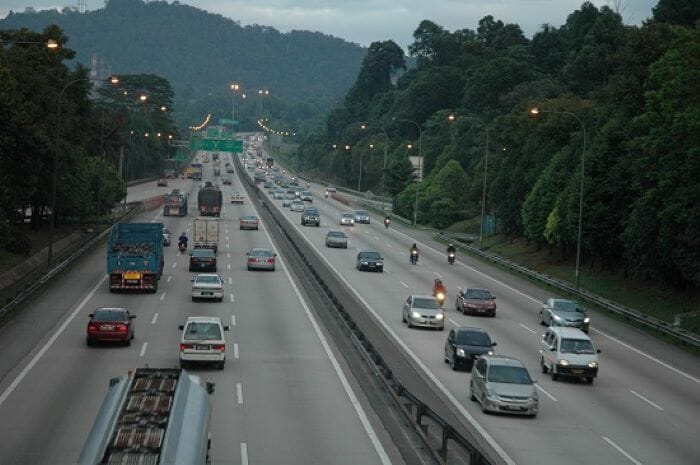
For routes that pass through kampung roads, hill slopes, or mixed highways, the Dual Speed Limiter gives an edge. This intelligent system automatically adjusts speed thresholds depending on where the bus is.
Example:
-
Urban areas = 60 km/h cap
-
Highways = 80 km/h cap
No need for driver input. This automation reduces stress and supports consistent safety—regardless of location.
Use-Case: Public Transport & Education Fleets
While speed limiters are often associated with school buses, their benefits stretch far beyond daily student pick-ups and drop-offs. In Malaysia, public transport operators and education institutions that manage their own fleets—such as universities, boarding schools, polytechnics, MARA institutions, and government-run educational facilities—can achieve massive gains in safety, compliance, operational efficiency, and accountability by installing modern speed limiter systems.
In this section, we’ll explore how these devices create value for fleet operators, school administrators, and regulatory authorities.
1. Standardizing Safety Across the Fleet
One of the biggest challenges in managing a diverse fleet—especially across multiple regions or campuses—is ensuring that every driver follows the same safety rules. Different drivers may have different habits, and traditional driver training alone isn’t always enough to enforce consistent behavior.
With speed limiters installed:
-
Maximum speed is enforced electronically, regardless of the driver’s intent.
-
Fleet managers can ensure that no vehicle exceeds preset limits, even during emergencies or unsupervised trips.
-
This eliminates reliance on manual monitoring and creates automated safety standardization across all vehicles.
For example, a public university with 30 buses traveling between campuses in Kuala Lumpur, Bangi, and Serdang can use speed limiters to ensure consistency in safety, even with a rotating pool of drivers.
2. Compliance with Insurance, MOE, and Audit Requirements
Insurance companies and education authorities are increasingly asking fleet operators to provide proof of safety systems in vehicles. Whether it’s for insurance premium negotiations, annual audits, or government funding compliance, having speed limiters installed is a clear indicator of proactive risk management.
Speed limiter usage is now being factored into:
-
Fleet safety audits conducted by the Ministry of Education (MOE) or state education departments.
-
Tenders and contracts, especially for outsourced school transportation services.
-
PUSPAKOM inspections and roadworthiness checks, where digital compliance data may be requested.
“Some school transport tenders now require bidders to show that their buses are fitted with tamper-proof speed limiters and GPS tracking systems integrated with digital reporting.” — MOE Procurement Guideline, 2023
Installing speed limiters from certified providers like Resolute Dynamics also ensures compatibility with SIRIM QAS certifications and JPJ road compliance standards.
3. Lower Legal Liability and Stronger Defense in Road Incidents
Accidents involving education transport vehicles, especially when students are on board, can cause major reputational damage, lawsuits, and costly investigations. Even if your driver wasn’t at fault, not having a speed limiter installed could work against your fleet in the eyes of the law or insurance investigators.
How speed limiters help reduce liability:
-
They log travel speed data in real-time, creating a digital footprint that proves whether or not speeding occurred.
-
In the event of an accident, the limiter’s data log can serve as evidence of compliance with speed policies.
-
By enforcing strict speed limits, fleet operators can demonstrate a safety-first policy, reducing exposure to negligence claims.
A real-world scenario:
If a university-owned bus is involved in a minor collision while transporting students, but GPS-limiter logs show that the driver never exceeded 65 km/h in a 70 km/h zone, legal liability is significantly reduced, and investigations are easier to resolve.
4. Improved Maintenance & Lower Engine Wear
Driving at high speeds for long durations doesn’t just increase the risk of accidents—it also puts stress on the engine, brakes, suspension, and tires. Over time, this leads to higher operating costs and more frequent breakdowns.
Speed limiters contribute to:
-
Reducing engine overuse, especially on long-distance inter-campus routes.
-
Minimizing sudden acceleration and aggressive driving, which leads to fuel inefficiency.
-
Protecting critical vehicle components from heat and mechanical stress.
In addition, when paired with GPS tracking and telematics, the limiter can feed into a dashboard that provides:
-
Real-time engine RPM readings
-
Idle time logs
-
Alerts for mechanical anomalies
-
Predictive maintenance alerts based on driving behavior
This makes it easier for maintenance teams to shift from reactive to proactive servicing, increasing fleet uptime and reducing unexpected downtime.
Real-Time Fleet Monitoring with Data Dashboards
Resolute Dynamics’ speed limiter solutions are integrated into an intelligent fleet management dashboard, enabling real-time oversight of large vehicle fleets from a single control center.
Features available to operators:
-
Live vehicle tracking on maps
-
Speed reports by driver, vehicle, or route
-
Daily performance summaries
-
Alerts for overspeed, harsh braking, or unauthorized use
-
Geofencing zones, including automatic alerts if buses leave school zones or approved routes
Let’s say a public education institution in Johor operates 50 buses across 10 districts. With this system in place, the transport department can:
-
Instantly check if all buses stayed within the speed limits
-
Monitor if a driver deviated from the approved route
-
Detect early signs of driver fatigue or reckless driving
This kind of centralized digital oversight is invaluable when operating across regions or managing outsourced transport vendors.
Ideal for All Types of Educational Transport Operations
These benefits apply to various types of education and public transport operations:
| Fleet Type | Speed Limiter Benefits |
|---|---|
| Government Schools | Complies with public contract safety terms |
| Private International Schools | Builds trust with parents and enhances safety branding |
| Universities & Polytechnics | Manages large multi-campus fleets with varying drivers |
| Charity or NGO Fleets | Secures funding with proof of safety implementation |
| State Education Departments | Monitors contract operators across districts |
Other Features Supporting Fleet Safety
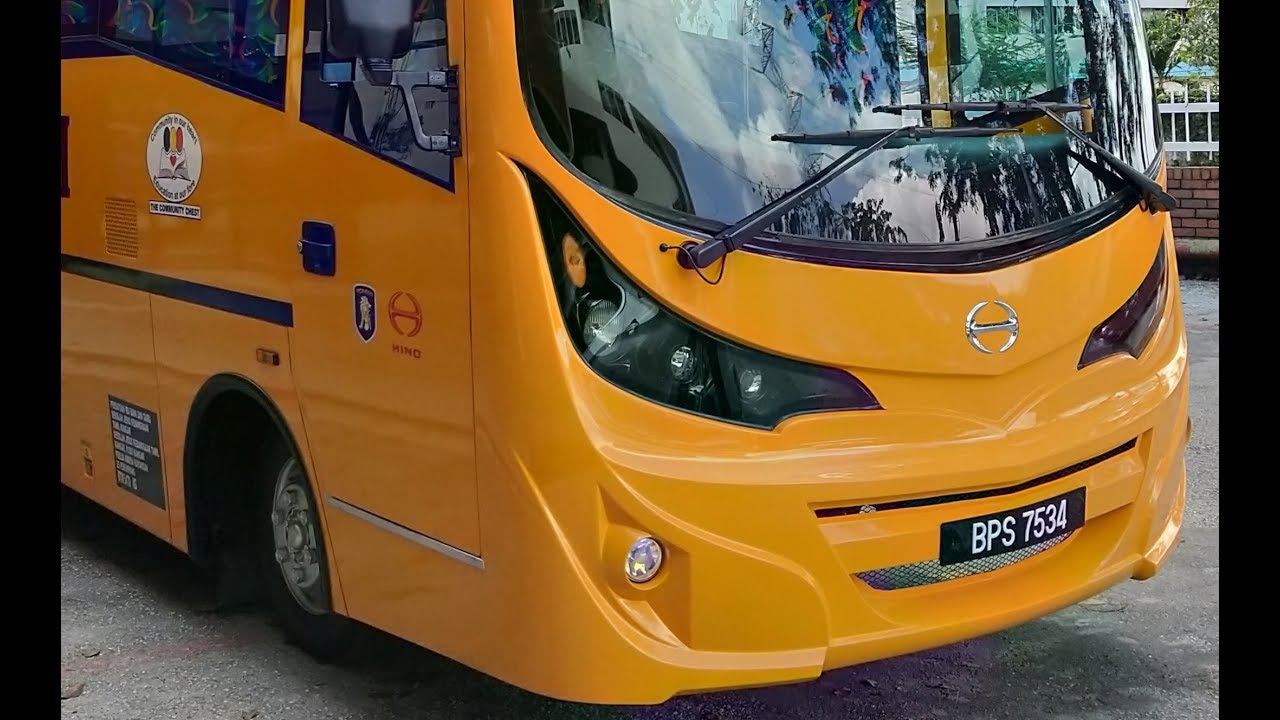
Resolute Dynamics doesn’t stop at speed. Their full suite includes:
-
GPS Tracking Systems with geofencing and route history
-
Workshop Smart Lift Monitoring for safe maintenance
-
RPM Regulators to prevent engine abuse
-
Certification services for transport compliance audits
This makes them a one-stop solution for smart fleet management in the education sector.
Why Fleet Managers Love It
Speed limiters aren’t just about safety—they’re smart business tools.
Fleet managers report:
-
Lower accident costs
-
Improved fuel economy
-
Fewer traffic fines
-
Simplified compliance with JPJ inspections
Installation is fast, maintenance is minimal, and the return on investment is clear.
Conclusion: Safety Shouldn’t Be Optional
When you send a child to school, safety should never be in question. Speed limiters make sure of that. In a world where distractions and danger are always on the road, adding one simple device can be the difference between life and death.
For any school, transport provider, or public sector fleet, investing in a certified speed limiter is no longer optional—it’s essential.
Frequently Asked Questions
Do Malaysian laws require speed limiters in school buses?
While not yet mandatory for every bus, JPJ recommends their use, and many government tenders require certified systems.
Can speed limiters be installed in older buses?
Yes. Resolute Dynamics’ systems are compatible with both modern and legacy diesel buses.
Do the devices include GPS tracking?
Absolutely. Their school bus solution includes GPS, route monitoring, and real-time alerts.
If you’re managing a fleet, now is the time to act. Choose certified, compliant, and smart safety solutions—because every child deserves a safe ride to school.