
Keeping children safe during their daily school commute is a priority shared by parents, schools, and transport companies across Canada. One of the newest solutions gaining traction in the country is the installation of speed limiters in school buses.
These small devices are making a big difference on the roads — helping prevent speeding, reducing accidents, and creating safer environments for our students.
Let’s explore what these devices are, how they work, and why they’re becoming essential in modern school transport systems.
Safer Roads Start with Smarter Buses
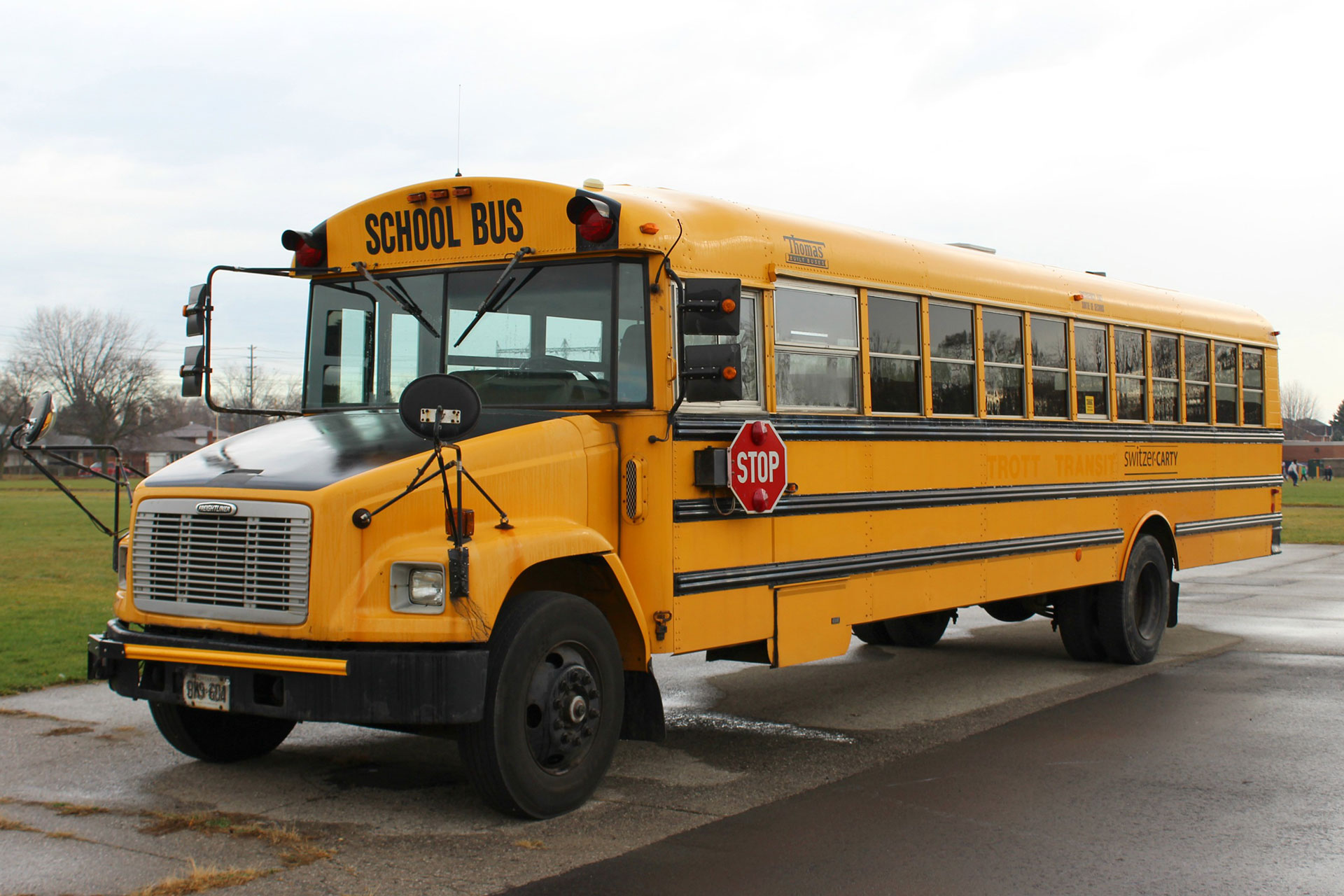
Every day, thousands of school buses hit the road across Canadian cities and rural communities. While most drivers are careful and trained, accidents can still happen — especially when speed becomes a factor. Even a few seconds of speeding in a school zone can lead to disaster.
To address this risk, more provinces are looking at speed limiter technology to create safer school bus systems. These aren’t just mechanical fixes — they’re smart, data-driven tools built to protect young passengers.
What Is a Speed Limiter and How Does It Work?
Understanding the Technology Behind Safer School Bus Travel
A speed limiter, also known as a speed governor, is an onboard electronic device that sets a hard ceiling on how fast a vehicle can travel — regardless of how aggressively the driver presses the accelerator. It’s not a suggestion; it’s a built-in restriction that the vehicle cannot override once installed and programmed.
When used in school buses, speed limiters become more than a mechanical feature — they become a life-saving system that helps protect children, other road users, and the vehicle itself.
How Resolute Dynamics Enhances This Tech
What sets Resolute Dynamics apart is their integration of speed limiting with vehicle telematics. Their devices don’t just limit speed — they collect and transmit data, offering real-time insights for fleet managers.
Features include:
-
Cloud-based dashboards to monitor bus performance
-
Driver behavior analytics
-
Compliance reports for school boards and insurers
-
Remote adjustment of limits (no need to physically access the bus)
Their systems are also tamper-proof, with built-in security protocols that prevent unauthorized changes or deactivation. This is crucial for legal compliance and student safety.
Benefits That Go Beyond Slowing Down
Installing a speed limiter in a school bus isn’t just about driving slower — it’s about system-level safety and performance:
-
Fewer accidents caused by excessive speed
-
Less engine wear from aggressive driving
-
Lower fuel consumption
-
Easier insurance claims due to digital records
-
Policy enforcement through automatic data logging
When speed limiters are combined with GPS tracking, geofencing, and smart fleet analytics, they become part of a broader movement toward intelligent transportation systems (ITS) — where buses are no longer just vehicles but part of a connected safety network.
Why Speed Limiters Matter for School Buses in Canada
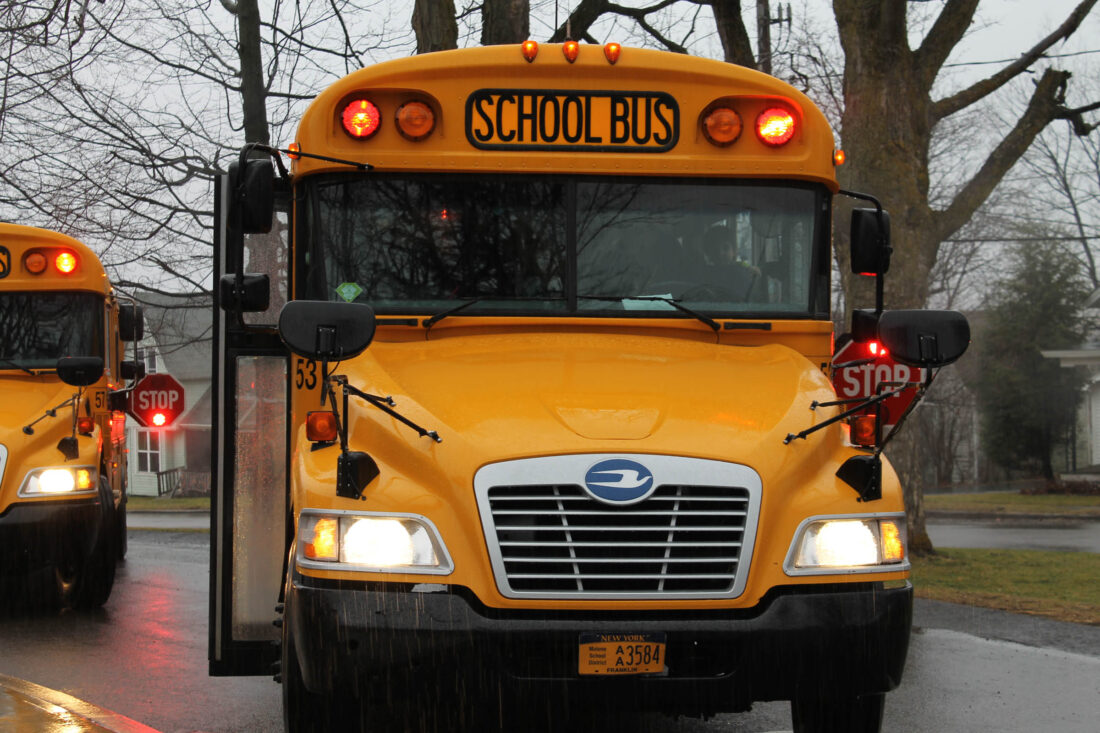
In Canada, school buses are generally very safe — but there’s always room to improve. According to road safety reports, excessive speed continues to be a leading factor in traffic collisions, even among commercial and fleet vehicles. And while school buses have a good safety record, incidents involving speeding — especially in rural or slippery conditions — still occur.
Adding speed limiters helps reduce:
-
Risk of high-speed collisions
-
Severity of accidents
-
Liability for transport companies and schools
-
Stress for parents and communities
This isn’t just about rules — it’s about building trust in the safety of our school transportation system.
Regulations and Government Initiatives in Canada
Shaping the Future of School Bus Safety Through Policy and Innovation
Canada’s transportation landscape is governed by a dual authority system — meaning that vehicle safety and road usage rules are regulated both federally and provincially. When it comes to school bus safety, and specifically speed limiters, this structure plays a key role in how laws are created, enforced, and updated across the country.
Currently, there is no uniform national mandate requiring speed limiters in all school buses, but important groundwork is being laid — especially in provinces like Ontario and Quebec — where school transportation safety has become a legislative priority.
Federal Oversight: Transport Canada’s Role
Transport Canada is the national body responsible for setting safety standards for vehicles manufactured or imported into the country. While it doesn’t directly mandate speed limiters in school buses at this time, it supports vehicle technologies that enhance safety under its Motor Vehicle Safety Regulations (MVSR).
Under MVSR, Transport Canada:
-
Encourages the adoption of Advanced Driver Assistance Systems (ADAS), including electronic speed control technologies.
-
Works with provinces to pilot safety innovations like telematics, fleet analytics, and GPS-based speed control.
-
Provides funding or guidance for research related to road safety for children, particularly in high-risk zones like school crossings and rural routes.
In short, while the federal government doesn’t enforce speed limiter use in school buses directly, it sets the tone for innovation, safety culture, and collaboration.
Provincial Regulations: The Driving Force Behind Adoption
Each province has authority over:
-
Licensing of school buses
-
Safety inspections
-
Operational rules for public and private fleets
This means rules around speed limiters vary significantly depending on where the bus operates.
Ontario: A Step Ahead
Ontario was the first province to make speed limiters mandatory for commercial vehicles in 2009, through Ontario Regulation 587/06 under the Highway Traffic Act. This law requires:
-
Commercial vehicles over 11,793 kg to be equipped with a limiter set to 105 km/h.
While this doesn’t directly include school buses in all cases, it established a legal precedent and demonstrated that enforcement and compliance are feasible.
The Ontario School Bus Association (OSBA) has publicly supported measures that make school transport safer, including:
-
Integration of GPS tracking and speed management systems
-
Greater transparency in bus driver behavior reporting
Quebec: Focused on Digital Monitoring
Quebec has begun incorporating fleet telematics into its provincial school bus programs, allowing real-time speed monitoring and geo-tracking. Though not yet legally required, some contracts between school boards and bus companies now include clauses that require:
-
Installation of electronic speed control
-
Driver compliance data reporting
This trend suggests speed limiters are becoming a soft requirement through policy integration rather than legislation.
Other Provinces: Voluntary but Growing
In provinces like British Columbia, Manitoba, and Nova Scotia, speed limiters are not yet required by law in school buses. However:
-
Some school boards are taking initiative and voluntarily adopting limiter systems.
-
Insurance companies are beginning to offer fleet discounts to operators who install them.
-
Parent advocacy groups are putting public pressure on districts to upgrade bus safety standards.
This organic adoption points to a future where speed limiting technology becomes standard, driven by a mix of public demand, technological feasibility, and liability management.
Pilot Programs and Innovation Grants
Some regions have also started pilot programs or public-private partnerships focused on improving school transport safety.
Examples include:
-
Alberta’s Smart Mobility Project, which included trials of connected vehicle systems.
-
Federal infrastructure safety grants encouraging rural school bus upgrades with digital tracking and speed control features.
-
Toronto District School Board’s safety tech initiative, which evaluated onboard monitoring systems including speed control.
These programs may pave the way for broader legislation and help smaller districts adopt safety tools that were previously cost-prohibitive.
Why Legislation Is Taking Time
There are a few key reasons why universal mandates for speed limiters in school buses haven’t yet become law:
-
Jurisdictional complexity – Provinces want to retain control over their own transportation systems.
-
Cost and retrofitting challenges – Many school bus fleets include older vehicles that aren’t compatible with electronic limiters without costly upgrades.
-
Operator pushback – Some bus companies worry about reduced flexibility or delays in emergency situations.
Still, the direction is clear: as costs fall and safety benefits rise, provincial ministries are moving steadily toward a tech-first approach in school transportation safety.
The Road Ahead: Toward a National Safety Framework
With rising public concern about child safety, and advancements in vehicle safety technologies, experts believe it’s only a matter of time before Canada introduces a unified school bus safety framework.
This could include:
-
National performance standards for speed limiters
-
Mandated GPS-enabled limiter systems for school fleets
-
Requirements for telematics data storage and compliance audits
-
Annual reports on student transport safety metrics
As of now, industry leaders like Resolute Dynamics are helping set the standard through innovation — offering fully compliant, customizable solutions that can help school districts stay ahead of future laws.
Resolute Dynamics: A Canadian Leader in School Bus Safety
Engineering Safer Roads Through Innovation and Intelligence
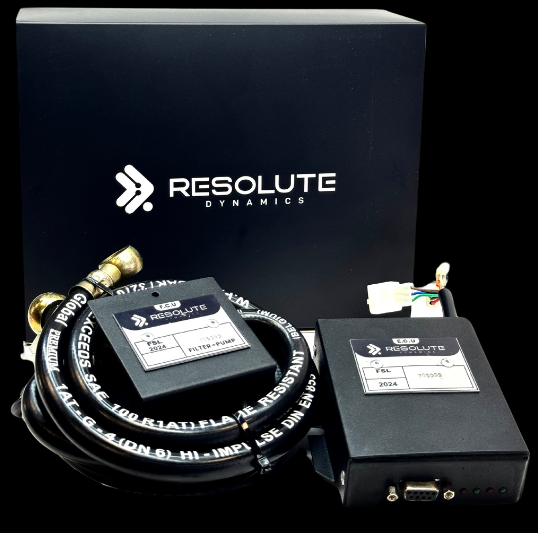
In a world where school transportation safety is no longer optional but essential, Resolute Dynamics has emerged as a pioneering force. More than just a manufacturer of vehicle safety devices, this company is helping reshape the way Canadian school buses operate — through technology, precision, and a deep understanding of on-road realities.
What makes Resolute Dynamics stand out isn’t just the hardware they build — it’s the ecosystem of intelligent safety systems they offer, tailored to the unique needs of school transport providers across Canada.
Tailored Safety for Canadian School Fleets
Resolute Dynamics doesn’t believe in one-size-fits-all. Their School Bus Safety Solutions are designed specifically for Canadian school buses, with a sharp focus on:
-
Regional traffic laws
-
Varying speed zones
-
Urban vs. rural driving conditions
-
Fleet compliance and data auditing
With this localized approach, schools and private bus operators don’t just get a tool — they get a solution that fits their province’s operational framework and legal requirements.
What Sets Resolute Apart from Other Vendors
While there are other companies that sell speed limiters, Resolute Dynamics offers a multi-layered system that goes far beyond basic throttle control.
1. Customizable Speed Profiles by Route or Zone
Each school route is unique. A bus might pass through:
-
40 km/h school zones
-
60 km/h residential streets
-
80 km/h rural highways
With Resolute’s solution, the system can be programmed to adapt the speed cap based on location. These limits aren’t just set manually — they can be linked to GPS data and mapping overlays, creating dynamic speed zones that change automatically during the trip.
2. Dual-Speed Limiter Functionality
Unlike traditional systems that only offer one fixed limit, Resolute’s solution supports dual-speed logic. This means:
-
One speed cap is used under normal conditions (e.g., 80 km/h on clear roads)
-
Another activates in sensitive areas (e.g., 50 km/h near schools or playgrounds)
Drivers don’t need to toggle switches or remember rules — the system makes the adjustment seamlessly and automatically.
3. Integrated GPS and Live Fleet Monitoring
All systems come with built-in GPS tracking, enabling:
-
Live location monitoring
-
Speed violation alerts
-
Route deviation reports
-
Time-stamped journey records
This kind of telematics integration means transport managers and school boards can track every vehicle in real time, ensuring full transparency and accountability.
4. Compliance-Ready with Canadian Safety Standards
Whether you operate in Ontario, Alberta, or Nova Scotia, compliance matters. Resolute’s products are built to:
-
Align with provincial transportation laws
-
Support auditable data for inspections or legal purposes
-
Help meet fleet insurance requirements for safety technologies
Their systems are certified, tested, and optimized to meet the performance expectations of Canadian regulators and school boards.
Tamper-Proof and Fail-Safe Engineering
One of the common concerns with aftermarket safety systems is the possibility of tampering or failure. Resolute addresses this head-on.
-
Tamper-Resistant Design: All limiter units are protected with secure encryption and hardware locking mechanisms. Unauthorized personnel can’t modify the settings or disable the unit without approved access.
-
Fail-Safe Redundancy: In the rare event of GPS signal loss or technical issues, the system defaults to the most conservative speed cap — ensuring continuous protection, even in dead zones.
This makes Resolute’s solution reliable under all operating conditions, from snowy mountain roads to dense downtown corridors.
Smart Dashboard for Fleet Managers
For school boards, contractors, and transport safety officers, having visibility into the daily operation of each bus is a game-changer. Resolute provides a cloud-based fleet dashboard where managers can:
-
View speed limit compliance logs
-
Analyze driver behavior trends
-
Download reports for audits or insurance purposes
-
Receive real-time alerts for critical events
This data can also support ongoing driver training programs, helping operators identify areas for improvement and reward safe driving behavior.
A Platform, Not Just a Product
What makes Resolute Dynamics different is that they don’t treat their system as just a piece of hardware. Their speed limiter solution is part of a comprehensive safety platform, designed to integrate with:
-
Other ADAS systems (Advanced Driver Assistance Systems)
-
Child-check systems
-
Stop-arm enforcement cameras
-
Remote diagnostics
For schools and operators looking to future-proof their fleet, this kind of modular, scalable system is exactly what’s needed.
Built on Canadian Engineering Excellence
Headquartered in Canada, with a strong R&D presence, Resolute Dynamics reflects the country’s engineering talent and commitment to innovation-driven safety. Their work combines:
-
Precision electronic design
-
Software development for embedded vehicle systems
-
Expertise in fleet safety operations
The result? A product line that is not only technologically advanced but also built to withstand the real-world conditions Canadian school buses face every day — from freezing temperatures to bumpy rural roads.
Technology Behind Resolute’s Speed Limiters
Resolute Dynamics builds more than just limiters — they design smart electronic ecosystems for vehicles. Their school bus safety systems blend multiple technologies:
-
Electronic Control Modules (ECMs) for speed management
-
GPS units for location-based automation
-
Telematics dashboards for data tracking and fleet reporting
-
Dual-speed protocols for dynamic zone-based regulation
This kind of system ensures buses automatically slow down in sensitive areas — without relying on driver memory or reaction time. It’s a mix of automation, accountability, and engineering excellence.
Key Benefits for School Boards and Transport Providers
Why should school districts invest in this technology? Beyond protecting lives, speed limiters offer tangible benefits:
-
Lower fuel costs due to smoother driving
-
Reduced maintenance from less engine strain
-
Fewer insurance claims and liabilities
-
Peace of mind for parents and administrators
-
Audit-ready data for compliance reviews and incident reports
With integrated GPS and fleet tracking, transport managers also gain insights into driver behavior, bus routes, idle times, and more.
FAQ
Can drivers disable the speed limiter?
No. Once installed, Resolute’s systems are tamper-proof and password-protected.
Will it make routes longer?
Not really. Most school routes already follow low-speed patterns. Limiters just ensure they stay consistent, even if there’s a rush.
Does this invade student privacy?
No. GPS tracking is focused on vehicle location and performance — not student data.
Is it expensive?
It’s a smart long-term investment. When you consider fuel savings, fewer repairs, and reduced accident risk, most districts see a quick return.
Conclusion
Speed limiters in school buses aren’t just gadgets — they’re guardians on the road. As school districts across Canada look for smarter ways to protect their students, these systems offer a proven solution.
From reducing speed-related accidents to building trust with parents, speed limiters are helping school transportation take a bold step forward. And with innovators like Resolute Dynamics leading the charge, Canadian roads are set to become safer for the children who depend on them every day.