
Fleet safety in Canada is no longer just about good driving. It’s about data. It’s about knowing where your vehicles are, how they’re being driven, and making sure every trip follows both safety protocols and the law.
That’s where GPS telematics steps in. As Canada tightens its transportation rules, especially around electronic logging and speed management, GPS telematics has become more than helpful — it’s becoming essential.
Let me walk you through what this means, how it works, and why companies like Resolute Dynamics are helping fleets adapt fast.
A New Era of Fleet Safety in Canada
Canadian roads are changing. Not just physically, but digitally. With the rise in commercial vehicle traffic and a strong push toward safer highways, Transport Canada and other provincial regulators are rolling out stricter safety and compliance rules.
One big focus? Real-time monitoring of commercial fleets using GPS-based telematics systems.
Whether you run a fleet of delivery vans, heavy trucks, or school buses, the expectation is simple: Know where your vehicles are, ensure they’re driven responsibly, and be ready to prove it.
What is GPS Telematics & How It Works in Fleet Safety
Imagine having a digital window into every vehicle in your fleet — not just to know where it is, but how it’s being driven, how the engine is performing, and whether it’s following safe driving practices. That’s what GPS telematics gives you.
At its core, telematics is the fusion of two technologies:
-
Telecommunications (the ability to transmit data wirelessly), and
-
Informatics (the processing and analysis of data).
When paired with GPS (Global Positioning System), telematics becomes a powerful tool that tracks, monitors, and reports on vehicles in real time — and that’s exactly what modern fleet safety relies on.
How Does GPS Telematics Work?
Here’s a breakdown of how a typical GPS telematics system functions:
-
Hardware Installation (Telematics Control Unit – TCU):
A small device, usually called a TCU or vehicle tracking device, is installed in the vehicle. It connects to the vehicle’s onboard diagnostics system (OBD-II or CAN bus) and captures data from the engine and other sensors. -
Data Collection:
The device continuously gathers information such as:-
Vehicle location (via GPS satellites)
-
Speed and direction
-
Acceleration and braking patterns
-
Engine RPM and diagnostics
-
Fuel consumption
-
Seatbelt usage
-
Idling time
-
Gear shifting patterns
-
-
Wireless Data Transmission:
Using cellular networks (3G, 4G, or now 5G), the device sends this data to a secure cloud server in real time or at scheduled intervals. -
Cloud-Based Fleet Platform:
Fleet managers log in to a web-based dashboard or mobile app to access live data, view interactive maps, analyze reports, and receive alerts. -
Data Analysis & Alerts:
Smart algorithms process this raw data into meaningful insights. The system can trigger automatic alerts for:-
Speed limit violations
-
Harsh braking or cornering
-
Long idling times
-
Maintenance reminders
-
Geofence breaches (e.g., entering or leaving restricted zones)
-
What Kind of Data Does It Provide?
GPS telematics doesn’t just tell you where your vehicle is. It builds a 360-degree operational profile, which includes:
| Data Type | What It Tells You |
|---|---|
| Location Data | Real-time position, trip routes, and GPS-based geofences |
| Driver Behavior | Speeding, rapid acceleration, harsh braking, cornering habits |
| Vehicle Health | Engine fault codes, battery status, fuel levels |
| Operational Metrics | Mileage, idle time, stop durations, delivery schedules |
| Environmental Impact | Carbon emissions tracking based on fuel consumption |
Why It Matters for Fleet Safety
Now let’s talk about the “why.” Simply knowing where a truck is isn’t enough anymore. Safety depends on proactive insights, not just passive tracking.
Here’s how GPS telematics enhances fleet safety:
-
Driver Behavior Monitoring:
Risky behaviors like speeding, tailgating, or harsh braking can be identified and corrected. Over time, this creates a safer driving culture across your fleet. -
Real-Time Incident Prevention:
Live alerts allow dispatchers to intervene if a driver is violating company policies or entering unsafe zones. -
Accident Investigation & Liability Protection:
If an incident occurs, telematics data can reconstruct the event — showing speed, brake pressure, and location. This can protect your company in insurance claims or legal matters. -
Maintenance Scheduling:
Predictive maintenance based on engine diagnostics prevents breakdowns and reduces roadside emergencies. -
Compliance with Regulations:
Data from telematics systems can be used to automate compliance reports for:-
Transport Canada ELD mandates
-
Hours of service (HOS)
-
Speed limiter laws
-
Vehicle inspection records
-
The Technology Behind the Scenes
For readers curious about the technical stack, GPS telematics systems are built on several integrated technologies:
-
Global Navigation Satellite Systems (GNSS) for location accuracy (GPS, GLONASS, Galileo)
-
Cellular IoT Modules for wireless data transfer
-
CAN bus & OBD-II Interfaces to extract vehicle performance data
-
Encrypted Cloud Storage to protect sensitive fleet data
-
AI-based Algorithms for data pattern recognition and predictive analytics
Example Use Case
Let’s say you manage a fleet of 20 school buses in Ontario. Each bus is fitted with a Resolute Dynamics GPS device linked to a speed limiter.
You log into the dashboard and notice one driver consistently brakes hard at a certain intersection. With this insight, you review the route, adjust the approach, and coach the driver on smoother driving.
Result? Less wear on brakes, a safer ride for students, and compliance with Transport Canada safety guidelines — all thanks to GPS telematics.
Canada’s Emerging Regulatory Framework for Fleet Compliance

Canada is undergoing a shift in how it regulates commercial vehicle operations. Fleet safety is no longer just a company policy — it’s increasingly shaped by national and provincial mandates that focus on technology-driven compliance, data transparency, and real-time safety enforcement.
The push toward digital oversight is especially strong in sectors like freight transport, school transportation, and interprovincial trucking. And with GPS telematics at the core of many of these new compliance standards, understanding the regulatory landscape is crucial for any fleet operator in Canada.
Let’s break it down.
1. The ELD Mandate (Electronic Logging Devices)
The Canadian ELD mandate, enforced by Transport Canada, came into effect in June 2021 (with phased enforcement beginning in 2022 and tightening into 2023–2024). It applies to federally regulated motor carriers, such as long-haul trucking companies that operate across provincial or national borders.
Key Requirements:
-
Commercial drivers must use certified Electronic Logging Devices to automatically track Hours of Service (HOS).
-
Manual logbooks are no longer accepted for these carriers.
-
Devices must be certified by an independent third party — a stricter approach than the U.S. model.
Why It Matters:
-
This rule combats driver fatigue, one of the leading causes of highway accidents.
-
ELDs track driving hours, rest periods, and violations — helping fleet managers stay compliant and reducing roadside inspections.
-
Telematics systems with built-in ELD capabilities (or integration options) streamline this process.
2. Speed Limiter Laws (Ontario & Quebec)
Since 2009, both Ontario and Quebec have mandated that most heavy commercial trucks must be equipped with speed limiters.
What the Law Says:
-
All trucks over 11,794 kg (26,000 lbs) must have a speed limiter activated and set at 105 km/h (65 mph).
-
This applies to vehicles operating within or through these provinces, regardless of the base of the carrier.
-
Speed limiters must be tamper-proof and subject to roadside checks by Ministry of Transportation (MTO) officers.
Enforcement:
-
Officers can plug into the truck’s ECM (engine control module) to verify compliance.
-
Fines for non-compliance can be significant, often exceeding $350 to $1,000 per violation.
Why It Matters:
-
GPS telematics integrated with speed governance systems helps enforce and monitor speed caps in real time.
-
With dual-speed limiters, fleets can manage speed thresholds based on location — ideal for mixed-use fleets.
3. School Bus Safety Regulations
School buses in Canada are held to some of the strictest safety standards — and rightly so. Provincial ministries, such as Ontario’s Ministry of Education and Alberta Transportation, require enhanced monitoring of student transport vehicles.
Common Provincial Rules:
-
Speed Governors must be installed and active.
-
GPS tracking is recommended or mandated for live monitoring.
-
Some provinces require geofencing around pickup/drop-off zones.
-
Engine diagnostics and safety alerts must be accessible for maintenance and audits.
Why It Matters:
-
Student safety is a top public concern. Using telematics allows real-time oversight of bus routes, driving behavior, stop durations, and speed.
-
In emergency situations, dispatchers can locate buses instantly and coordinate response efforts faster.
4. Fleet Maintenance & Inspection Documentation
Whether you’re operating a logistics fleet, utility vehicles, or buses, Canada requires strict documentation of vehicle upkeep. These aren’t just paper forms anymore.
Key Mandates:
-
Daily Vehicle Inspection Reports (DVIR) must be conducted and recorded.
-
All vehicles must undergo scheduled preventive maintenance with records accessible for up to 6 months or longer, depending on the province.
-
Inspection records must include brake checks, steering components, lights, tires, and suspension.
Why It Matters:
-
Failing to provide records can lead to failed audits, vehicle impoundment, or company suspension.
-
GPS telematics systems with diagnostics monitoring and digital maintenance logs reduce paperwork and prevent errors.
For example, Resolute Dynamics’ systems can alert fleet managers when a fault code appears or a vehicle is due for inspection, allowing them to proactively maintain compliance.
The Role of Telematics in Compliance
The common thread across all these regulations? Data.
Canadian regulators want digital visibility into how fleets operate. GPS telematics makes that possible.
With the right system, you can:
-
Automate daily driver logs and trip reports
-
Store and retrieve data for audits instantly
-
Generate compliance reports for Transport Canada
-
Receive real-time alerts for violations or equipment faults
-
Prove legal compliance during roadside inspections
Penalties for Non-Compliance
If your fleet fails to comply with these regulations, the risks are serious:
| Violation | Potential Penalties |
|---|---|
| No ELD device or false HOS logs | $1,000–$5,000 per driver/incident |
| Speed limiter deactivation | $350–$1,000 fines, possible vehicle seizure |
| Missing DVIR or inspection records | CSA score impact, license suspension |
| School bus violations | Loss of contract, license suspension, legal liability |
Don’t Forget: Privacy & Legal Boundaries
While telematics helps ensure compliance, you must also follow privacy laws like PIPEDA (Personal Information Protection and Electronic Documents Act).
That means:
-
Informing drivers that monitoring is in place
-
Securing data storage and access logs
-
Not misusing GPS tracking to violate employee rights
-
Retaining only the data you need for compliance
Using a telematics provider that builds privacy and security into the platform is essential. Resolute Dynamics, for example, ensures data encryption, admin-level access controls, and compliance with Canadian data protection standards.
Benefits of GPS Telematics for Fleet Safety & Compliance
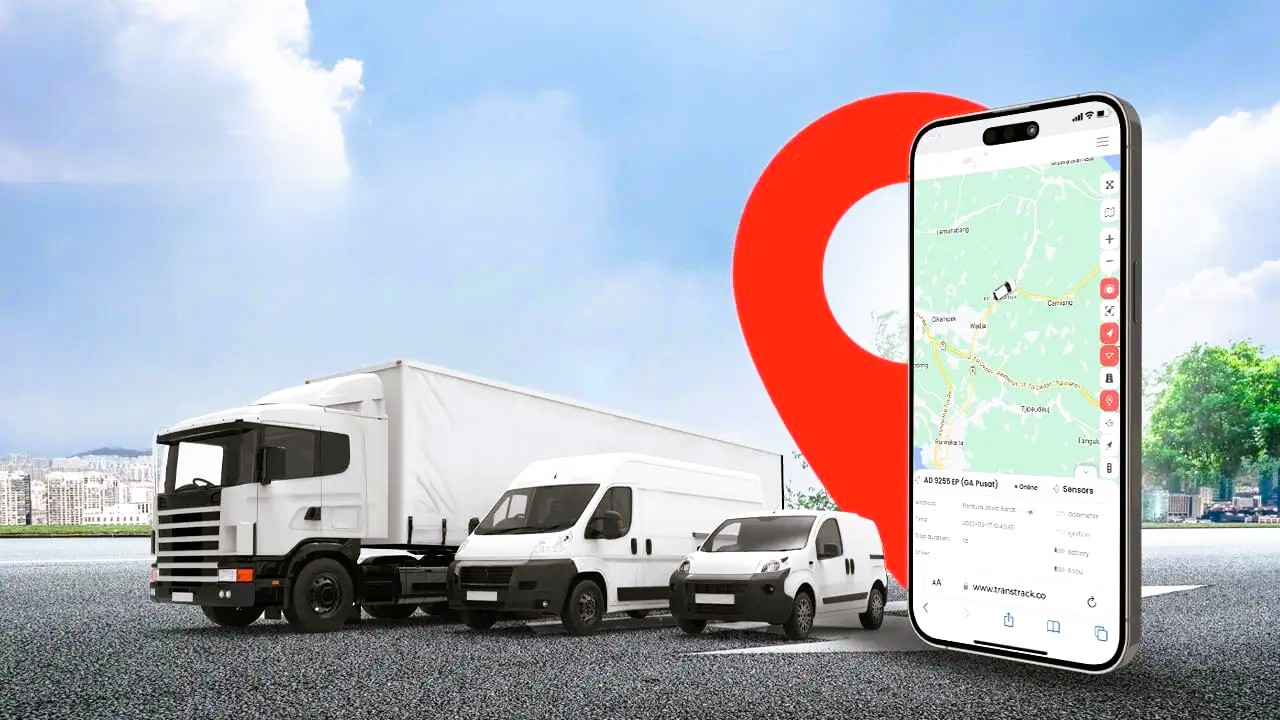
The right telematics system changes everything. Here’s how:
1. Fewer Accidents
With tools like real-time alerts, you can catch unsafe driving before it leads to trouble — speeding, harsh braking, or aggressive cornering. Safer driving means fewer crashes.
2. Driver Accountability
Drivers know their actions are being tracked fairly and consistently. This encourages better behavior and allows for coaching when needed.
3. Cost Savings
Lower insurance rates. Less fuel waste. Fewer repairs. With telematics, the savings often outweigh the upfront costs quickly.
4. Better Compliance
Digital logs, automatic reports, and integration with systems like speed limiters or dual-speed control make it easier to stay in line with federal and provincial rules.
5. Improved Customer Service
You can give clients accurate ETAs, proof of delivery, or updates in real-time — all thanks to GPS visibility.
How Resolute Dynamics Aligns with Canada’s Safety Standards
Resolute Dynamics isn’t just making gadgets. They’re building intelligent safety systems designed for real-world conditions — especially in Canada.
Here’s how their tech fits in:
-
GPS Tracking Systems: These are rugged, versatile, and designed for commercial fleets. They provide live data, historical trip reports, and real-time alerts.
-
Speed Limiter Solutions: Their devices help enforce Canada’s speed compliance rules. Ideal for trucks and school buses, these systems cap speeds reliably.
-
Dual-Speed Limiters: Especially useful in mixed terrain, they let fleets control speed in different zones — urban vs. rural, for example.
-
Smart Integration: Resolute’s systems are built to work together — GPS, speed control, and even smart lift monitoring for workshops.
When compliance isn’t optional, tech like this becomes your best friend.
Case Example: How One Fleet Adapted
A mid-size logistics company in Alberta was facing penalties for poor recordkeeping and speeding violations. After switching to a GPS telematics system with speed limiters, they saw:
-
A 40% drop in driver violations
-
Zero compliance fines in the first year
-
Increased driver retention due to coaching and transparency
They didn’t just get “compliant.” They became safer, more efficient, and more trusted by their clients.
Key Features to Look for in a Compliant GPS Telematics System
Not all systems are created equal. If you’re choosing one, make sure it checks these boxes:
-
Real-time Tracking with high location accuracy
-
Speed Monitoring with alert customization
-
Integration with Speed Limiters or other safety tech
-
Cloud-Based Data Storage with strong security
-
Custom Reports for audits or compliance reviews
-
Scalability to support your fleet as it grows
-
Driver Privacy Controls to balance monitoring with respect
Future Trends in Telematics and Safety Regulation
Telematics is only getting smarter. In the next few years, expect:
-
AI-Driven Safety Scores: Systems will not only track behavior but predict risk.
-
Vehicle-to-Infrastructure (V2I) Tech: Fleets will “talk” to traffic lights, speed signs, and more.
-
Stronger Cybersecurity Measures: As vehicles become data hubs, protection will be key.
-
Zero-Fatality Programs: Governments may tie telematics adoption to national Vision Zero goals.
Canada is moving fast — and fleets that adapt early will have the upper hand.
FAQs
Do I need GPS telematics to be compliant in Canada?
For many fleets, especially those under federal rules, telematics is strongly recommended or required (like ELDs). Even when not mandatory, it helps prove compliance.
How does it work with speed limiters?
When integrated, the system can enforce speed caps while tracking real-time data — perfect for provinces with speed limiter laws.
What’s the difference between GPS tracking and full telematics?
GPS tracking shows location. Telematics shows behavior, diagnostics, and compliance data — it’s the full picture.
Conclusion: GPS Telematics is the Future of Fleet Safety in Canada
Compliance isn’t a checkbox anymore. It’s a moving target shaped by data, tech, and policy. If you’re running a fleet in Canada, GPS telematics isn’t just an upgrade — it’s your best strategy for safer roads, better business, and full regulatory peace of mind.
Whether you’re managing five trucks or fifty, the path to smarter, safer fleet operations starts with knowing more — and acting on it. Telematics helps you do both.