
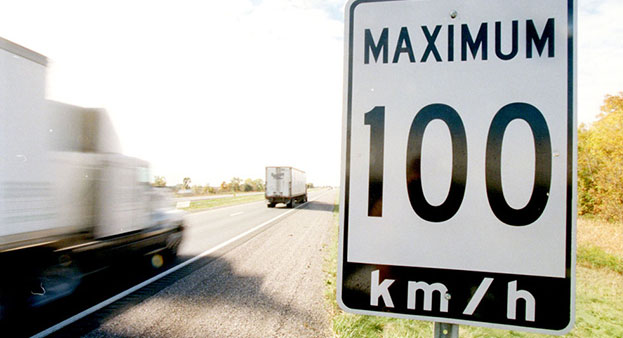
If you operate a commercial vehicle in Canada, 2025 is a year you can’t afford to ignore. Provinces like British Columbia, Ontario, and Quebec are rolling out stricter speed limiter laws aimed at improving road safety, reducing fuel consumption, and cutting down greenhouse gas emissions.
Speed limiters in canada are no longer just good-to-have tech—they’re becoming mandatory. And if you’re running a fleet or managing school buses, staying compliant isn’t just about avoiding fines. It’s about protecting lives, reducing liability, and keeping your operations legal and efficient.
Let’s break down what’s changing and how you can stay ahead of the game.
Canada’s National Speed Limiter Regulation Framework
In 2025, Canada is entering a new phase of commercial road safety. While each province still manages its own transportation rules, there’s growing national pressure for uniform speed limiter laws, especially for heavy-duty commercial vehicles.
At the heart of this movement is Transport Canada, the federal authority responsible for setting national transportation policies and vehicle safety standards. Over the past few years, Transport Canada has been working closely with provincial ministries, safety experts, and commercial fleet operators to create a more cohesive framework around speed limiter usage.
Let me walk you through what this means and why it matters.
What Is the Federal Speed Limiter Strategy All About?
The federal initiative focuses on a few critical goals:
1. Reducing Greenhouse Gas (GHG) Emissions
Heavy-duty trucks are some of the biggest emitters on Canadian roads. By capping their top speeds, Canada expects to:
-
Lower fuel consumption
-
Cut carbon dioxide (CO₂) and nitrogen oxide (NOx) emissions
-
Help meet climate targets set under international agreements like the Paris Accord
In fact, studies have shown that dropping a truck’s cruising speed from 110 km/h to 105 km/h can reduce fuel use by up to 5%, which translates to huge savings across large fleets—and a significant reduction in emissions.
2. Enhancing Road Safety Nationwide
Speeding remains a major factor in fatal collisions involving commercial vehicles. The national framework pushes for speed limiters as a proactive safety control, especially for:
-
Long-haul trucks
-
Interprovincial transport carriers
-
Buses and commercial fleets carrying passengers or goods
3. Aligning with Global Best Practices
Canada isn’t alone in this. The European Union already mandates electronic speed limiters on most heavy vehicles. The United States is actively considering a similar rule through the Federal Motor Carrier Safety Administration (FMCSA).
By standardizing its own speed limiter policy, Canada is:
-
Making it easier for cross-border fleets to comply with both Canadian and U.S. law
-
Aligning vehicle manufacturing standards with global OEMs (original equipment manufacturers)
Which Vehicles Fall Under Federal Consideration?
Transport Canada’s guidelines suggest the following vehicles should be required to have speed limiters:
-
Commercial trucks with a gross vehicle weight rating (GVWR) of 11,794 kg or more
-
Buses designed to carry 10 passengers or more
-
Vehicles used for interprovincial trade or international transport
This definition covers the majority of fleet vehicles used in long-haul logistics, construction, waste management, school transportation, and municipal services.
The Role of Telematics and Digital Logging
One of the most advanced aspects of the 2025 framework is the emphasis on telematics—the integration of vehicle tracking systems, engine diagnostics, and real-time data logging.
Speed limiters will no longer just cap the top speed. They’ll also:
-
Log when and where speeding attempts occurred
-
Record driver behavior patterns
-
Provide digital proof of compliance for audits and roadside inspections
These data points can be accessed via on-board diagnostic ports (OBD-II) or cloud-based platforms, making it easier for enforcement agencies and fleet managers to monitor performance.
Companies like Resolute Dynamics are already ahead of the curve, offering GPS-enabled speed limiter systems with built-in telematics, terrain-adaptive controls, and tamper-proof configurations.
Federal vs. Provincial Responsibility: How It Works
Canada’s Constitution splits vehicle regulation responsibilities between federal and provincial governments.
| Jurisdiction | Responsibility |
|---|---|
| Federal (Transport Canada) | Sets national policy, emissions targets, and interprovincial standards |
| Provincial (e.g., MTO in Ontario, CVSE in BC) | Enforces compliance, inspects vehicles, issues fines and permits |
So, while Transport Canada doesn’t directly enforce speed limiter usage in every province, it strongly influences the laws that provinces implement. This is why you’re seeing synchronized updates across Ontario, British Columbia, and Quebec for 2025.
Speed Cap: Why 105 km/h?
The recommended speed cap for heavy commercial vehicles in Canada is 105 km/h (65 mph).
Why not 100 or 110?
According to safety experts and Transport Canada data:
-
105 km/h strikes the best balance between fuel efficiency and travel time
-
It aligns with existing commercial speed limits in most provinces
-
It helps reduce the severity of accidents without disrupting freight schedules
This standardized limit also mirrors the existing rules in Ontario, which have been in place since 2009, and it is the same limit being encouraged across provinces moving forward.
What Happens If You Don’t Comply?
Although the penalties are enforced at the provincial level, non-compliance with federally influenced speed limiter laws could result in:
-
Hefty fines (up to $2,000 or more)
-
Vehicle impoundment
-
Insurance rate increases
-
Legal liabilities in case of accidents
And if your vehicles operate across multiple provinces, lack of compliance in one region could hurt your entire operation—from customer trust to federal audit risks.
Key Takeaways
-
Canada’s federal government is leading the way toward mandatory speed limiter use in commercial vehicles.
-
The strategy supports climate goals, road safety, and interprovincial regulation consistency.
-
Affected vehicles include heavy trucks, school buses, and fleet vehicles over 11,794 kg.
-
Speed limiters will need to be digitally monitored, tamper-resistant, and certified.
-
The standard speed cap is 105 km/h, in line with global safety practices.
British Columbia (BC) 2025 Speed Limiter Laws: What Fleet Operators Need to Know
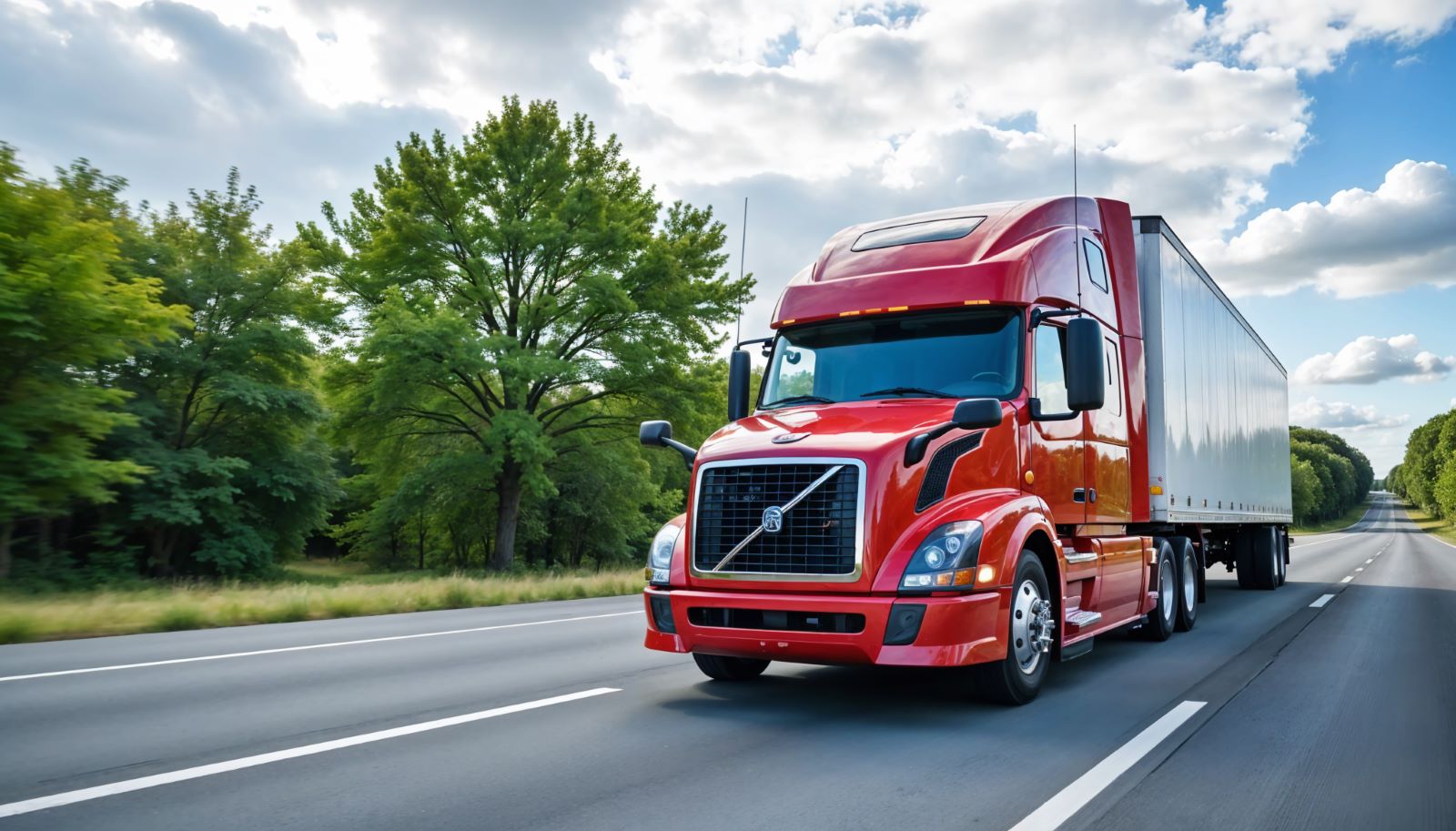
British Columbia has taken a slightly more cautious approach but is quickly catching up. In 2025, all commercial vehicles over 11,794 kg (26,000 lbs) must have certified speed limiters installed.
Key highlights:
-
Enforcement will be handled through CVSE (Commercial Vehicle Safety and Enforcement) officers.
-
Speed limiters must be tamper-proof and capable of digital verification.
-
Roadside inspections will include speed limiter checks, and non-compliance can lead to heavy fines and vehicle downtime.
BC is also encouraging the use of dual-speed limiters that adjust limits based on road types—something especially useful given the province’s mountainous terrain.
Ontario Speed Limiter Law Update: Enforcement & Compliance in 2025
Ontario has had speed limiter laws in place since 2009, but 2025 brings stricter enforcement and updated tech requirements.
What’s new:
-
All trucks manufactured after 1995 and operating in Ontario must have a working limiter set at 105 km/h.
-
Starting in 2025, Ontario will require digital proof of speed limiter calibration.
-
The Ministry of Transportation (MTO) will partner with enforcement agencies to conduct roadside audits using OBD (on-board diagnostics) data.
Fleet managers must now ensure their vehicles are equipped with certified limiter software that meets both federal and provincial standards.
Quebec’s Speed Limiter Regulations for 2025
Quebec is leading the way in tech-based compliance. In 2025, all commercial vehicles over 11,794 kg must have certified speed limiters, but the province is going one step further.
What Quebec requires:
-
Vehicles must have a speed limiter certificate issued by a licensed installer.
-
Telematics data must be stored for at least six months and made available during inspections.
-
School buses and municipal transport vehicles must use smart speed limiters that adapt based on zones (like school areas or urban centers).
Quebec’s SAAQ (Société de l’assurance automobile du Québec) will enforce the rules and offer digital portals for compliance submissions.
What Types of Vehicles Are Affected?
Not every vehicle needs a limiter, but a growing list does:
-
Transport trucks over 11,794 kg
-
School buses
-
Municipal service vehicles
-
Fleet vehicles used for delivery, logistics, or construction
Passenger vehicles aren’t affected yet, but don’t be surprised if the laws expand in the future. Some experts believe eco-driving mandates for personal cars could follow.
The Role of Technology in Compliance: How Resolute Dynamics Helps
Let’s face it—regulations can feel overwhelming, especially when they change across provinces. But thanks to modern technology, staying compliant in 2025 doesn’t have to be a nightmare. In fact, for forward-thinking fleet operators, it’s becoming an opportunity to streamline operations, improve driver safety, and cut long-term costs.
That’s where companies like Resolute Dynamics come in.
We’re not just talking about generic plug-and-play devices here. Resolute Dynamics is helping lead the charge with smart, adaptive speed limiter solutions that meet—and often exceed—Canada’s evolving legal requirements. These aren’t just regulatory boxes to tick. These are tools built for the real world, where safety, efficiency, and data all matter.
Let’s dive into how this technology is making compliance smarter—and a lot more practical.
Dual-Speed Limiters for Terrain-Based Control
Canada isn’t flat. Your fleet isn’t always driving down the 401 or Trans-Canada Highway. Mountain ranges, hilly rural zones, and urban congestion all demand different driving behaviors.
That’s why dual-speed limiters are game-changers. Resolute Dynamics’ systems can:
-
Automatically adjust maximum speed based on terrain type
-
Switch between urban, highway, and off-road speed settings
-
Prevent over-speeding on steep downhill slopes, where heavy loads can become deadly
This is especially useful in British Columbia, where mountainous terrain increases brake wear and accident risks. The limiter adapts to road conditions in real time—reducing human error without disrupting delivery schedules.
School Zone & Urban Area Auto-Adjustment
Fleet vehicles, especially school buses and municipal service trucks, often operate in sensitive areas—where speed limits change quickly, sometimes block by block.
Resolute Dynamics’ limiters use GPS geo-fencing to:
-
Detect when the vehicle enters a school zone, construction area, or urban corridor
-
Instantly adjust the speed cap to the legally required limit
-
Alert the driver (audible or visual cue) to promote situational awareness
This feature is more than a bonus—it’s fast becoming a regulatory expectation in provinces like Quebec, where local compliance requirements are getting more granular by the year.
Built-in Telematics for Audit Readiness
Here’s where compliance meets convenience.
With provincial regulations demanding digital proof of limiter settings, calibration records, and operational logs, Resolute Dynamics integrates advanced telematics modules into its limiter systems.
These modules automatically:
-
Log date-stamped speed data and driver behavior analytics
-
Track and store attempted tampering incidents
-
Create a secure audit trail for roadside inspections or annual reviews
-
Send real-time data to fleet management software or cloud dashboards
Whether you’re pulled over by an enforcement officer in Ontario or need to submit inspection data to Quebec’s SAAQ, you’ll have verifiable, tamper-proof digital records ready to go.
This isn’t just helpful—it could mean the difference between passing or failing a fleet audit.
Speed Limiter Certificates & Provincial Compliance
Each province has its own process for certification. Ontario and Quebec now require:
-
Official speed limiter certificates
-
Installation proof from licensed technicians
-
Calibration records to verify limiter accuracy
Resolute Dynamics provides:
-
Certified installation services
-
Automatic digital certificate generation
-
Integration with local compliance platforms for easy uploads
This ensures you’re not scrambling for paperwork or dealing with red tape when you’re on the road. With everything stored digitally and securely, staying compliant becomes a routine part of operations—not a disruption.
Why Fleet Managers Are Choosing Smart Limiters
Let’s put it in plain terms—Resolute’s speed limiter technology isn’t just about following the rules. It’s about:
-
Reducing fuel waste by eliminating unnecessary speeding
-
Protecting drivers and vehicles from preventable accidents
-
Lowering insurance premiums through proactive risk management
-
Avoiding regulatory penalties that could cost thousands
When integrated into a broader fleet telematics ecosystem, these limiters help managers:
-
Monitor KPIs like fuel usage, idle time, and route efficiency
-
Predict maintenance needs based on driving behavior
-
Improve driver training using real data
In other words, you’re not just installing a device. You’re upgrading your entire fleet’s intelligence.
How to Prepare Your Fleet Before the 2025 Deadline

The countdown to Canada’s updated speed limiter laws is on—and if you’re managing a fleet, the pressure is real. Waiting until the last minute can lead to hefty fines, lost time on the road, and regulatory headaches that impact your entire operation.
But here’s the good news: preparing doesn’t have to be complicated if you start now.
Below is a step-by-step guide to help you get your vehicles ready, your team informed, and your paperwork in order—before the regulations kick in.
1. Audit Your Fleet: Know Exactly What Needs to Be Compliant
Start by identifying which vehicles in your fleet fall under the new provincial or federal requirements. In most provinces—including Ontario, Quebec, and British Columbia—vehicles with a gross vehicle weight rating (GVWR) of 11,794 kg (26,000 lbs) or more are required to have speed limiters installed and calibrated.
Include in your audit:
-
Vehicle make, model, year
-
GVWR (check the manufacturer label inside the driver-side door)
-
Odometer readings and typical usage (urban vs. highway)
-
Speed limiter status (installed, needs upgrade, or none)
-
Date of last calibration (if applicable)
💡 Tip: Use a spreadsheet or fleet management software to keep everything organized. This is especially helpful if you manage more than 10 vehicles.
2. Choose a Certified Speed Limiter Product or Installer
Not all speed limiters are created equal. You need a product that’s:
-
Certified by Transport Canada or provincial regulators
-
Compatible with your vehicle’s ECU (Engine Control Unit)
-
Tamper-proof and compliant with OBD-II data standards
-
Able to generate compliance certificates and logs
Working with a certified installer is just as important. Look for providers like Resolute Dynamics, who specialize in fleet-grade limiters with GPS integration, terrain adaptability, and audit-ready features.
Make sure your installer can handle:
-
Full calibration
-
Certificate issuance
-
Integration with telematics platforms (for remote monitoring)
3. Schedule Retrofitting and Calibration Appointments
Once you’ve picked your product and provider, it’s time to schedule installations.
Keep in mind:
-
Backlogs are likely as the deadline approaches
-
Installations may take 1–3 hours per vehicle
-
Some provinces require pre- and post-installation inspections
Don’t forget calibration—this ensures the limiter is functioning within required tolerances (usually set to 105 km/h in most provinces). Some systems require digital calibration, which must be repeated annually.
Build a calendar for each vehicle so you can track:
-
Installation date
-
Calibration due dates
-
Certificate renewal deadlines
4. Obtain Required Speed Limiter Certificates
In provinces like Ontario and Quebec, it’s not enough to install a limiter—you’ll also need documentation proving compliance.
This includes:
-
Speed Limiter Certificate issued by the installer
-
Calibration logs with digital time stamps
-
Tamper-proof logs showing limiter status
Some provinces may allow electronic certificates, which can be stored on a cloud platform or fleet dashboard for easy access during roadside inspections.
📝 Pro tip: Keep a copy of each vehicle’s certificate inside the cab, either printed or accessible through a driver app.
5. Educate Your Drivers and Dispatch Teams
Even the best technology won’t help if your team doesn’t understand how it works.
Organize short training sessions to explain:
-
Why speed limiters are being mandated (safety, fuel, emissions)
-
How the limiter affects driving behavior (especially acceleration)
-
What the driver should do if they suspect a malfunction
-
Where to find the certificate or calibration info during inspections
Drivers should also be trained to spot signs of limiter failure, such as:
-
Sudden engine cutoffs at incorrect speeds
-
Unusual dashboard lights or OBD alerts
-
Inconsistent speed response
Suggested materials:
-
Driver FAQs
-
Simple one-page limiter guide
-
In-cab placards explaining speed caps
6. Use GPS & Telematics to Monitor Speed Compliance
Modern speed limiters like those from Resolute Dynamics often include GPS tracking and telematics integration. This allows fleet managers to:
-
Track real-time vehicle speed vs. set limits
-
Get alerts when a limiter is tampered with
-
Access historical data for safety audits
-
Monitor compliance across multiple provinces
This step isn’t just about avoiding fines—it’s about creating a culture of data-driven safety. It also helps optimize fuel usage and route efficiency.
Look for systems that support:
-
Geo-fencing for speed zones (e.g., school areas)
-
API integrations with your fleet management tools
-
Remote diagnostics and calibration reminders
7. Keep Documentation Ready for Inspections
Once your fleet is compliant, make sure you can prove it—instantly.
Here’s what you’ll need in each vehicle:
-
Speed Limiter Certificate (printed or digital)
-
Proof of calibration (dated and signed)
-
Installer contact details (for verification)
-
User manual or quick reference card for enforcement officers
Store digital copies of all records in a central fleet database or a driver mobile app. During roadside inspections, being able to quickly present accurate records can mean the difference between moving on or being taken off the road.
Also keep backups of:
-
Maintenance logs
-
OBD-II download files
-
Telematics reports
Common Questions About Speed Limiter Laws in Canada (2025 Edition)
Q: Are speed limiters mandatory in all provinces?
A: As of 2025, BC, Ontario, and Quebec have active mandates. Other provinces may follow soon.
Q: Can I retrofit an older truck?
A: Yes. Most vehicles made after 1995 can be fitted with aftermarket limiters, especially through companies like Resolute Dynamics.
Q: Do I need a certificate?
A: In Quebec and Ontario, yes. A speed limiter certificate is proof of compliance and may be needed during inspections.
Q: What’s the penalty for non-compliance?
A: Fines vary, but in some provinces, it can be up to $2,000 per vehicle, along with vehicle impoundment.
Final Thoughts: Safety, Compliance & Technology for the Future
Canada’s 2025 speed limiter laws aren’t just about following rules—they’re about building safer roads and smarter fleets. Whether you’re managing a logistics company, a school transportation service, or a municipal fleet, this is your opportunity to modernize and lead.
With help from proven technologies and partners like Resolute Dynamics, compliance becomes a smart investment—not just a regulatory checkbox.
Make sure your fleet isn’t left behind. 2025 is right around the corner.