
Speeding is one of the biggest problems in the logistics world. It puts lives at risk, burns more fuel, and damages a company’s reputation. In this story, I’ll walk you through how a logistics company in Qatar tackled this issue head-on — and managed to cut speeding by 40%.
This wasn’t just about slapping a speed limiter on every truck. It was a full safety transformation, powered by smart technology from Resolute Dynamics.
Driving Change in Fleet Safety

Speeding may seem like a driver issue, but it’s really a system problem. When drivers feel pressure to deliver faster, or when there’s no accountability, risky behavior becomes the norm. This company in Qatar knew things had to change. Their goal wasn’t just to reduce speeding. They wanted to protect their drivers, improve operations, and build a culture of safety.
Meet the Fleet: Qatar-Based Logistics Company
This logistics firm operates across the Gulf region, with a fleet of over 120 vehicles — mostly cargo trucks and delivery vans. Their operations ran 24/7, moving goods between industrial zones, ports, and warehouses. But with so many miles on the road, the risks piled up.
Before they acted, about 1 in 4 drivers were caught speeding each month. That led to fines, fuel waste, and a growing number of minor crashes. Insurance premiums kept rising, and customer complaints about late or damaged deliveries were becoming more frequent.
The Safety Challenge: Alarming Speeding Trends
Before the transformation began, the logistics company faced a growing problem: reckless speeding across its fleet, particularly on high-speed corridors outside Doha and during overnight deliveries. Fleet telematics data revealed that over 26% of drivers exceeded posted speed limits weekly, often by more than 30 km/h — a violation that posed serious safety and regulatory risks under Qatar’s National Traffic Law.
The company’s internal reports and GPS logs showed clear patterns of high-risk behavior:
-
Drivers regularly accelerated above 110 km/h on desert expressways connecting Doha to Ras Laffan and Mesaieed.
-
Night shifts had the highest rate of violations, with drivers pushing limits to meet tight delivery schedules.
-
Some vehicles recorded extended speeding durations, where speeds stayed above safe limits for over 15 minutes at a stretch.
This wasn’t just about fast driving — it was symptomatic of a larger operational gap.
Operational Consequences of Speeding
Speeding in logistics isn’t just a traffic violation. It hits every part of the business, from bottom-line costs to legal exposure:
-
Increased Accident Risk:
Over-speeding increases stopping distance, reduces vehicle control, and raises the risk of collisions — especially with heavy trucks on narrow roads. The company had recorded a 20% rise in minor crashes in the last quarter alone, most traced back to speeding. -
Rising Insurance Claims and Premiums:
Multiple insurers flagged the company for high-risk behavior, leading to policy audits and a 17% spike in premium costs. Some even threatened non-renewal if corrective actions weren’t taken. -
Fuel Consumption and Maintenance Surge:
Fleet efficiency dropped as drivers accelerated hard, braked late, and overworked engines. Fuel consumption increased by 8-12%, while engine wear and tear led to more frequent repairs — especially on tire and brake systems. -
Lack of Driver Accountability:
Without real-time monitoring, drivers felt little pressure to stay compliant. Speeding often went unnoticed unless it resulted in fines or breakdowns. The company’s legacy GPS solution could track location, but didn’t issue alerts or store detailed driver behavior profiles.
Outdated Systems Created Blind Spots
The GPS platform in use acted like a passive observer. It logged where vehicles were, but it lacked behavioral intelligence:
-
No real-time speed alerts to fleet supervisors
-
No driver scorecards or violation history tracking
-
No geofencing to trigger safety protocols in high-risk zones
-
No integration with speed limit databases
This meant that safety issues were often only discovered after incidents occurred, making proactive risk management nearly impossible.
The result? A high-risk, high-cost operation where delivery speed took priority over driver safety — and where small mistakes turned into big consequences.
The Tipping Point for Change
The final push came after a near-miss incident involving a heavy vehicle that nearly collided with a school bus on the Al Shamal Highway. This led to an urgent safety audit, uncovering gaps in:
-
Driver coaching
-
Speed governance
-
Real-time oversight
-
Road safety compliance
That’s when leadership knew they couldn’t rely on outdated tech any longer. They needed smart fleet control — a solution that didn’t just track where the vehicle was, but how it was being driven.
The Tech Turnaround: Partnering with Resolute Dynamics
After realizing that traditional GPS tracking wasn’t enough to fix deep-rooted safety issues, the logistics company began searching for an integrated, intelligent solution — something that could enforce speed limits, track driver behavior in real time, and adapt to Qatar’s unique road conditions. That’s when they partnered with Resolute Dynamics, a regional leader in automotive safety electronics and telematics solutions.
This wasn’t just a vendor-client relationship. It was a strategic safety transformation built on advanced vehicle safety engineering, data-driven decision-making, and local compliance expertise.
Smart Safety with Speed Limiters
At the heart of the solution was the Dual-Speed Limiter System, one of Resolute Dynamics’ flagship technologies. This wasn’t a basic engine governor that simply capped the speed at a fixed level. It was a terrain-responsive, programmable limiter that adapted to driving environments.
Key Capabilities:
-
Terrain-Based Speed Control:
The limiter could detect road types (urban, rural, highway) and adjust maximum speed thresholds dynamically. For example, trucks driving through Doha city streets were limited to 60 km/h, while highway limits were capped at 80 km/h — all without driver intervention. -
Real-Time Enforcement:
The device connected directly to the ECU (Engine Control Unit) via the CAN bus interface, controlling throttle response based on speed policies. This created hard limits on acceleration when thresholds were breached — reducing the chance of human error. -
Tamper Protection & Alerts:
Any attempt to disable or bypass the limiter triggered an immediate alert to fleet managers. The system also logged tampering attempts, adding a strong layer of accountability.
By deploying these devices across the fleet, the company could eliminate manual speed monitoring and ensure every vehicle complied with both internal policies and Qatar’s legal regulations.
Live Oversight with Advanced GPS Tracking
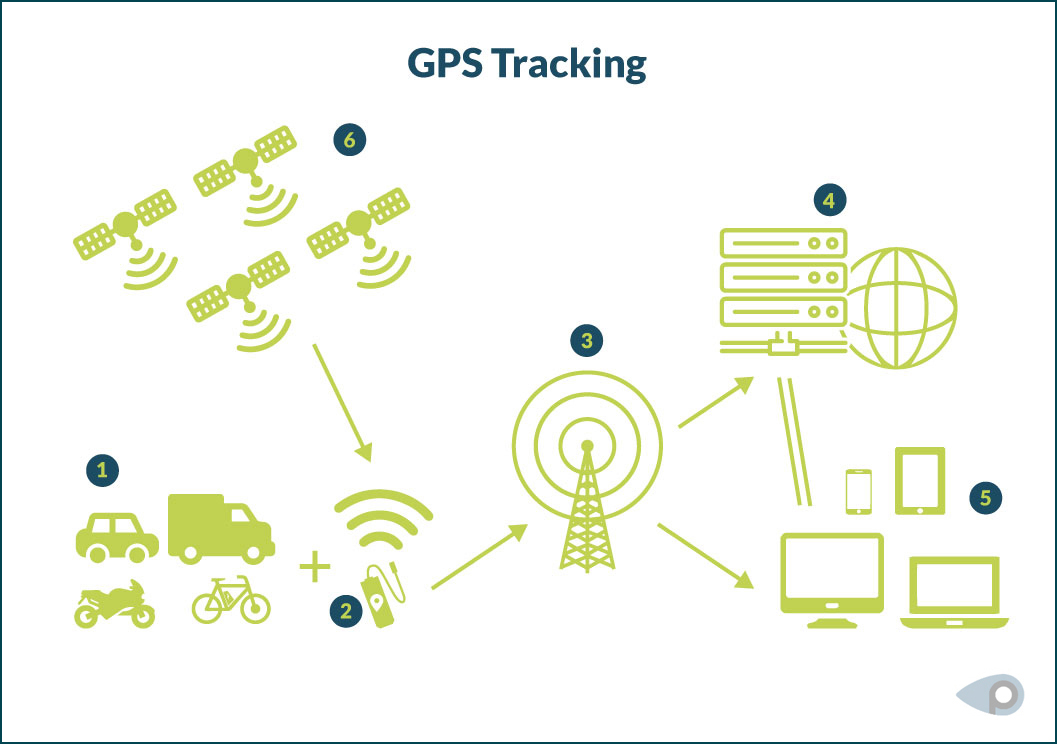
Complementing the limiter system was Resolute Dynamics’ GPS Fleet Management Solution, engineered for more than just location tracking. This was a behavioral telematics platform capable of delivering real-time visibility and predictive insights.
Intelligent Tracking Features:
-
Real-Time Speed Monitoring:
Fleet supervisors received live notifications when vehicles exceeded predefined speed limits, regardless of road type. -
Driver Behavior Analytics:
The system tracked events such as harsh braking, rapid acceleration, sharp cornering, and idling time. This data was used to generate driver safety scores and identify risky patterns. -
Geofencing and Route Optimization:
Managers could draw virtual boundaries around school zones, depots, or sensitive areas. If a vehicle entered or exited without permission or drove erratically within the zone, alerts were triggered instantly. -
Trip History Playback:
For auditing and training, fleet operators could replay entire trips to analyze exactly where violations occurred — a powerful coaching tool. -
Cloud-Based Dashboard:
The entire system ran on a secure cloud interface, offering centralized access for fleet managers across different regions. Data could be exported, filtered, or visualized using heatmaps and compliance graphs.
Seamless Integration with Fleet Ecosystem
The tech rollout wasn’t disruptive. Resolute Dynamics ensured full compatibility with the company’s:
-
Existing vehicle models (Mercedes, Isuzu, Hino, etc.)
-
Fleet management software
-
Compliance and reporting tools
Installation was done in batches, with minimal downtime. Each speed limiter unit and GPS device came pre-configured, and the platform’s modular API allowed easy syncing with logistics apps and HR systems.
The company didn’t need to replace trucks or overhaul their IT setup — they just plugged in smart tools that worked with what they already had.
Built for Qatar’s Road & Regulatory Conditions
One reason the company chose Resolute Dynamics was its deep understanding of the Gulf region, particularly Qatar’s transport compliance environment.
-
Devices were certified under Qatar’s Ministry of Transport regulations.
-
The system was Arabic/English bilingual, supporting local operators.
-
Local support teams were available in Doha and Dubai for emergency maintenance or audits.
This ensured that the company not only met legal standards but also operated with complete confidence during surprise inspections or insurance reviews.
Tech That Changed the Game
With both the speed limiter and the smart GPS solution working together, the company gained total control over vehicle movement, driver behavior, and safety compliance. Instead of reacting to violations, they were now preventing them proactively.
This integrated tech stack wasn’t just about tools. It gave the company real-time insight, driver accountability, and operational peace of mind.
How They Rolled It Out: Step-by-Step
They didn’t throw everything at the drivers all at once. Instead, they started with a 30-day pilot program on 10 vehicles.
-
Drivers got trained on how the systems work.
-
Managers held weekly safety reviews.
-
Each alert was tracked, and coaching was given instead of punishment.
Once they saw a 50% drop in speeding on the pilot fleet, they expanded to the rest of the vehicles over the next 60 days.
This slow rollout helped everyone adapt and reduced resistance from drivers.
The Results: 40% Drop in Speeding Incidents
The data after 90 days was clear and impressive:
-
Speeding incidents dropped by 40%
-
Fuel costs reduced by 12%
-
Monthly accident rate cut in half
-
Customer satisfaction went up
Drivers felt safer and less stressed. Managers had visibility like never before. Even insurance providers took notice, offering lower premiums due to the lower risk profile.
The Business Benefits Go Beyond Safety
Cutting speeding wasn’t just about checking a box. It had ripple effects:
-
Better vehicle lifespan due to smoother driving
-
Lower operational costs from fuel and repairs
-
Stronger brand reputation in the eyes of customers and regulators
-
Improved employee morale — drivers appreciated being supported, not blamed
Fleet safety became part of their company culture, not just a rule.
Why It Worked: The Resolute Dynamics Advantage
Many companies try to fix safety with generic tools. But this company chose precision engineering and smart integration:
-
Terrain-responsive dual speed limiters — adjusting automatically
-
Live GPS data with actionable insights — not just passive tracking
-
Custom dashboards for fleet control centers
Everything was backed by local support in Qatar, ensuring smooth setup and service.
Lessons for Other Fleets
If you manage a fleet, this case should inspire action. Here’s what you can take away:
-
Technology alone isn’t enough — you need training and culture change
-
Customization matters — one-size-fits-all solutions don’t work on the ground
-
Safety improves the bottom line — fewer risks means more profits
Frequently Asked Questions
Can speed limiters really reduce accidents?
Yes. By capping top speeds, they lower the risk of high-impact crashes. When combined with driver monitoring, they’re even more effective.
Isn’t GPS tracking invasive?
Not when used correctly. It promotes accountability, and most drivers appreciate systems that make their jobs safer.
How long does it take to see results?
In this case, big changes started within the first 30 days. Consistency and training are key.
Final Thoughts
This Qatar-based company didn’t just buy a product. They built a smarter, safer fleet using proven technology from Resolute Dynamics. And in doing so, they created a blueprint that logistics companies anywhere in the world can follow.
Fleet safety isn’t just about avoiding fines. It’s about protecting lives, lowering costs, and building a business that’s ready for the road ahead.