
In a country like Qatar, where the heat is high, roads stretch endlessly, and vehicle use is central to daily life, fuel consumption is a major concern. As the country pushes forward with ambitious sustainability goals under Qatar National Vision 2030, the focus is now turning toward smart technologies that can lower both fuel waste and carbon emissions. One of the most effective tools leading this change? RPM regulation technology in qatar.
Let’s explore how this system works and how it’s already making a difference across Qatar’s transport landscape.
Understanding the Environmental Impact of Vehicle Emissions in Qatar
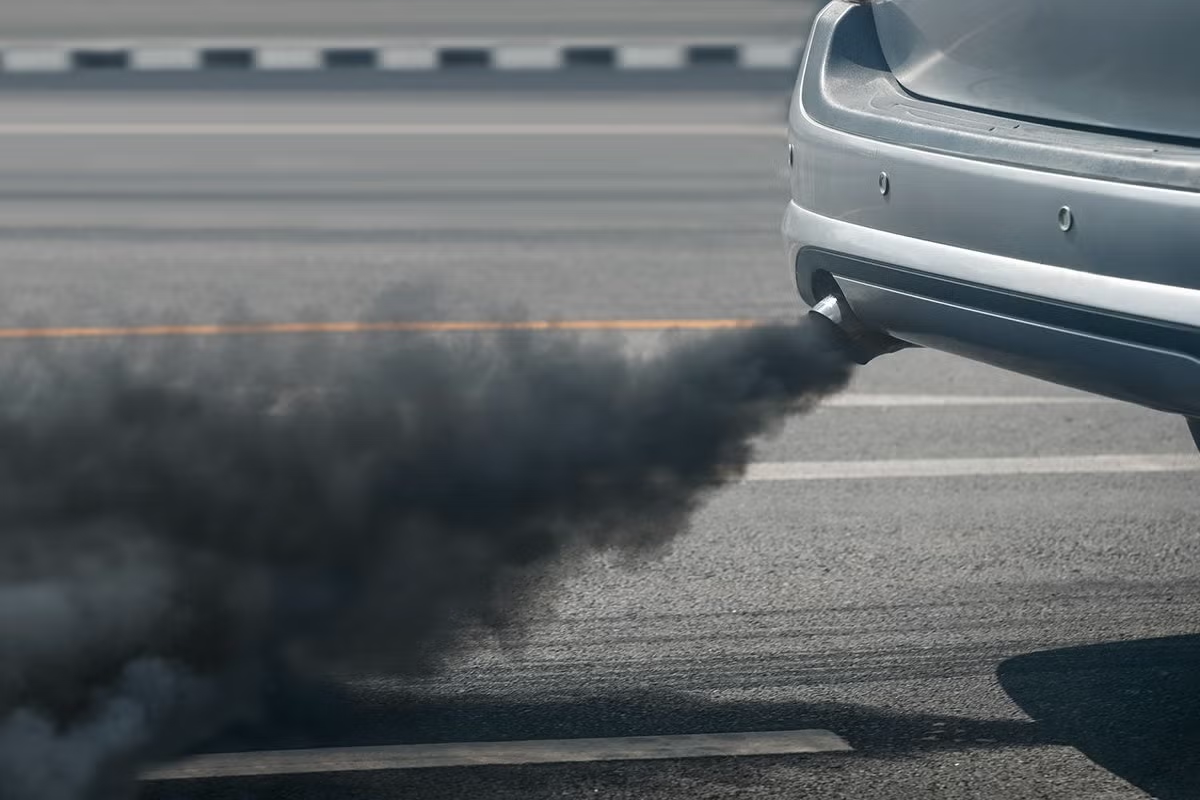
Qatar has one of the highest rates of vehicle ownership in the region. That means more cars, buses, and trucks on the road—and more fuel burned every day. When vehicles run inefficiently, they use more fuel than necessary, releasing excess carbon dioxide (CO₂) and other harmful emissions into the atmosphere.
Add to that the country’s growing logistics and public transport sectors, and you get a perfect storm for carbon footprint escalation. That’s why reducing emissions from vehicles is not just a nice-to-have—it’s a must for both economic and environmental survival.
What is RPM Regulation Technology?
RPM stands for Revolutions Per Minute, a measure of how fast the engine’s crankshaft spins. It’s a critical indicator of how hard your engine is working. When the RPM is too high, the engine consumes more fuel, generates more heat, and emits more carbon dioxide — even if you’re not gaining much speed. It’s like running a treadmill on full blast while barely walking — all that energy is wasted.
In most vehicles, especially in Qatar’s heavy-duty fleet sector, drivers often push the engine past its optimal RPM range, especially when accelerating, climbing inclines, or idling in traffic. This behavior leads to fuel inefficiency, increased emissions, faster engine wear, and higher maintenance costs over time.
The Role of RPM Regulators
This is where RPM regulation technology steps in — acting like a smart governor for your engine. An RPM regulator, also known as an engine RPM limiter, is a precision electronic device installed into the vehicle’s control system. Its primary job is to:
-
Monitor engine RPM in real-time
-
Intervene when RPM exceeds a programmed limit
-
Adjust throttle response and fuel injection accordingly
-
Maintain engine speed within an optimal, fuel-efficient range
It doesn’t block performance — instead, it optimizes engine output so the vehicle still performs efficiently under load, but without wasting energy or fuel.
Think of it like cruise control, but for your engine’s internal mechanics — smooth, steady, and smart.
How It Works (Simplified)
Here’s a simplified breakdown of how RPM regulation technology functions:
-
Sensors inside the engine continuously measure RPM levels.
-
These readings are sent to the Electronic Control Unit (ECU).
-
The ECU, pre-programmed with an RPM limit (e.g., 2,500 RPM), evaluates whether the engine is exceeding it.
-
If the RPM climbs too high, the ECU sends signals to:
-
Cut excess fuel supply
-
Limit throttle opening
-
Instruct gear shifts (in automatic vehicles)
-
-
The result? The engine runs within its “power band” — the RPM range where it delivers the best performance with the least fuel.
This system works seamlessly in the background, with no manual intervention needed by the driver.
Why High RPM is a Problem

Understanding why high RPM is harmful helps highlight the value of this technology:
-
Fuel Consumption Spikes: Fuel injectors release more gasoline to maintain high RPM, even when unnecessary.
-
Excess Heat: High RPMs overheat the engine, leading to greater wear on pistons, valves, and gaskets.
-
More Emissions: Extra combustion releases more CO₂, NOx, and particulate matter.
-
Mechanical Strain: The higher the RPM, the faster components move — which means more friction, more damage, and shorter engine life.
For fleet operators in Qatar, this means higher fuel costs, more maintenance downtime, and more environmental liability.
Designed for Qatar’s Unique Driving Conditions
Qatar has diverse terrain and extreme climate conditions — from congested Doha traffic to long-haul desert highways and industrial zones with heavy loads.
Resolute Dynamics has engineered RPM regulators specifically for these environments, with custom RPM thresholds based on:
-
Vehicle type (light-duty, heavy-duty, school buses, construction fleets)
-
Driving environment (urban stop-and-go vs. long-distance transport)
-
Fleet objective (fuel savings, emissions reduction, or performance balance)
These regulators are tested to withstand high temperatures, dust, and vibration — making them perfect for Qatar’s operational needs.
Not Just Hardware — It’s Smart Regulation
Resolute’s RPM regulators are often integrated with speed limiters, GPS tracking systems, and telematics dashboards to form a holistic fleet control system. Fleet managers can track:
-
Engine RPM trends
-
Idle times
-
Fuel consumption reports
-
Driver behavior analytics
This ecosystem allows for real-time alerts, predictive maintenance, and policy enforcement — all powered by data.
Key Benefits of RPM Regulation Technology
| Feature | Benefit |
|---|---|
| Reduced fuel consumption | Save 10–25% in fuel costs per vehicle |
| Lower carbon emissions | Cut down on CO₂ and NOx output |
| Engine protection | Extend vehicle lifespan by minimizing mechanical strain |
| Driver behavior improvement | Promotes smoother, eco-friendly driving habits |
| Regulatory compliance | Aligns with fuel and emissions policies in GCC and MENA |
Compatibility and Installation
RPM regulators can be installed in:
-
Petrol and diesel vehicles
-
Manual and automatic transmissions
-
Passenger cars, commercial fleets, school buses, construction machinery
Installation is non-invasive, takes less than an hour, and is calibrated to each engine’s performance curve.
The Science Behind Fuel Efficiency: How RPM Limiters Work
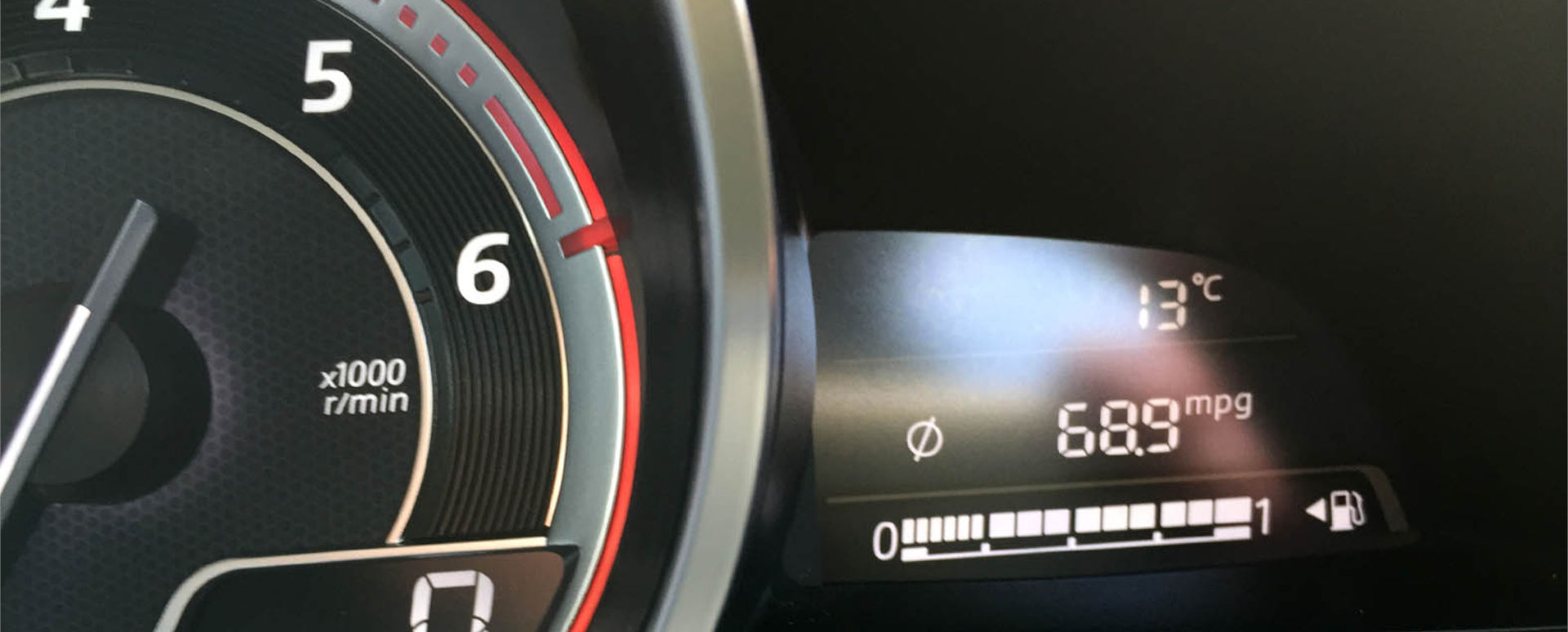
Fuel efficiency isn’t just about how far a vehicle goes on a full tank. It’s about how efficiently the engine turns that fuel into motion without wasting energy. In this section, we’ll break down the mechanics behind fuel efficiency — and how RPM limiters help squeeze every drop of value from your fuel tank.
Fuel Efficiency: More Than Just Miles Per Gallon
When we talk about fuel efficiency, we’re really talking about how well a vehicle converts chemical energy (fuel) into kinetic energy (motion). But engines are far from perfect — especially internal combustion engines found in most of Qatar’s vehicles.
They burn fuel in small explosions inside cylinders. These controlled explosions push pistons, which turn the crankshaft — and that’s what makes the wheels spin. But here’s the problem: when the engine spins too fast, it:
-
Burns more fuel than needed
-
Generates excess heat
-
Causes parts to wear out faster
-
Releases more emissions into the air
This is where RPM regulation comes in as a fuel-efficiency game changer.
The RPM “Sweet Spot”
Every engine has an optimal RPM range — often called the power band — where it performs best. For most cars and trucks, this range sits between 1,500 to 2,500 RPM. Below that, the engine may struggle and stall. Above that, fuel is burned quickly with minimal gain in power or speed.
Here’s an example:
-
At 2,000 RPM, a vehicle cruises smoothly on the highway with moderate fuel use.
-
At 4,000 RPM, the same car uses twice as much fuel, yet only gains a small increase in speed.
That’s inefficient combustion — and it’s a problem especially common in delivery trucks, school buses, and government vehicles across Qatar, which are often driven in stop-start traffic or under heavy load.
What Happens at High RPM?
Let’s say a driver accelerates aggressively and pushes the engine to 4,500 RPM:
-
Fuel Injectors release a surge of gasoline or diesel.
-
The air-fuel ratio may shift, reducing combustion efficiency.
-
Extra fuel gets wasted as unburned hydrocarbons.
-
The engine runs hotter, which affects oil lubrication and leads to increased friction.
-
This also spikes emissions: CO₂, nitrogen oxides (NOx), and soot particles.
This is why high-RPM driving is a top contributor to fuel waste and air pollution — especially in urban areas like Doha.
Where RPM Limiters Step In
An RPM limiter is like a smart gatekeeper. It constantly monitors the engine’s RPM through sensors, and when the engine nears a preset threshold — say 2,800 RPM — the limiter kicks in and takes one or more of these actions:
-
Reduces throttle input (limits how much fuel is injected)
-
Delays gear downshifting (to keep RPM from climbing)
-
Restricts acceleration rate
-
Sends feedback to GPS tracking systems for driver behavior reports
The best part? All of this happens automatically. Drivers don’t need to change their habits — though many end up improving them because the limiter promotes smoother, steadier driving.
Engine Control Units (ECUs) and Smart RPM Limiting
Today’s RPM regulators are far more advanced than the mechanical governors used in older vehicles. They connect directly to the vehicle’s ECU (Engine Control Unit) — the computer that controls engine functions.
Modern RPM limiters use programmable logic controllers (PLCs) or microcontrollers that:
-
Learn from vehicle performance patterns
-
Adjust RPM limits based on engine load or terrain
-
Interface with CAN bus systems for real-time diagnostics
-
Work alongside GPS trackers for data integration
This means the system doesn’t just cap RPM—it adapts to real-world driving. Whether you’re hauling cargo through Al Wakrah or navigating traffic in Lusail, your engine stays efficient and responsive.
Data Speaks: How Much Fuel Is Actually Saved?
Here’s what industry data shows when RPM regulation is consistently used:
| Metric | Without RPM Limiter | With RPM Limiter |
|---|---|---|
| Fuel consumption (L/100km) | 15.8 | 12.3 |
| CO₂ emissions (g/km) | 268 | 214 |
| Engine wear (estimated lifespan) | 300,000 km | 380,000+ km |
| Fuel cost per year (fleet of 50) | QAR 1.2M+ | QAR 950K |
That’s up to 20–25% in fuel savings. Multiply that by hundreds of vehicles and you see why RPM regulators pay for themselves quickly.
Environmental Benefits of RPM Regulation
Aside from the money saved, there’s the environmental win. By keeping engines in their efficient range:
-
Less fuel is burned, which means fewer greenhouse gases.
-
Lower NOx levels help fight smog and poor air quality.
-
Reduced particulate matter improves respiratory health in cities.
-
Fleet operators move closer to ISO 14001 and Qatar’s carbon targets.
Real-World Impact: How RPM Regulation Cuts Fuel Waste in Qatar
In Qatar’s transport sector, where fleets often cover long distances under harsh driving conditions, small inefficiencies multiply fast. A delivery truck without an RPM limiter can waste liters of fuel every week just by over-revving during acceleration. Multiply that across a fleet of 100 trucks, and the losses become eye-watering.
Companies using Resolute Dynamics’ RPM regulation technology report:
-
15–25% fuel savings across their fleets
-
Noticeable reduction in CO₂ emissions
-
Longer engine life due to controlled revving
-
Improved driver behavior through smoother acceleration
These aren’t just numbers—they’re helping companies cut costs, meet eco-compliance regulations, and contribute to Qatar’s climate commitments.
RPM Regulation vs. Traditional Speed Limiters
Now, you might wonder—don’t speed limiters do the same thing? Not quite.
Speed limiters control how fast the vehicle moves, while RPM limiters control how hard the engine works. You could be driving at 80 km/h and still be wasting fuel if your RPM is too high. That’s why RPM regulation is the next step forward.
Dual systems, like the ones Resolute offers, combine both technologies. They adjust speed based on terrain and load, and optimize RPM for each driving condition. This is especially useful in mountainous areas, city congestion, or desert transport routes.
Integration with GPS Tracking and Smart Monitoring
What makes RPM regulation even more powerful is its integration with GPS tracking systems. When combined, they allow fleet managers to:
-
Monitor fuel use and engine performance in real time
-
Track driver behavior and idle times
-
Create reports on emission levels, route efficiency, and RPM patterns
This smart ecosystem ensures not just safer driving, but data-driven fleet management. You’re not guessing—you’re optimizing every mile.
Resolute Dynamics’ GPS + RPM combo is already being used by transport companies, school buses, and logistics fleets across Qatar and the GCC.
Economic and Sustainability Benefits for Qatar
Let’s talk about money and the planet—because RPM regulation helps with both.
For businesses:
-
Lower fuel bills = higher profit margins
-
Less wear on engines = reduced maintenance costs
-
Fewer breakdowns = more on-time deliveries
For Qatar:
-
A cleaner transport sector = better air quality
-
Lower national fuel consumption = energy security
-
Fewer carbon emissions = closer to the 2030 sustainability goals
As Qatar moves toward electric and hybrid mobility, technologies like RPM regulators serve as a bridge to sustainable transport. They work with today’s vehicles to build tomorrow’s green future.
Why Choose Resolute Dynamics?

There are many tech providers, but Resolute Dynamics stands out. Here’s why:
-
Locally optimized: Their RPM regulators are tested for Qatar’s hot climate and long-drive conditions
-
Precision-built: Developed through in-house R&D and fine-tuned with real driver feedback
-
Comprehensive solutions: From GPS to dual speed limiters to smart workshop monitoring
-
Trusted by GCC fleets: Deployed in Qatar, UAE, Oman, and beyond
Their systems aren’t just hardware—they’re part of a smarter transport ecosystem built for reliability and efficiency.
FAQs
Q: Will an RPM limiter slow down my car?
No. It limits engine revolutions, not speed. You can still drive at normal speeds—just more efficiently.
Q: Is this only for trucks and fleets?
No. It can be installed in personal vehicles, school buses, taxis, or any engine-powered vehicle.
Q: Can drivers override the RPM limiter?
No, once installed and configured, it’s tamper-proof for compliance and safety.
Q: How long does installation take?
Usually under an hour, depending on the vehicle type and configuration.
Conclusion: A Smarter Way to Drive in Qatar
The future of transportation in Qatar isn’t just electric—it’s efficient. While EVs are coming, RPM regulation is a here-and-now solution that’s already making fleets greener, roads safer, and businesses more profitable.
For companies and government fleets aiming to reduce fuel waste, lower emissions, and stay compliant, investing in RPM regulation technology is one of the smartest moves they can make today.