
Road safety is becoming a serious concern in Qatar, especially for companies that manage vehicle fleets. Whether it’s delivery vans, construction trucks, or school buses, poor driver behavior and speed violations can lead to accidents, penalties, and high fuel costs. That’s where GPS telematics comes in—a smart solution that helps fleet managers track, control, and improve how their drivers behave on the road.
Let’s break it down in simple terms and see how telematics is changing fleet management across Qatar.
What is GPS Telematics and How It Works
GPS telematics is the brain and nervous system of modern fleet management. It blends satellite-based location tracking (GPS) with onboard vehicle data collection to give fleet managers a real-time view of their vehicles—where they are, how they’re being driven, and what condition they’re in.
Think of it as a smart black box that communicates live updates, just like an air traffic control system—but for ground vehicles.
The Core Components of a Telematics System
A complete GPS telematics setup includes both hardware and software components, each working together to collect, transmit, and analyze data:
-
Telematics Control Unit (TCU):
A small device installed inside the vehicle—often under the dashboard or connected directly to the ECU (Electronic Control Unit). This device taps into the CAN bus or OBD-II port, reading real-time signals from the engine, brakes, accelerator, fuel system, and more. -
GNSS (Global Navigation Satellite System):
This includes GPS (U.S.), GLONASS (Russia), and Galileo (EU) satellites that provide precise geo-positioning. These satellites tell you where the vehicle is at any moment. -
Sensor Suite (IMU):
An inertial measurement unit (IMU) may be included to detect acceleration, deceleration, sudden turns, or rollover risks. It tracks motion using accelerometers and gyroscopes. -
Cellular or Satellite Modem:
Sends data from the vehicle to the cloud platform via 3G/4G/5G or satellite networks. Some systems also have edge computing capabilities to process urgent alerts (like crash detection) locally before syncing to the cloud. -
Fleet Management Software (FMS):
This is the digital dashboard where all the data gets displayed. Fleet managers can log in from their laptop or mobile device to see:-
Live vehicle location on a map
-
Driving behavior alerts
-
Engine diagnostics
-
Route history
-
Maintenance reminders
-
How the Telematics System Works — Step by Step
Let’s walk through a typical trip, using GPS telematics:
-
Ignition On:
As soon as the vehicle starts, the TCU powers on and begins collecting data from the engine and motion sensors. -
Real-Time Location Tracking:
GNSS satellites continuously provide coordinates, speed, and heading to the device. -
Driver Behavior Monitoring:
The IMU detects events like harsh braking, over-speeding, cornering, and aggressive acceleration. -
Vehicle Health Check:
The system reads DTCs (Diagnostic Trouble Codes) from the engine, which can indicate issues like low oil pressure or overheating. -
Data Transmission to Cloud:
Every few seconds, all this information is sent to the cloud using the modem. If cellular coverage is weak (common in desert areas), the system stores the data and transmits it later. -
Fleet Manager Dashboard Update:
Fleet operators can see everything in real-time—if a vehicle is speeding in Doha or idling too long in Al Wakrah, they’ll know immediately.
Beyond Tracking: The Power of Telematics Data
GPS telematics is not just about “where’s my truck?” It transforms raw data into actionable insights:
-
Geofencing: Create virtual zones around cities, job sites, or restricted areas. Get alerts if a driver enters or exits a zone.
-
Route Optimization: Use historical data to reduce travel time, avoid high-traffic routes, or plan fuel-efficient paths.
-
Driver Scoring & Coaching: Build a performance profile for each driver based on real behavior—not guesswork.
-
Predictive Maintenance: Telematics can warn you before a part fails, reducing unplanned downtime.
Why It’s Essential for Fleets in Qatar

In Qatar, fleet operators face unique challenges:
-
Extreme temperatures affect vehicle health
-
Strict traffic enforcement with speed cameras everywhere
-
Long-distance travel across urban and desert environments
-
High operational costs and fuel dependency
With GPS telematics:
-
You know if your driver is speeding past the Salwa Road limit
-
You’re alerted if a vehicle overheats on a delivery to Al Khor
-
You can reduce idle time during hot afternoons—saving fuel and avoiding wear
It’s not just data—it’s real-time operational intelligence, helping fleets stay efficient, safe, and compliant.
Monitor Driver Behavior in Real-Time
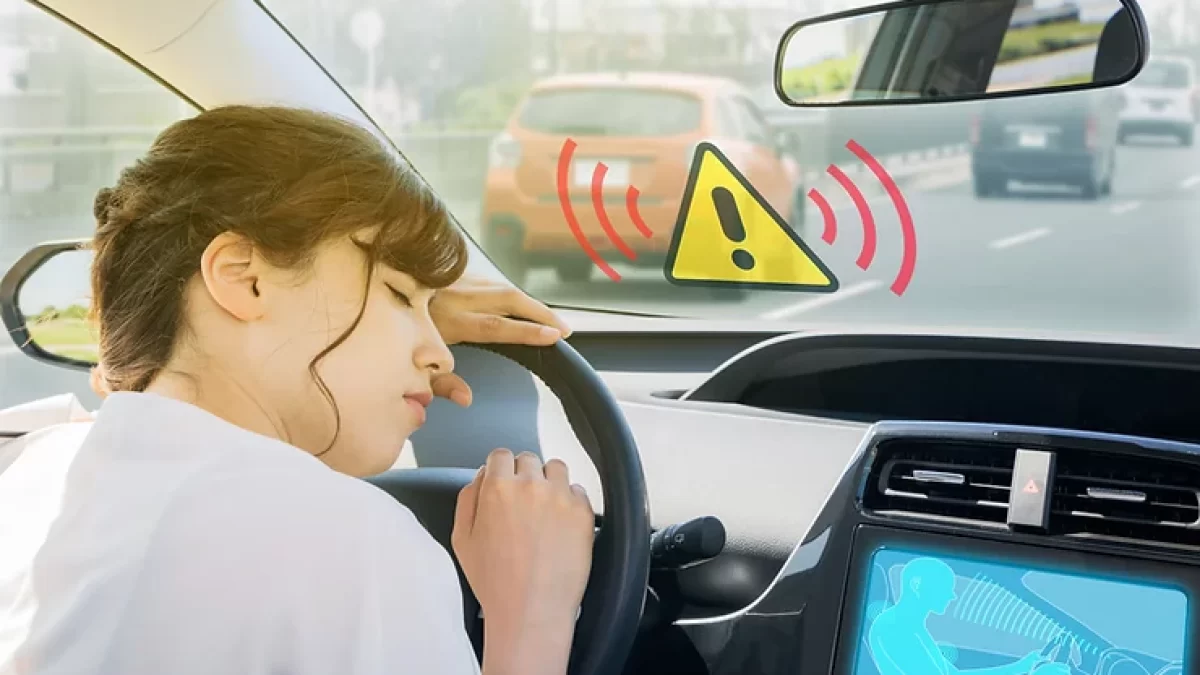
One of the biggest game-changers in fleet telematics is the ability to see exactly how your drivers behave on the road—while they’re driving. For fleet managers in Qatar, where road safety is a growing concern and traffic violations carry steep penalties, this feature is more than just helpful—it’s critical.
What Real-Time Driver Monitoring Really Means
When we say real-time, we mean data transmitted from the vehicle within seconds of an event happening. You don’t have to wait for the end of the day or rely on a driver’s memory. The system is constantly watching, recording, and analyzing key behaviors, including:
-
Harsh Braking: Detects when the driver slams the brakes suddenly, which may indicate tailgating, distracted driving, or risky habits.
-
Rapid Acceleration: Measures how fast the driver speeds up. Frequent aggressive acceleration burns fuel, increases emissions, and stresses the engine.
-
Sharp Cornering or Swerving: Tracked using gyroscopic sensors in the telematics unit, this shows whether the driver is taking turns too fast—especially dangerous in larger vehicles or on narrow roads.
-
Idling Time: Measures how long the engine stays running while the vehicle is not moving. In Qatar’s extreme heat, excessive idling can lead to engine overheating and fuel waste.
-
Over-Speeding by Zone: The system cross-checks vehicle speed with map-based speed limits, and alerts you when a driver exceeds the allowed limit—be it on Salwa Road or within the urban limits of Doha.
-
Sudden Lane Changes or Weaving: Some advanced telematics systems track lateral movement, a strong sign of reckless or distracted driving.
How This Data Builds a Driver Behavior Profile
Each event is logged with:
-
Time
-
Location
-
Severity level
-
Type of behavior
Over time, the system builds a driver behavior profile—a digital report card showing how safely and efficiently a driver operates. The profile includes:
-
A safety score (usually from 0–100)
-
Event frequency (e.g., 3 harsh brakes per 100 km)
-
Trendlines (is the driver improving or getting worse?)
-
Benchmark comparisons (how they rank against peers)
This kind of profiling is powered by machine learning algorithms that analyze not just raw data, but patterns.
Example: If Driver A frequently speeds on long-haul trips but performs well in urban areas, you might assign them to city deliveries only.
What Fleet Managers Can Do with This Data
With clear, real-time behavior analytics, fleet managers can move from reactive to proactive decision-making:
Coach Drivers with Targeted Feedback
Instead of giving vague advice like “drive safely,” managers can show drivers exact events—“You braked harshly 4 times on Sunday afternoon near Al Wakrah.”
Reduce Road Incidents
Unsafe driving behaviors like over-speeding, harsh turns, and distracted driving are leading causes of accidents. Monitoring and correcting them before they lead to a crash can save lives and money.
Create Incentive Programs
Reward top drivers with monthly bonuses or recognition based on driver scores. This motivates safe driving while creating a positive culture.
Lower Operational Costs
-
Safer driving = less wear and tear on brakes, tires, and engines
-
Less idling = reduced fuel consumption
-
Fewer accidents = fewer repairs, insurance claims, and downtime
Comply with Regulations
In Qatar, strict traffic enforcement and corporate liability mean businesses need evidence of due diligence in driver monitoring. Telematics provides the documentation.
Technologies Behind Driver Monitoring
To gather this level of detail, modern telematics systems use a mix of sensors and technologies:
-
Accelerometers and gyroscopes to detect movement and angle
-
ECU data access via OBD-II or CAN bus for real-time engine feedback
-
Geospatial analysis for speed zoning
-
Edge computing to process critical data locally (e.g., crash detection)
-
Cloud AI for long-term analysis and pattern recognition
This means the system isn’t just watching—it’s thinking.
Why It Matters for Qatar-Based Fleets
Qatar has unique traffic challenges:
-
Long-distance drives across open highways and deserts
-
Heavy congestion in cities like Doha
-
Sudden weather changes (dust storms) affecting visibility
-
High-risk areas around construction zones and school zones
In this environment, driver vigilance can mean the difference between safe arrival and serious damage. With real-time monitoring, you’re not leaving safety to chance.
Speed Violation Alerts and Prevention
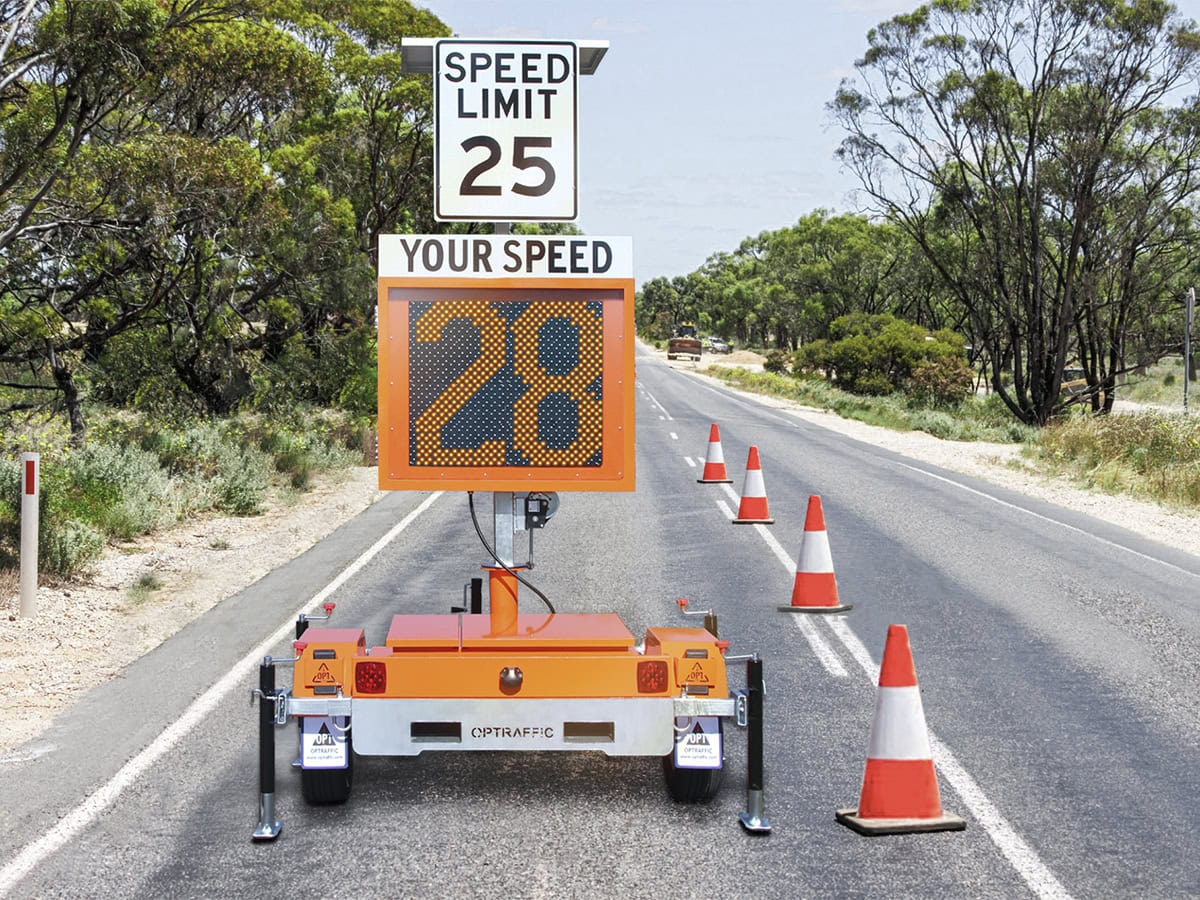
Speeding isn’t just a traffic violation—it’s one of the leading causes of road accidents, vehicle wear, and regulatory fines in Qatar. With long open highways, busy city intersections, and strict traffic enforcement, managing vehicle speed is non-negotiable for fleet safety and compliance.
That’s where GPS telematics and smart speed control systems come in—not only to detect violations but to actively prevent them.
Why Speed Control Matters in Qatar’s Driving Environment
Qatar’s roads vary sharply—from congested urban roads in Doha and Al Rayyan to high-speed corridors like the Salwa Road or Dukhan Highway. Fleet vehicles often switch between:
-
Urban zones with 60-80 km/h limits
-
Highway routes with 100-120 km/h limits
-
Worksite areas or school zones with 40 km/h restrictions
This creates a compliance challenge: Can drivers adjust safely and quickly to changing speed limits? Not always.
And with an extensive network of radar speed cameras and mobile enforcement units, speeding fines in Qatar can quickly stack up—hurting your bottom line and risking your operating license.
How GPS Telematics Helps Manage Speed in Real Time
Modern fleet telematics systems allow you to automate speed monitoring, reducing human error and reaction delays.
Here’s how it works:
1. Geofencing with Speed Limits
A geofence is a virtual boundary mapped onto real-world locations. You can draw geofences around:
-
School zones
-
Construction sites
-
Residential neighborhoods
-
Highway segments
Within each geofenced area, the system assigns a custom speed limit. When a vehicle enters that zone, the onboard telematics system monitors speed against the preset limit.
2. Instant Overspeed Alerts
If a driver exceeds the limit:
-
The driver receives a real-time audio or visual warning inside the cab.
-
The fleet manager gets an alert via SMS, email, or dashboard notification.
-
The system logs the event with time, location, speed, and severity.
These overspeed alerts are not just warnings—they are triggers for action.
3. Behavioral Reports and Risk Scoring
All speed violation events are stored and used to:
-
Build individual driver speed profiles
-
Identify repeat offenders
-
Compare risk levels across your team
This creates a foundation for:
-
Performance reviews
-
Driver coaching
-
Incentive programs
-
Compliance audits
Going Beyond Alerts: Speed Prevention with Smart Limiters
Alerts are great, but they rely on the driver taking action. Sometimes, you need to automate speed control at the vehicle level. This is where speed limiters come into play.
Vehicle Speed Limiter
A speed limiter is a hardware device that physically caps the maximum speed a vehicle can reach. For example, if set to 100 km/h, the vehicle cannot go faster—regardless of how hard the driver presses the accelerator.
Dual Speed Limiter (Terrain-Based Control)
Resolute Dynamics offers a Dual Speed Limiter designed specifically for regions like Qatar, where fleet vehicles regularly move between highways and urban areas.
How it works:
-
Urban Speed Mode: Limits vehicle speed to, say, 80 km/h when operating within city limits.
-
Highway Speed Mode: Automatically increases the cap to 100 or 120 km/h when entering a highway geofenced zone.
The system detects the terrain and road category using GPS + map data and switches modes automatically. This reduces the risk of unintentional speeding and ensures:
-
Better safety compliance
-
Improved driver focus
-
Lower fine risk
Practical Benefits for Fleet Managers
Enhanced Compliance
Avoid repeated fines and maintain a clean record with the Ministry of Transport and Communications (MoTC) by showing digital proof of speed control efforts.
Reduced Accident Risk
High-speed driving increases stopping distance, fuel consumption, and crash severity. Automated speed control lowers incident probability.
Fuel Economy
Speeding leads to poor fuel efficiency. Studies show reducing average speed by 10 km/h can cut fuel usage by up to 15%—a big deal in Qatar, where fuel costs add up across large fleets.
Fewer Insurance Claims
Insurers often reduce premiums for fleets that use speed limiting and monitoring systems, because the risk profile is lower.
Smarter Speed Governance: Moving from Manual to Autonomous
Old-school speed management relied on:
-
Driver awareness
-
Occasional reviews
-
Written policies
Today, speed management is:
-
Automated
-
Data-driven
-
Integrated into every trip
You don’t have to chase logs or trust word of mouth. The system tracks, prevents, and proves everything—in real time.
Improve Safety for High-Risk Vehicles (e.g. School Buses)

Some vehicles need extra safety—like school buses, oil field trucks, and vehicles carrying hazardous materials. These require not just tracking but strict control.
GPS telematics combined with Resolute Dynamics’ School Bus Safety Solutions can help:
-
Ensure that buses follow safe routes and maintain proper speeds
-
Automatically slow down in school zones or high-risk areas
-
Send alerts to parents or school admins when buses arrive or depart
For companies handling sensitive transportation, this technology is not just an add-on—it’s essential.
Regulatory Compliance & Insurance Benefits
Qatar’s Ministry of Transport (MOT) has clear safety regulations for commercial vehicles. Telematics can help ensure compliance by:
-
Keeping a digital log of vehicle usage
-
Proving that speed and safety standards are followed
-
Helping pass inspections and audits with clean reports
Some insurance companies now offer discounts for fleets using telematics. Why? Because data shows that monitored fleets have fewer accidents, better behavior, and lower claims.
That’s a win-win for both business owners and insurers.
Key Features of Resolute Dynamics’ Tracking & Speed Solutions
Resolute Dynamics, a leader in fleet safety technology in Qatar, offers:
-
High-precision GPS trackers built for harsh environments
-
Customizable speed limiters for urban and desert terrains
-
Dual speed limiters with terrain detection
-
Smart workshop lift monitoring systems for vehicle servicing safety
-
User-friendly dashboards for real-time fleet visibility
These systems are made for fleet safety, compliance, and efficiency—not just tracking.
Use Cases: How Qatar Companies Are Using This Technology
Let’s look at a few real-world examples:
-
Logistics companies use GPS telematics to cut down on fuel usage by reducing idling and improving route planning.
-
Construction fleets use speed limiters to avoid penalties in city zones while maintaining performance on highways.
-
Public transportation services are using driver behavior monitoring to train drivers and reduce accidents.
One Doha-based delivery fleet reported a 40% drop in speeding violations within three months of installing the system. That’s a huge operational and safety improvement.
How to Implement GPS Telematics in Your Fleet
Getting started is easier than it seems:
-
Choose your hardware (GPS tracker, speed limiter, dual limiter)
-
Install the device in each vehicle—this takes just a few hours
-
Connect it to a fleet dashboard provided by the vendor
-
Train your team on how to use alerts, driver scores, and reports
With Resolute Dynamics, the system is fully supported—offering customization, local service in Qatar, and ongoing updates.
Why It Matters Now
Fleet telematics is not a luxury anymore—it’s a necessity. For companies operating in Qatar, where the roads are busy and the regulations are strict, using smart tracking and speed control systems brings:
-
Better safety
-
Lower costs
-
Fewer violations
-
More control
If you manage a fleet, telematics can turn chaos into control—giving you eyes on the road even when you’re not behind the wheel.
Conclusion
GPS telematics is transforming how fleets in Qatar operate. It’s helping companies monitor driver behavior, prevent speeding, and stay compliant with the law. By combining vehicle tracking, behavior monitoring, and speed control, businesses can reduce risk, improve safety, and boost their bottom line.
The road to a smarter, safer fleet starts with visibility—and GPS telematics gives you just that.