
When it comes to vehicle safety, Malaysia has one thing in common across all states—strict attention to speed compliance. But the way these rules are applied can differ depending on the region. For fleet operators, transport companies, and even school bus owners, understanding these variations is more than a legal necessity—it’s a matter of safety, efficiency, and reputation.
Every state has its own challenges. Urban traffic in Selangor, tourist-heavy roads in Penang, and rugged terrains in East Malaysia all demand different approaches. That’s why speed limiters, GPS tracking systems, and certified compliance tools have become the backbone of modern fleet safety.
Selangor: Compliance Hotspot for Industrial & Urban Fleets
Selangor is Malaysia’s beating industrial heart. With sprawling highways, endless logistics routes, and one of the country’s busiest transport corridors, this state has become the focal point for road safety enforcement. From Shah Alam’s manufacturing zones to the bustling cargo traffic in Port Klang, the density of commercial vehicles means speed compliance is not just an option—it’s a necessity.
Why Selangor Demands Stricter Oversight
The Road Transport Department (JPJ Selangor) carries out frequent checks on both public and private fleets. This is largely due to Selangor’s role as a logistics gateway, connecting the Klang Valley to ports, airports, and other states. A single non-compliant truck or bus poses a significant safety risk when operating in such dense and fast-moving environments. That’s why regulators here enforce tighter standards and harsher penalties compared to some other regions.
Which Vehicles Fall Under the Radar
Operators in Selangor must ensure that specific vehicle categories comply with the law:
-
School buses – The government prioritizes child safety, making speed limiter installation mandatory.
-
Heavy goods vehicles (HGVs) – Trucks transporting goods through highways and industrial areas must be fitted with certified speed governors.
-
Passenger fleets – Buses, vans, and ride-hailing fleets are closely monitored, especially during festive seasons when traffic surges.
Each of these categories requires not just a device but an official speed limiter certificate to prove compliance during inspections.
Certification and Calibration: The Ongoing Responsibility
It’s not enough to simply install a speed limiter once. In Selangor, JPJ requires:
-
Approved devices that meet national standards.
-
Calibration checks to ensure accuracy over time.
-
Certificate renewals, often tied to annual inspections.
If these requirements are overlooked, operators face more than just fines. Vehicles can be grounded, licenses suspended, and contracts lost. For fleet-based businesses, even one non-compliant vehicle can cause widespread operational setbacks.
Integrating GPS Tracking for Compliance and Safety
To make compliance sustainable, many operators in Selangor are now pairing their speed limiters with GPS tracking systems. This integration offers multiple benefits:
-
Real-time speed monitoring – Managers can immediately detect if a driver is attempting to bypass the limiter.
-
Geofencing and alerts – Notifications when vehicles exceed speed in restricted zones like school areas or residential neighborhoods.
-
Compliance reporting – Digital records that can be shared during JPJ audits, reducing administrative burden.
Beyond regulations, GPS systems enhance safety by promoting responsible driving habits. Over time, fleets that adopt both speed limiters and tracking solutions often see reduced accidents, lower fuel costs, and fewer insurance claims.
The Bigger Picture for Selangor Fleets
For businesses operating in Selangor, compliance is not simply about avoiding penalties. It’s about safeguarding brand reputation, protecting lives, and maintaining uninterrupted operations in Malaysia’s busiest transport state. With regulators raising the bar each year, adopting certified speed limiters, ensuring ongoing calibration, and leveraging GPS tracking are now part of the cost of doing business.
Penang: Tourism & Transport Safety Compliance
Penang is one of Malaysia’s busiest gateways for both domestic and international visitors. With its UNESCO-listed George Town, bustling port terminals, and scenic coastal drives, the state attracts millions of travelers each year. This heavy reliance on tourism shapes Penang’s approach to transport safety, making speed compliance a cornerstone of its regulatory framework.
Why Penang Treats Speed Compliance as a Priority
Unlike Selangor’s industrial focus, Penang’s economy thrives on tourism and passenger transport. Every day, buses, vans, and chartered vehicles ferry tourists between airports, hotels, cultural landmarks, and ferry terminals. The safety of these journeys directly influences Penang’s image as a reliable and traveler-friendly destination.
Authorities such as JPJ Penang and local municipal councils are therefore strict in monitoring vehicle speeds, especially in tourist-heavy areas like Batu Ferringhi, George Town’s heritage zones, and the Penang Bridge. For them, speed limiters aren’t just about law enforcement—they are about protecting lives and safeguarding the state’s reputation as a safe travel hub.
Vehicle Categories Under Compliance Checks
In Penang, several vehicle categories fall under close observation:
-
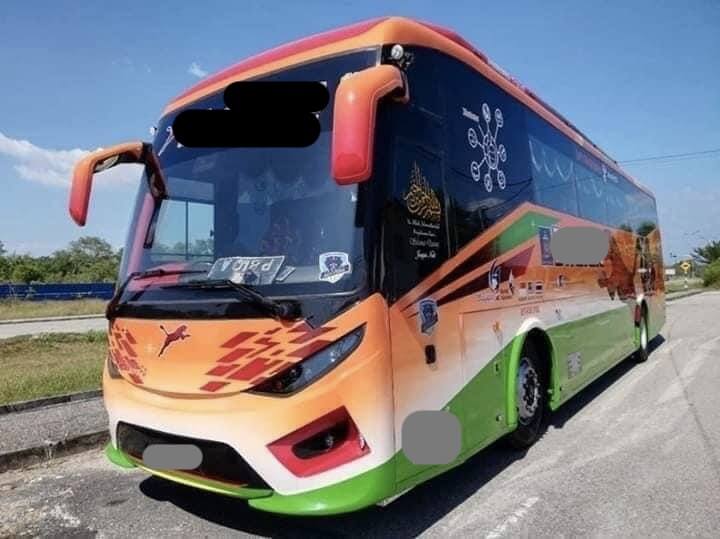
Tourist buses and coaches – Operators moving passengers between attractions must install certified speed limiters to avoid sudden speed bursts on highways.
-
Chartered vans and shuttles – Popular for small group travel, these vehicles are inspected regularly to ensure safety standards are maintained.
-
Rental cars and e-hailing fleets – While not always fitted with speed limiters, they remain under scrutiny for compliance with general road safety laws.
This focus ensures that both large and small operators prioritize safety alongside service delivery.
Enforcement Hotspots and Practices
Compliance checks in Penang are most common in:
-
Urban corridors such as George Town and Bayan Lepas, where heavy pedestrian traffic increases accident risks.
-
Port terminals and ferry points, where commercial transport and tourist shuttles converge.
-
Hilly terrain roads leading to Penang Hill or Balik Pulau, where speed control is critical to prevent accidents.
Regular roadside inspections and seasonal enforcement blitzes—especially during holidays and peak tourism months—reinforce the importance of speed regulation.
The Role of Dual-Speed Limiters in Penang
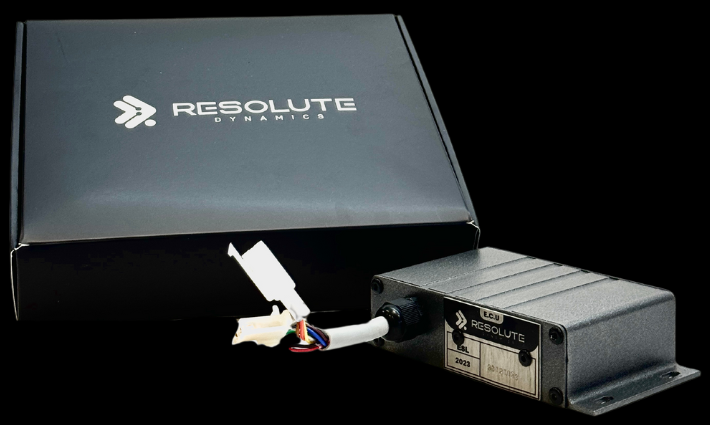
Penang’s unique geography, with its mix of flat coastal highways and steep inland hills, makes dual-speed limiters a practical necessity. These systems allow operators to set different maximum speed thresholds depending on the driving environment. For example:
-
On highways like the Penang Bridge, higher limits ensure smoother traffic flow.
-
On narrow, hilly roads near tourist attractions, lower limits keep passengers safe and vehicles under control.
This flexibility helps operators strike a balance between efficiency and safety while staying compliant with JPJ standards.
More Than Compliance: Building Trust in Tourism Transport
For service providers in Penang, speed compliance has a dual benefit. On one hand, it ensures they meet regulatory demands and avoid fines. On the other, it acts as a trust signal for passengers. Tourists—many of whom are unfamiliar with Malaysia’s roads—value the assurance that their transport providers are certified, regulated, and safety-conscious.
Hotels, travel agencies, and tour operators also prefer working with fleets that can demonstrate compliance through valid speed limiter certificates and GPS monitoring reports. In this sense, compliance strengthens not just safety but also business credibility in a highly competitive market.
Long-Term Outlook for Penang Operators
As Penang continues to grow as a global tourism hub, expectations for safe and reliable transport will only increase. Operators who invest early in certified speed limiters, dual-speed systems, and integrated GPS tracking solutions will be better positioned to stay ahead of stricter regulations. More importantly, they will secure their role in an industry where passenger safety is as important as hospitality.
East Malaysia (Sabah & Sarawak): Terrain-Driven Compliance Needs
When it comes to speed compliance, East Malaysia presents a unique challenge compared to Peninsular states. The geography of Sabah and Sarawak is defined by winding rural roads, steep mountain passes, and long stretches of unpaved logging routes. Unlike the wide highways in Selangor or the tourist-centric routes in Penang, fleets here must navigate terrain that tests both drivers and vehicles to the limit. These conditions make road safety and speed management an even greater priority.
Why East Malaysia Needs Specialized Compliance
Sabah and Sarawak are heavily reliant on industries like logging, mining, agriculture, and oil & gas. This means the roads are often filled with:
-
Logging trucks hauling heavy timber through uneven terrains.
-
Mining fleets transporting raw materials across steep rural routes.
-
Passenger buses and vans connecting villages to towns, often along narrow, winding roads.
The combination of heavy loads, unpredictable weather, and rural infrastructure creates higher risks of accidents. Speeding or improper speed management here can lead to catastrophic outcomes, not only for the drivers but also for rural communities that share these roads. That is why regulators in East Malaysia enforce speed compliance with a strong focus on fleet safety in high-risk industries.
The Importance of Multi-Speed Limiters
Traditional speed limiters are often insufficient in East Malaysia because they only cap speed at a single maximum level. This one-size-fits-all approach doesn’t work well across varied terrain.
Here, multi-speed limiters become invaluable. These devices allow fleet managers to configure different speed thresholds based on driving conditions:
-
Highways – higher speed limits for smoother long-distance routes.
-
Rural roads – moderate limits for winding paths where sharp turns are common.
-
Off-road and industrial tracks – stricter limits for safety during logging, mining, or plantation operations.
By adapting to terrain-specific needs, multi-speed limiters help operators maintain compliance while ensuring the safety of drivers, cargo, and surrounding communities.
Enforcement in Sabah & Sarawak
While enforcement may not be as visible as in Selangor or Penang, authorities in East Malaysia prioritize compliance in sectors where accidents can cause widespread damage. For example:
-
Timber and mining fleets are regularly inspected for compliance because of their size, weight, and accident risks.
-
Commercial buses traveling between towns like Kuching, Sibu, Kota Kinabalu, and Sandakan face spot checks to ensure passenger safety.
In many cases, compliance certificates are required before vehicles can continue operations, particularly for fleets tied to government contracts or large corporations.
The Role of GPS Tracking in Remote Areas
Another major challenge in Sabah and Sarawak is distance. Fleets often travel through isolated areas with little oversight. In these cases, GPS tracking systems are not just helpful—they are essential.
GPS solutions provide:
-
Real-time location monitoring, even in rural or off-grid regions.
-
Driver behavior analytics, showing speeding incidents, harsh braking, or unsafe driving patterns.
-
Compliance documentation, offering digital logs that operators can present during inspections.
In areas where physical enforcement is harder, GPS tracking acts as a remote compliance tool, bridging the gap between operators and regulators.
Challenges Operators Face in East Malaysia
Even with technology, fleets in Sabah and Sarawak face unique hurdles:
-
Poor road conditions increase wear on vehicles and safety equipment.
-
Limited service centers mean calibrating and certifying speed limiters may take longer.
-
Connectivity issues can disrupt real-time GPS monitoring in remote regions.
These challenges mean operators must plan ahead, investing in robust systems that can withstand demanding environments and still meet compliance requirements.
Building Safer Transport in East Malaysia
For businesses and operators in East Malaysia, compliance is about more than avoiding penalties. It is about protecting livelihoods and communities in regions where one serious accident can impact entire supply chains. By combining multi-speed limiters, GPS tracking systems, and routine certification, fleets can achieve the balance between safety and operational efficiency.
In a region where roads are as unpredictable as the industries they support, compliance technology is not a luxury—it’s the foundation of safe and sustainable transport.
Nationwide vs. State-by-State Regulations
Malaysia’s vehicle speed compliance system is governed at two levels: federal law set by the Road Transport Department (JPJ Malaysia) and state-level enforcement practices carried out by regional JPJ branches and local authorities. While the underlying regulations remain the same nationwide, the way they are enforced, the frequency of inspections, and the focus of compliance checks differ across states. For fleet operators who run vehicles across multiple regions, understanding these differences is crucial to staying compliant.
Federal Standards: The Baseline Everyone Must Follow
At the federal level, JPJ sets mandatory requirements that apply to every commercial and passenger vehicle in Malaysia:
-
Installation of approved speed limiters or governors in specified vehicles.
-
Issuance of a Speed Limiter Certificate proving that the device is compliant and calibrated.
-
Routine inspections during vehicle licensing and roadworthiness checks.
-
Enforcement through penalties, including fines, vehicle impoundment, and suspension of operating permits for non-compliance.
These rules form the backbone of Malaysia’s road safety system. However, state-level differences emerge in how often inspections are carried out, which vehicles receive more scrutiny, and what industries are most targeted.
State-by-State Variations in Enforcement
| Aspect | Selangor | Penang | East Malaysia (Sabah & Sarawak) |
|---|---|---|---|
| Primary Focus | Industrial and logistics fleets, school buses | Tourist transport, chartered buses, rental fleets | Logging trucks, mining fleets, rural buses |
| Inspection Frequency | High – frequent roadside checks, especially near ports and highways | Moderate – seasonal blitzes, especially during tourist peak seasons | Variable – targeted at high-risk industries, less frequent in remote areas |
| Certification Emphasis | Strict documentation required; vehicles without valid certificates face quick enforcement | Certificates checked mainly for tourist buses and large operators | Certificates tied to contracts (logging, mining); rural fleets sometimes inspected ad hoc |
| Enforcement Hotspots | Klang Valley highways, Port Klang, Shah Alam industrial zones | George Town heritage areas, Penang Bridge, ferry terminals, Batu Ferringhi tourist routes | Logging routes, mining roads, intercity highways (Kuching–Sibu, KK–Sandakan) |
| Technology Use | Strong push for GPS tracking integration to support compliance | Adoption of dual-speed limiters for mixed terrains | Multi-speed limiters and GPS essential for remote monitoring |
| Penalty Severity | High – strict fines, possible vehicle grounding for fleets | Moderate – fines and warnings, stronger during festive periods | High for industrial operators; rural buses face spot checks but penalties less consistent |
Why These Differences Matter
For operators running multi-state fleets, these differences mean a one-size-fits-all compliance strategy rarely works. For example:
-
A logistics company based in Selangor must prepare for regular inspections and stricter enforcement, requiring up-to-date certificates and integrated GPS tracking.
-
A bus operator in Penang serving tourists needs dual-speed limiters and must maintain visible compliance to build passenger trust.
-
A logging company in Sarawak benefits most from multi-speed limiters and GPS tracking to monitor drivers across rugged terrain, even if roadside inspections are less frequent.
Without adapting to these nuances, companies risk penalties, service delays, and reputational harm.
The Path to Seamless Multi-State Compliance
The solution for nationwide operators lies in flexibility and certification:
-
Install adaptable devices – such as dual or multi-speed limiters that meet both federal and state requirements.
-
Maintain certification records – ensure certificates are updated and stored digitally for quick access during roadside checks.
-
Leverage GPS tracking systems – generate compliance reports, improve transparency, and minimize disputes with enforcement officers.
-
Work with certified providers – partnering with authorized vendors ensures devices meet JPJ standards and are accepted across all states.
By tailoring compliance strategies to each region while adhering to federal laws, fleets can operate confidently across Malaysia without disruption.
Technology Solutions for Seamless Compliance
Modern compliance doesn’t stop at installing a device—it’s about creating an ecosystem of safety. The main tools include:
-
Speed Limiters / Governors – The foundation of compliance, ensuring vehicles stay within legal speed thresholds.
-
Dual / Multi-Speed Limiters – Adaptable systems that adjust based on terrain, ideal for Penang’s mixed routes and East Malaysia’s rugged roads.
-
GPS Tracking Systems – Offering real-time visibility, geofencing, and monitoring that help operators stay compliant and improve efficiency.
For example, school bus operators in Selangor now rely on certified speed limiter systems that also integrate with tracking devices, giving parents and regulators peace of mind. Logistics fleets in East Malaysia use multi-speed limiters to reduce accidents in mountainous regions while staying compliant with JPJ standards.
Business Benefits of Staying Compliant
Compliance is more than avoiding fines—it drives long-term value. Fleets that follow state-specific rules often see:
-
Fewer accidents and lower liability.
-
Fuel savings through better driver behavior.
-
Improved public trust, especially in passenger services.
-
Stronger partnerships with regulators and clients.
Compliance also future-proofs businesses. As Malaysia moves towards stricter safety mandates, companies already aligned with best practices will face fewer disruptions.
FAQs
Do Selangor and Penang require different speed limiter certifications?
Yes, the certification process is standardized, but enforcement intensity differs by state. Selangor typically requires stricter documentation.
How often must fleets update compliance certificates?
Generally, certificates must be renewed annually or as required by JPJ inspections.
Can one solution fit both West & East Malaysia fleets?
Yes, multi-speed limiters and GPS tracking systems are designed for nationwide compliance, but configurations may differ.
What are the penalties for non-compliance?
Penalties can include fines, vehicle impoundment, and even suspension of operating licenses.
Conclusion: Building Safer Roads with Compliance
Speed compliance is not just a rule—it’s a responsibility. Whether in Selangor’s busy highways, Penang’s tourist routes, or East Malaysia’s challenging terrains, the right compliance strategy protects lives and strengthens businesses.
By using certified speed limiters, advanced dual-speed systems, and GPS tracking solutions, operators can meet both federal and state requirements without hassle. Staying compliant means safer roads, better business, and a stronger reputation across Malaysia.